
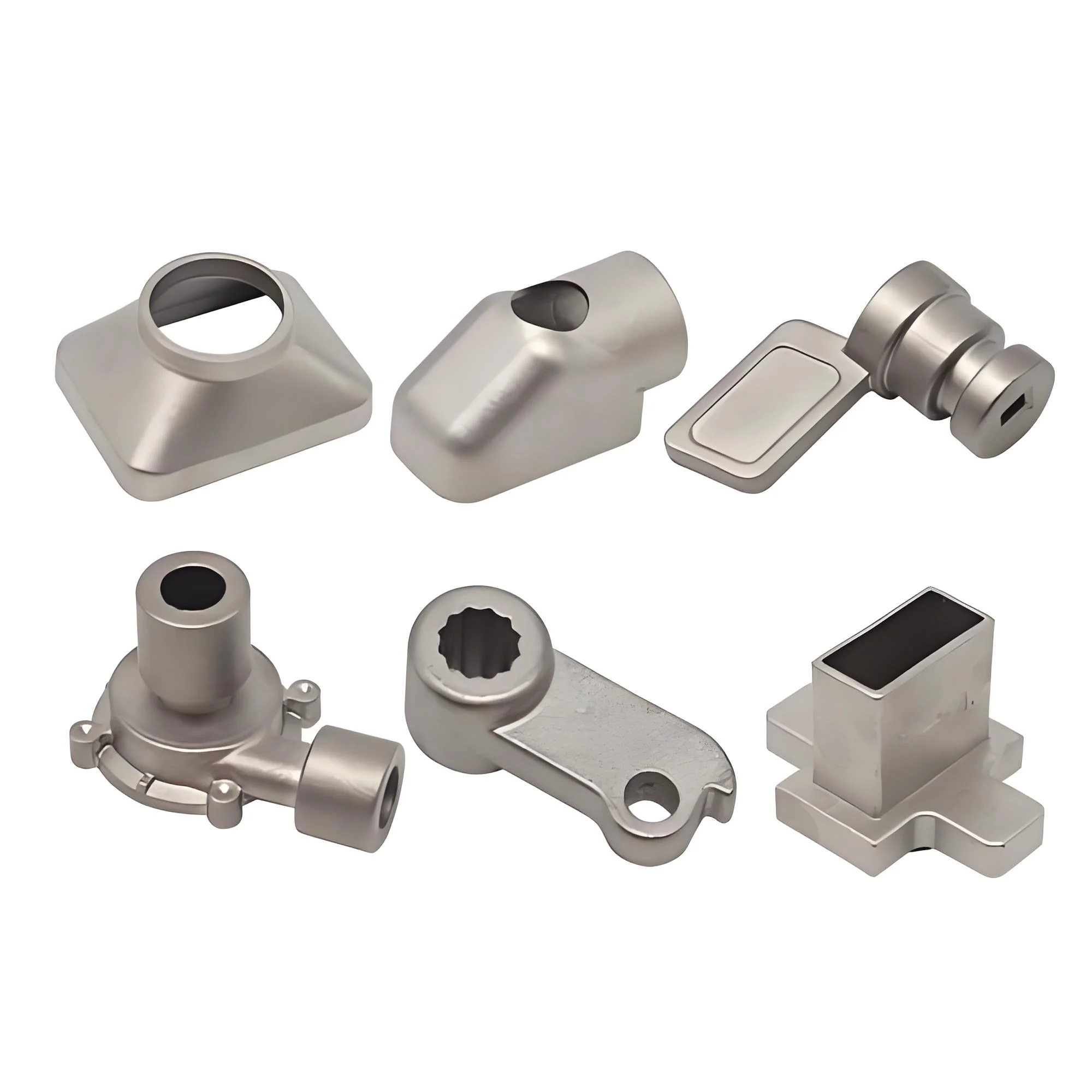
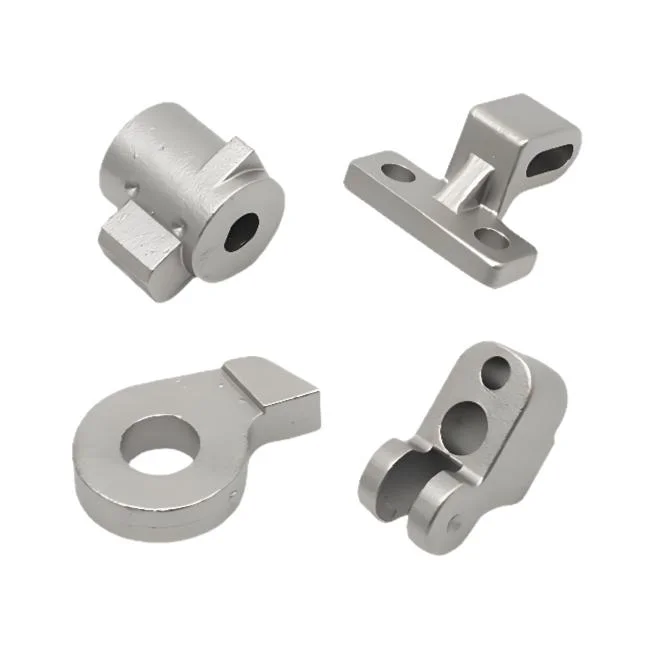
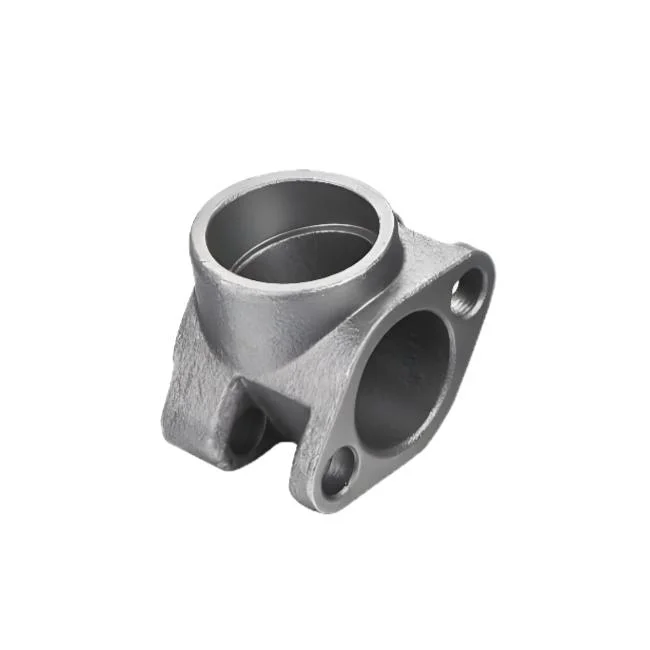
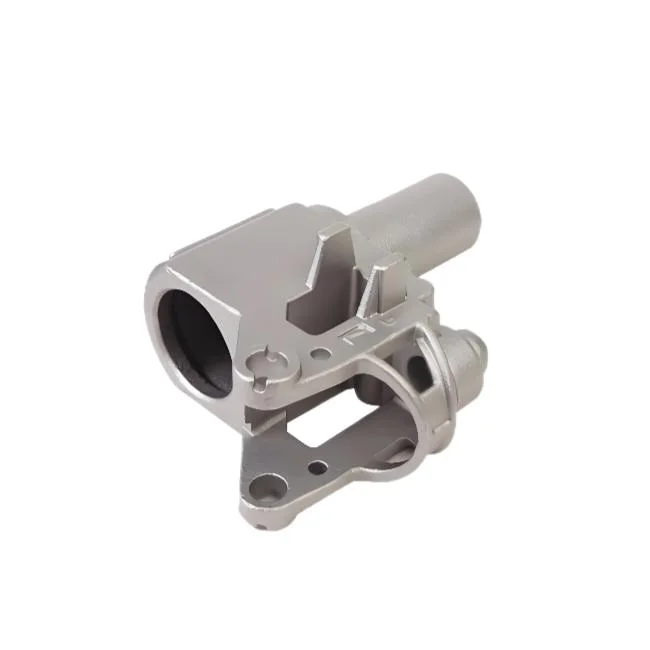
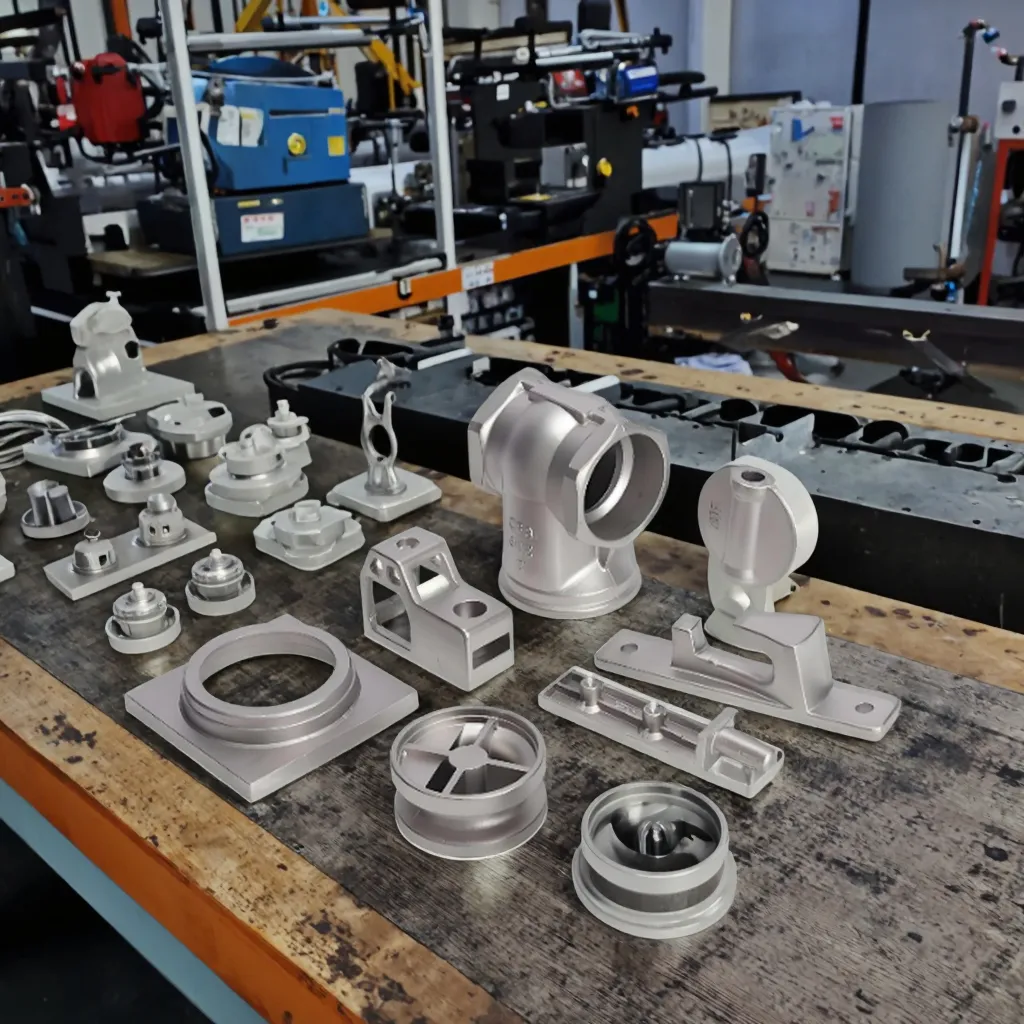
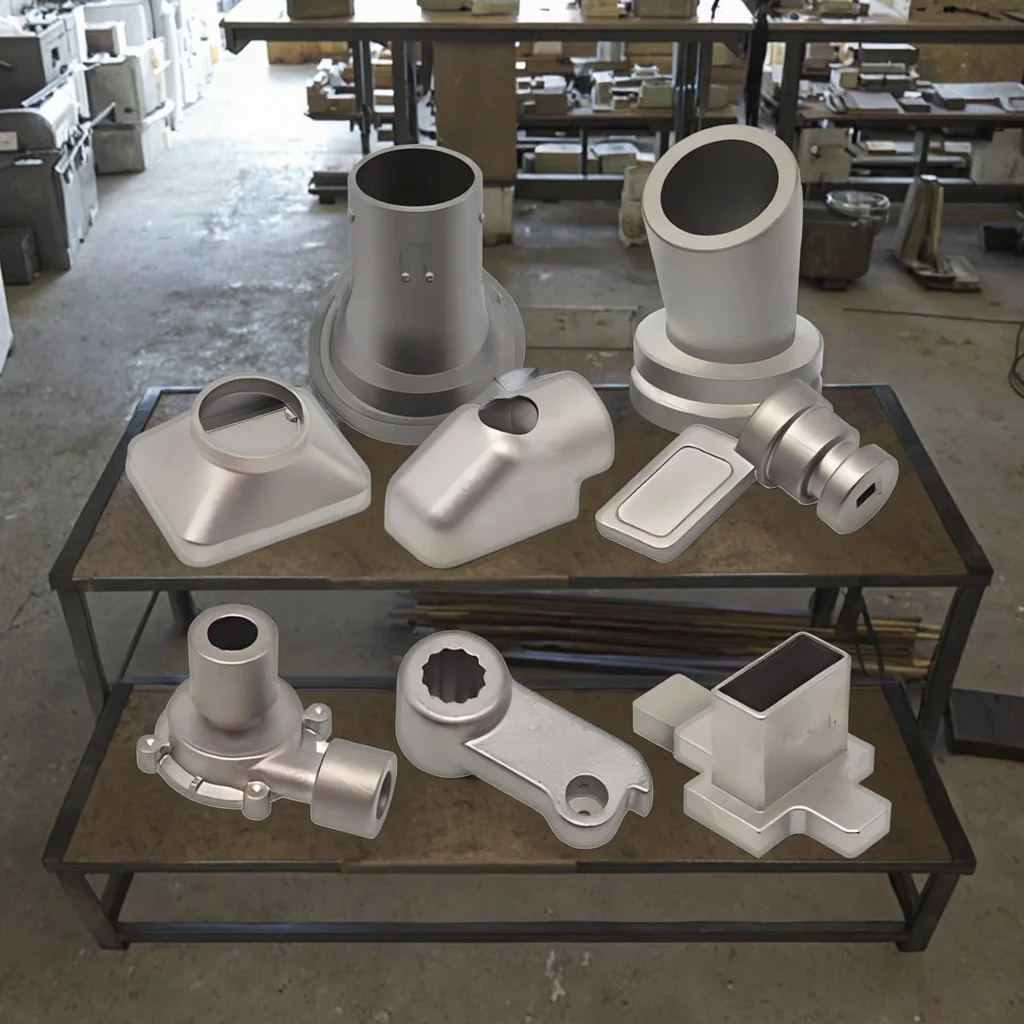
Custom Aluminum/Stainless/Copper/Iron Lost-Wax Investment/Sand Parts | Tooling, CNC & Surface Treatment
Let’s define your requirement
Send a product link, drawing or short brief. We’ll work through the details with you.
- Confirm the specificationGrade or model, size and intended use.
- Define your orderQuantity, finish or configuration, and samples.
- Agree the quotation scopeIncluded work, key checks and delivery needs.
-
Surface FinishAnodized , Powder Coated
-
ServiceCustom Investment/Lost Wax Casting
-
ApplicationAutomotive, Marine, Machinery, Energy, Jewelry&Art, Electronics, etcMaterialStainless Steel, Steel, Carbon Steel, Aluminum, Copper, Bronze, Brass
-
ProcessTooling + Investment Casting + CNC Machining + Surface TreatmentFinishAnodizing,Powder Coating, Plating, Painting, etc
-
Part Weight3g-40kgQuality Control100% Inspection Before Shipment
-
AdvantageOne Stop Service Provider, Manufacturing Partner, Supply Chain PartnerCertificationISO 9001: 2015
-
ValuesAccountability, Professionalism, Passion, Agility
Custom component services connect tooling and investment casting with CNC machining and surface treatment. Lost-wax investment and sand casting are route directions, with stainless steel, steel, carbon steel, aluminum, copper, bronze, brass and iron material choices. Select the actual grade and compatible route for the component before defining its processing and acceptance requirements.
Set the tooling and cast-to-CNC requirements
Identify the part geometry and the tooling scope needed by the chosen casting route. Mark the cast dimensions separately from those requiring CNC machining, then define the finished tolerances for the relevant interfaces. These details provide a component-specific basis for the integrated process rather than assuming identical work for every metal part.
Choose the applicable treated surface
Finish choices include anodizing, powder coating, plating and painting. Select the applicable treatment for the chosen material and identify the areas it covers. Agree the desired surface result together with the finished dimensional requirements, including how treated surfaces and machined interfaces will be evaluated.
Apply final inspection to the actual use
The custom parts receive 100% final inspection, with the checked characteristics, methods and acceptance criteria defined for the component. Automotive, marine, machinery, energy, jewelry/art and electronics are application directions. Specify the service and interface requirements for the selected use, including any marine-specific conditions or acceptance requirements. Agree the inspection records needed to evaluate the chosen material, casting/CNC scope and surface treatment against that part definition.








