
CUSTOM MANUFACTURING · PROJECT REVIEW
Custom Replacement Roller Sleeves for Vertical Grinding Mills
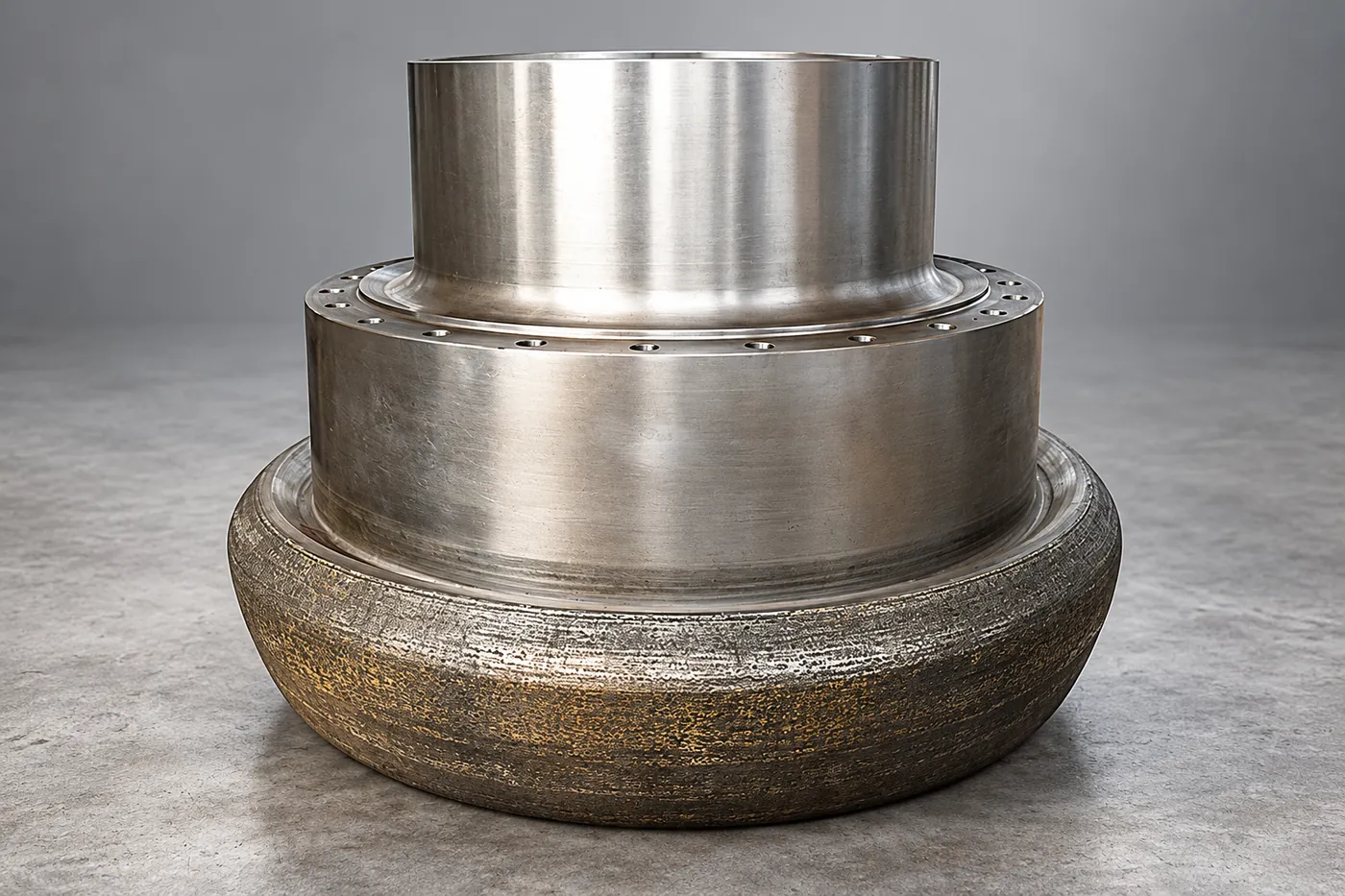
A replacement grinding-mill sleeve must fit its hub and reproduce the intended wear profile. Relia reviews custom sand casting and finishing from the drawing or controlled sample, with the specified alloy and service conditions kept visible.
RELIA · PRODUCT AND MANUFACTURING SUPPORT
Identify the exact wear component
Relia's related sleeve reference supports customized sand-cast parts, one-piece enquiries and crate packing. Relia's technical discussion starts with the mating hub, original dimensions and grinding conditions. The alloy and treatment are defined for the actual replacement, while the sample's wear pattern helps explain the problem your purchasing team is trying to solve.
| Your requirement | Relia product and service scope |
|---|---|
| Route reference | Custom sand casting |
| Order reference | One-piece enquiry; crate packing |
| Buyer inputs | Mill drawing, mating hub, wear profile and duty |
| Approval focus | Specified alloy, mounting fit and wear-surface geometry |
02 · GEOMETRY
Separate worn surfaces from original dimensions
- Wear evidence
- Show the worn profile and remaining reliable dimensions.
- Replacement geometry
- Separate service damage from the intended part definition.
Show the wear pattern and mark the dimensions that still represent the intended design. An old component needs review before its measured surface becomes the replacement specification.
Technical notes
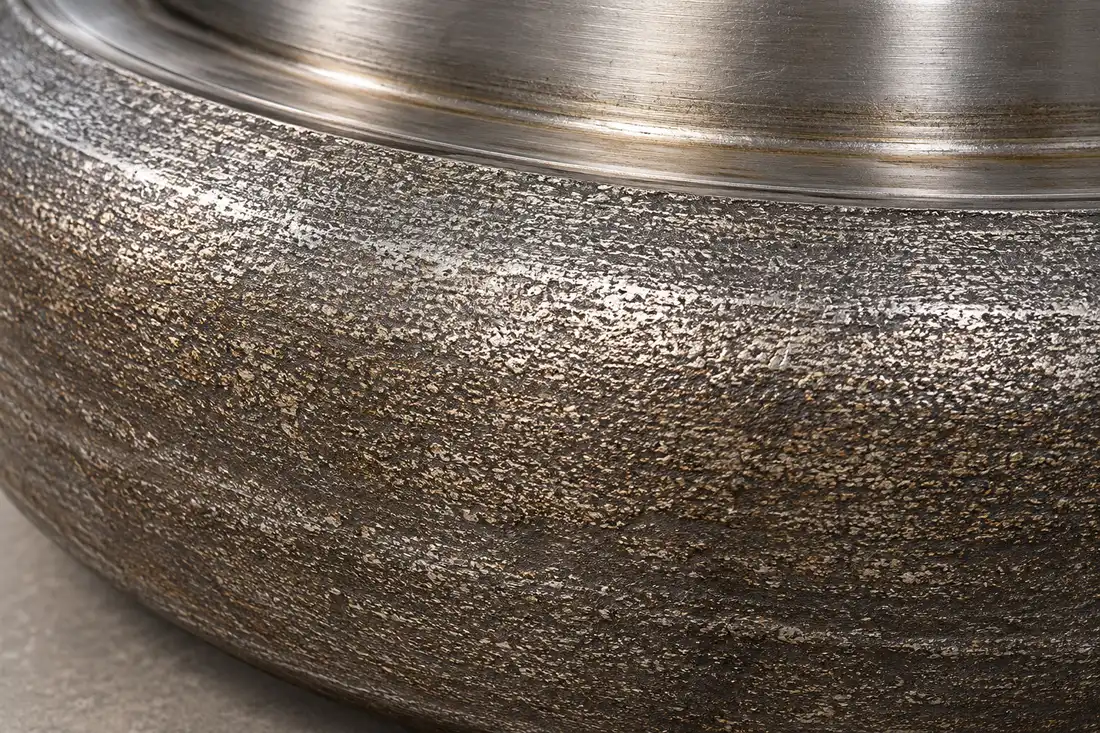
Select the alloy and any heat treatment for the specified duty and mounting design. Keep the fit and retention features separate from the wear surface. The catalogue's custom-colour finish is not evidence of a particular wear alloy, hardness or guaranteed service life.
MANUFACTURING ROUTE · FEATURES AND CONTROL
Cast the Wear Body and Finish the Hub Connection
The mould route needs to reproduce the specified sleeve body with allowance on the features that locate and retain it. After casting and cleaning, any required treatment is tied to the chosen wear alloy. Relia's machining scope then establishes the bore, taper, shoulder or retention details shown on the replacement drawing. The worn working surface is interpreted against the original design rather than copied automatically. This keeps installation fit separate from the wear profile and material properties that control service behaviour.
- Recover the designOriginal profile, hub and observed wear
- Specify the cast sleeveAlloy, mould route and required condition
- Machine the attachmentBore/taper, shoulders and retention
- Approve the replacementMounting fit, profile and specified material tests
04 · INTERFACES
Keep the mating fit in the machining scope
- Mating fit
- Define seating, retaining and locating features.
- Finished sleeve
- Plan machining and checks from the controlled drawing.
Identify the seating, retaining and locating features on the controlled drawing. Their finished dimensions and condition should guide the machining and checking work for the replacement.
05 · ACCEPTANCE
Inspect before installation release
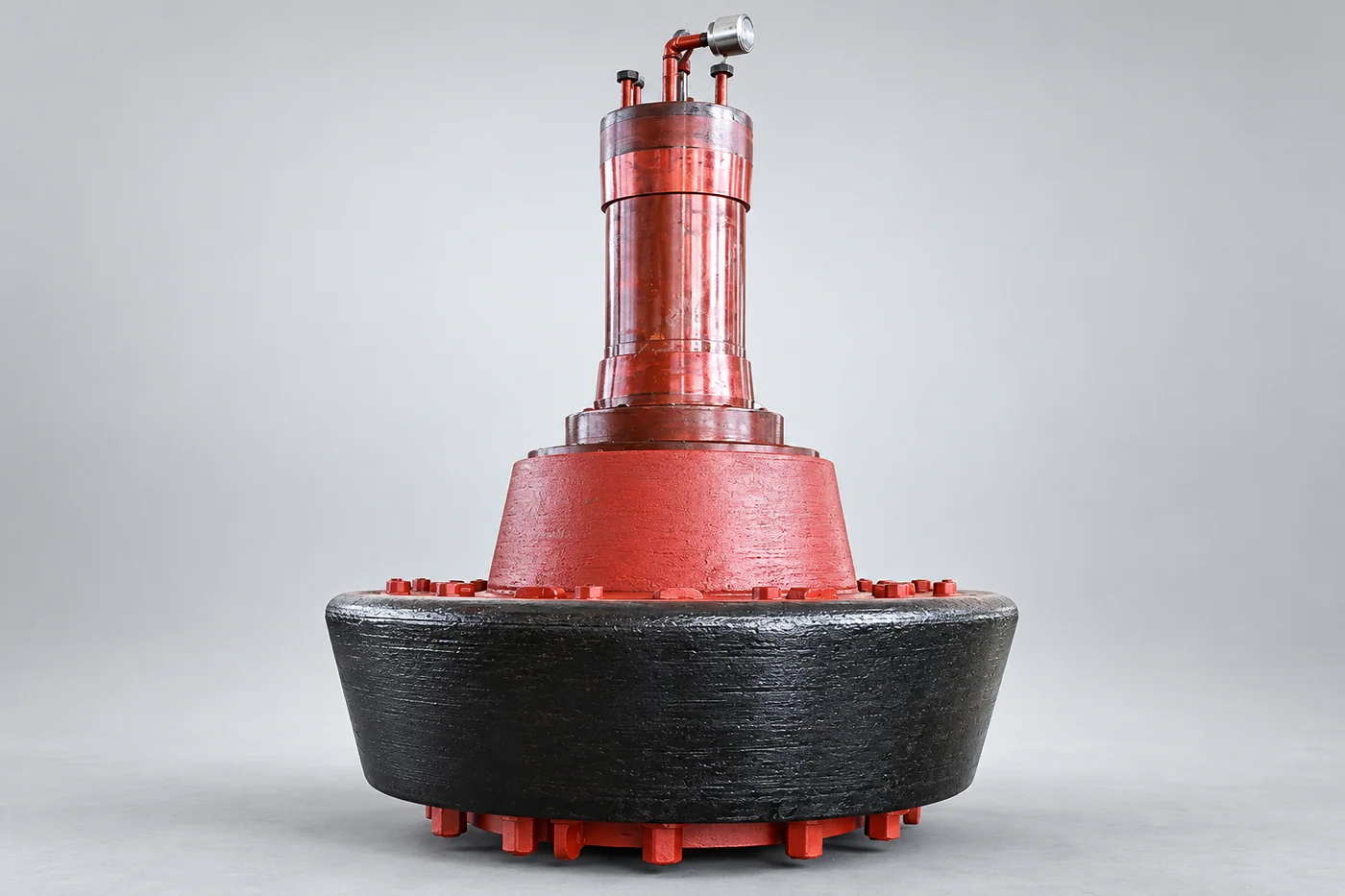
Define the material, hardness or other required tests with acceptance limits and locations. Check mounting geometry before reviewing the working profile. A first-fit review can confirm installation, while service-life comparison requires comparable operating conditions and a defined observation period.
06 · REPEAT SUPPLY
Retain the accepted replacement reference
- First replacement
- Retain the accepted alloy, dimensions and review results.
- Repeat reference
- Use the approved drawing for later sleeve orders.
Keep the approved drawing, material and relevant review records after the first replacement is accepted. Future enquiries can then refer to a controlled part rather than another worn sample.
07 · PROJECT REVIEW
Quote the defined component and open inputs
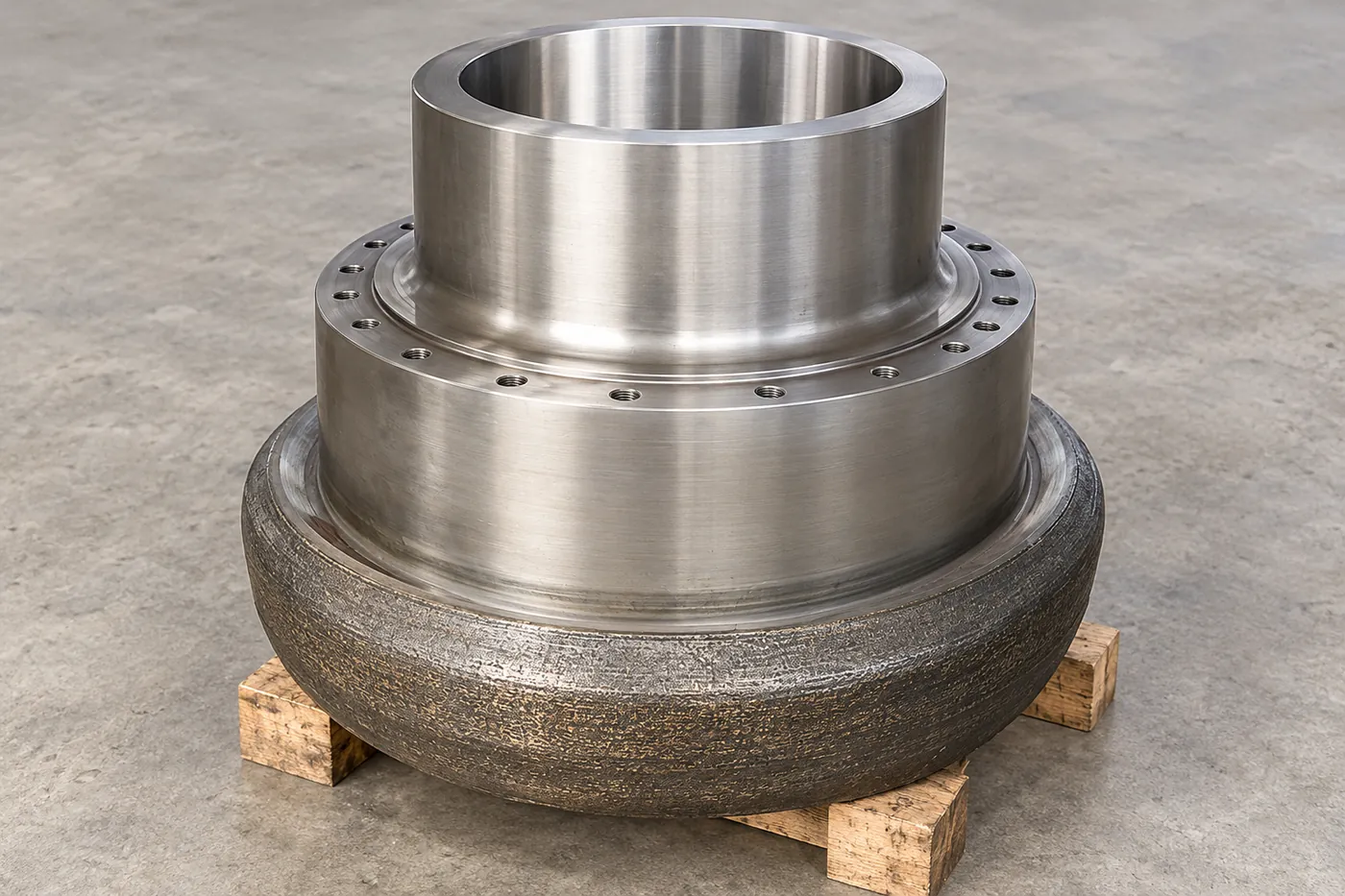
Make the casting, machining and verification work visible in the quotation. Identify missing original dimensions or material information before the replacement scope is released.
Technical notes
Provide the mating hub, mounting arrangement, worn profile and original dimensions where available. Include feed material, operating conditions and the failure or wear pattern that triggered replacement. Wear can alter the original profile, so a used sleeve is evidence rather than a complete drawing.
| Enquiry area | Agreement needed |
|---|---|
| Geometry | Original drawing and mating fit |
| Material | Accepted requirement and condition |
| Scope | Manufacture, checks and delivery |
RELIA · YOUR NEXT PROJECT
Bring the original sleeve definition and grinding context
Send the part drawing, mating information, required material and quantity. Add wear photos and the relevant duty conditions. We can review the replacement-component scope and the technical inputs needed for approval.
Start with these project details
- Sleeve and mating-hub drawings
- Wear photographs and duty
- Specified alloy and quantity
- Mounting-fit and approval requirements
Shuyuan Road, Qingdao, Shandong, China
