
CUSTOM METAL COMPONENTS · CHINA FACTORY
Investment Casting Manufacturer in China for Drawing-Based OEM Parts
Relia manufactures drawing-based metal components in China. Start with the finished part you need: its alloy, mating features, surface condition and order quantities. We connect casting, machining and inspection in a scope your engineering and purchasing teams can review together.
RELIA · PRODUCT AND MANUFACTURING SUPPORT
Start with the component that matters
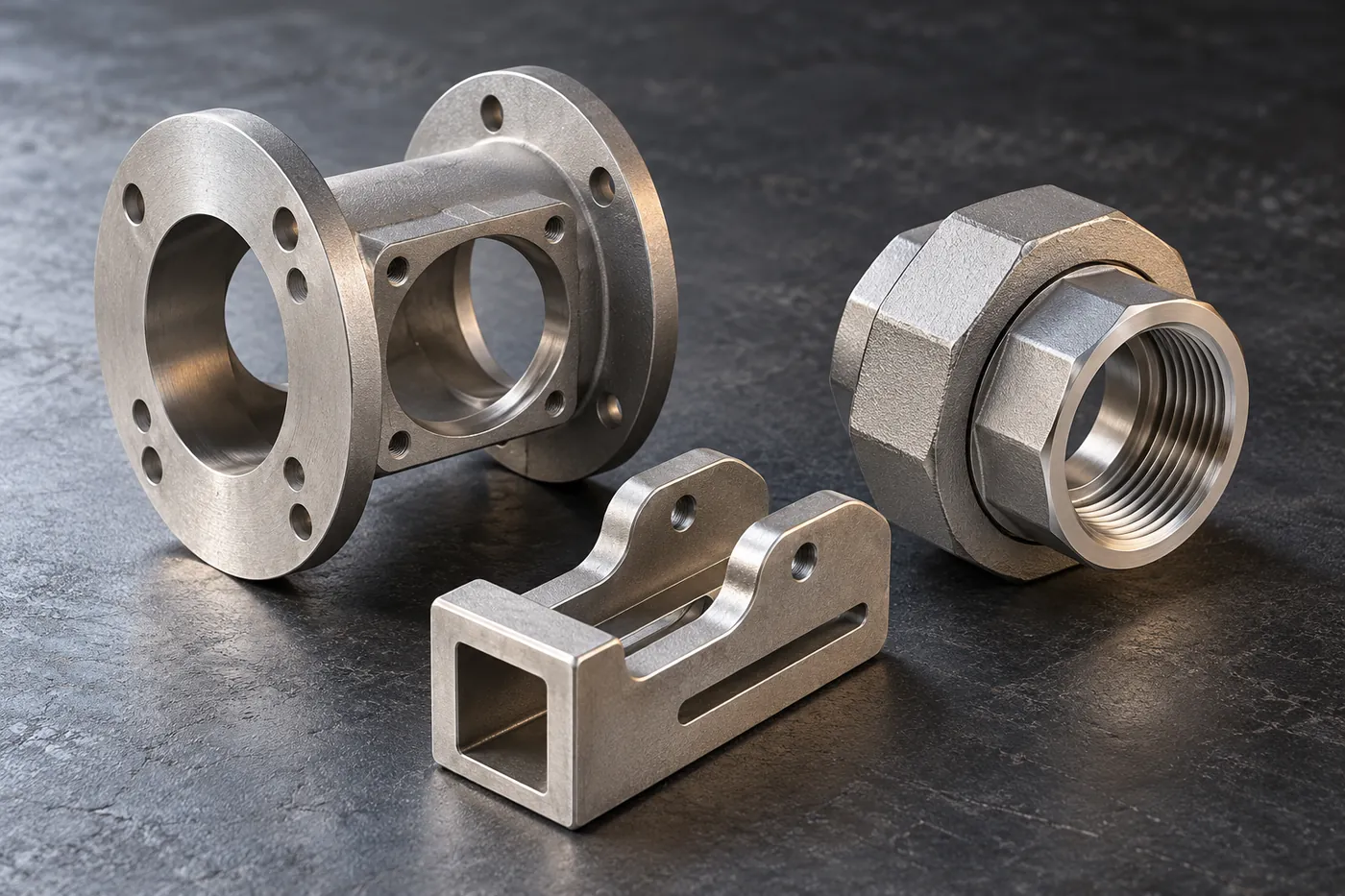
Relia connects the casting, machined interfaces and finish in one component enquiry. The range includes CF8-series pump impellers, 304/316 brackets and ADC12/A380 aluminium parts. That matters when your purchasing team needs a usable part rather than a raw casting that still needs another manufacturing plan. The proposed route follows your material, geometry, quantities and released drawing.
| Your requirement | Relia product and service scope |
|---|---|
| Stainless range | CF8/CF8M/CF3/CF3M impellers; 304/316 brackets |
| Nonferrous range | ADC12/A380 aluminium; Zamak 3/5 options |
| Manufacturing package | Casting, optional CNC machining and specified finish |
| Files | 2D PDF/CAD and 3D IGES/STEP |
02 · DESIGN INPUT
Give the drawing a clear starting point
- Controlled drawing
- Identify the revision, units and finished dimensions.
- Useful sample
- Mark wear before it becomes a manufacturing dimension.
A controlled drawing revision keeps the discussion useful from the first exchange. Share units, overall size, mating features and the finished supply condition. If you only have a sample, explain which surfaces are worn and which dimensions still represent the original design. We can then discuss the information needed for a manufacturing review.
Technical notes
Include both the 3D shape and the dimensioned 2D drawing. STEP or IGES communicates geometry; the PDF records datums, fits, finish and revision. A general tolerance note alone does not identify a bearing seat or sealing face that needs a closer limit.
MANUFACTURING ROUTE · FEATURES AND CONTROL
Build the Route Around the Finished Component
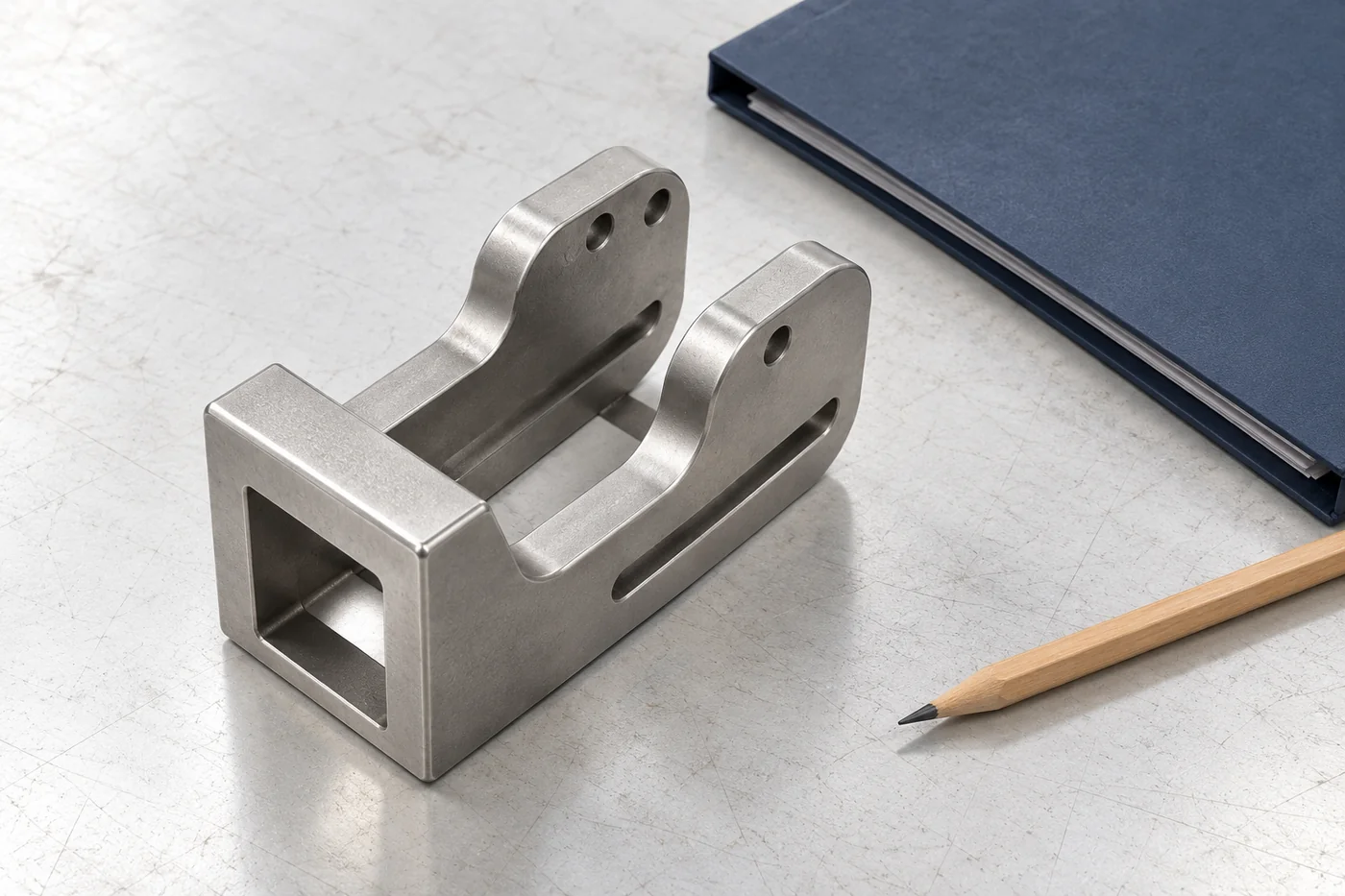
For a stainless precision component, the investment-casting route uses a sacrificial pattern, a ceramic shell and a poured metal shape; cleaning exposes the casting for subsequent treatment and machining. Aluminium pressure die casting instead forms metal in reusable steel tooling. Relia's technical scope separates these routes, then assigns stock to bores, threads and faces that need machining. Keeping that separation prevents an attractive casting outline from hiding expensive or inaccessible finishing work.
- Define the partFinished drawing, alloy and assembly datums
- Form the near-net shapeCasting route selected for metal, geometry and quantity
- Finish the interfacesMachine locating, sealing and fastening features
- Release the componentAgreed material, dimensional and finish checks
04 · FINISHED FEATURES
Keep critical interfaces in the machining scope
- Cast shape
- Define the body, ribs and supporting geometry.
- Finished interface
- Specify the bores, threads and faces that control assembly.
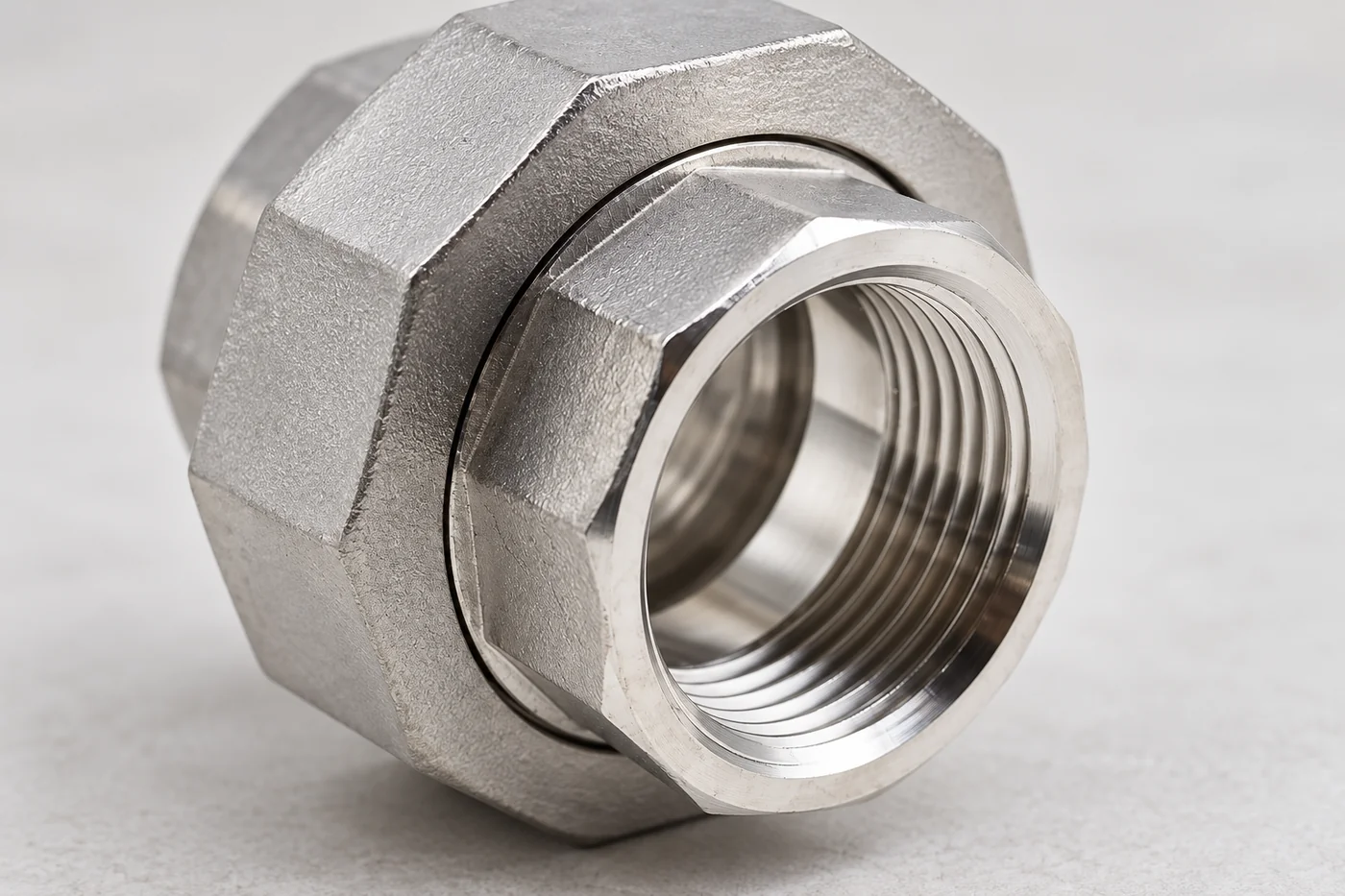
A cast shape and a finished interface are different deliverables. Threads, sealing faces, bearing locations and accurately positioned holes may need machining after casting. Mark the features that control fit or function so we can discuss their datums, tolerances and inspection method together. The finished-component scope belongs in the quotation.
05 · MATERIAL CHOICE
Connect the material to the working environment
- Working environment
- Identify temperature, exposure and the component's duty.
- Material agreement
- Approve the exact grade and supplied condition.
Start with the grade your design requires and tell us about the environment around it. A stainless fitting, aluminum enclosure and iron housing solve different needs. A similar-looking part is a useful shape reference, but its alloy and surface treatment do not automatically transfer to your project. We agree those details against your drawing and application.
06 · ACCEPTANCE BASIS
Build confidence with relevant records
For supplier comparison, request the same alloy specification, finished dimensions, inspection scope and delivery condition from every quotation. Material records and checks should follow the component's risks. A certificate name or a bright surface cannot establish pressure rating, fatigue life or assembly fit.
07 · PURCHASING CLARITY
Compare quotations on the same basis
A price comparison becomes meaningful when the included work is clear. Separate tooling from parts, casting from machining, and standard packing from any project-specific protection. The lowest line price can leave important work outside the scope. We prefer a quotation that makes those boundaries visible before you commit.
Technical notes
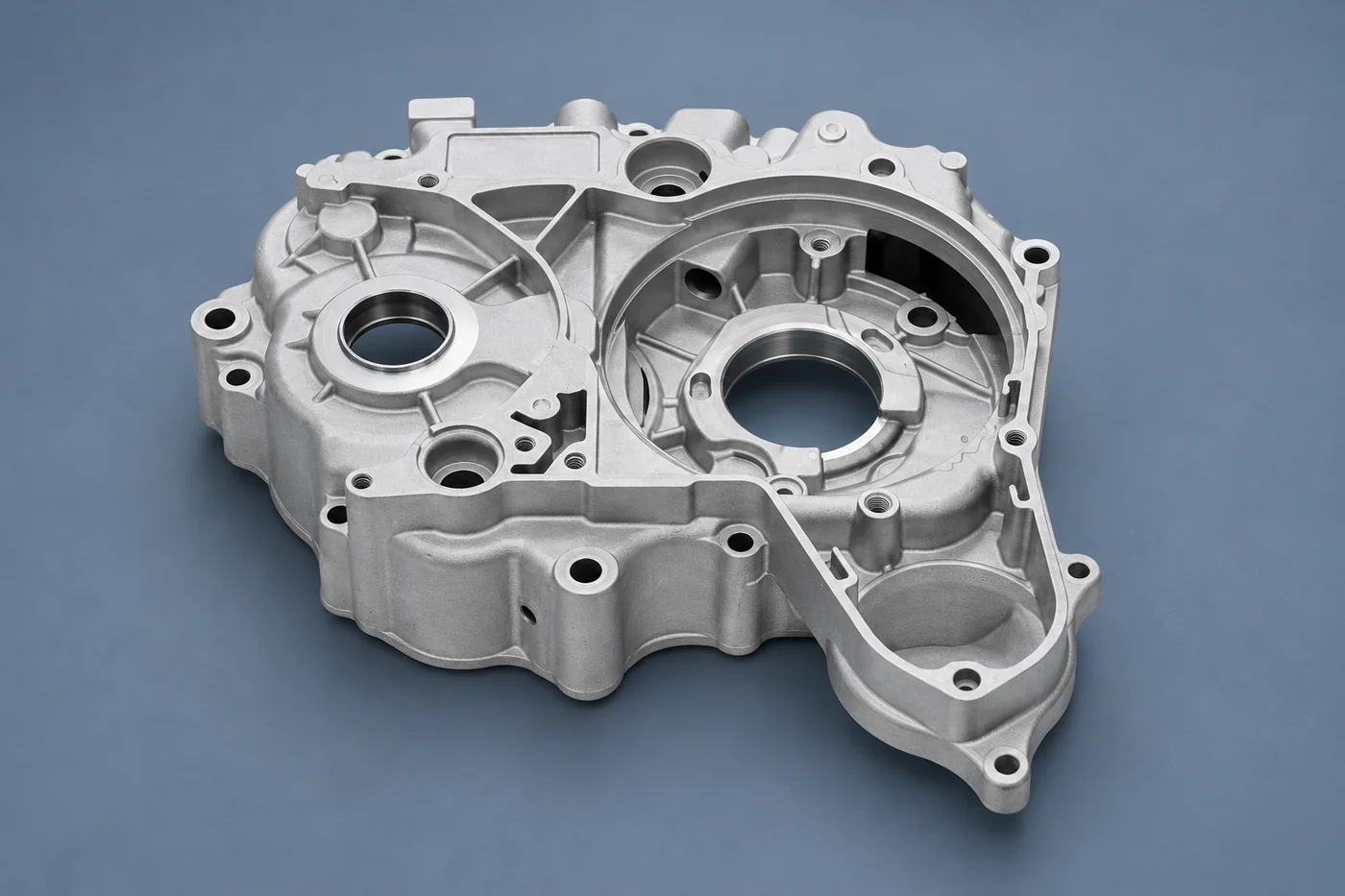
A threaded union, an actuator bracket and an aluminium enclosure need different controls. The union needs a defined thread and seal; the bracket needs mounting alignment; the enclosure needs bosses, ribs and mating faces. We use these functional features to separate the cast shape from the surfaces that require machining.
| Scope item | Useful comparison basis |
|---|---|
| Tooling | Ownership, included work and change scope |
| Parts | Drawing revision and delivered condition |
| Inspection | Characteristics, method and records |
| Delivery | Packing, destination and agreed trade terms |
08 · CONNECTED GUIDES
Follow the next technical decision
Once the starting part is clear, the next step is to define its manufacturing package. Continue with our casting and machining scope, review sample-based replacement work where needed, or prepare the information for an enquiry. These guides connect the sourcing decision to a practical technical brief.
RELIA · YOUR NEXT PROJECT
Send a brief we can review together
Send your component reference, drawing revision, material requirement and expected quantities. Add the finished interfaces and acceptance records that matter to your team. We are Qingdao Relia Industries Co., Ltd., a China factory serving overseas B2B enquiries. Contact us to agree the next review step and a suitable way to share your technical files.
Start with these project details
- Drawing or sample
- Material and service conditions
- Sample and repeat quantities
- Finished features and inspection
Shuyuan Road, Qingdao, Shandong, China
