
CUSTOM MANUFACTURING · PROJECT REVIEW
Industrial and Art-Casting Wax for Bronze Sculpture Patterns
Sculpture-pattern wax needs to suit shaping, joining and removal in the foundry workflow. Relia reviews the identified formulation and supply form around your model, preparation method and trial requirements.

RELIA · PRODUCT AND MANUFACTURING SUPPORT
Define the sculpture or industrial pattern
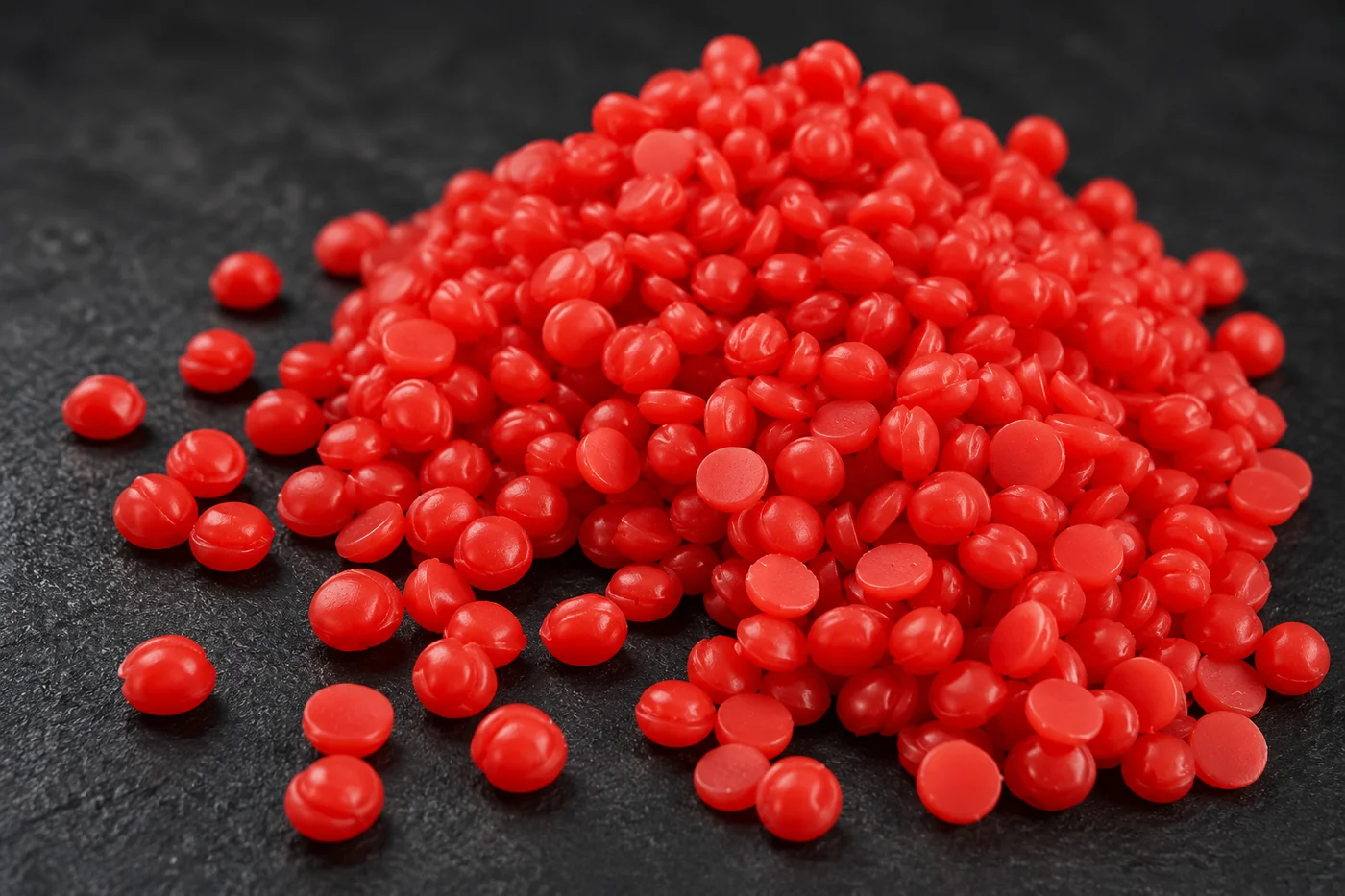
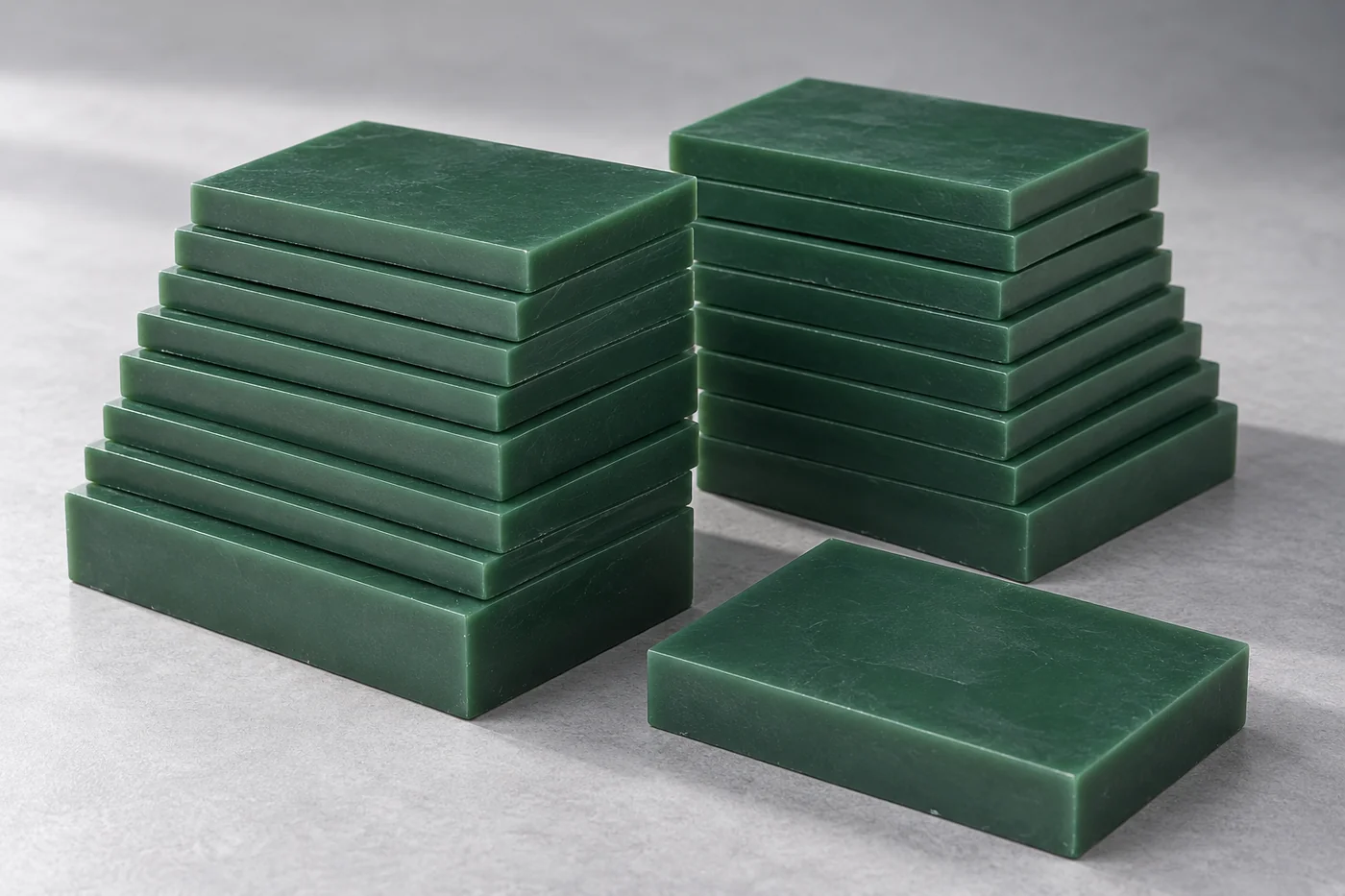
Relia's art-casting wax references list a 65–68°C melting range, ash at or below 0.015% and water at or below 0.1%, with semi-pellet or block supply. Relia connects those formulation references to your pattern method and shell workflow. A large hollow model's handling and joining needs can differ from those of a small injected jewelry pattern.
| Your requirement | Relia product and service scope |
|---|---|
| Supply form | Semi-pellets or blocks |
| Melting reference | 65–68°C |
| Listed limits | Ash ≤0.015%; water ≤0.1% |
| Application focus | Bronze sculpture pattern making, joining and removal |
02 · MATERIAL DATA
Compare the identified wax formulations
- Exact wax
- Confirm the formulation and applicable material data.
- Pattern behaviour
- Review the selected material for the intended working method.
The references include pellets and blocks, with listed ash and water fields for particular items. Confirm the exact formulation and relevant data rather than assuming every form shares the same composition or pattern behaviour.
Technical notes
Review the actual formulation's processing sheet and compatibility with the shell and dewaxing cycle. The reference lists a 57–62°C congealing range and 35–55 cP viscosity at 100°C; these are condition-specific properties, not recommended working temperatures for every pattern operation.
MANUFACTURING ROUTE · FEATURES AND CONTROL
Carry Model Detail Through Joining and Pattern Removal
The chosen wax is used to create the required pattern sections and detail under its processing instructions. Sections and sprues are joined for the mould system, so handling stability and the condition of joints matter before investing or shell building. Relia's trial review can focus on a representative thin area, join and surface texture. The matched removal cycle must suit the wax and mould. Assessing those features together is more useful than transferring injection settings from a different jewelry wax or selecting a block by colour alone.
- Define the pattern methodHollow/solid sections, detail and handling
- Form and join the waxSelected formulation and practical working method
- Match the mould workflowShell/investment and pattern-removal requirements
- Trial representative detailsStability, joints, detail and removal result
04 · PELLETS AND BLOCKS
Choose a useful supply form
- Supply form
- Choose pellets or blocks for the preparation arrangement.
- Working quantity
- State the batch and quantities used for pattern making.
Pellet and block formats can support different material-handling arrangements. Tell us the preparation method and working quantities so the enquiry addresses the form you intend to use.
05 · APPROVAL
Set pattern-trial acceptance around the project
Trial detail reproduction, joining, handling stability and the intended removal cycle on a representative section. Request current batch and handling information. Keep storage and contamination control visible because foreign material can affect the mould workflow even when the nominal wax grade is unchanged.
06 · DELIVERY
Plan packing and storage for the selected wax
- Protected supply
- Agree packing and applicable storage guidance.
- Lot identity
- Keep material records with the relevant pattern-making tasks.
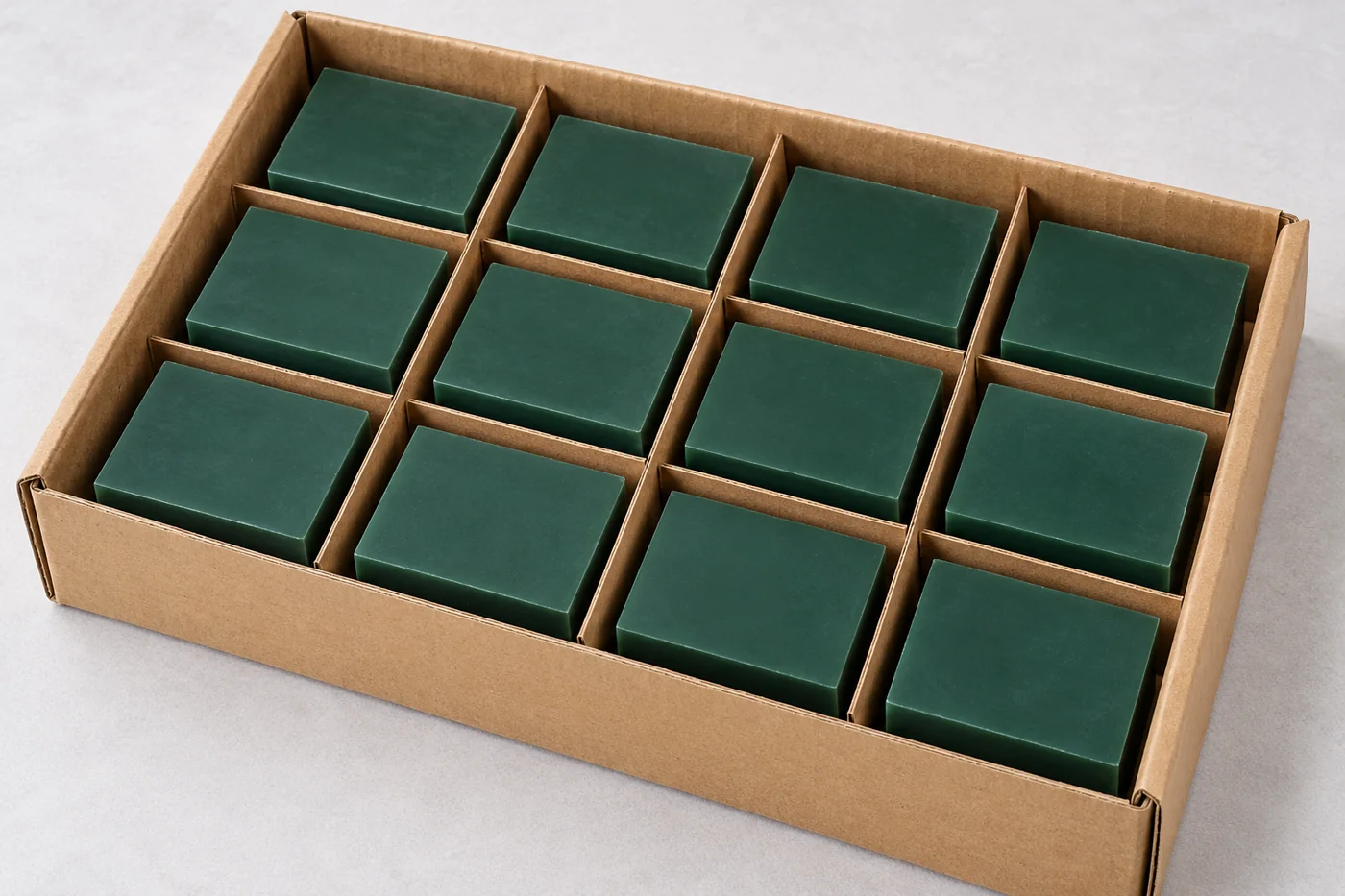
Agree quantities, protection and the applicable storage information for the supplied formulation. Keep lot identity visible when material is split between pattern-making tasks or later orders.
07 · REORDER
Retain the approved formulation for repeat work
Keep the selected material, trial record and foundry requirements together. Changes in model scale, material or process should be reviewed against that original approval basis.
Technical notes
Describe whether the pattern is slush-cast, worked by hand, joined or built in sections. Include wall thickness, detail and the handling needed before investing. Large hollow sculpture patterns introduce handling and joining requirements that differ from small injected jewelry patterns.
| Project record | Retain |
|---|---|
| Material | Formulation, form and lot |
| Pattern | Model revision and agreed checks |
| Workflow | Applicable foundry requirements |
RELIA · YOUR NEXT PROJECT
Send the model and casting-wax requirements
Share the model reference, intended pattern method and foundry workflow. Add the required supply form, trial checks and documentation. We can review a casting-wax enquiry around the actual art or industrial project.
Start with these project details
- Model and pattern-making method
- Foundry workflow and current wax
- Required form and quantities
- Trial checks and documents
Shuyuan Road, Qingdao, Shandong, China
