
CUSTOM MANUFACTURING · PROJECT REVIEW
Polished Stainless Cast Components for Sanitary Hardware OEMs
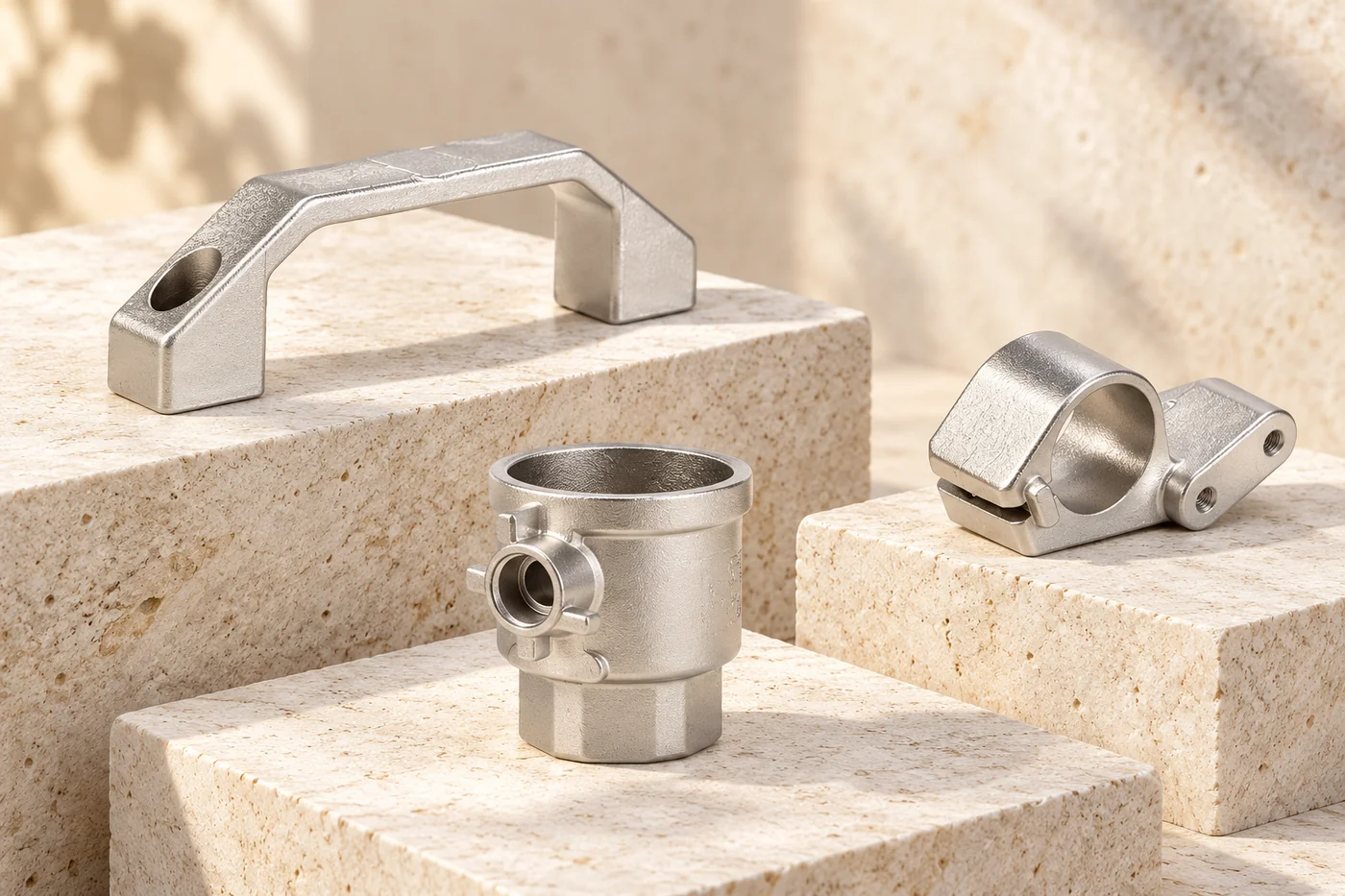
A polished stainless component needs both a usable interface and an agreed appearance. Relia reviews casting, machining and polishing against the actual geometry, with material, visible zones and any use-specific requirements defined for your hardware.
RELIA · PRODUCT AND MANUFACTURING SUPPORT
Identify the hardware part and intended use
Relia's sanitary-hardware references combine stainless casting, CNC machining and customized treatment. Relia's scope separates visible appearance from threaded or sealing interfaces and from any measured roughness requirement. This helps hardware OEMs specify the surface they need without treating a mirror-like photograph as a complete technical finish standard.
| Your requirement | Relia product and service scope |
|---|---|
| Material | Specified stainless-steel grade |
| Manufacturing | Casting, machining and agreed polishing/finish |
| Use distinction | Decorative hardware versus controlled product-contact service |
| Surface acceptance | Defined zones, roughness where specified and appearance sample |
02 · MATERIAL
Specify stainless material and mating features
- Functional part
- Keep the mating drawing and important interfaces available.
- Material definition
- Specify the exact stainless grade and supplied condition.
State the exact grade and required material condition. Keep the assembly drawing and important interfaces available so the finishing review stays connected to the functional part.
Technical notes
Agree the polishing grade, accessible internal surfaces and areas that must retain machining geometry. Our references include a 0.01 mm field on one item and 0.2 mm on another; neither is a universal finished tolerance. Use the drawing for dimensions and a surface specification or approved sample for finish.
MANUFACTURING ROUTE · FEATURES AND CONTROL
Prepare Cast Surfaces Before the Final Polish
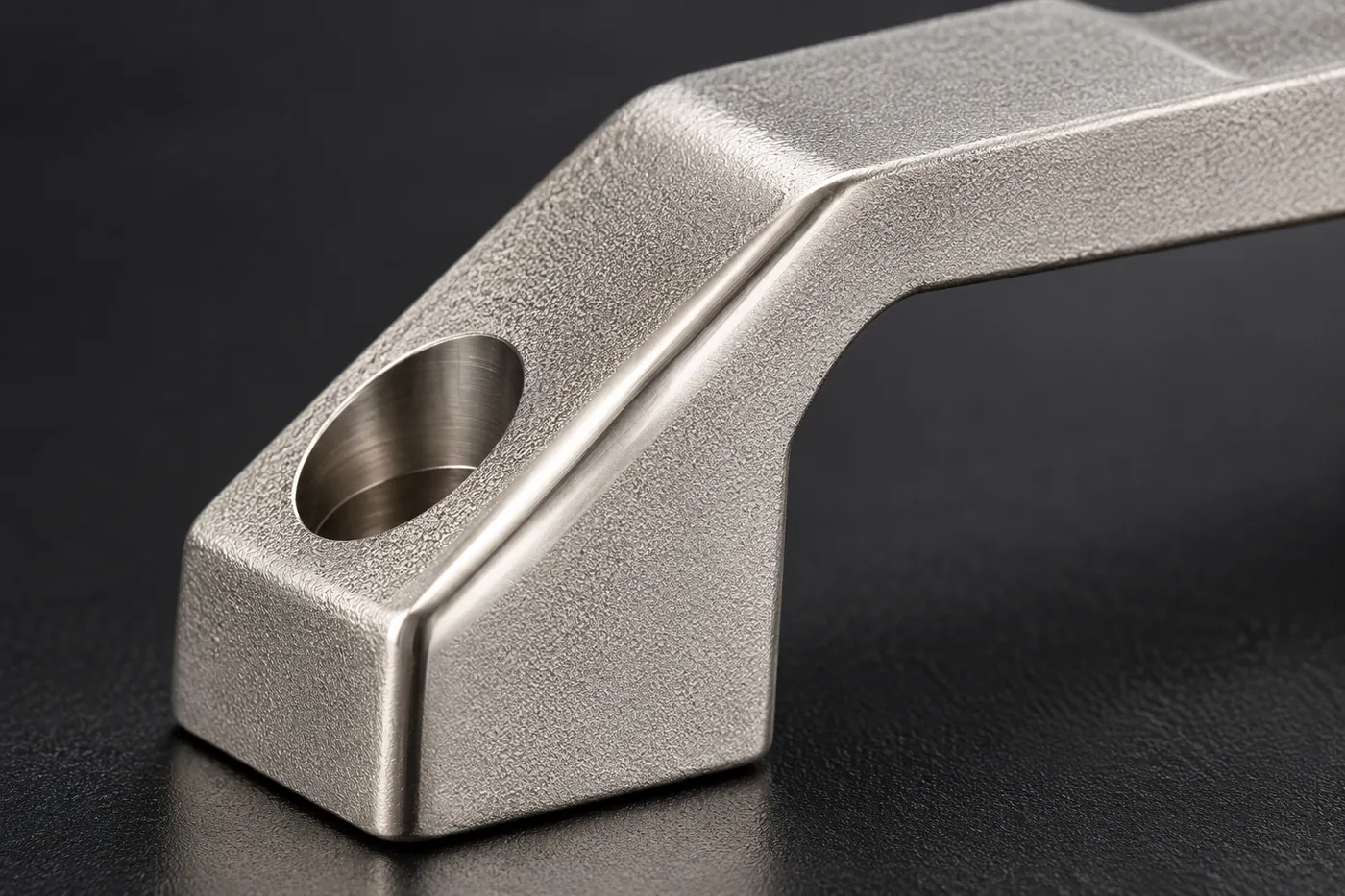
After casting and cleaning, the relevant machining establishes connections and locating faces. Surface preparation and polishing then address the agreed visible or contact zones. Relia's finish review identifies edges, recessed areas and interfaces where excessive material removal could soften detail or alter fit. A specified roughness needs named measurement locations, while a cosmetic requirement can use an approved appearance reference. Final cleaning and protected packing preserve the accepted surface rather than allowing loose contact between polished pieces.
- Define the surface roleDecorative, hand-contact or controlled product-contact use
- Cast and machineBody and drawing-defined connections
- Prepare and polishAgreed zones, edge detail and finish requirement
- Approve and protectAppearance/roughness checks and separated packing
04 · APPEARANCE
Approve polishing with a practical reference
- Finish reference
- Agree reflection, texture and visible-surface acceptance.
- Actual geometry
- Apply the reference to the surfaces being supplied.
Use an agreed physical sample or finish requirement to explain the reflection, texture and visible-surface acceptance. Keep the reference applicable to the actual geometry and supplied material.
05 · ACCEPTANCE
Check dimensions after finishing
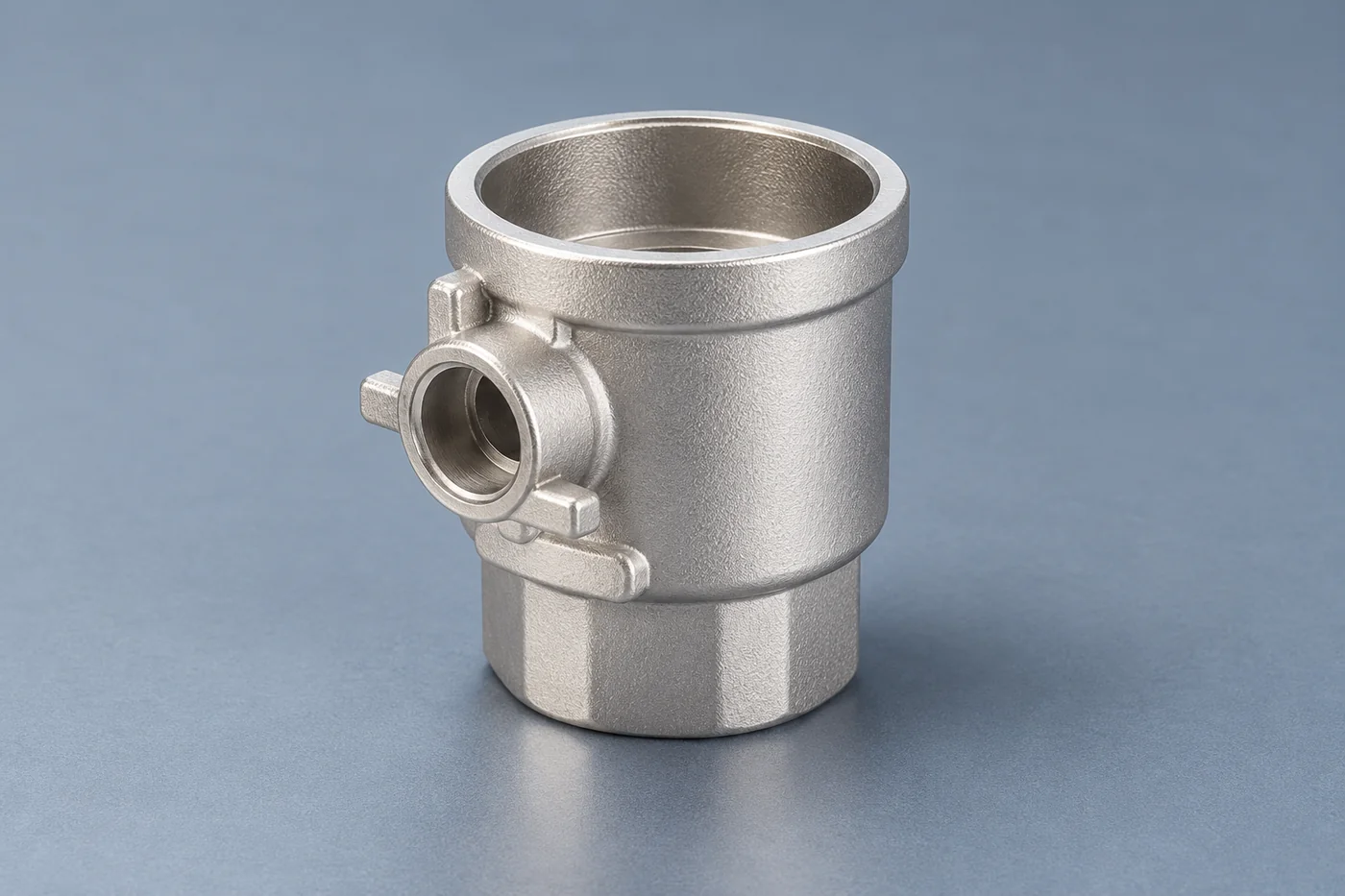
Inspect the agreed appearance zones, edges, threaded connections and sealing interfaces. If roughness or material documentation is required, state the locations and acceptance basis. A mirror-like photograph cannot establish food-contact suitability or a measured hygienic finish.
06 · REFERENCE CONTROL
Keep OEM variants consistent in repeat orders
- OEM variants
- Retain separate part, finish and authorised-design identities.
- Protected surface
- Agree packing for polished areas and receiving needs.
Retain separate part, finish and customer-authorised variant identities. Discuss protection for polished areas so receiving teams can recognise the intended configuration and surface condition.
07 · QUOTATION
Retain one complete finished-part package
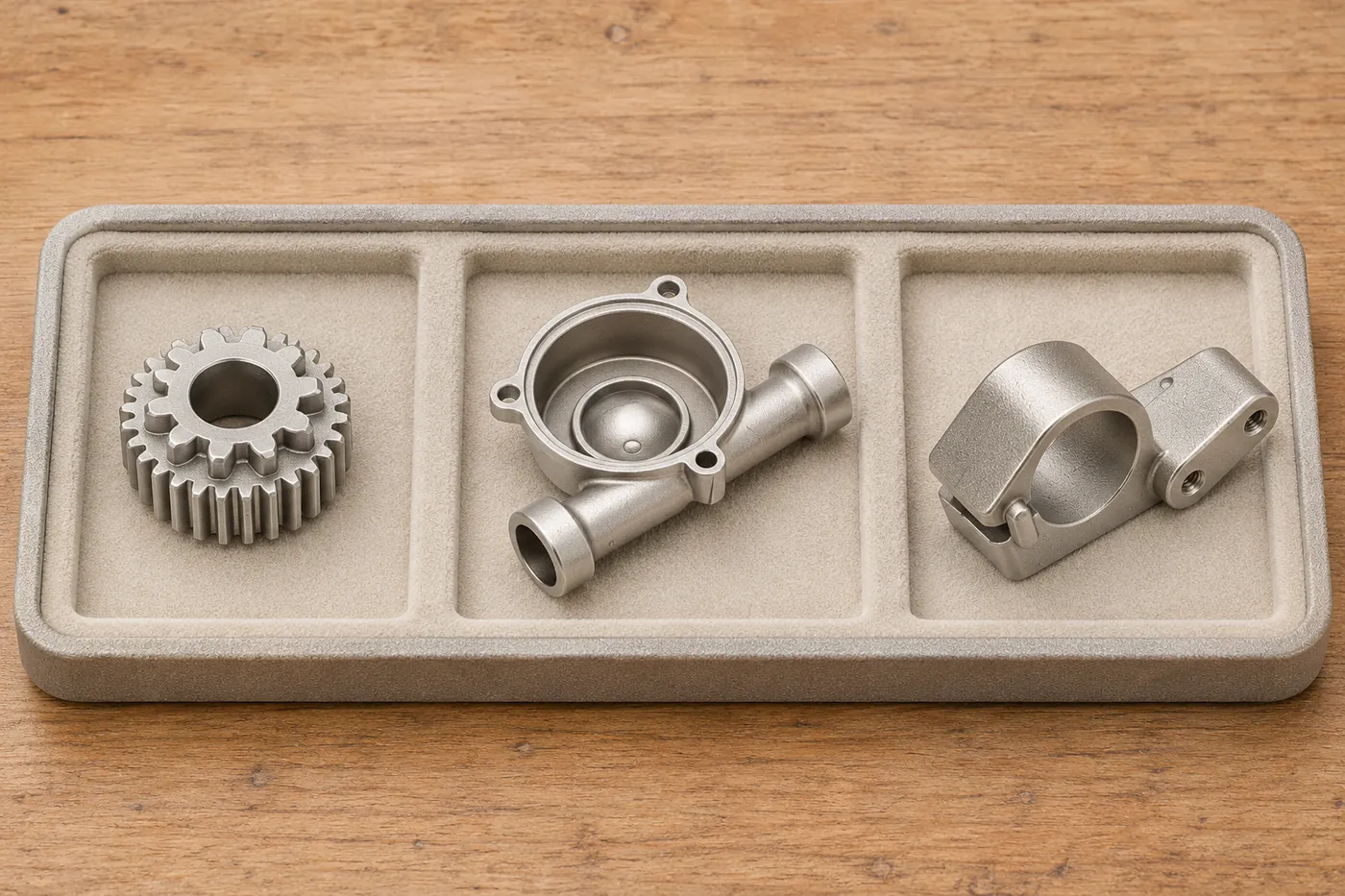
The material, drawing, polishing and required checks should describe the same supplied component. Keep open cosmetic or mating inputs visible before the scope is agreed.
Technical notes
Identify whether the surface contacts process fluid, water, cleaning chemicals or only the user's hand. Show threaded connections, sealing faces and visible zones. This determines whether the enquiry needs a defined roughness, cleanliness or material-compliance requirement beyond visual polishing.
| Package | Retain |
|---|---|
| Technical | Current drawing and selected grade |
| Finish | Accepted appearance and functional condition |
| Approval | Required dimension and surface checks |
RELIA · YOUR NEXT PROJECT
Send the component model and polishing reference
Share the drawing, stainless grade, quantities and mating requirements. Add the appearance reference and any use-specific checks. We can review the cast, machined and polished component scope with your team.
Start with these project details
- Component and mating drawings
- Stainless grade and quantities
- Appearance reference and zones
- Use-specific acceptance requirements
Shuyuan Road, Qingdao, Shandong, China
