
CUSTOM MANUFACTURING · PROJECT REVIEW
Jewelry Resin Prototyping and Casting from a 3D Design
Relia reviews jewellery designs from 3D files through the defined prototype or casting deliverable. Separate a presentation model from a castable pattern, then agree metal, finished size, detail and polishing before the next manufacturing stage.
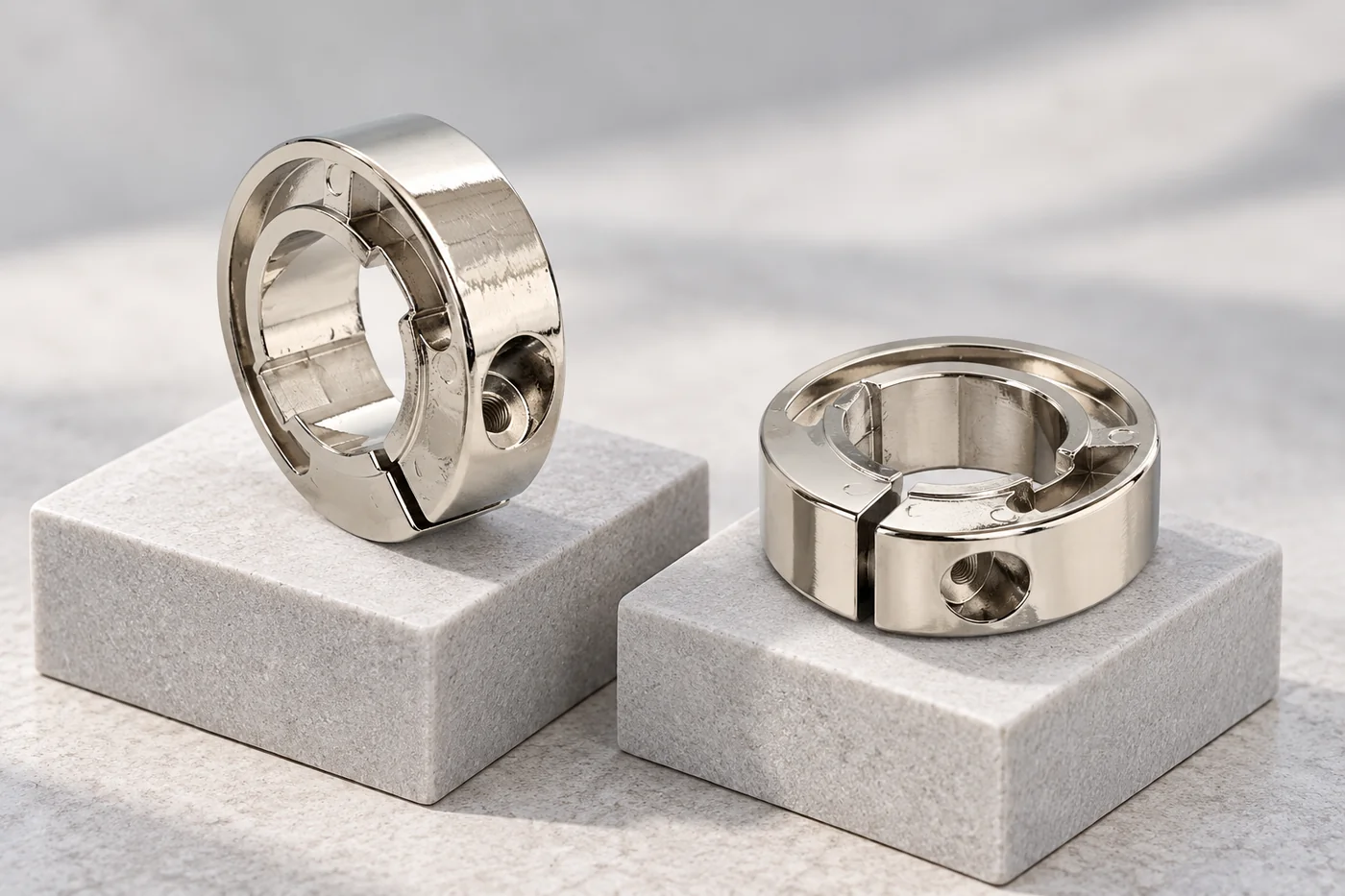
RELIA · PRODUCT AND MANUFACTURING SUPPORT
Define the design and deliverables
Relia's references include SLA resin prototyping and STL-based custom casting enquiries. Relia connects the model's purpose to its material and the downstream metal/finish requirements. Your jewelry team can therefore identify whether the order is for visual approval, a burnout pattern or a metal prototype, instead of assuming that any printable resin is suitable for casting.
| Your requirement | Relia product and service scope |
|---|---|
| Design inputs | STL plus size and critical-detail drawing |
| Prototype route | SLA resin printing |
| Deliverable distinction | Presentation model versus castable burnout pattern |
| Metal release | Specified alloy, finished size, detail and surface treatment |
02 · GEOMETRY
Review fine features before printing
- Important detail
- Mark fine features, openings and critical dimensions.
- Printing review
- Focus the prototype check on what the design must retain.
Identify details, openings and critical dimensions that the design needs to retain. The prototype review can then focus on those features rather than treating every surface as equally important.
Technical notes
Ordinary white, clear or high-strength printing resin is not automatically a castable pattern resin. If the model will enter burnout, select a compatible pattern material, investment and process together. Preserve engraving depth, thin detail and shrinkage-sensitive dimensions through the full route.
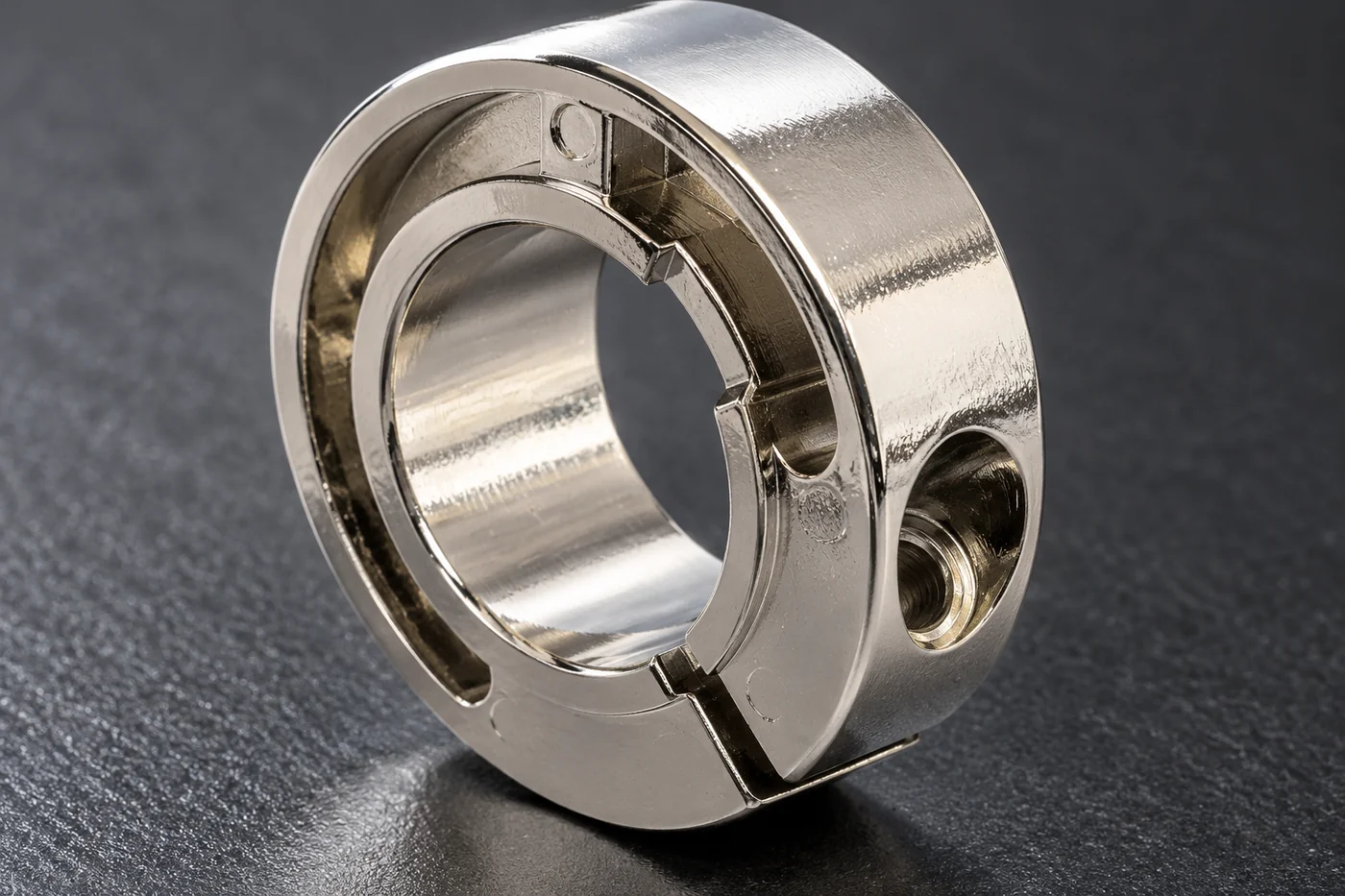
MANUFACTURING ROUTE · FEATURES AND CONTROL
Carry Printed Detail Through Investment and Finishing
For a castable route, the design is prepared for the selected pattern material and printer, then cleaned and post-processed under that material's instructions. Spruing and the compatible investment create the mould; the matched burnout cycle removes the pattern before metal casting. Relia's sample scope then defines sprue removal, polishing, engraving and any plating. These stages can soften edges or change final size, so the acceptance review follows the finished jewelry rather than stopping at the printed model.
- Define the sample purposeVisual model, castable pattern or metal piece
- Print the selected materialDetail, supports and instructed post-processing
- Invest and cast if includedCompatible mould and burnout route
- Approve finished detailSize, relief, polishing and specified plating
04 · HANDOVER
Approve the prototype before metal manufacture
- Approved geometry
- Review the prototype before releasing metal manufacture.
- Recorded changes
- Keep accepted revisions with the intended deliverable.
Check the features and appearance relevant to the design before releasing the next stage. Record accepted changes so the metal work follows the approved geometry and intended supplied condition.
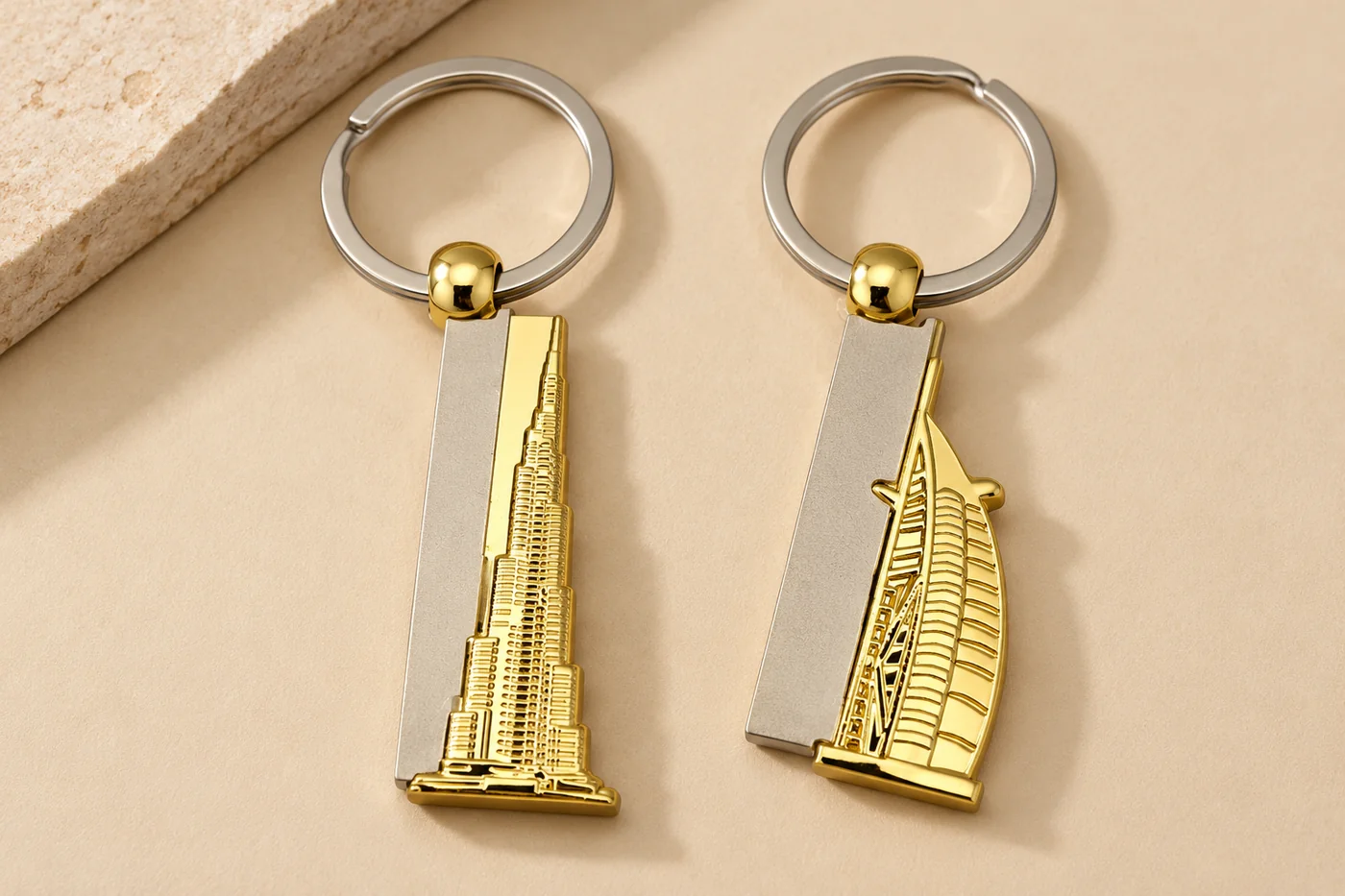
05 · CASTING SCOPE
Define metal and finishing requirements separately
Specify the metal, casting, post-processing and visible finish required. Dimensional and appearance criteria need to apply to the actual delivered piece, not only the earlier prototype.
06 · FINAL REVIEW
Compare the finished piece with the accepted design
- Metal sample
- Compare final size and detail with the accepted design.
- Finishing effect
- Define polishing and plating around edges and relief.
Approve the printed geometry and then the metal sample where casting is included. Our SLA reference lists ±0.1–0.2 mm fields, which require feature-specific review for small jewelry details. Define polishing and plating because they can soften relief, alter edges and affect final size.
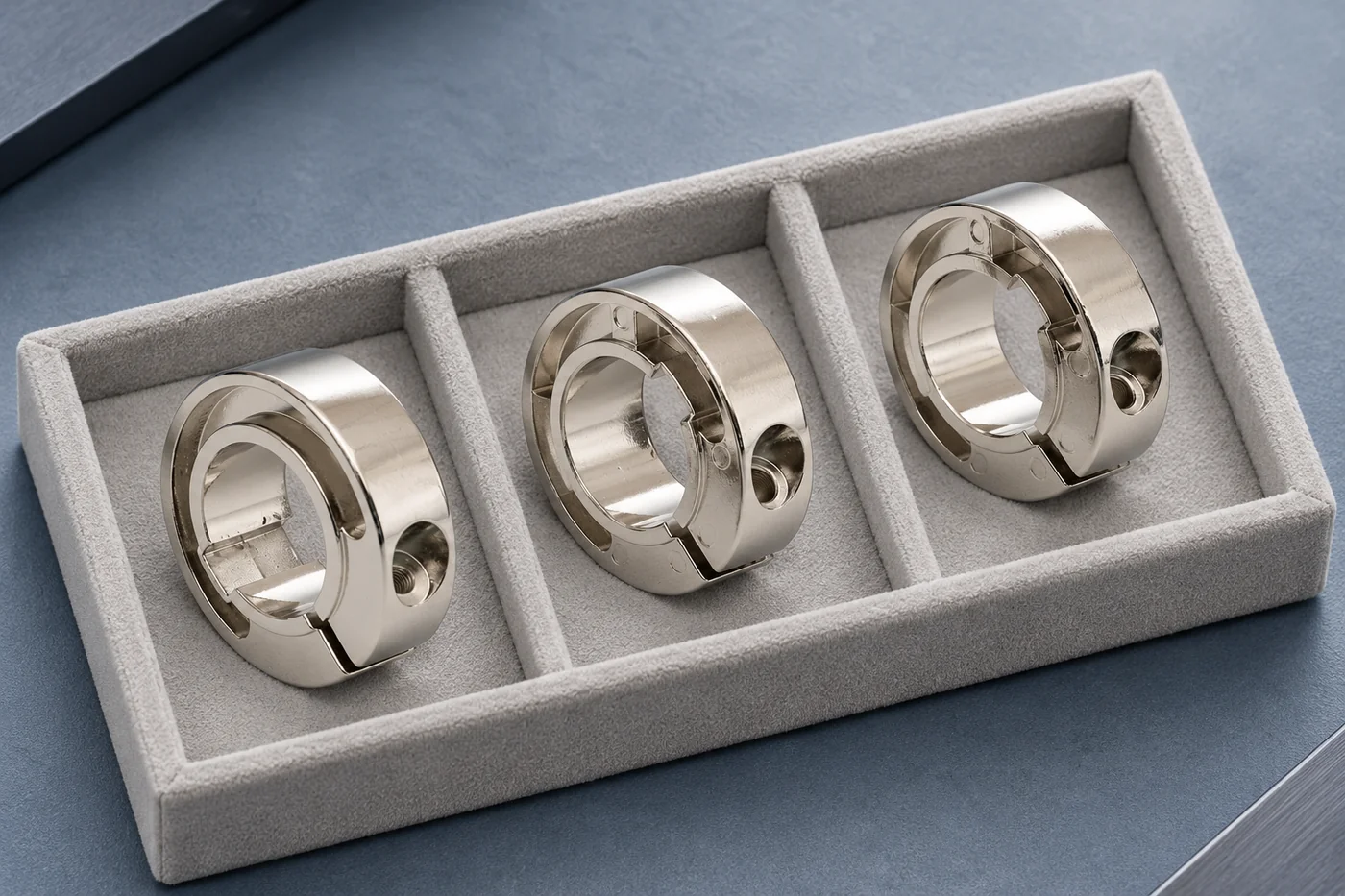
07 · QUOTATION
Keep the design-to-casting package complete
Separate prototype preparation, pattern work, metal parts and finishing. Include the required approval records so both teams understand the work and handovers being quoted.
Technical notes
Provide the ring or jewelry model, size, smallest details and intended final metal. State whether the first model is for appearance, fit or direct investment casting. This determines which dimensions, supports and surface areas need particular attention.
| Stage | Retain |
|---|---|
| Design | Model and authorised use |
| Prototype | Material and approval scope |
| Metal | Finished material, quantity and checks |
CONNECTED BUYING GUIDES
Continue with the next project decision
Follow the related component and purchasing guides, or open the catalogue reference to carry this requirement into a specific project enquiry.
RELIA · YOUR NEXT PROJECT
Share the 3D design and the stages you need
Send the model, dimensions, quantity and intended deliverables. Add resin or metal requirements and the desired finish. We can review the prototype-to-casting scope with clear approval points.
Start with these project details
- 3D file and critical dimensions
- Prototype or metal deliverables
- Resin/alloy and quantities
- Finish and approval requirements
Shuyuan Road, Qingdao, Shandong, China
