
CUSTOM MANUFACTURING · PROJECT REVIEW
Custom Zinc Die-Cast Door-Lock Panels for Hardware Brands
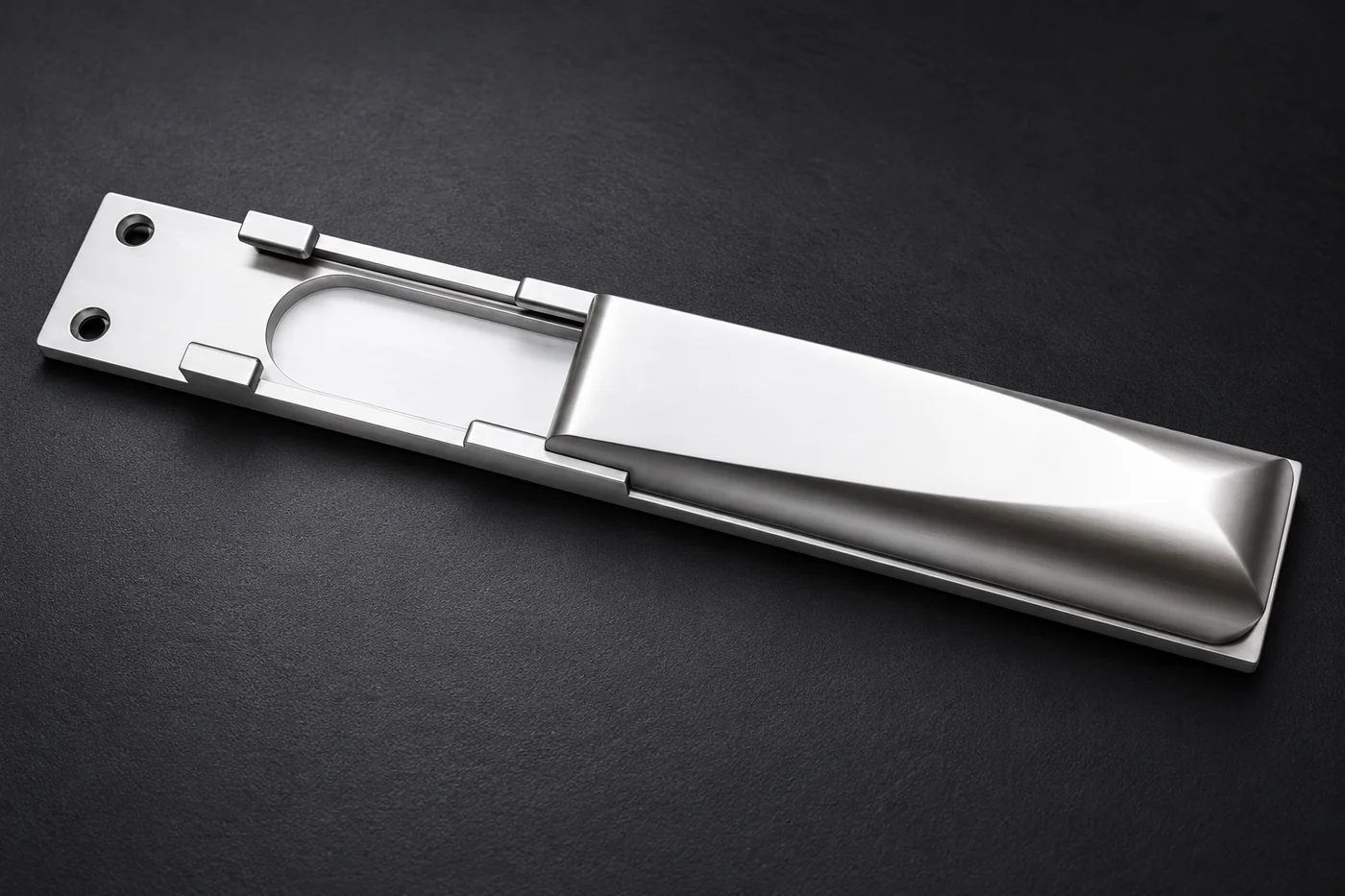
A die-cast lock panel must fit the mechanism and present the right visible finish. Relia reviews the zinc alloy, tooling geometry, CNC details and appearance reference as one defined hardware component.
RELIA · PRODUCT AND MANUFACTURING SUPPORT
Define the visible panel and lock interface
Relia's lock-panel range supports drawing-based die casting, CNC work and finishes such as brushing, blasting, plating or painted coatings. Relia's enquiry identifies the zinc grade, visible zones and mechanism interfaces together. This gives your team a clear basis for approving both the appearance sample and the holes or locating features behind it.
| Your requirement | Relia product and service scope |
|---|---|
| Supply scope | Custom die-cast panel, CNC details and decorative finish |
| Critical interfaces | Spindle opening, fixings and lock-mechanism envelope |
| Appearance definition | Visible zones, colour, texture and agreed sample |
| Alloy decision | Specify zinc grade; resolve mixed catalogue labels |
02 · DIE CASTING
Review alloy and tooling geometry together
- Selected zinc alloy
- State the grade and required supplied condition.
- Tooling geometry
- Review walls, transitions and visible zones together.
Specify the selected zinc alloy and supplied condition. We review walls, transitions and visible surfaces against the tooling proposal and finished-design requirements.
Technical notes
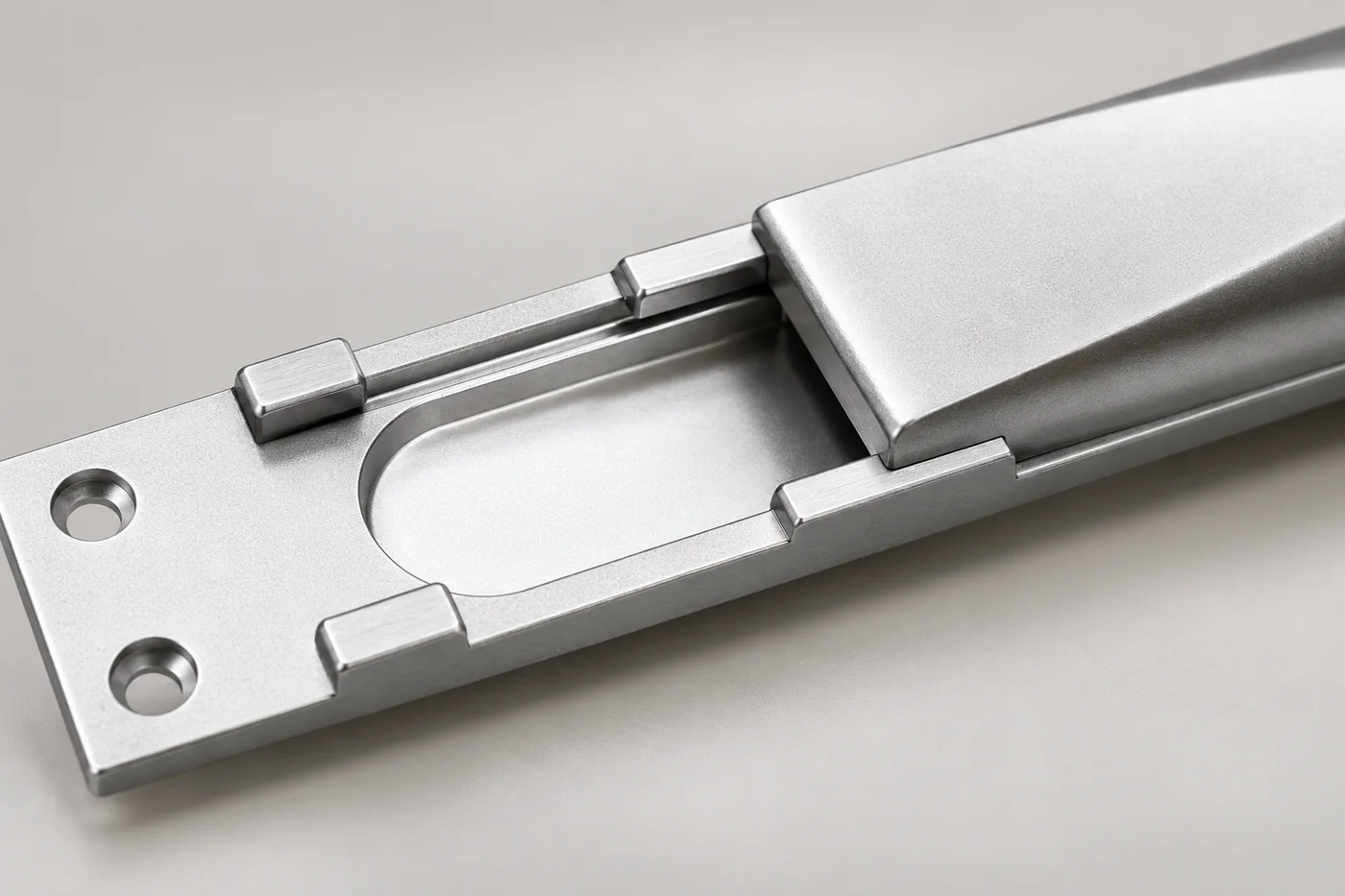
Select the zinc alloy explicitly instead of relying on the listing's mixed metal labels. Zamak 3 and Zamak 5 have different property trade-offs. Review wall transitions, bosses and plating allowance; a decorative surface can reveal casting or polishing defects that were not obvious in the raw part.
MANUFACTURING ROUTE · FEATURES AND CONTROL
Plan Die-Cast Surfaces for the Final Decorative Finish
The zinc die forms the panel and bosses with a defined filling, venting and ejection arrangement. Trimming and preparation remove gates or flash before the relevant machining and decorative operations. Relia's finish review considers polishing access, plating/coating allowance and the surfaces visible after installation. Spindle and fixing features remain drawing-controlled because a satisfactory decorative finish can still leave the lock mechanism misaligned. The approved sample defines colour, texture and visible-surface acceptance for the selected finish system.
- Define panel and alloyMechanism envelope, visible zones and zinc grade
- Die cast and prepareFilling, trimming and surface preparation
- Machine and decorateSpindle/fixings and specified plating or coating
- Approve both functionsMechanism fit and appearance reference
04 · APPEARANCE
Approve colour and texture from a reference
- Appearance reference
- Provide the approved colour, texture or physical sample.
- Acceptance zones
- Define visible surfaces and permitted finish variation.
Share the finish standard or physical sample used for approval. Define visible-surface acceptance and any areas needing different treatment, with permitted variation agreed for the project.
05 · ASSEMBLY
Check fit after surface treatment
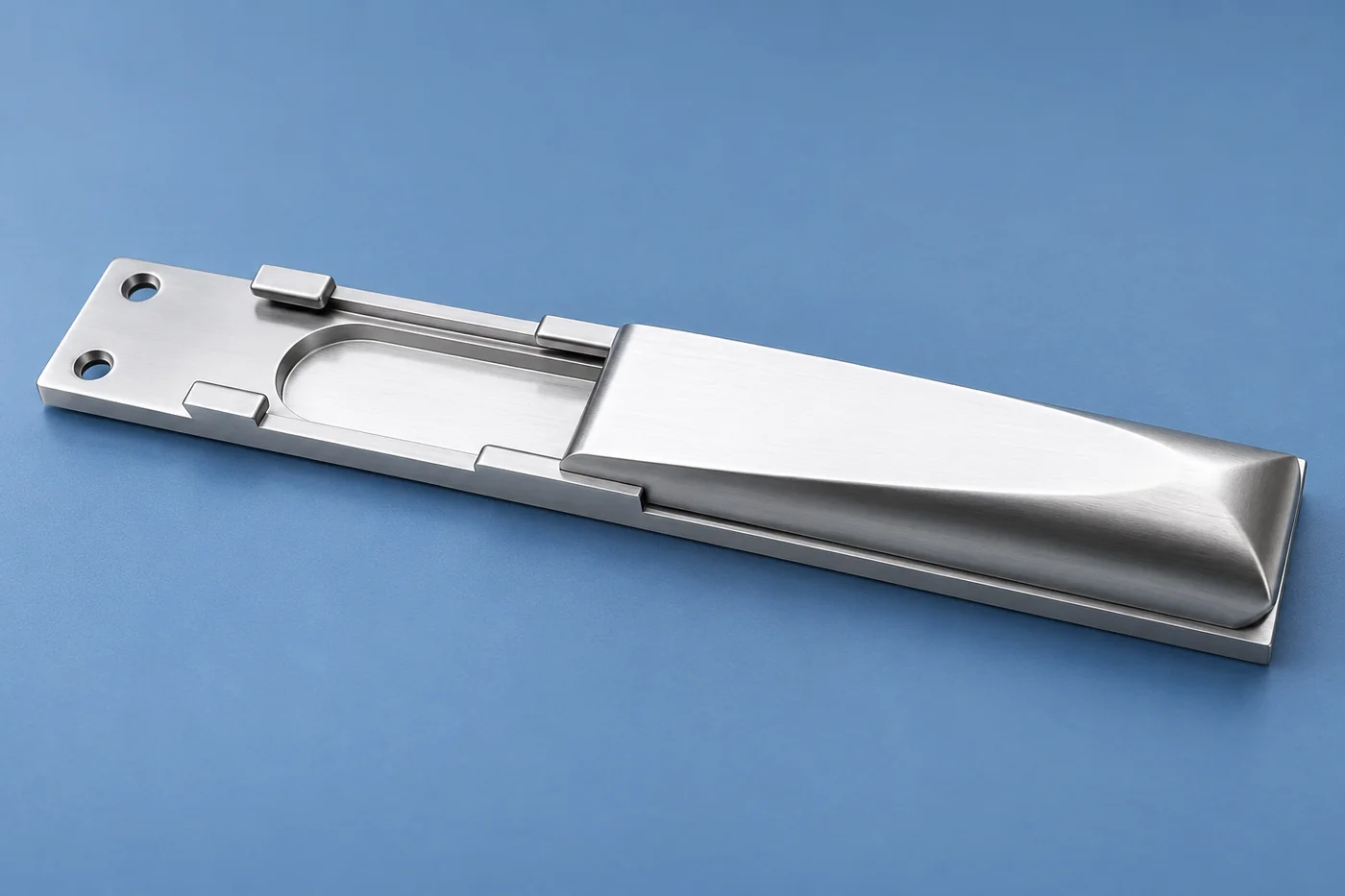
Approve colour, texture and visible-defect limits against a physical reference where practical. Inspect holes and locating features after the operations that affect them. The general standard field in the source listing is not used as a casting dimensional specification or a complete door-lock certification.
06 · REORDERS
Keep brand variants and protection organised
- Brand variant
- Keep authorised patterns, finishes and marks identifiable.
- Protected delivery
- Agree surface protection and receiving identification.
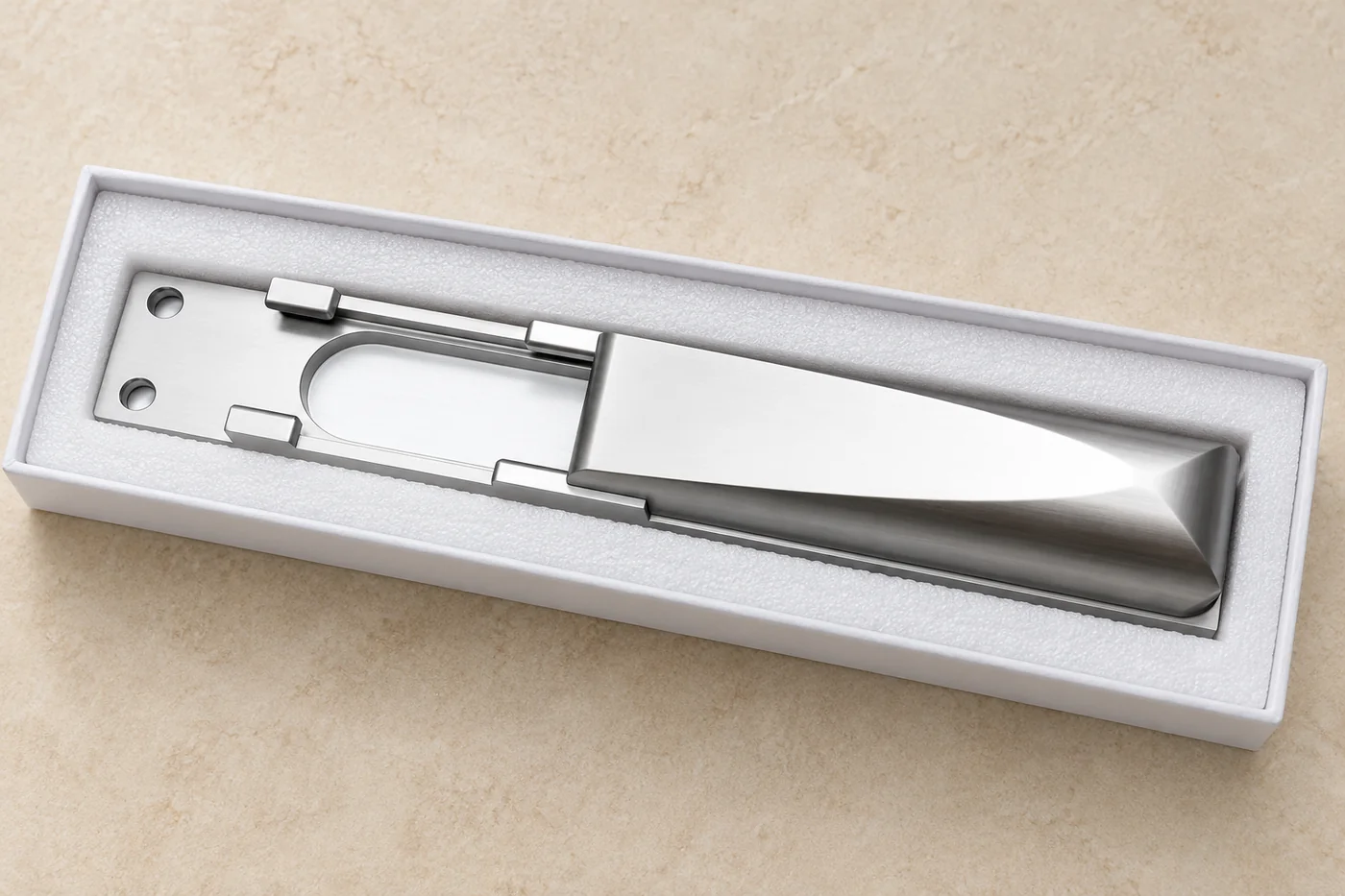
Different patterns, finishes or customer-authorised marks need their own records. Discuss protection for the visible surfaces and identify the accepted variant clearly for receiving.
07 · QUOTATION
Retain a complete OEM panel definition
Keep the drawing, selected alloy, finish reference and required checks together. Clarify tooling and permitted design use before the manufacturing scope is agreed.
Technical notes
Provide the lock mechanism, spindle opening, mounting centres and door-thickness range. Mark visible faces and areas hidden after assembly. Decorative requirements and mechanical locating requirements belong on the same approved design so finishing does not compromise fit.
| Package | Retain |
|---|---|
| Design | Current drawing and authorised variant |
| Manufacture | Tooling, machining and finish |
| Approval | Appearance and functional acceptance |
RELIA · YOUR NEXT PROJECT
Send the panel design and mating-lock requirements
Share the model, functional openings, selected zinc alloy and quantities. Add the decorative reference and required fit checks. We can review the tooling and finished-panel scope with your team.
Start with these project details
- Panel model and functional openings
- Zinc grade and quantities
- Decorative finish reference
- Mechanism-fit and appearance checks
Shuyuan Road, Qingdao, Shandong, China
