
CUSTOM MANUFACTURING · PROJECT REVIEW
Custom Machinery Spares from an Existing Sample
Relia reviews machinery-spare enquiries from drawings or an existing sample. The starting task is to recover the intended geometry and material, then define the fits and checks needed to approve a usable replacement.
RELIA · PRODUCT AND MANUFACTURING SUPPORT
Show the part in its working context
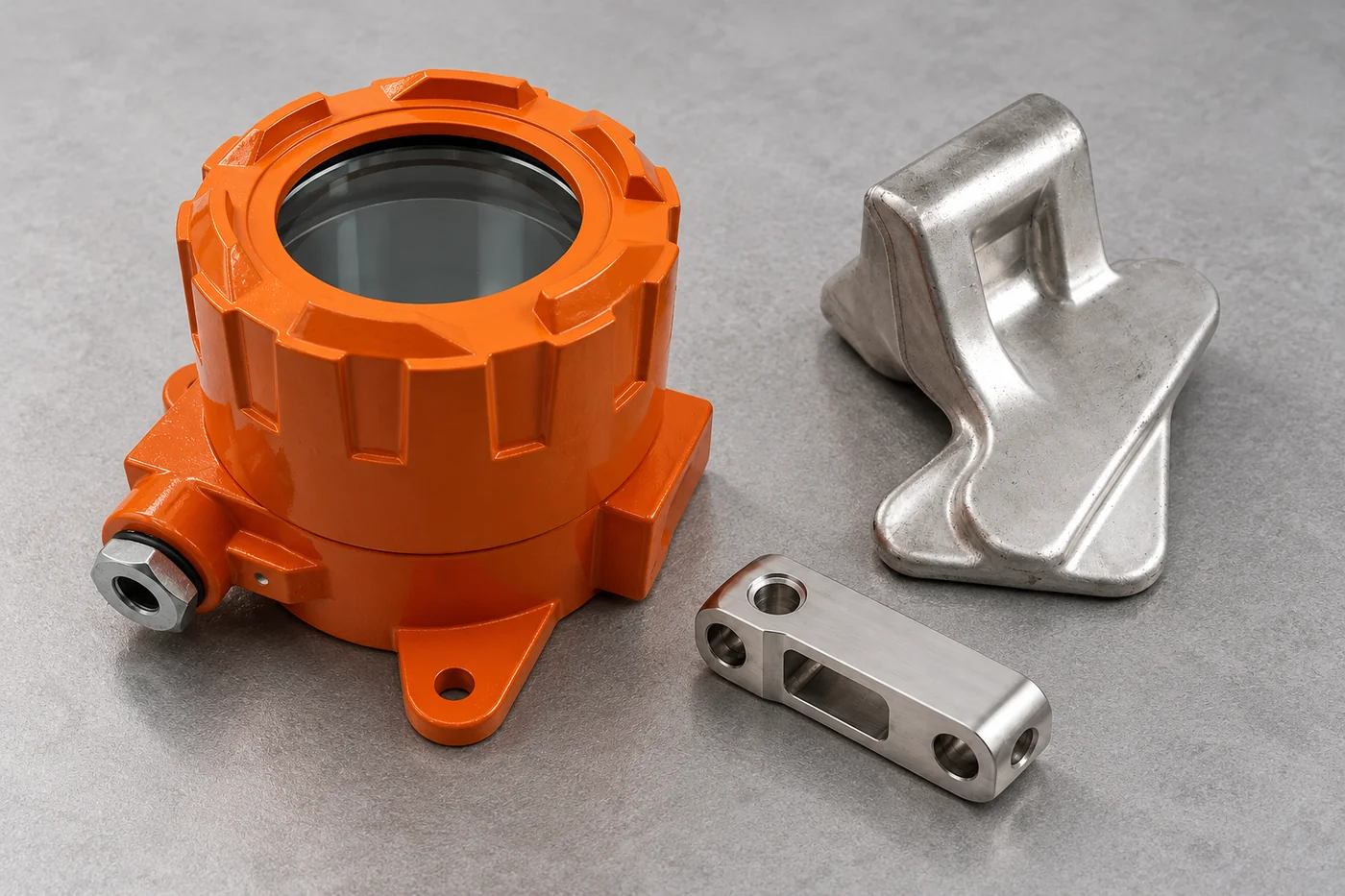
Relia's machining references accept physical samples alongside STEP, DWG, DXF and PDF information. The range includes custom enclosures, pivot adapters and precision links. Relia's replacement enquiry focuses on the features that make the spare usable: mounting locations, shaft or pin fits, clearances and the material condition required by the machine.
| Your requirement | Relia product and service scope |
|---|---|
| Accepted starting points | 2D/3D drawings or a physical sample |
| Machining routes | Milling, turning, drilling and wire EDM where appropriate |
| Sample risk | Wear and repair can obscure original dimensions |
| Release basis | Approved replacement drawing plus fit review |
02 · SAMPLE CONDITION
Separate original geometry from wear
- Observed condition
- Mark worn holes, repairs and damaged edges.
- Intended geometry
- Use reliable mating data to define the replacement.
Worn holes, damaged edges and repaired surfaces may no longer represent the intended design. Mark them before a quotation is based on the sample. Where original tolerances or hidden features are unknown, we discuss the additional information needed rather than treating every measured dimension as a finished requirement.
Technical notes
Use the original sample for shape and interface evidence, then approve a drawing for manufacture. Material identification, hardness and the service environment help distinguish stainless, carbon steel or a copper alloy that may look similar. Reproducing appearance alone can leave the replacement with the wrong wear or corrosion behaviour.
MANUFACTURING ROUTE · FEATURES AND CONTROL
Recover the Working Geometry Before Manufacture
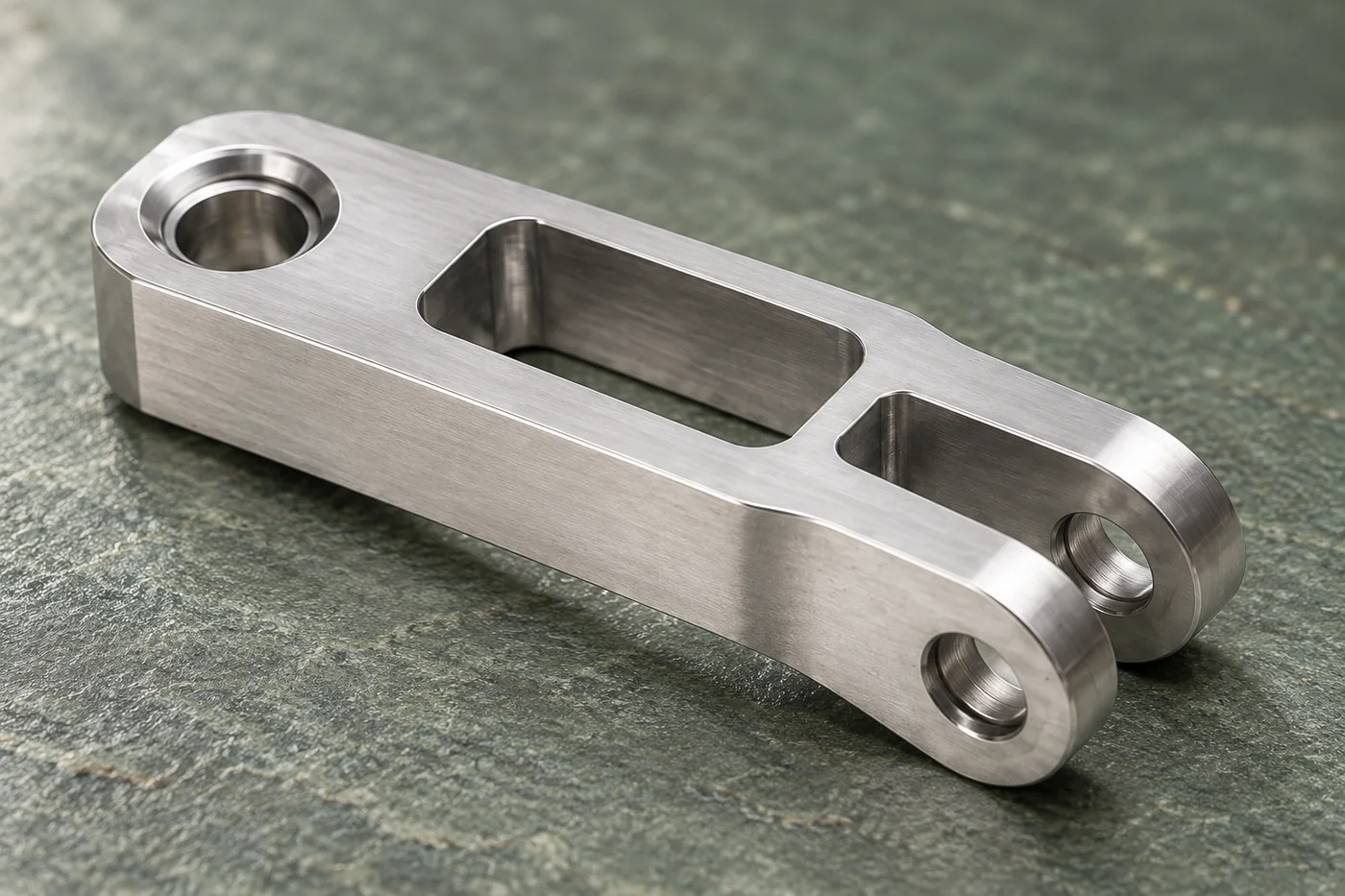
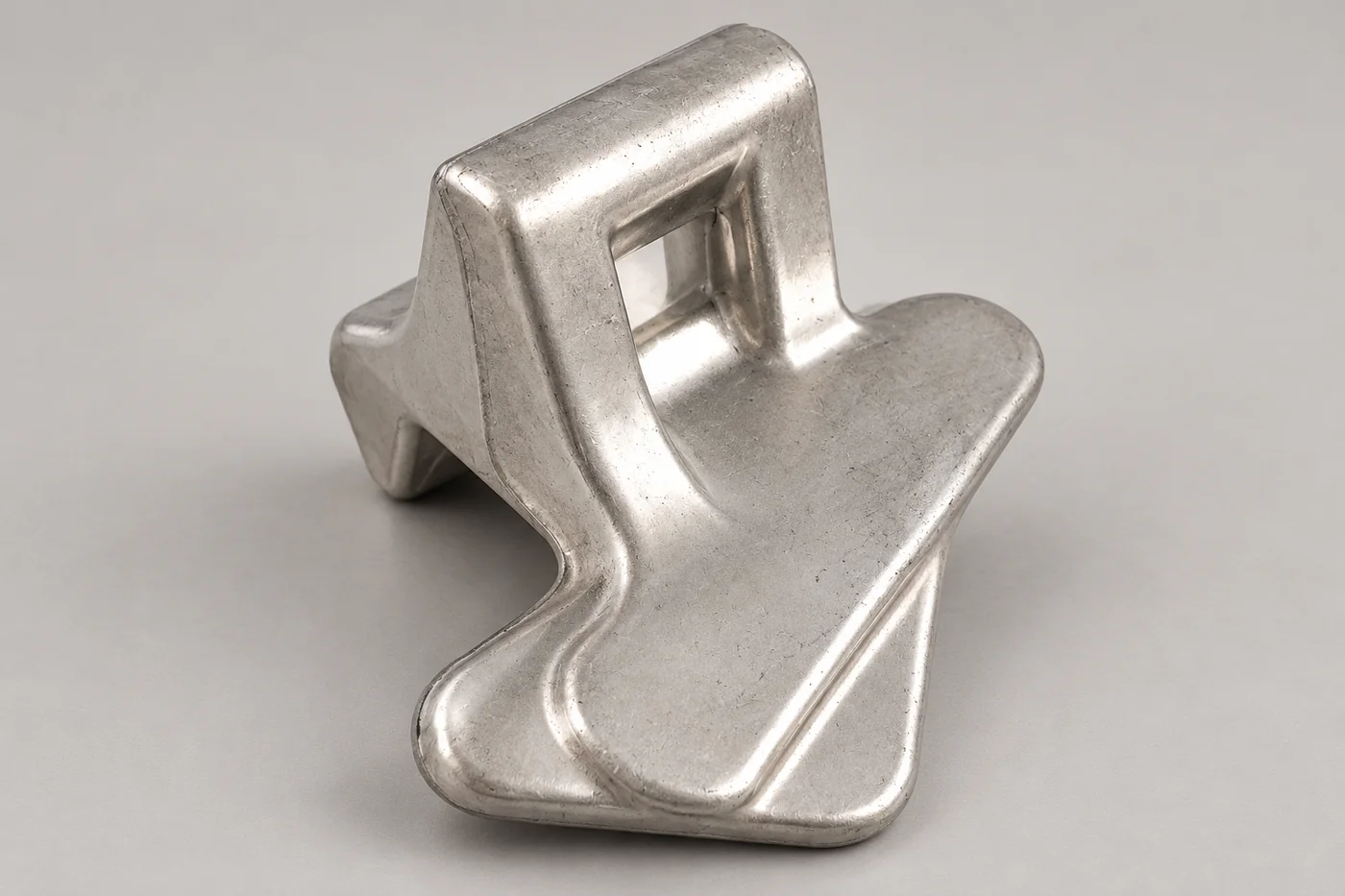
A worn bore is evidence of use, not necessarily the original bore size. The replacement route begins by comparing the sample with available mating parts and identifying undamaged datums. The approved drawing then defines the required material and finished interfaces. Relia can review machining from solid or a cast-and-machined route for the resulting geometry and quantity. A first replacement is assessed in the intended assembly before its drawing becomes the reference for repeat pieces.
- Examine the sampleMark wear, repairs and uncertain surfaces
- Recover interfacesMating parts, datum faces and working clearances
- Select manufactureMachined or cast-and-machined replacement
- Validate the first partMeasured drawing and relevant trial fit
04 · MATERIAL AND ROUTE
Review material against the replacement duty
- Original material
- Share specifications or dependable material records.
- Replacement duty
- Approve any alternative against the intended service.
Appearance alone does not establish the alloy or material condition of an old component. Share the original specification or any reliable material record you have. A proposed alternative needs your approval against the intended duty. The casting and machining route is then reviewed against that agreed requirement.
05 · FIRST-PART REVIEW
Check the replacement before normal use
Prioritize mounting centres, shaft fits, sealing faces and moving clearances. Our enclosure machining reference lists ±0.01–0.05 mm fields, but the replacement drawing must assign limits to actual features. Trial-fit the sample before ordering a larger quantity of an otherwise plausible-looking spare.
| Review stage | Decision supported |
|---|---|
| Dimensions | The part matches the controlled drawing |
| Trial fit | Mating features work in the intended assembly |
| Function | The defined application checks are accepted |
06 · FUTURE ORDERS
Retain a reference for repeat purchases
- Accepted reference
- Retain the released drawing and sample results.
- Repeat purchase
- Order against the identified part and revision.
Once a replacement is accepted, keep the approved drawing, material requirement and relevant sample records together. Future orders can then refer to an identified revision instead of starting again from a worn spare. Clarify design permissions and any ownership conditions before technical files or samples are transferred.
07 · PLANNING
Keep urgency separate from missing information
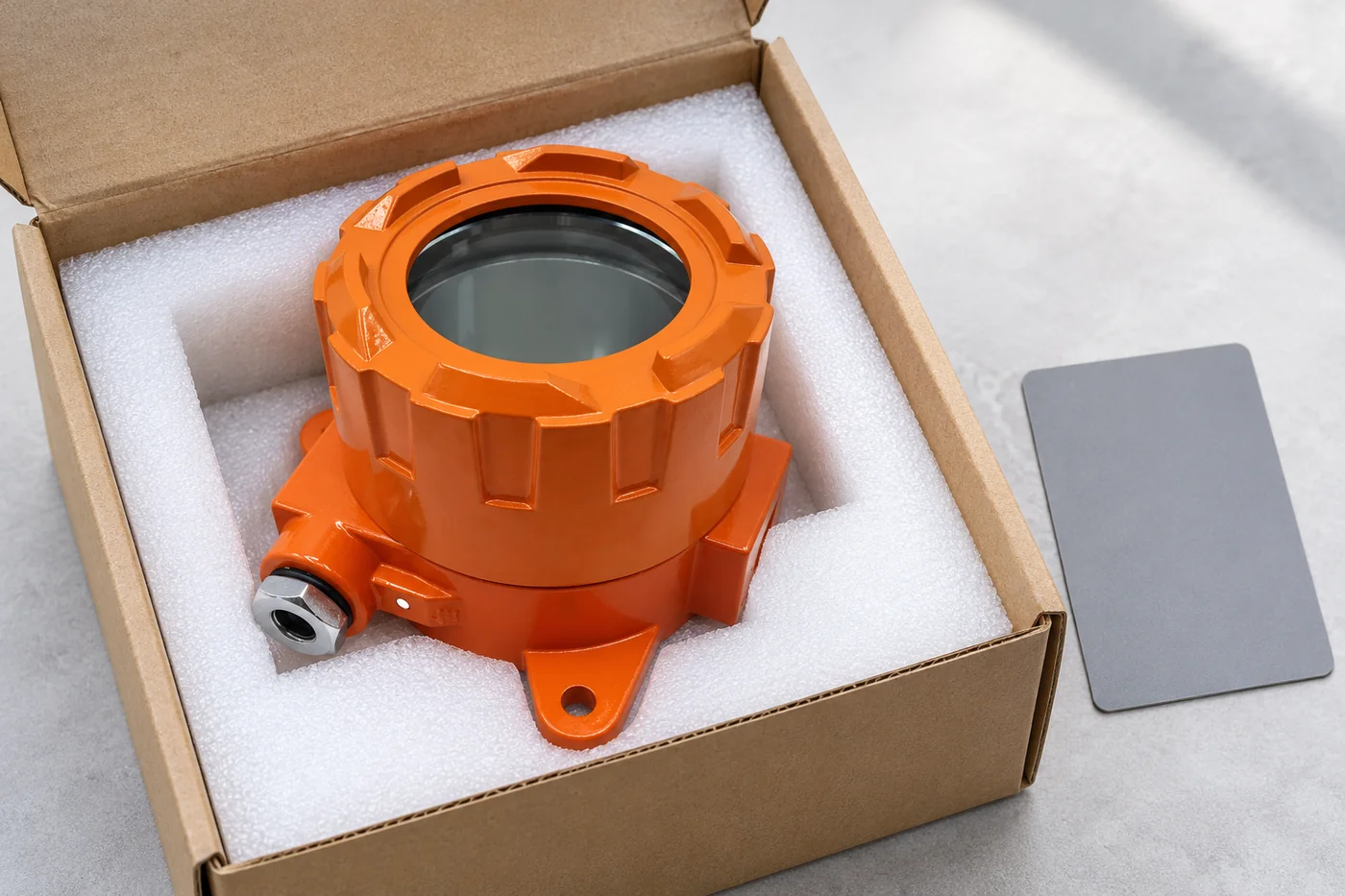
Tell us the required date and the operational impact of the missing spare, while making the unresolved technical items visible. A useful review identifies what can be assessed immediately and what must be clarified first. Timing and commercial terms can then be discussed against a defined manufacturing scope.
Technical notes
Measure the sample together with the mating assembly where possible. A worn pivot bore can suggest clearance that was never designed; a broken face can hide the original datum. Mark wear, repairs and uncertain dimensions before we turn measurements into a manufacturing drawing.
| Enquiry input | Useful detail |
|---|---|
| Required date | Destination and intended need date |
| Unknown geometry | Worn, hidden or missing features |
| Manufacturing scope | Quantity, material and finished condition |
| Approval | People and checks needed for release |
CONNECTED BUYING GUIDES
Continue with the next project decision
Follow the related component and purchasing guides, or open the catalogue reference to carry this requirement into a specific project enquiry.
RELIA · YOUR NEXT PROJECT
Begin with photos and the assembly requirements
Send clear views of the sample, its mounting interfaces and the information you already have. Include quantity, material records and the required replacement duty. We can review the available starting point and agree the next technical steps before you arrange any physical sample transfer.
Start with these project details
- Sample photographs or drawing
- Mating interfaces and wear
- Material records and quantity
- Replacement duty and fit checks
Shuyuan Road, Qingdao, Shandong, China
