
CUSTOM MANUFACTURING · PROJECT REVIEW
Rubber-Like Functional Prototypes by Vacuum Casting
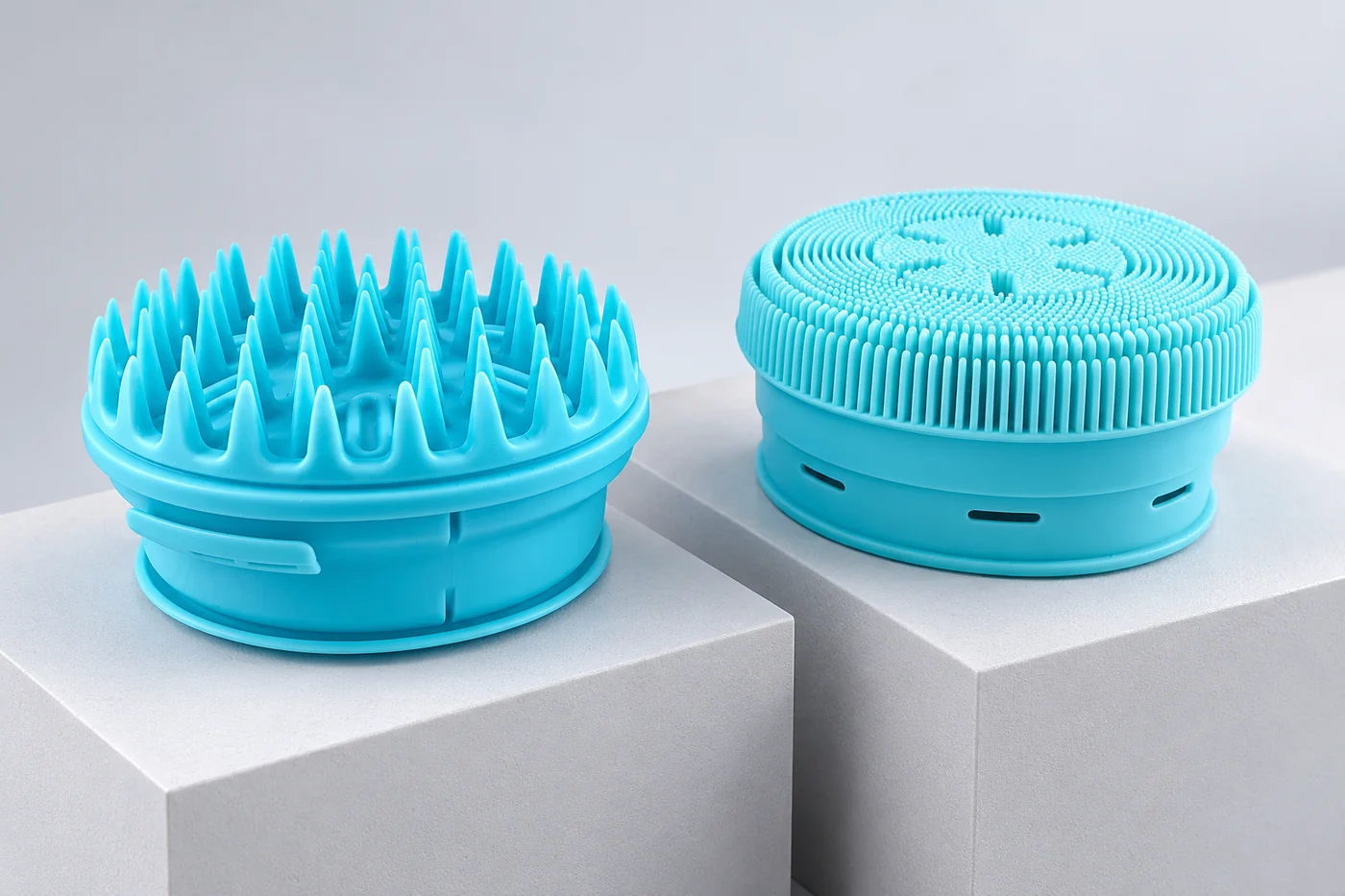
A rubber-like prototype needs the right deformation and fit for its intended trial. Relia reviews silicone-mould vacuum casting around the selected material, contact features and test conditions, keeping prototype results tied to that actual configuration.
RELIA · PRODUCT AND MANUFACTURING SUPPORT
Describe the flexible function
Relia's flexible-prototype references include silicone-mould vacuum casting, one-piece enquiries and drawing-based geometry. Relia connects the material choice to compression, bending, grip or handling requirements. That lets your team test a defined flexible behaviour while keeping the prototype resin's identity and limits separate from the final production elastomer.
| Your requirement | Relia product and service scope |
|---|---|
| Process | Silicone moulding and vacuum casting |
| Material basis | Selected PU/rubber-like grade and hardness |
| Files | IGES/STEP with critical interfaces identified |
| Trial focus | Deflection, fit, demoulding-sensitive details and intended handling |
02 · RESIN
Set material targets with their test conditions
- Material target
- Define hardness or other properties with assessment conditions.
- Selected grade
- Review the resin data against the intended behaviour.
Share the properties your design needs and the method used to assess them. We review the selected resin data against those targets rather than treating every rubber-like option as equivalent.
Technical notes
Specify the required hardness and a representative trial feature. Review thin sections, undercuts and demoulding with the geometry. Rubber-like or silicone-mould wording describes the prototype route; it does not establish the final elastomer chemistry, fluid resistance or compression-set performance.
MANUFACTURING ROUTE · FEATURES AND CONTROL
Cast Flexible Detail Without Damaging It at Removal
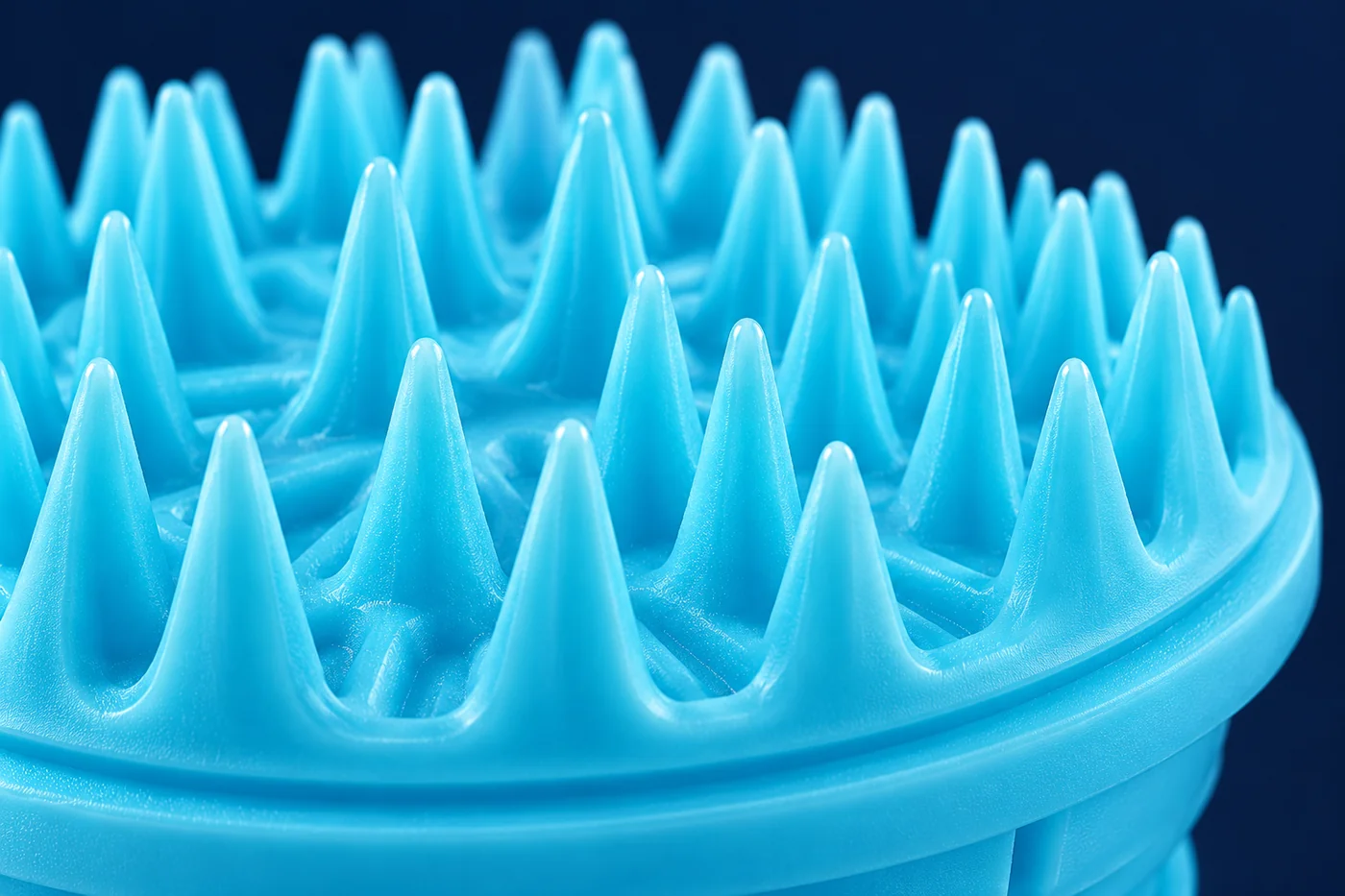
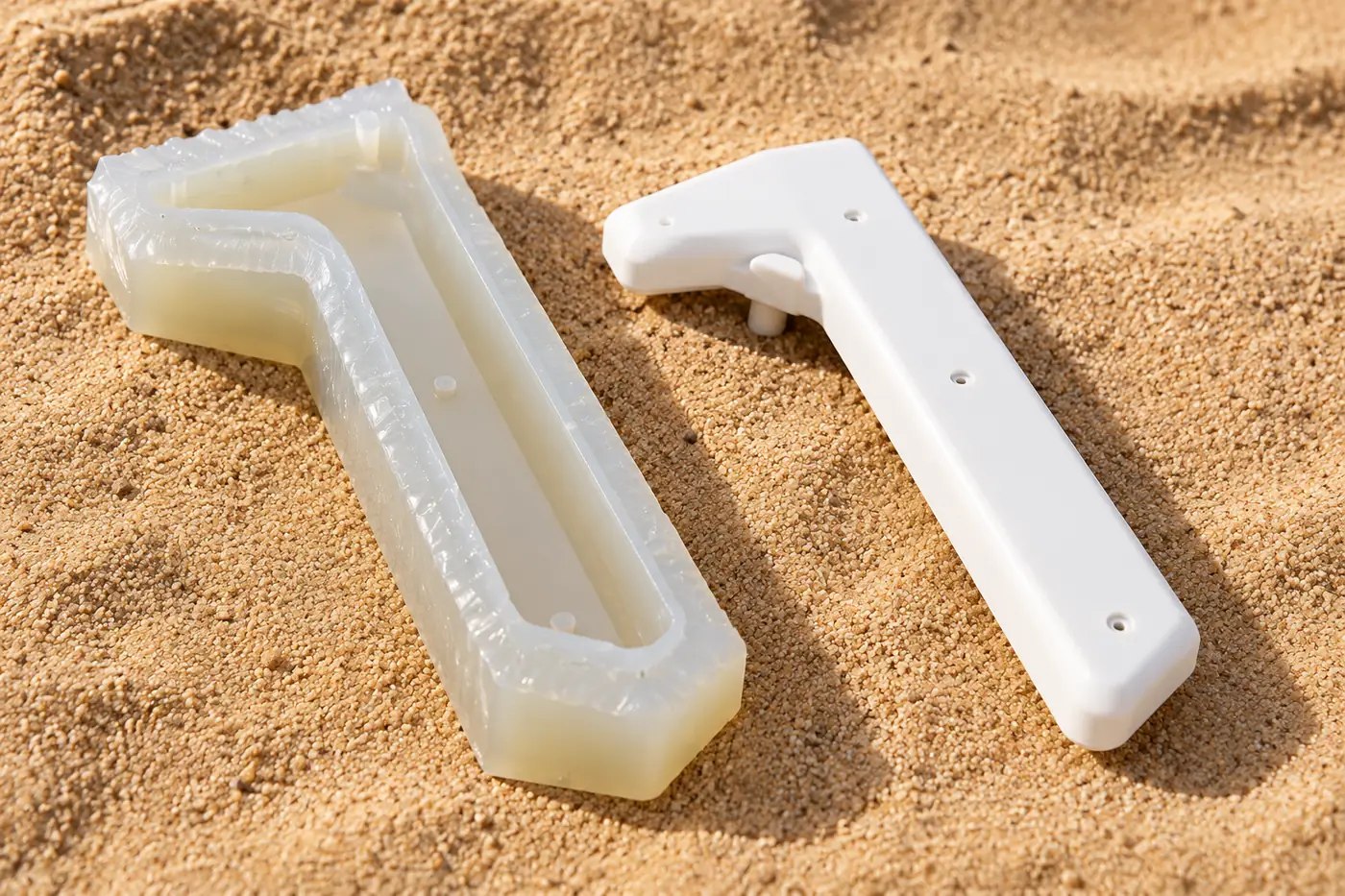
The master and silicone mould need a parting arrangement that releases undercuts and thin flexible sections without unnecessary damage. Relia's prototype scope selects a cast resin and hardness for the trial, then uses its preparation and cure instructions. Gate removal and finishing must preserve the flexible features being evaluated. The assembled sample can then be checked for deflection, grip or compression under stated conditions. A useful result identifies the actual material, geometry and test, so it can inform the next design revision.
- Define the flexible taskCompression, bending, grip or contact
- Prepare master and mouldUndercuts, thin detail and release path
- Cast the selected gradeMaterial preparation, cure and careful finishing
- Assess the behaviourFit and deformation in the intended assembly
04 · FINISH
Keep surfaces and mating features explicit
- Trial interfaces
- Specify contact areas and mating dimensions.
- Supplied surface
- Agree the visible finish needed for the test.
Specify the contact areas, visible finish and interface dimensions needed for the trial. The supplied condition should support the intended prototype task without adding an unrequested treatment.
05 · CHECKS
Validate against the intended use
Agree the dimensional and functional review for the prototype. Recovery, flexibility or other behaviour should be assessed under the defined trial conditions, with the selected resin identified.
06 · ITERATION
Record material and geometry changes together
- Actual assembly
- Compare fit, feel and deformation in use.
- Controlled iteration
- Record material and geometry changes together.
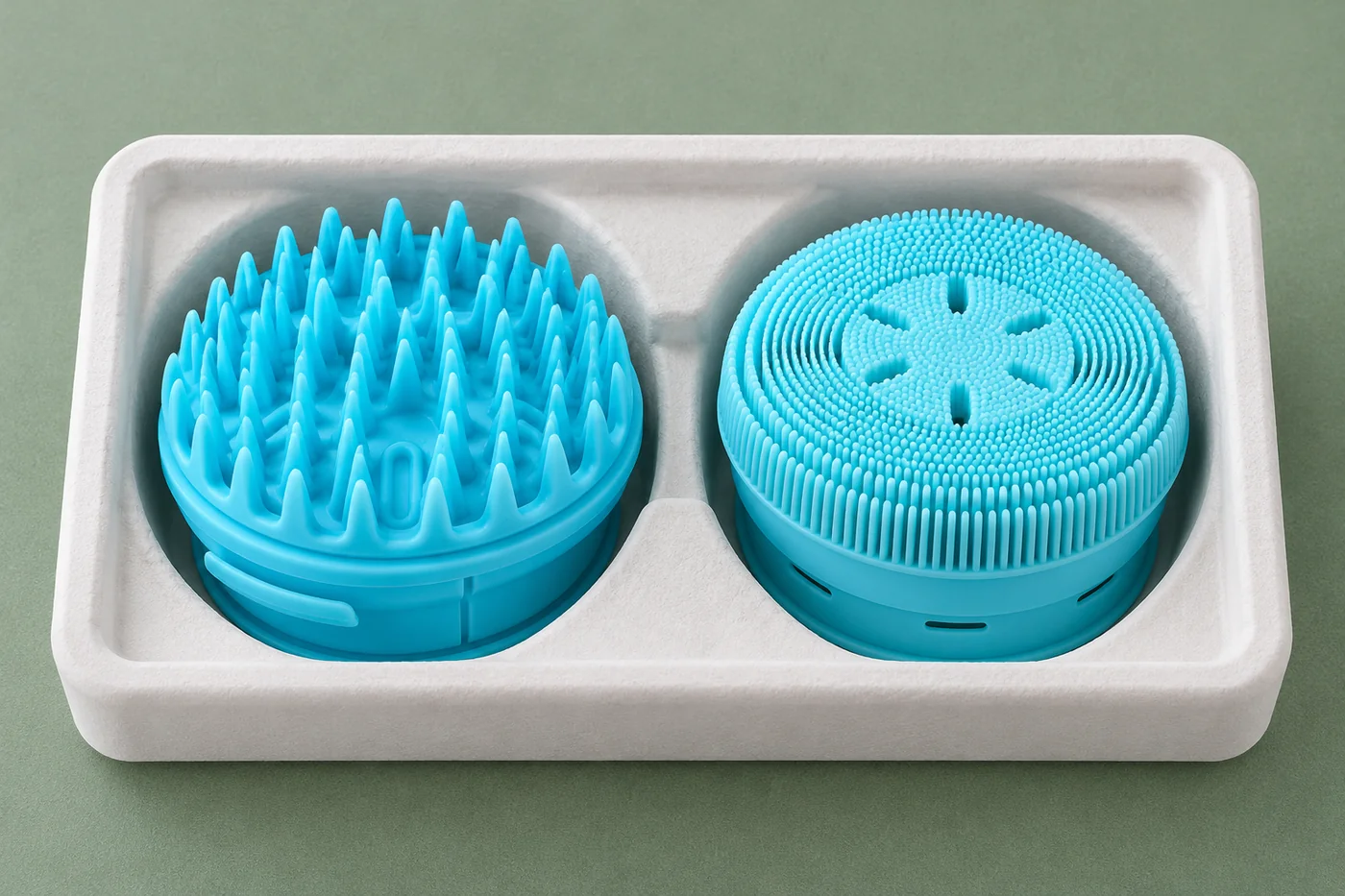
Compare fit, feel and deformation on the actual assembly. If sealing is being assessed, define test conditions and recognize the prototype material's limits. Keep material identity and the accepted sample with later revisions so appearance changes do not hide a change in flexibility.
07 · DEVELOPMENT
Keep the next manufacturing decision separate
The prototype informs the design, while the later production route needs its own material and process definition. Keep the evidence useful by recording the limits of the trial being approved.
Technical notes
Identify the compression, flexing or grip function and the mating surfaces. Include the intended deflection, repeated motion and exposure conditions. A soft cover, seal-like prototype and flexible clip may require different hardness and tear behaviour even at the same outside dimensions.
| Stage | Retain |
|---|---|
| Prototype | Resin, geometry and trial purpose |
| Changes | Affected features and recheck |
| Next route | Production requirement to review |
CONNECTED BUYING GUIDES
Continue with the next project decision
Follow the related component and purchasing guides, or open the catalogue reference to carry this requirement into a specific project enquiry.
RELIA · YOUR NEXT PROJECT
Share the flexible function and prototype geometry
Send the model, mating information, material targets and quantities. Add the test conditions and finish requirements. We can review a rubber-like prototype scope around the trial your design needs.
Start with these project details
- Model and mating information
- Material targets and quantities
- Trial conditions and function
- Contact surfaces and finish
Shuyuan Road, Qingdao, Shandong, China
