
APPLICATION GUIDES · 40 COMPONENT TOPICS
Custom Cast Components for Defined Industrial Applications
Find the component guide that matches the part you need to purchase. Relia connects pump, housing, machinery, hardware and artwork enquiries to actual product references, with material, manufacturing and approval details organised around the relevant application.
RELIA · BUSINESS AND TECHNICAL SUPPORT
Connect fluid-system parts to the assembly
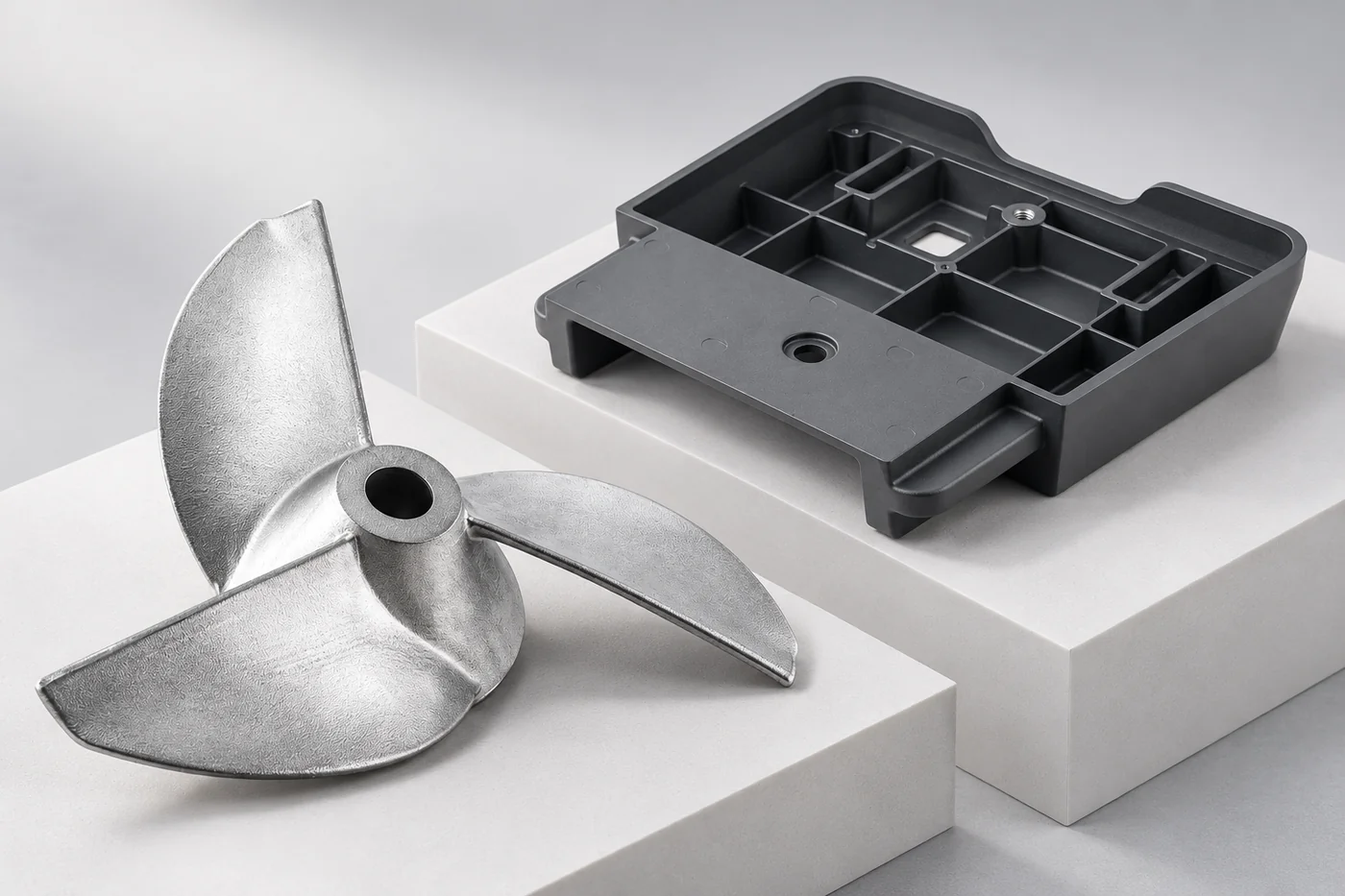
Relia’s fluid-component range includes CF8-series impellers and valve bodies, stainless housings, 304 BSPT unions and actuator brackets. Relia connects each component to its actual job: blade/shaft geometry, pressure-boundary interfaces, threaded sealing or actuator alignment. The related guides explain the lost-wax and machining work that creates those features, and separate the manufactured component from the complete pump, valve or pipeline system.
HOUSINGS & THERMAL PARTS
Define housings through their working interfaces
- Working interface
- Identify bearings, seals, mounting or thermal contact.
- Matching guide
- Review the specific housing and material route.
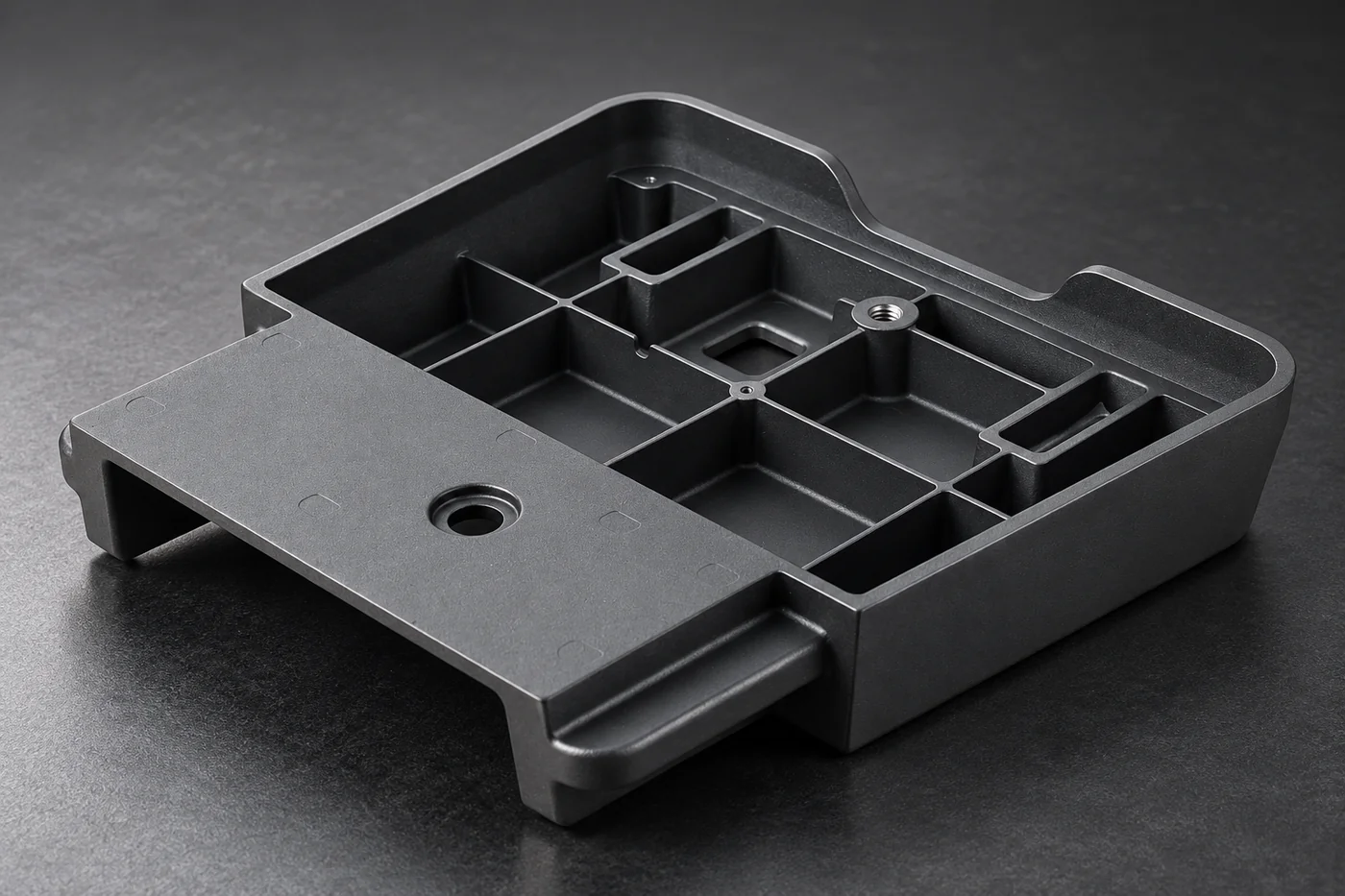
Choose the guide that matches the controlled interfaces. Aluminium enclosure references include ADC12/A380/A383; motor housings and end covers need bearing and mounting relationships; gearbox enquiries can compare gray iron with aluminium. The heat-sink reference identifies 6063 and requires its own route and thermal review. An enclosure outline cannot establish bearing fit, ingress protection or cooling performance.
Technical notes
Relia’s housing routes distinguish the cast body from machined bearing, connector and sealing features. Pressure die casting, sand casting and machining from solid have different tooling and quantity implications. The thermal guide adds contact-base and airflow considerations; the complete assembly defines any ingress-protection or cooling-performance test.
MACHINERY & AUTOMATION
Review machinery parts around the load and fit
Automation links, machine bases, roller sleeves and worm sets solve different problems. Links need pivot spacing and clearances; a machine bed needs stable mounting datums; a replacement sleeve needs the mating hub and wear-duty brief. A worm pair additionally needs ratio, starts, lead angle, hand and centre distance. Follow the specific guide instead of using a general precision-parts request.
Technical notes
Relia’s machinery guides connect process to function: CNC and selected precision operations for motion links, mould/core and pad machining for machine bases, and a paired geometry/treatment review for worm drives. Replacement sleeves also need the original hub and wear-duty information before their material and finished fit can be assessed.
COPPER-ALLOY COMPONENTS
Keep copper-alloy grade and mating requirements together
The bronze sleeve reference specifies ZCuSn6Zn6Pb3, oil lubrication and centrifugal casting, while the slider and pipe-component ranges need a drawing-defined alloy. These are different duties and material decisions. Use the bushing guide for shaft/housing fit, the slider guide for guide clearance and the pipe guide for threads and sealing.
Technical notes
Relia’s bronze sleeve reference uses centrifugal casting followed by finished ID/OD work. Slider, ring and pipe components need their own alloy and machining scope. These routes keep the shaft, guide, gear or sealing relationship visible instead of treating all yellow-metal components as equivalent.
TRANSPORT & AGRICULTURE
Organize transport and agricultural component enquiries
- Assembly requirement
- Define the pivot, seal or hot-joint relationship.
- Project approval
- Keep material and checks specific to the actual component.
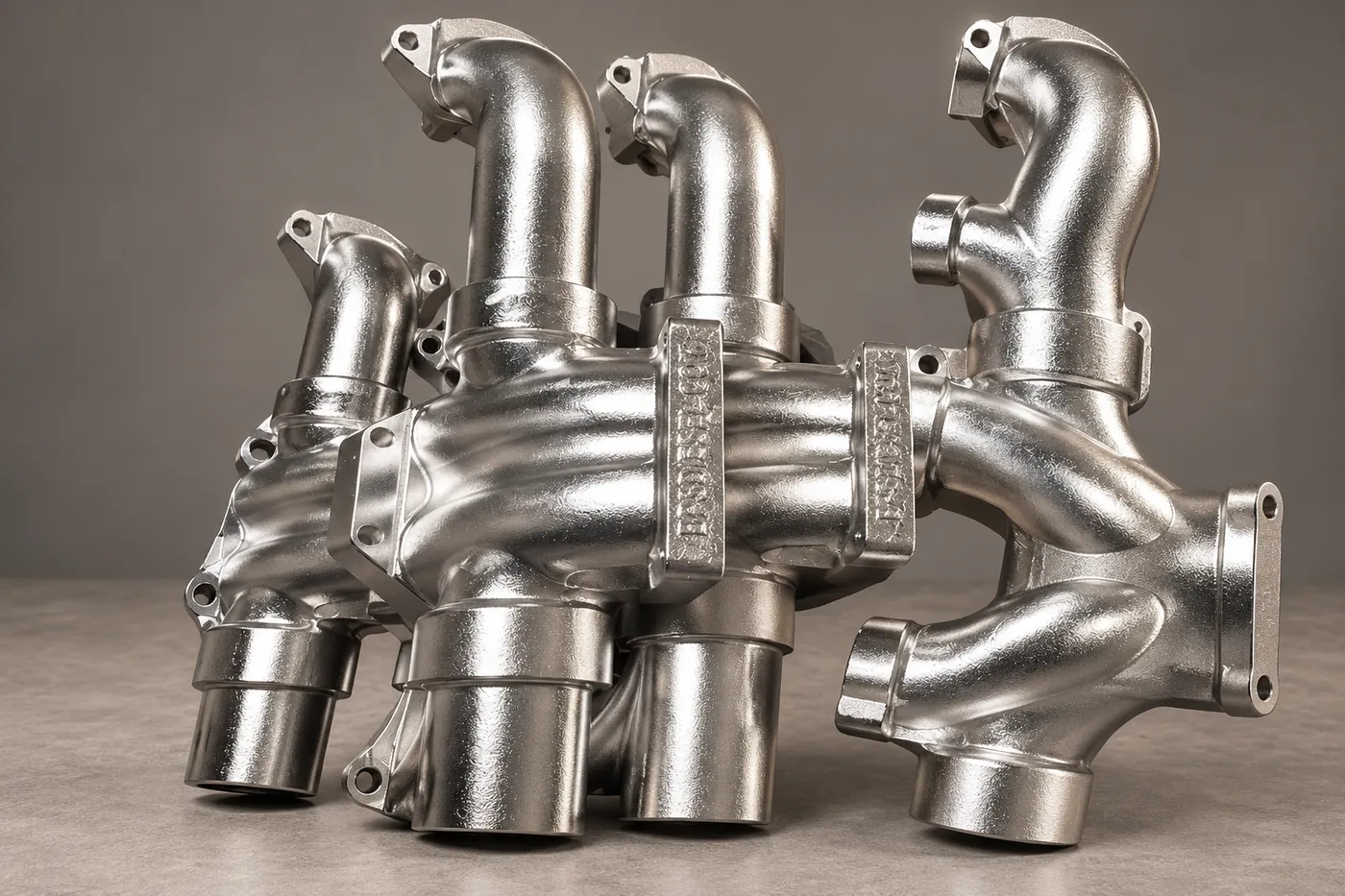
Use the existing assembly and application requirements to control these enquiries. EV housings need defined mounting, sealing and thermal interfaces; tractor brackets need pivot geometry; exhaust parts need the hot-joint and thermal-duty brief. Railway components also need their part-specific material and approval requirements. None should be selected solely from a vehicle or industry label.
Technical notes
Relia’s transport-related enquiry connects the forming route to finished interfaces and service: housing seals and thermal contacts, tractor pivots, hot exhaust joints or railway material/treatment requirements. Each guide retains its own part-level manufacturing and approval boundary.
MARINE & BUILDING HARDWARE
Connect hardware geometry to the installation
Separate the visible surface from the working interface. A hinge needs a pin fit and opening range; a lock panel needs mechanism clearance and an approved decorative finish; marine or sanitary hardware needs the specified material and exposure conditions. Furniture hardware and faucet moulds have their own assembly and trial-approval needs. The individual guides keep these differences visible.
Technical notes
Relia’s hardware routes combine cast body preparation, machining of pivots or fixings, and the selected polishing, plating or coating. The finish and dimensional requirements are considered together, so appearance approval does not overlook a working clearance or sealing contact.
HIGH-TEMPERATURE ALLOY PARTS
Review industrial alloy prototypes by project specification
High-temperature alloy rotor enquiries need an exact alloy, processing condition and validation purpose. References that mention 713, 625 or 718 are not interchangeable service ratings. Use the guide to prepare the geometry, temperature/speed basis and required inspection, while keeping prototype manufacture separate from engine or flight qualification.
Technical notes
Relia’s high-temperature enquiries define the alloy and treatment before casting, finishing and required examination. A named alloy family or rotor photograph does not replace the development programme’s own stress, life and validation basis.
ART & JEWELRY CASTING
Bring authorized artwork into a controlled casting brief
- Authorised design
- Start with the artwork, scale and required interfaces.
- Finished detail
- Approve the casting, joining and selected surface treatment.
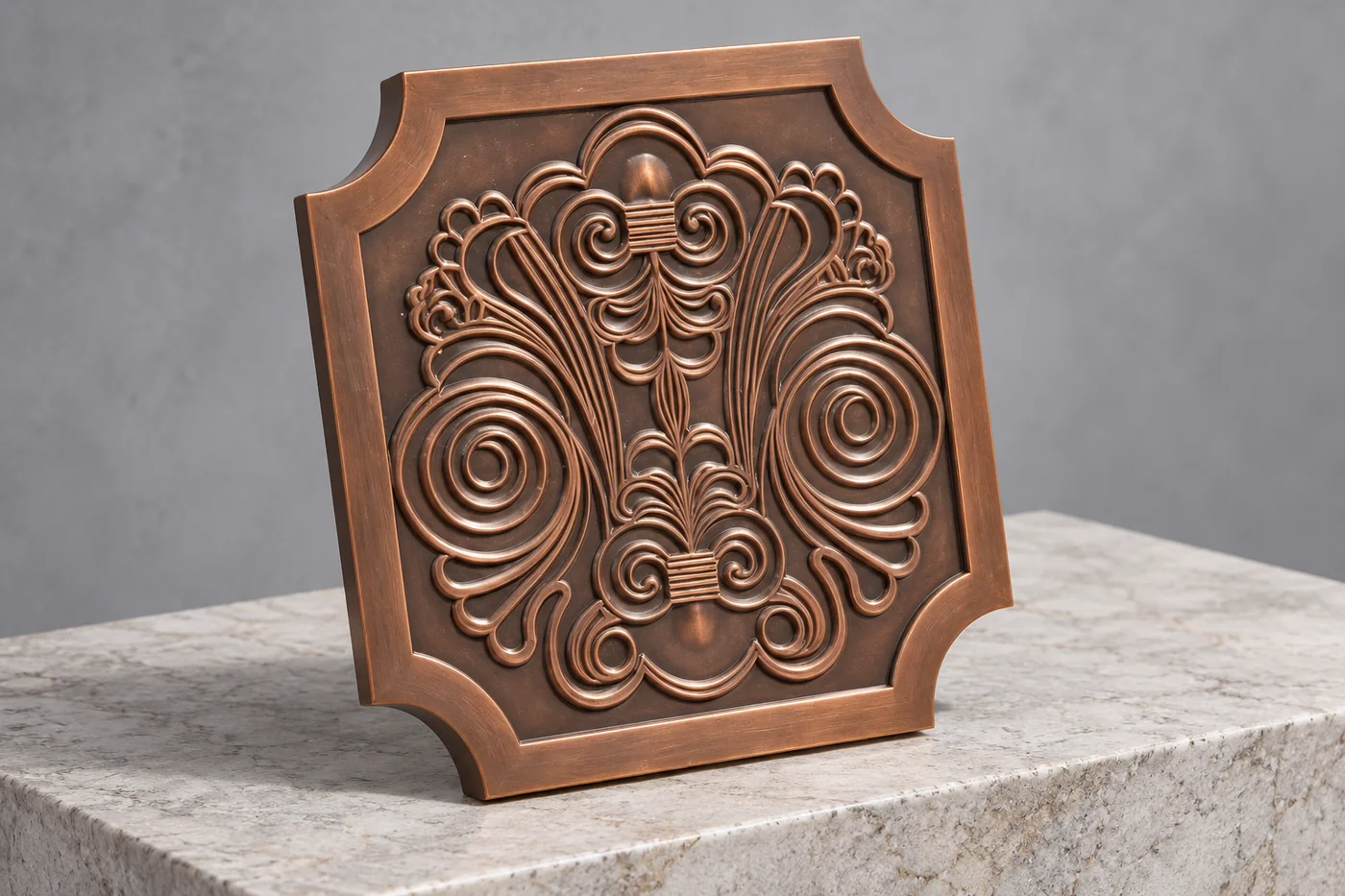
For bronze sculpture and architectural reliefs, start with authorized artwork, scale, finish and the mounting interface. For signet rings, start with the size system, face model, engraving and final metal/finish. Approval needs to follow the finished detail: polishing, patina, plating and joining can change what the customer finally sees.
Technical notes
Relia’s artwork and jewelry routes follow the approved model through pattern making, casting, cleanup and the specified finish. Sculpture joining/patina and signet polishing/plating affect different details, so the sample approvals follow the actual finished object.
RELIA · YOUR NEXT PROJECT
Bring the project requirements into one enquiry
Select the closest guide and include the related product reference in your enquiry. Add the drawing or model, material and quantities, then highlight the interface or duty that matters most. If the part crosses categories, use the finished assembly to explain the relationship rather than duplicating the same enquiry in several forms.
Start with these project details
- Closest guide and product reference
- Drawing or authorised model
- Material and quantities
- Important interface and duty
Shuyuan Road, Qingdao, Shandong, China
