
CUSTOM MANUFACTURING · PROJECT REVIEW
Manufacturing Review for Complex Metal Functional Prototypes
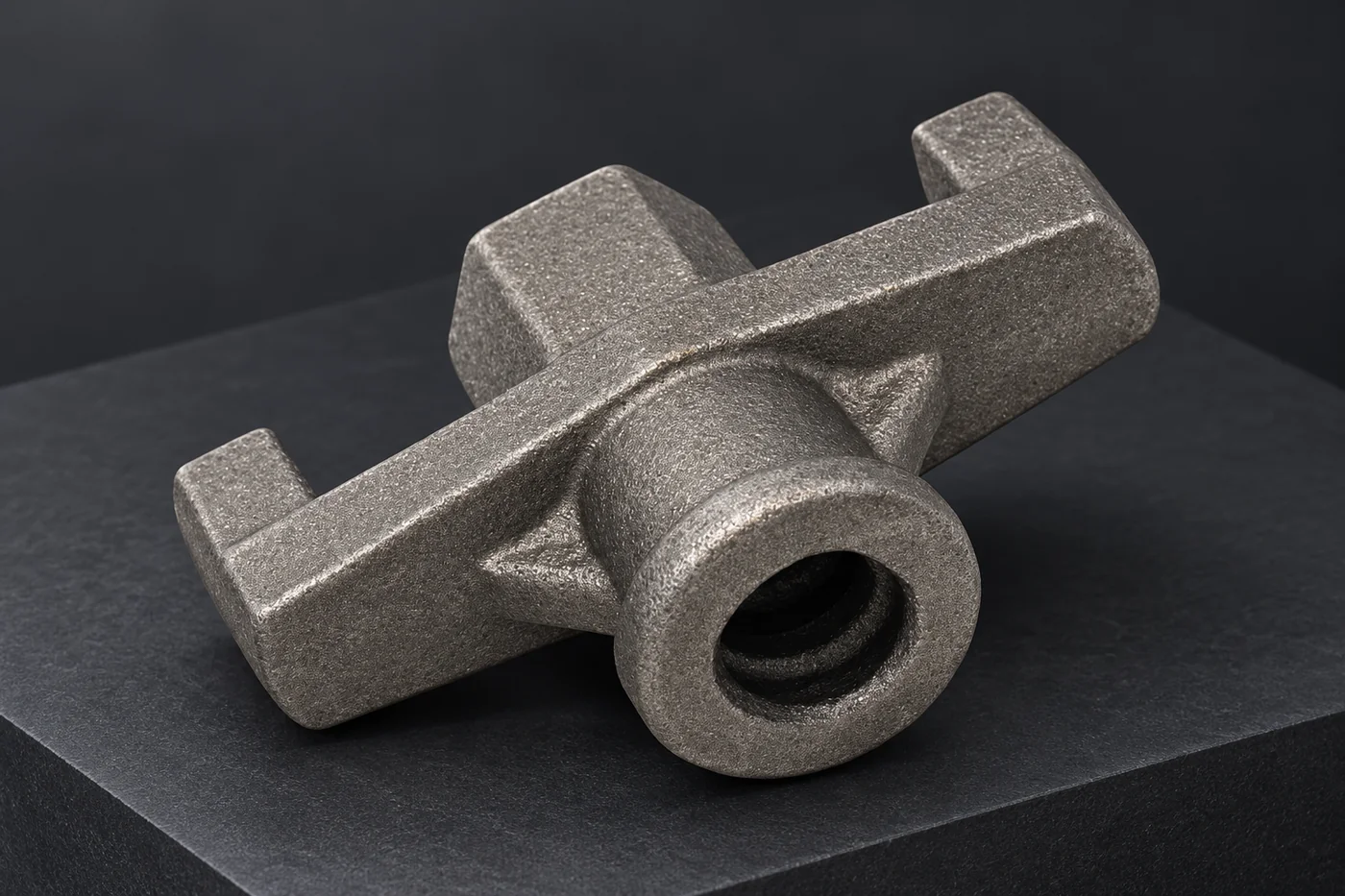
A functional metal prototype must represent the material and interfaces being tested. Relia reviews casting, CNC and the explicitly agreed route around the actual component, keeping prototype evidence distinct from later production approval.
RELIA · PRODUCT AND MANUFACTURING SUPPORT
Define what the prototype must demonstrate
Relia's references include metal casting with CNC milling/turning and broader rapid-prototype enquiries. Relia's scope identifies the actual metal, starting process and post-processing for your sample. This gives your engineering team a clear basis for reviewing internal geometry, assembly fit or a defined functional trial without merging unrelated process labels into one capability claim.
| Your requirement | Relia product and service scope |
|---|---|
| Scope | Complex metal prototype with defined functional purpose |
| Route review | Casting/CNC or other explicitly confirmed prototype process |
| Files | STL or CAD model plus finished-feature requirements |
| Validation boundary | Prototype evidence tied to its actual material and route |
02 · ROUTE DEFINITION
Confirm the actual material and process
- Supplied material
- Distinguish resin or wax patterns from finished metal.
- Confirmed operations
- State the actual manufacturing stages included.
A resin or wax pattern is different from a finished metal prototype. Identify the supplied material and operations explicitly so the enquiry cannot confuse a pattern-making step with metal manufacture.
Technical notes
Review machining access, internal geometry, support removal where applicable and critical datums. A cast-and-machined prototype can be useful when it represents the intended process, while another route may suit an early geometry check. State those differences in the sample scope.
MANUFACTURING ROUTE · FEATURES AND CONTROL
Choose a Prototype Route That Represents the Trial
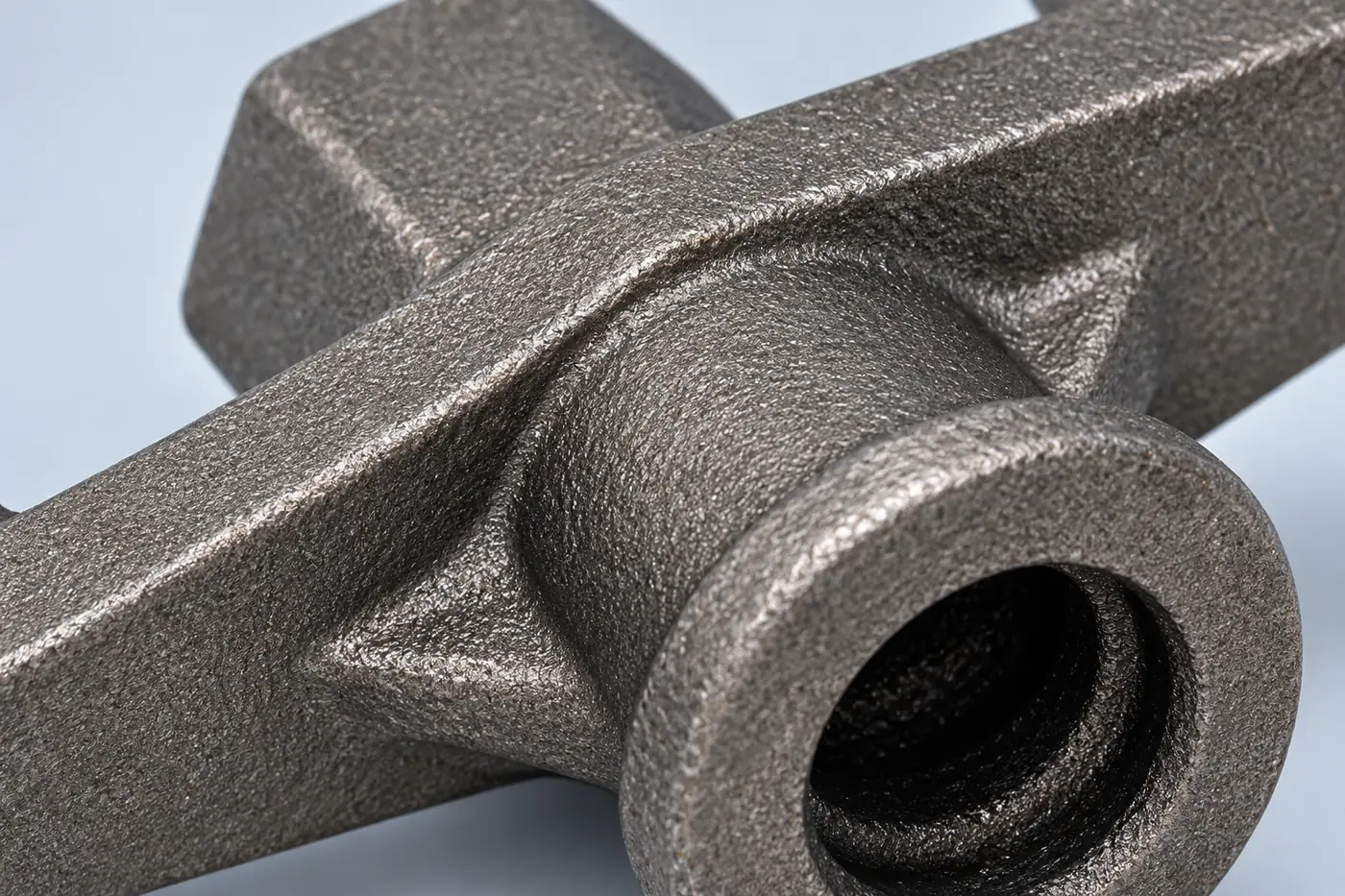
A cast-and-machined prototype needs an appropriate pattern/mould route, allowance and access to the finished features. A different confirmed rapid-prototype method may answer an earlier geometry question, but its material condition and surface can differ from production. Relia's technical review identifies those differences and assigns machining to bores, mating faces or other critical interfaces. Treatment and finishing are included where required by the selected material and test. The measured sample is then evaluated against the stated trial, not an assumed universal prototype tolerance.
- Define the test decisionAssembly, geometry or specified functional behaviour
- Select the actual routeMetal, forming method and relevant differences
- Finish critical interfacesMachining, treatment and surface requirements
- Review the evidenceDimensions and the defined prototype trial
04 · MACHINING
Keep precision interfaces in the finishing plan
- Precision features
- Identify finished bores, faces and locating interfaces.
- Inspection basis
- Retain their datums even when outer geometry is complex.
Identify bores, faces and locating features requiring controlled finishing. The prototype route should retain their datums and inspection requirements even when its outer geometry is complex.
05 · EVIDENCE
Plan material and functional validation
Approve material identity, critical interfaces and the checks needed for the defined trial. The cast-and-machined reference lists 0.01–0.05 mm machining fields; the rapid-prototype reference lists ±0.2 mm. Neither is a blanket capability for every process, alloy and geometry.
06 · NEXT STAGE
Separate prototype decisions from production release
- Prototype decision
- Assess the sample for its defined trial purpose.
- Production route
- Review changed materials, tooling or processes separately.
A successful prototype informs the project but does not automatically approve a different production route. Identify the changed material, tooling or process assumptions needing another review.
07 · COMMERCIAL SCOPE
Keep preparation and parts visible in the quotation
Separate development, prototype manufacture, finishing and required tests. Make open geometry or process inputs visible before the route and quotation assumptions are accepted.
Technical notes
Identify the prototype's decision: assembly, load-bearing function, thermal behaviour or a geometry demonstration. Include the intended final material and the differences your team can accept in the trial. This prevents a shape model from being used as evidence of production-metal performance.
| Scope | Retain |
|---|---|
| Preparation | Current model and route review |
| Prototype | Material and finished condition |
| Validation | Required trial and records |
RELIA · YOUR NEXT PROJECT
Send the model and the metal trial you need
Share the geometry, exact metal, quantity and intended validation. Highlight critical interfaces and internal features. We can review the proposed manufacturing route and the evidence needed for the prototype decision.
Start with these project details
- Geometry and internal features
- Exact metal and quantity
- Critical finished interfaces
- Intended validation and records
Shuyuan Road, Qingdao, Shandong, China
