
CUSTOM MANUFACTURING · PROJECT REVIEW
Transfer an Existing Casting Programme to a Chinese Manufacturer
Relia helps review an existing casting programme before its manufacture is transferred. Bring the controlled part requirements and available tooling information together, then use agreed samples to establish the new route before production release.
RELIA · PRODUCT AND MANUFACTURING SUPPORT
List the assets and information being transferred
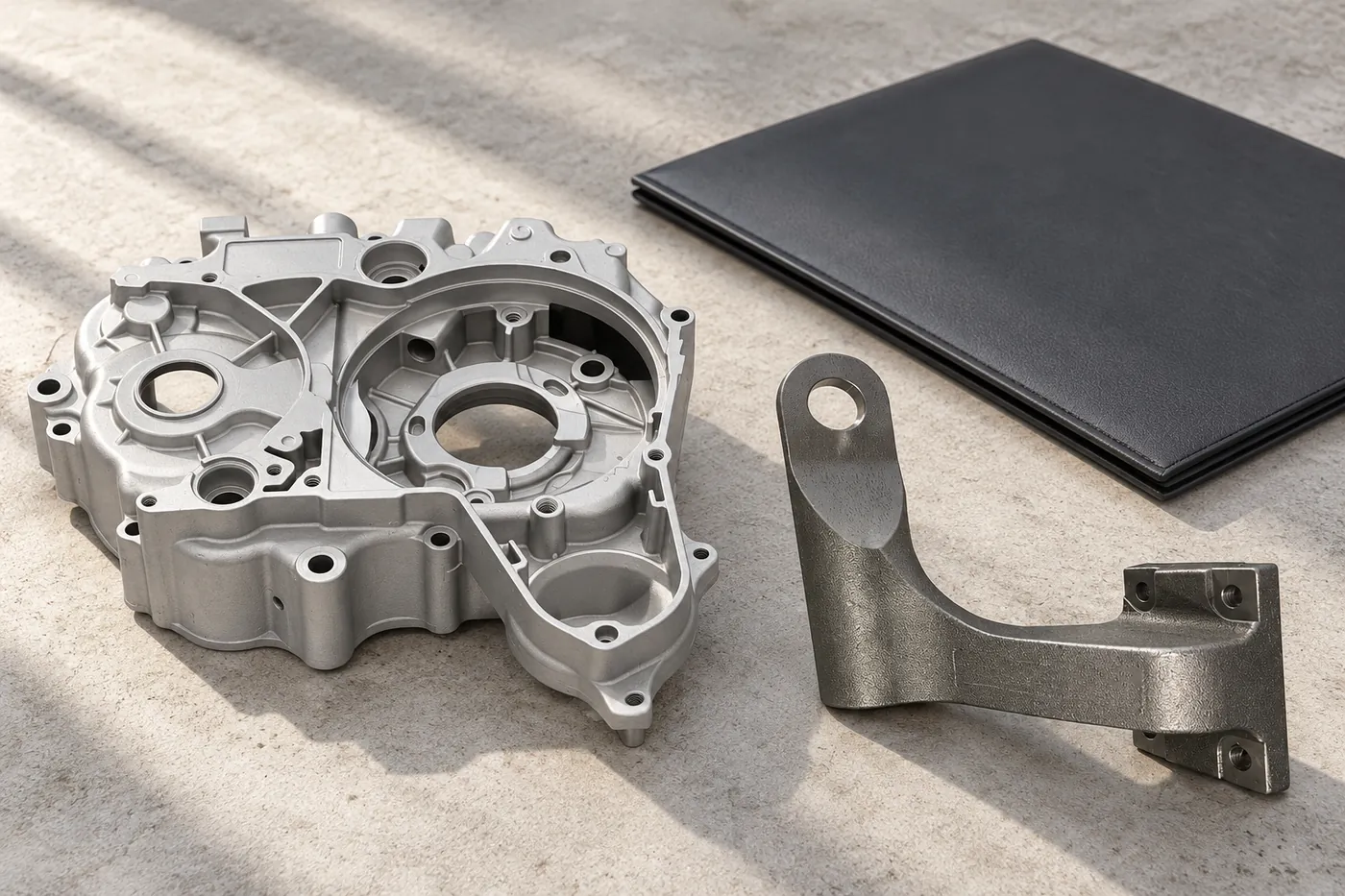
Relia's transfer scope can draw on aluminium housing, cast-and-machined part and treated steel/iron references in the catalogue. Relia brings those operations into the technical review together with tool ownership, tool condition and the required delivered state. This is useful when you need to preserve an established component while changing how its production is organized.
| Your requirement | Relia product and service scope |
|---|---|
| Tool information | Ownership, drawings, interface, condition and repair history |
| Part information | Current revision, grade, finish and critical features |
| Sample release | Measured submission and accepted corrections |
| Repeat control | Released route, fixtures and drawing revision |
02 · TECHNICAL BASELINE
Rebuild the requirements before moving the work
- Retained knowledge
- Collect critical instructions from the existing programme.
- Controlled package
- Put dimensions, finish and acceptance in one revision.
Long-running programmes often carry important details in emails and informal instructions. Bring those details into the controlled package: critical dimensions, surface appearance, material condition and acceptance records. We can then review the proposed work against a shared requirement rather than relying on assumptions from the previous route.
Technical notes
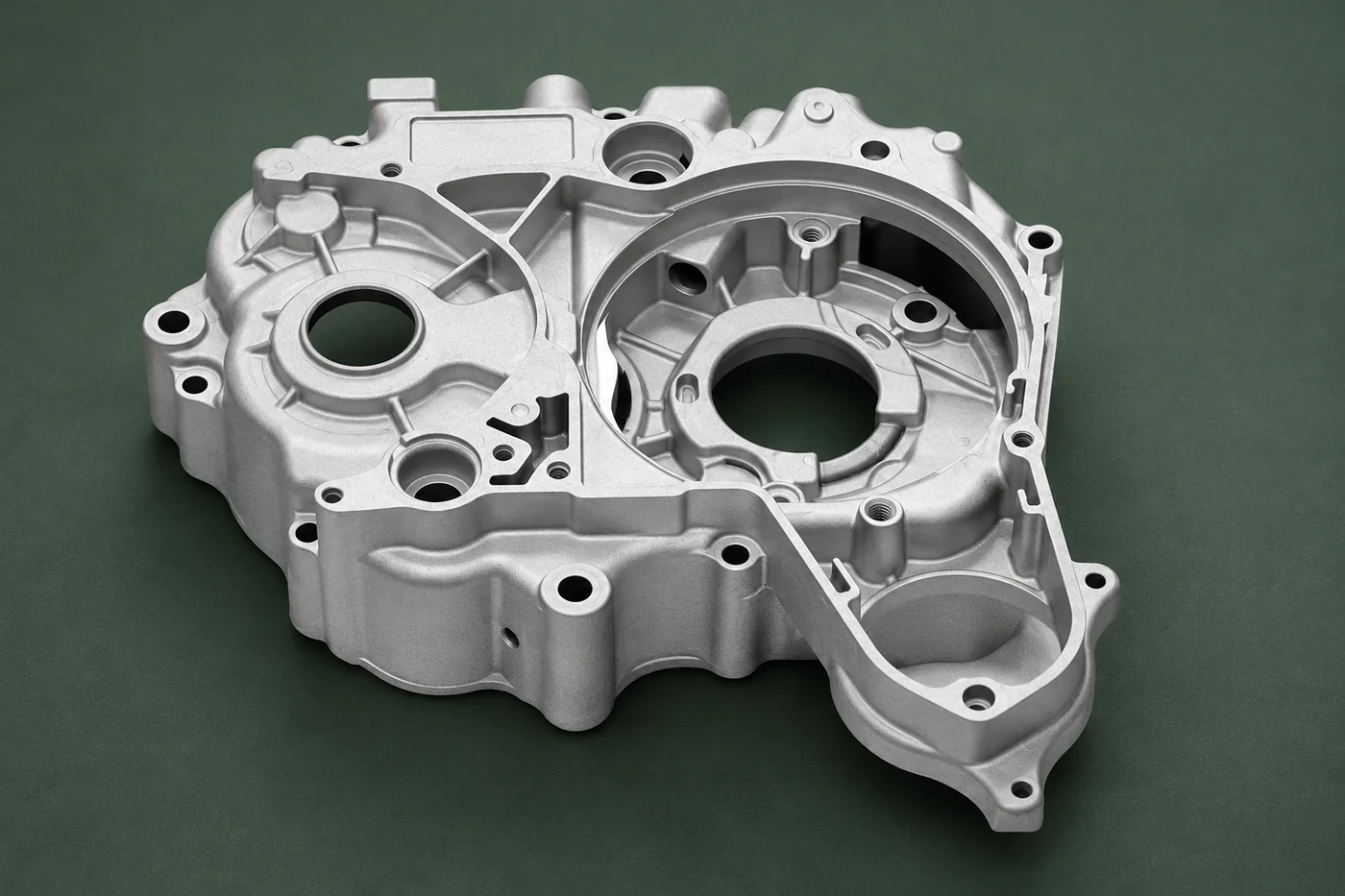
For aluminium housings, separate the pressure die-casting tool from machining fixtures and inspection gauges. For steel castings, include the required heat-treatment condition and test scope. A new route may need new tooling even when the finished drawing remains unchanged.
MANUFACTURING ROUTE · FEATURES AND CONTROL
Check Tool Compatibility Before Moving Production
A die or pattern is only one part of the route. Its machine interface, gating, ejection and trim arrangement must suit the proposed operation, while machining fixtures and gauges establish the final interfaces. Relia's transfer review distinguishes tool reuse from a new-tool proposal and records repairs or changes before sampling. The first cast-and-finished submission then checks the same released dimensions, material condition and finish as the programme being transferred.
- Inspect the tool packageOwnership, condition and interface information
- Map missing operationsTrim, fixtures, gauges and treatment
- Produce transfer samplesCurrent part requirements on the proposed route
- Release the programmeAccepted revision and repeat-order basis
04 · TRANSFER VALIDATION
Use samples to verify the new route
- New route
- Make differences in forming or machining visible.
- Sample release
- Approve measured results and required functional checks.
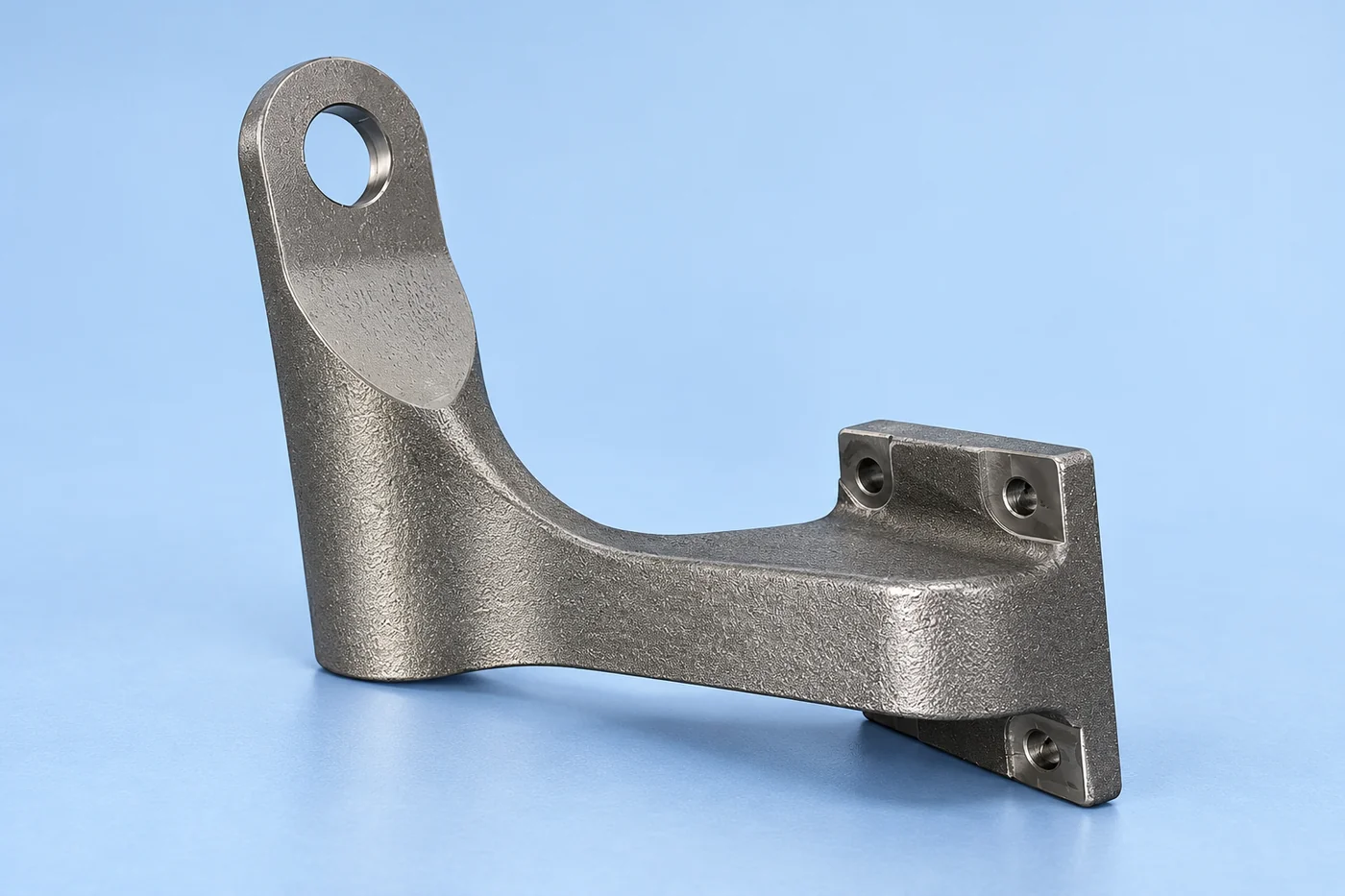
The new manufacturing route needs evidence for the part it will deliver. Agree the material, dimensional and functional checks for its samples, and make any route differences visible. A familiar-looking casting does not replace that review. The first production release follows the acceptance criteria your team has agreed.
05 · CUTOVER
Put the changeover dates into one plan
Agree a handover sequence with a first sample, measured report, customer review and release revision. Keep interim supply and old-stock assumptions in the purchasing plan. Listed sample lead times from an individual product do not cover tool repair, new-tool approval or an entire programme transfer.
- Remaining supplyOpen orders and usable stock
- New samplesManufacture and approval review
- First productionRelease, packing and shipment
- Normal supplyAgreed repeat-order basis
06 · DELIVERY DEFINITION
Carry protection and identification into the transfer
- Receiving needs
- Identify parts, accessories and protected surfaces.
- First delivery
- Retain those requirements through the changeover.
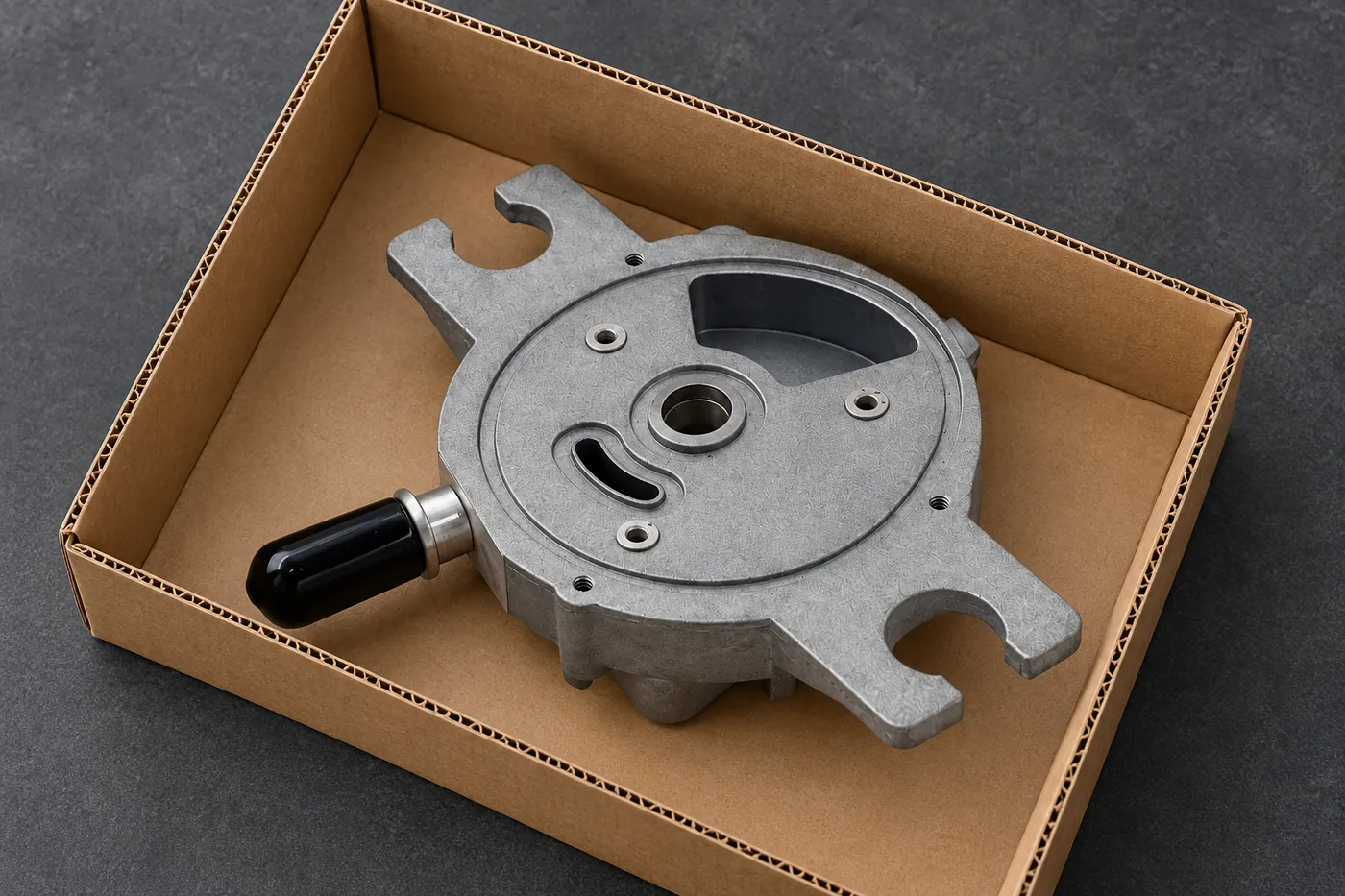
Packing and part identification can be as important as the component geometry during a changeover. Keep the surfaces needing protection, accessory scope and labelling requirements in the transfer package. That gives receiving and assembly teams a clear reference when the first new-source parts arrive.
07 · ONGOING CONTROL
Keep changes visible after the first release
The transfer is more useful when both teams know how later changes will be handled. Identify who reviews drawing revisions, tooling adjustments and proposed deviations. Tie each accepted change to the affected part and order so that the next batch follows an understood requirement rather than a new informal assumption.
Technical notes
Check whether transferred tooling is actually usable with the proposed process. Die interfaces, ejectors, gating, trim tools and machining fixtures can all affect compatibility. Include tool drawings, condition, ownership and any known repairs; a photograph does not establish that a die can run unchanged.
CONNECTED BUYING GUIDES
Continue with the next project decision
Follow the related component and purchasing guides, or open the catalogue reference to carry this requirement into a specific project enquiry.
RELIA · YOUR NEXT PROJECT
Start the transfer with an inventory and a controlled brief
Share the part list, current technical package, available tooling information and required changeover dates. Add the sample and first-batch approval requirements your team uses. We can review the missing inputs and proposed stages with you before the manufacturing transfer scope is agreed.
Start with these project details
- Part list and current revisions
- Tool interfaces and condition
- Sample approval requirements
- Changeover quantities and dates
Shuyuan Road, Qingdao, Shandong, China
