
CUSTOM MANUFACTURING · PROJECT REVIEW
Custom Gearbox Housings in Gray Iron or Aluminum
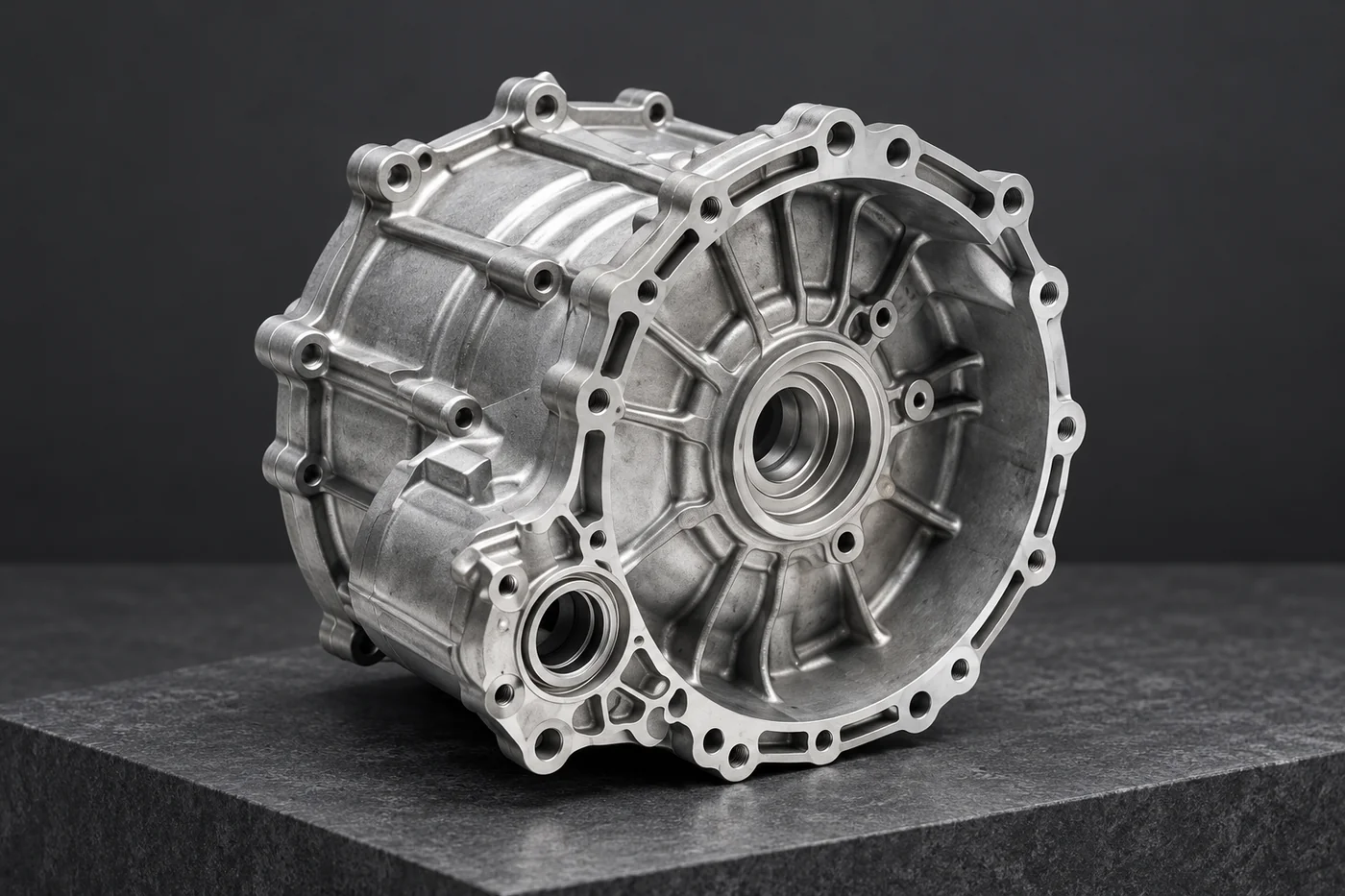
Relia reviews gray-iron and aluminium gearbox housings around the same finished requirement. Compare the forming routes while keeping bearing axes, joint faces, machining, leakage checks and order assumptions visible in the quotation.
RELIA · PRODUCT AND MANUFACTURING SUPPORT
Begin with the assembly relationships
Relia's gray-iron gearbox reference names ASTM A48 Class 30, while aluminium references include A380/A360/A413. Relia connects the selected material route to CNC-finished bores, mating faces and specified finishing or leak checks. Your purchase can therefore be defined around the finished gearbox interfaces, with the alloy and treatment kept explicit.
| Your requirement | Relia product and service scope |
|---|---|
| Gray-iron reference | ASTM A48 Class 30; sand casting plus machining |
| Aluminium reference | A380/A360/A413; high-pressure die casting |
| Critical relationship | Bearing bores, shaft centres and mating faces |
| Service checks | Defined oil leakage, assembly fit and finish |
02 · GRAY IRON OR ALUMINUM
Compare material routes without changing the requirement
- Housing requirement
- Define structure, weight objectives and delivered condition.
- Route comparison
- Review material, tooling and geometry differences explicitly.
Material choice needs to account for the structure, weight objectives, order pattern and required delivered condition. Gray-iron and aluminum routes can involve different tooling and geometry decisions. We review those differences explicitly so a proposed alternative is assessed against your housing requirements rather than a general material preference.
Technical notes
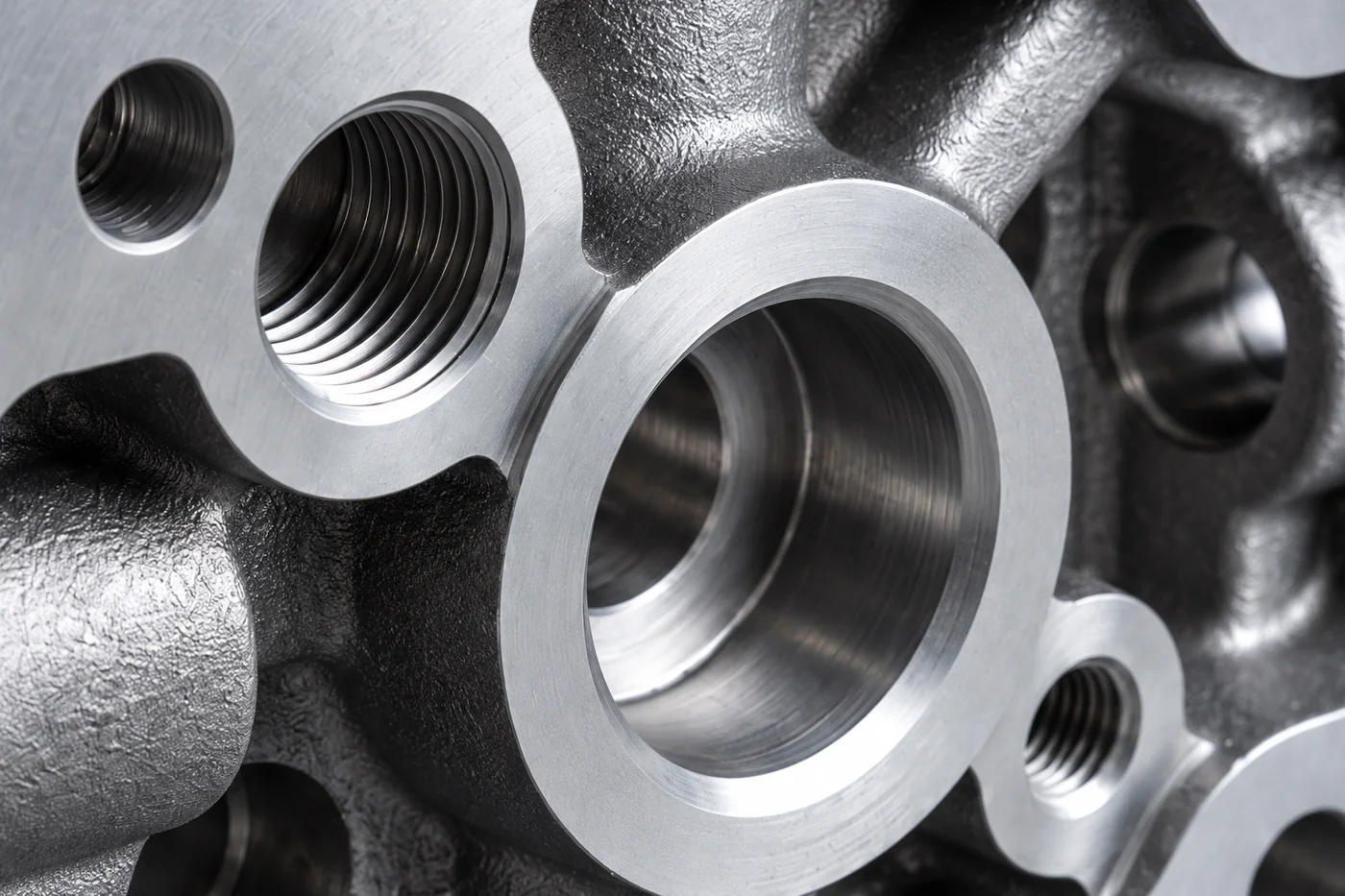
Machine bearing bores and split or cover faces from a datum system that preserves shaft alignment. Define oil-seal seats, drain/fill ports and threaded holes individually. For a painted or coated housing, identify the surfaces that remain uncoated and the stage at which final measurements are taken.
MANUFACTURING ROUTE · FEATURES AND CONTROL
Use the Right Casting Route Before Machining the Bores
A sand-cast iron housing uses a mould and any required cores to create the body and internal space. An aluminium pressure die-cast housing uses reusable steel tooling with its own filling, cooling and ejection arrangement. Relia's finished-part scope then focuses on machining the bearing locations, seals, cover or split faces and service ports. Shaft spacing and bore relationships must survive this sequence. Cleaning removes casting and machining residue before inspection and any defined oil-leak test.
- Choose iron or aluminiumSpecified grade, geometry and production basis
- Form the housingSand mould/core or pressure die-casting route
- Machine the gearbox datumsBearing bores, joint faces and seal features
- Clean and acceptGeometry, finish and specified oil/leak checks
04 · FINISH MACHINING
Control bores and mating faces as related features
- Related geometry
- Connect shaft centres, bearing bores and joint faces.
- Finished inspection
- Check their relationship from the nominated datums.
Identify the shaft axes, bore positions and joint faces that must work together. The drawing should state their datums and relationships, with machining and inspection planned for the finished condition. Keep surface and thread protection visible alongside these precision requirements.
05 · VERIFICATION
Select the checks that support housing acceptance
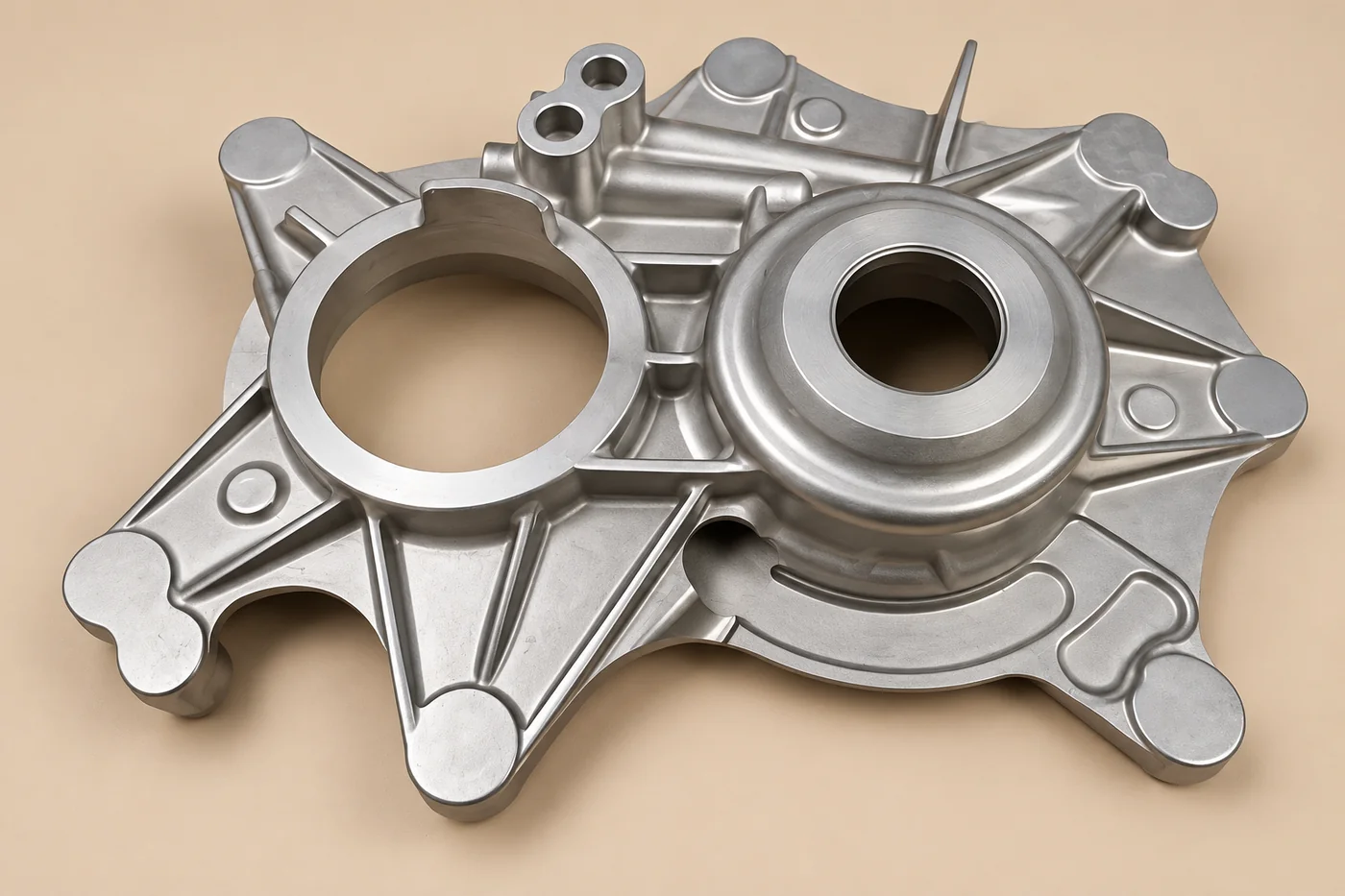
Our aluminium housing reference lists leak testing and a ±0.05 mm field; the actual bore fits and test conditions still belong on the project requirements. On the gray-iron route, retain the specified grade rather than silently substituting ductile iron. Approve casting and finished dimensions together.
06 · QUOTATION
Compare tooling and repeat parts on one basis
- Development scope
- Separate tooling and first-part work from repeat parts.
- Comparable quotation
- Use the same finish, checks and demand assumptions.
Separate tooling and development from the repeat-part scope. Align the casting, machining, finishing and verification work across the proposals, with the same demand assumptions. We can then discuss the complete delivered housing without attaching a fixed saving or break-even quantity to an unreviewed design.
07 · RELEASE CONTROL
Retain the accepted material and route together
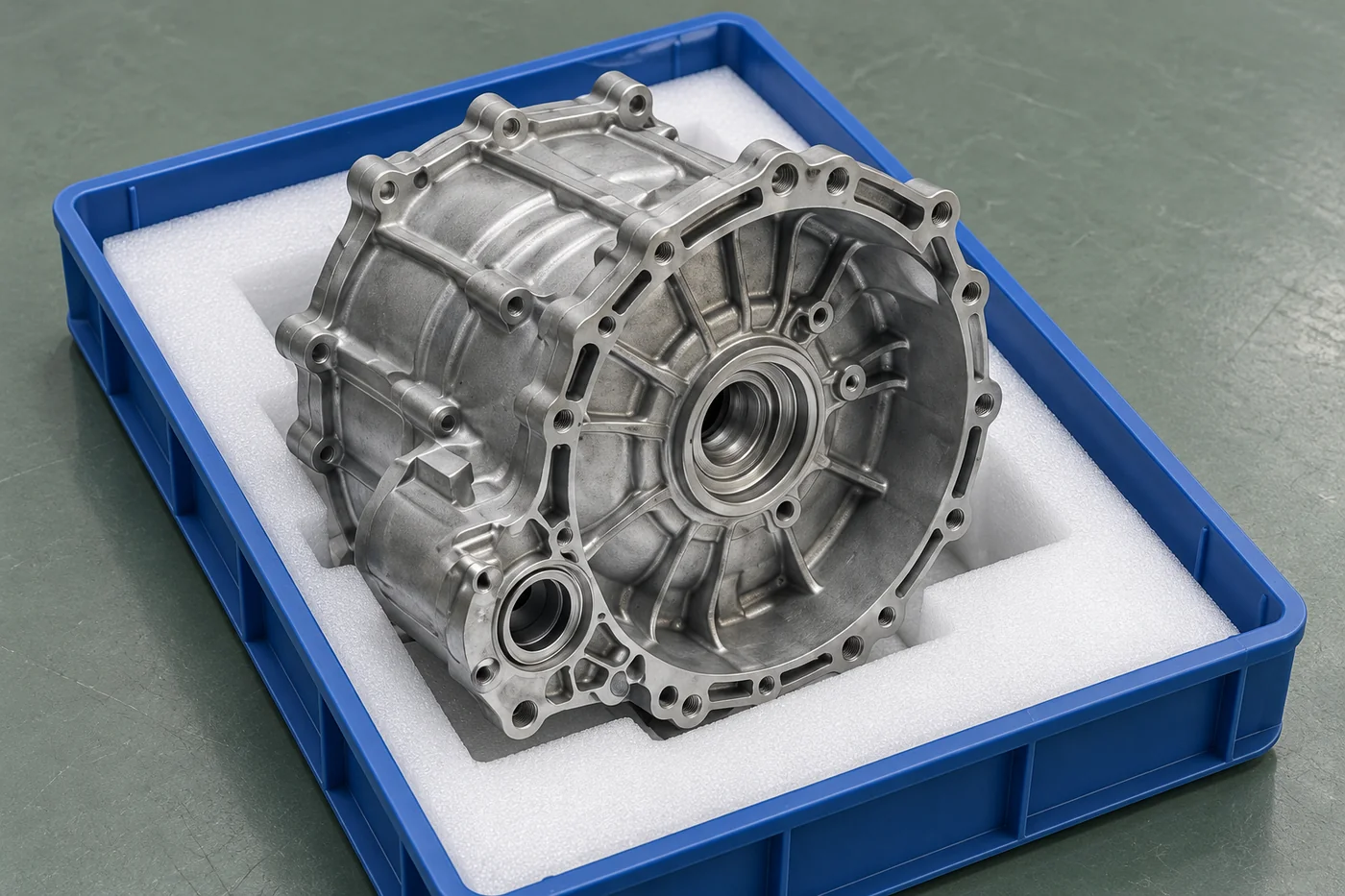
The selected route becomes useful when it is linked to the approved geometry, material and acceptance package. Keep any alternative proposal and the reason it was accepted with the project record. Later changes can then be reviewed against the same agreed housing definition.
Technical notes
Compare the assembled requirements before choosing by weight alone. Bearing locations, shaft spacing, joint stiffness, lubrication and operating temperature influence the housing design. Gray iron and aluminium require different casting routes and allowances; they are not interchangeable materials for an unchanged drawing.
- CompareSame assembly requirement
- VerifyRelevant sample and component checks
- DecideAccepted material and route
- RetainControlled drawing and order scope
RELIA · YOUR NEXT PROJECT
Share the housing requirement for a route comparison
Send the part and assembly drawings, required material options and order quantities. Add the bearing relationships, finishing and acceptance checks your team needs. We can review the gray-iron or aluminum proposal and make the assumptions behind each quotation clear.
Start with these project details
- Part and assembly drawings
- Iron or aluminium requirement
- Bearing and mating-face controls
- Quantities and leakage/fit checks
Shuyuan Road, Qingdao, Shandong, China
