
CUSTOM MANUFACTURING · PROJECT REVIEW
Multi-Part Casting and Machining Sourcing for Equipment OEMs
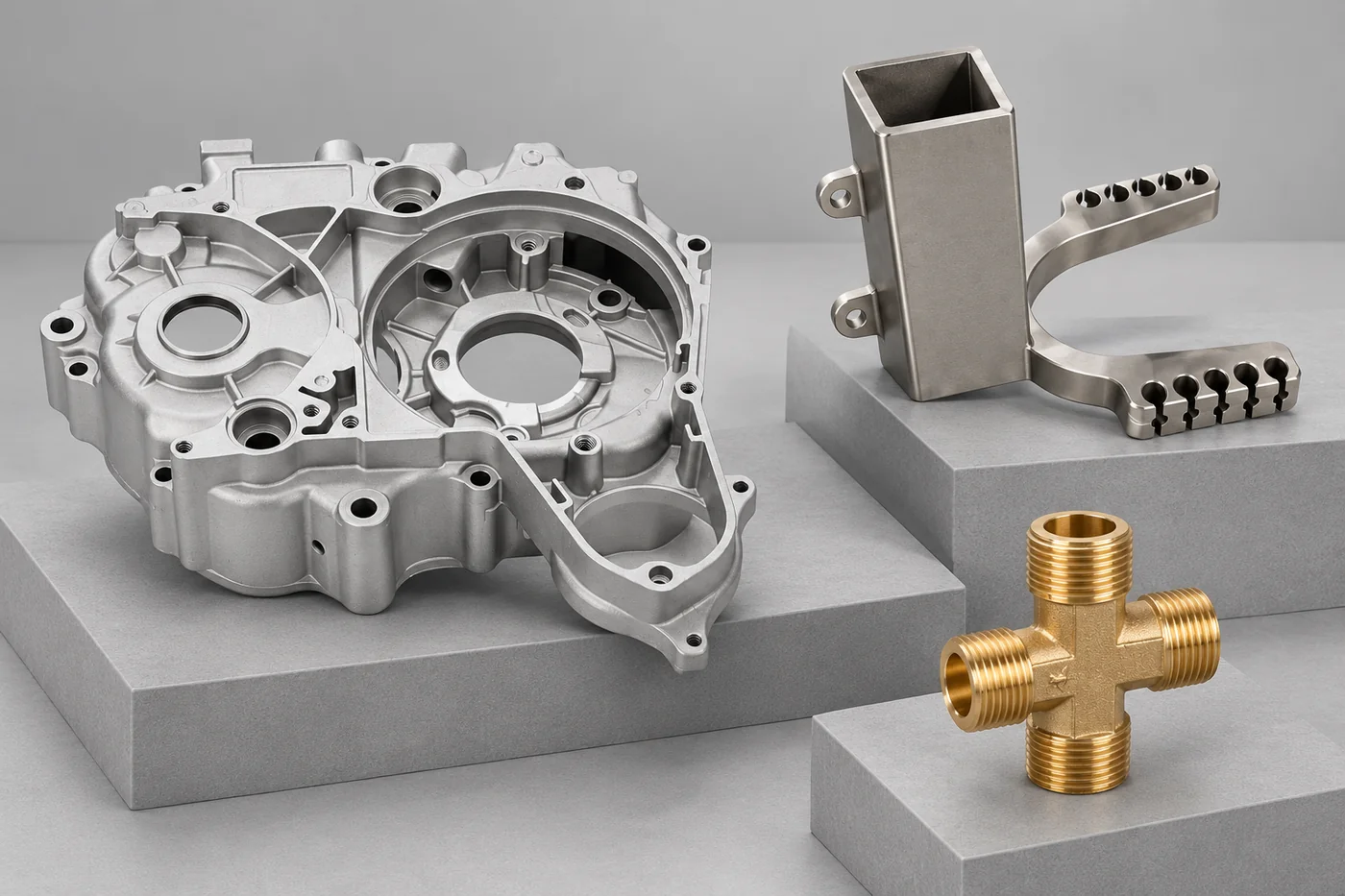
For a multi-part OEM enquiry, Relia reviews each component and the interfaces between them. Keep the alloy, finished features, quantities and acceptance separate by item while coordinating the package around the equipment assembly.
RELIA · PRODUCT AND MANUFACTURING SUPPORT
Start with a part-level list
Relia's catalogue includes aluminium components, 304/316 actuator brackets and custom brass parts with milling and turning. Relia can use one bill of materials to discuss that package, while each line retains its alloy, manufacturing route and finish. This helps your team compare a complete set without assuming that every component has the same tooling cost, minimum quantity or production sequence.
| Your requirement | Relia product and service scope |
|---|---|
| Package examples | Aluminium housing, stainless bracket and brass connection |
| Common input | Bill of materials with drawing revisions |
| Shared check | Mating geometry and assembly relationship |
| Separate costs | Tooling, machining, finish and inspection by item |
02 · MATERIAL SCOPE
Keep material requirements specific to each item
- One item, one specification
- Keep each alloy and finish with its drawing.
- Shared assembly
- Identify the components that must mate together.
A brass fitting and an aluminum housing need different material and finishing definitions. Keep the grade, applicable standard and service conditions with the relevant drawing. We review those requirements individually so that a general request for metal parts does not become an unclear shared specification.
Technical notes
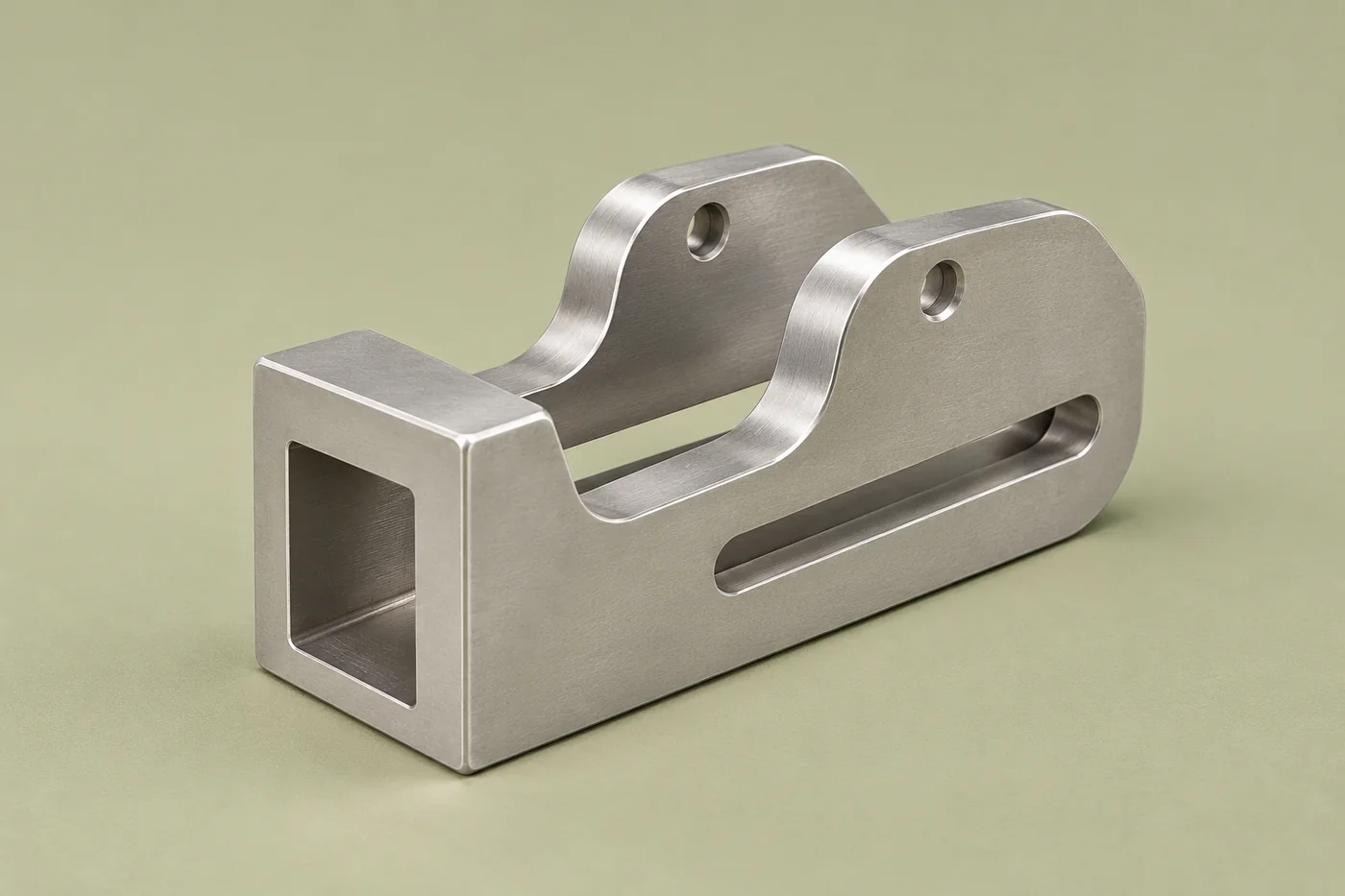
Combine purchasing coordination without forcing different alloys through the same route. The brass-parts reference lists CNC milling/turning and a one-piece minimum; the stainless bracket follows casting plus machining. Tooling, yield and inspection costs will therefore differ even when the components ship together.

MANUFACTURING ROUTE · FEATURES AND CONTROL
Coordinate Interfaces Across Different Metal Routes
An aluminium body may use die casting and CNC finishing, a stainless bracket may use investment casting, and a simple brass adapter may be turned from solid or cast near net. Relia's package review keeps those routes separate and connects them at the assembly datums. Checking mating hole patterns, threads and contact faces across the package reduces the chance that individually acceptable parts reach your assembly area with an unresolved interface between them.
- Build the part matrixNumber, revision, grade, finish and quantity
- Assign each routeCasting/tooling and machining by component
- Connect mating featuresShared datums, threads and assembly clearances
- Release identified setsPart-specific records and separated packing
04 · SOURCING CHOICE
Balance coordination against route differences
- Coordinated enquiry
- Compare communication and approval needs across the BOM.
- Defined scope
- Keep tooling, machining and inspection visible by item.
A combined enquiry can simplify technical communication, but the value still depends on the work inside it. Compare coordination effort, process differences and the approval needs of each component. We review what fits the proposed package and make the scope visible rather than assuming that consolidation is always the lowest-cost route.
05 · SAMPLE CONTROL
Track approval by drawing number
Release the package line by line. Use an assembly check for relationships between parts and individual reports for critical characteristics. Label packed components by part number and revision so a matched set is not mixed with a superseded variant during assembly.
06 · IDENTIFICATION AND PACKING
Plan receiving around distinct components
- Item identity
- Use clear part numbers for receiving and assembly.
- Suitable protection
- Agree packing for the particular surfaces and parts.
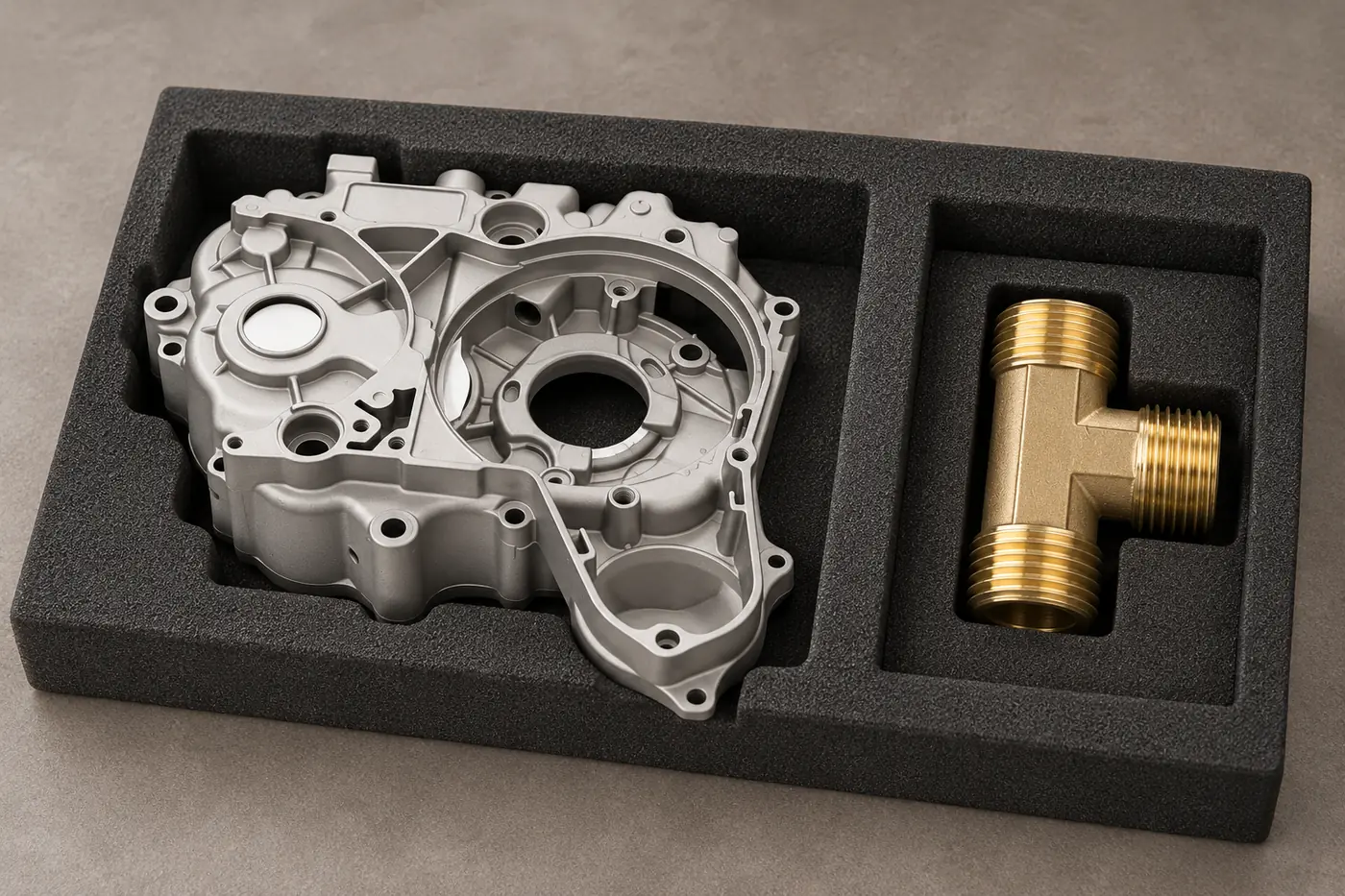
Explain how your receiving and assembly teams need to distinguish the supplied items. Discuss separate protection, part identification and any agreed grouping of components. Packing and delivery arrangements should follow the actual project and destination; a coordinated enquiry does not automatically include a particular warehousing or labelling service.
07 · QUOTATION READINESS
Keep the package review practical
A useful review separates defined items from those needing more information. We can discuss the available drawings, route assumptions and commercial scope without hiding the open points. Retain the quotation and approval basis at part level so that later changes affect the right component and order.
Technical notes
Create a part matrix with number, revision, quantity, material and finish. Then identify shared interfaces: a bracket hole pattern may mate with a housing, while a brass connection needs a different thread and surface condition. This exposes missing mating requirements before separate quotations hide them.
| Review status | Next useful action |
|---|---|
| Defined item | Review manufacturing and quotation scope |
| Missing input | Clarify drawing, material or acceptance detail |
| Proposed alternative | Obtain a visible technical decision |
| Approved item | Retain its revision and release basis |
CONNECTED BUYING GUIDES
Continue with the next project decision
Follow the related component and purchasing guides, or open the catalogue reference to carry this requirement into a specific project enquiry.
RELIA · YOUR NEXT PROJECT
Send a parts list with one clear record per drawing
Share your BOM, current drawings and quantities for each item. Identify the parts that mate with one another, the delivery condition and the approval records needed. We can review the package with you and agree the defined items, open inputs and next quotation steps.
Start with these project details
- BOM and drawing revisions
- Alloy and quantity by item
- Mating-part relationships
- Delivery and approval requirements
Shuyuan Road, Qingdao, Shandong, China
