
CUSTOM MANUFACTURING · PROJECT REVIEW
Custom Hydraulic Valve Bodies with Machined Passages and Sealing Faces
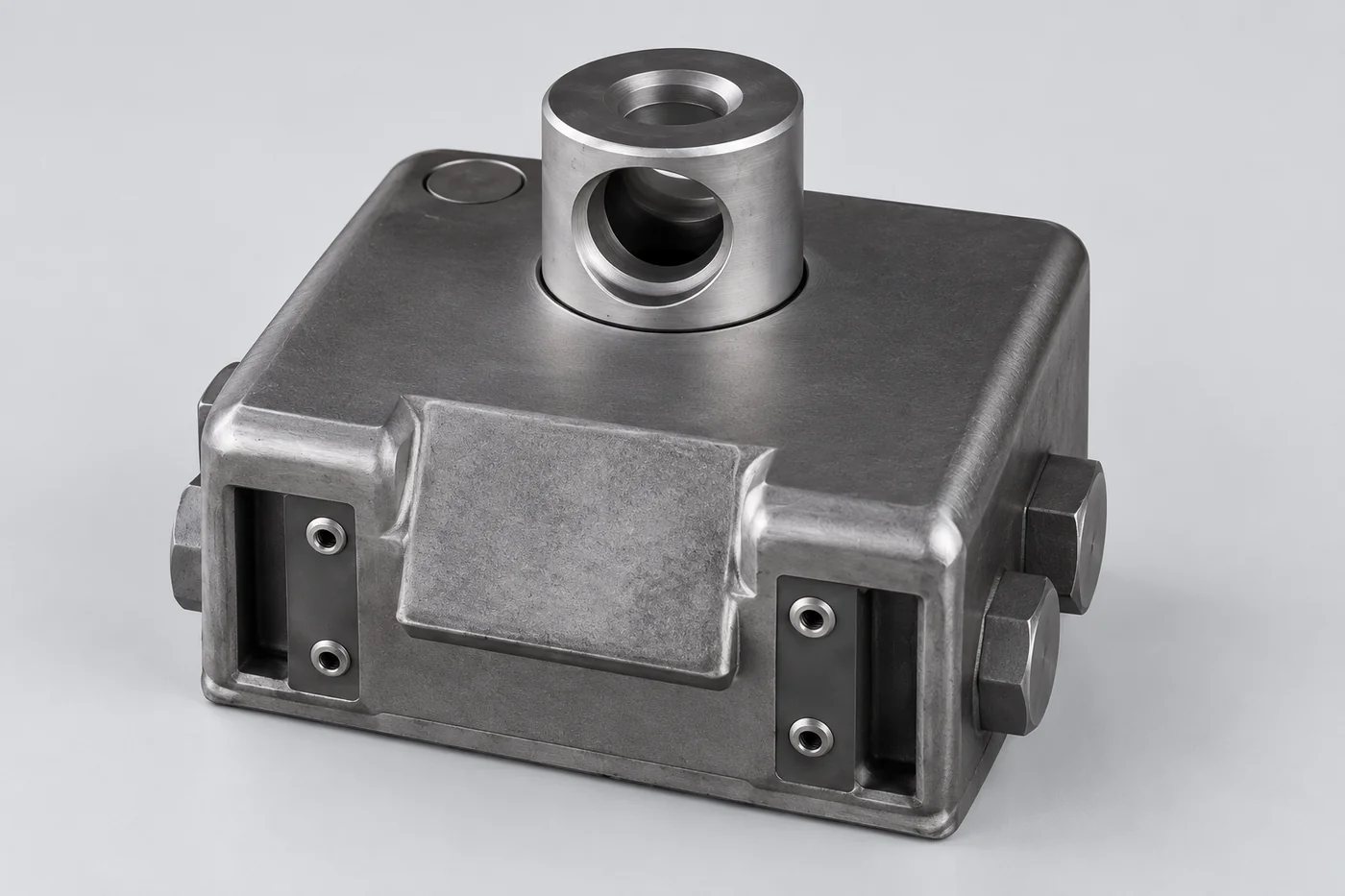
A hydraulic body needs controlled passages, seals and clean internal surfaces. Relia reviews lost-wax casting and machining around that geometry, with the selected material and body-level acceptance checks included in the manufacturing enquiry.
RELIA · PRODUCT AND MANUFACTURING SUPPORT
Show the complete passage and port definition
Relia's hydraulic-body reference lists stainless, carbon/alloy steel and aluminium options, with a 0.01–50 kg enquiry range and a 500 mm dimension reference. Relia's scope connects the selected material and cast body to the machined hydraulic features. These item-level fields provide a starting point; the drawing establishes the actual passages, dimensions and acceptance conditions.
| Your requirement | Relia product and service scope |
|---|---|
| Route | Silica-sol investment casting / lost-wax casting |
| Listed material options | SS304, SS316, carbon/alloy steel and aluminium |
| Item range reference | 0.01–50 kg; 500 mm dimension reference |
| Key controls | Machined bores, port seals, deburring and internal cleanliness |
02 · PROCESS ROUTE
Review forming and machining access together
- Internal passages
- Show channel geometry, closures and deep features.
- Tool access
- Separate cast features from drilled or machined channels.
Some features may form with the casting while others need drilling or machining. Keep deep passages, tool access and closures visible in the design review. We discuss the proposed route feature by feature rather than assuming that every internal channel can be formed directly in the casting.
Technical notes
Review machining access before releasing the casting model. Spool or cartridge bores, sealing counterbores and thread runouts need their own tolerances and finishes. A cast near-net body can carry the outside shape while machining establishes the flow-control and connection features.
MANUFACTURING ROUTE · FEATURES AND CONTROL
Combine Near-Net Shape With Clean Machined Passages
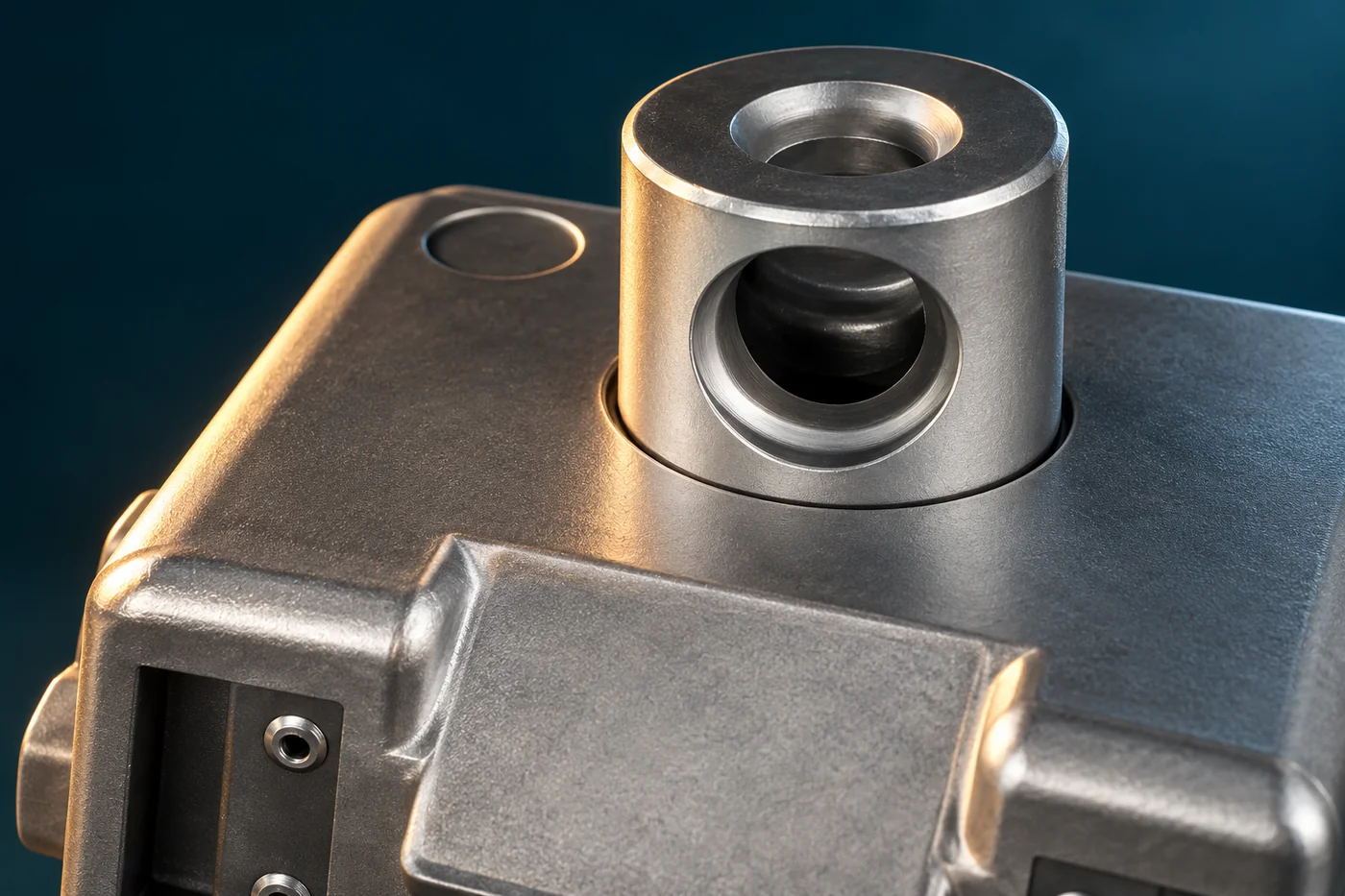
The cast body provides the main shape, bosses and selected passage features. Machining then creates the drawing-defined bores, sealing counterbores, threads and cross-drilled connections. Relia's route review considers how tools reach each intersection and how burrs or trapped debris can be removed after drilling and tapping. Surface treatment is selected with the material and seals in mind. The final cleanliness and leak-test requirements follow the hydraulic function rather than an external appearance check alone.
- Form the bodyMaterial, wall transitions and available machining stock
- Machine flow featuresBores, counterbores, ports and cross drillings
- Deburr and cleanIntersections, internal residue and protected seals
- Check the hydraulic interfacesCritical geometry and agreed cleanliness/leak criteria
04 · FINISHED FEATURES
Control sealing faces and connection positions
- Seal definition
- State flatness, finish and thread requirements.
- Datum control
- Relate ports, bores and faces on the finished drawing.
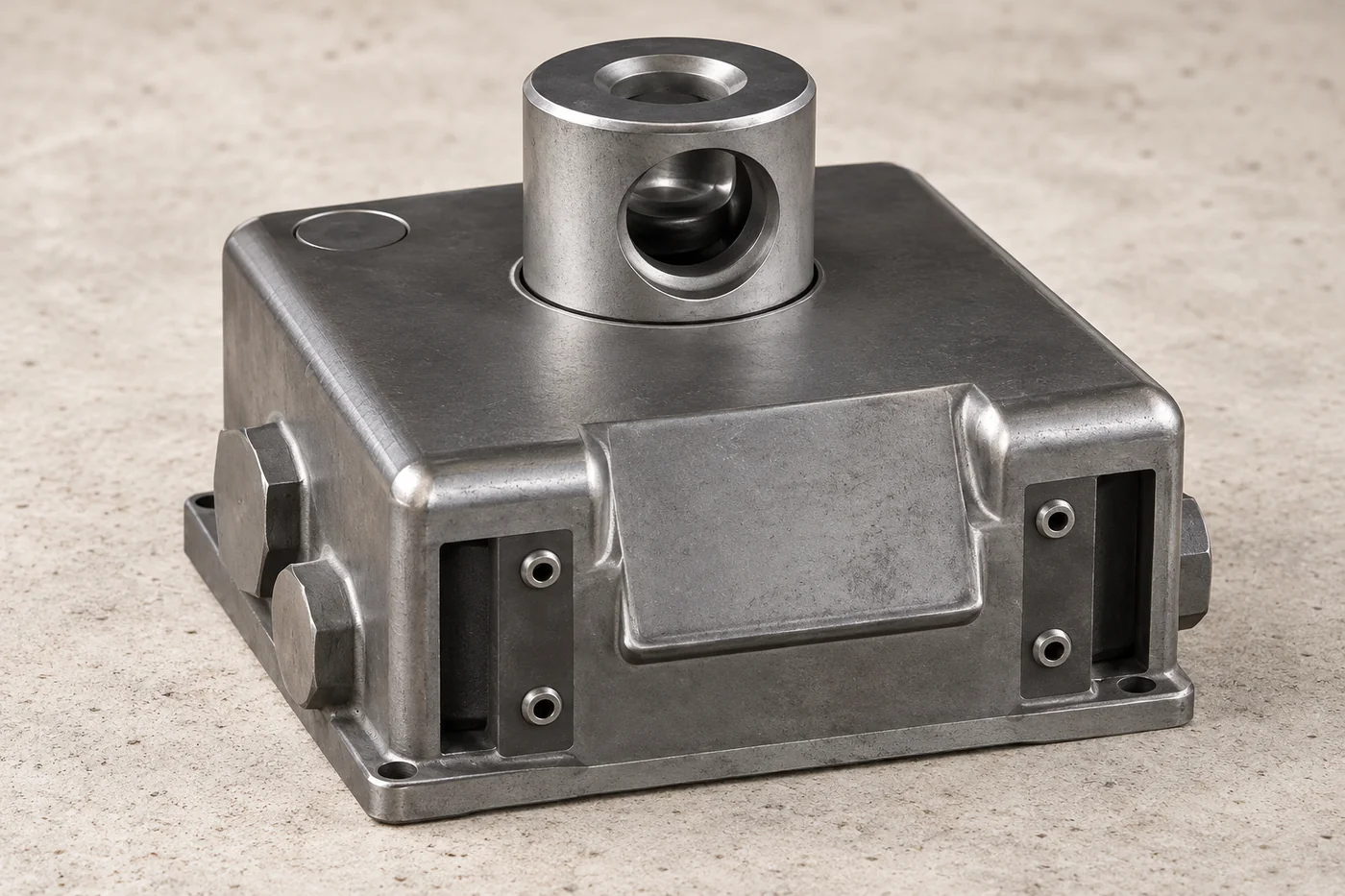
Specify the flatness, surface condition, thread definition and positional relationships that matter to the assembly. Give the datum scheme enough detail to connect those requirements. We review the finishing and checking approach for the actual interfaces rather than carrying a generic tolerance across the whole body.
05 · DEBURRING AND CLEANING
Put internal cleanliness into the scope
Passage intersections and hidden areas need attention where burrs or residue could affect the application. State the cleanliness requirement, inspection method and acceptance evidence your team uses. We review the requested work with the route; no unspecified cleanliness class should be assumed from the product description.
06 · VALIDATION
Keep component checks separate from system approval
- Clean component
- Define deburring, cleanliness and passage checks.
- Acceptance limits
- Agree body-test conditions and protect finished seals.
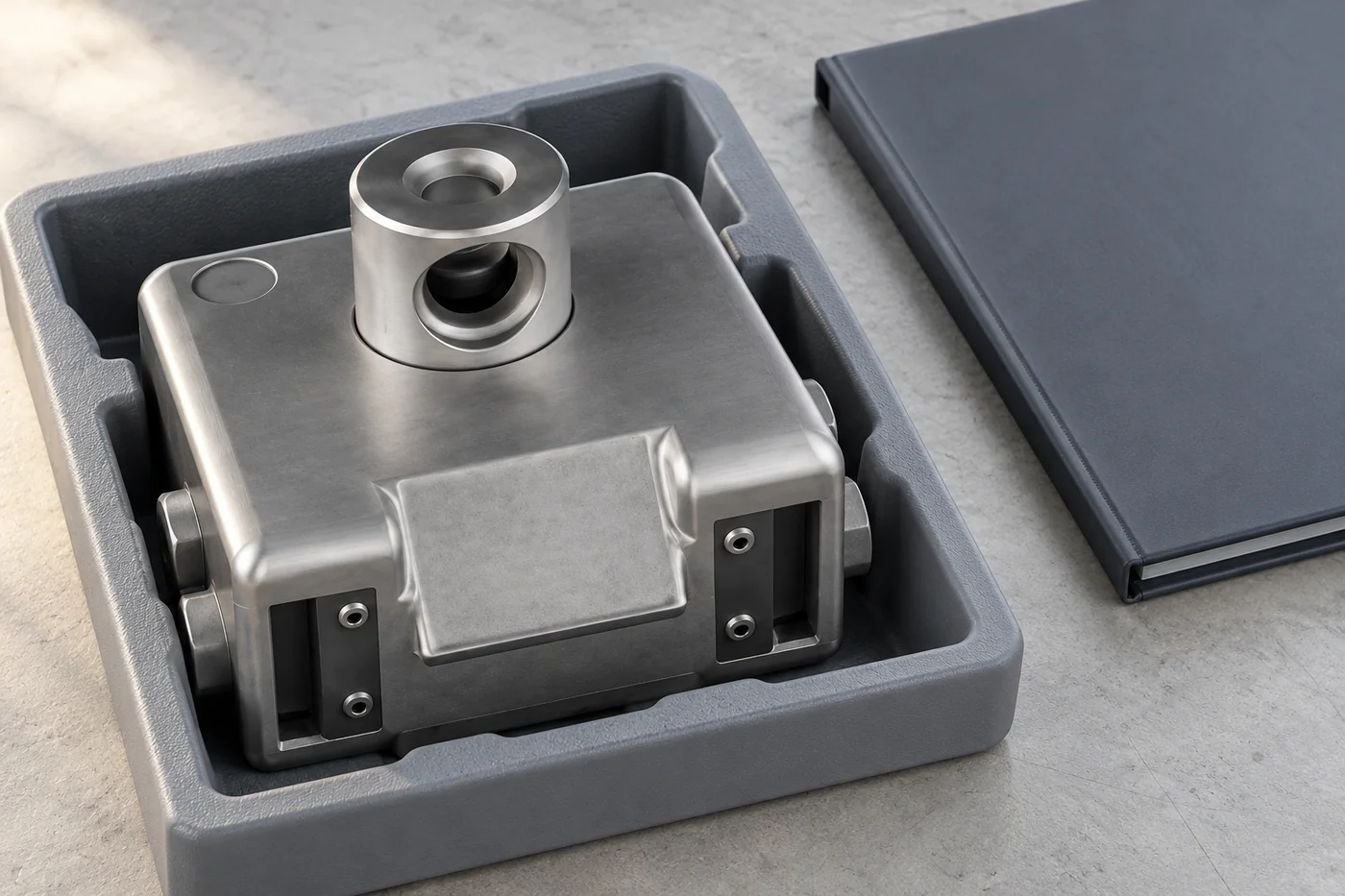
Specify cleanliness, pressure/leak checks and the critical passage or bore measurements in the purchase requirements. Define test conditions and acceptance limits instead of treating the listed material options as a universal hydraulic pressure rating. Protect clean passages and finished seals during packing.
07 · SUPPLY PACKAGE
Quote the work that the drawing actually requires
Connect the selected material and passage design with the machining, finishing, cleaning and verification work requested. List the additional inputs needed to settle any open feature. A quotation can then describe the defined body scope and the remaining decisions without hiding them inside a general custom-part description.
Technical notes
Define the hydraulic circuit interfaces: port thread, sealing style, intersecting passages and mounting locations. Cross-drilled passages need a clear closure and cleaning plan. Small burrs or trapped debris can matter as much as an external dimensional error in a hydraulic assembly.
| Package area | Scope to establish |
|---|---|
| Casting | Material and formed geometry |
| Machining | Ports, faces, passages and closures |
| Condition | Finish, deburring and cleanliness |
| Acceptance | Dimensional and specified test records |
CONNECTED BUYING GUIDES
Continue with the next project decision
Follow the related component and purchasing guides, or open the catalogue reference to carry this requirement into a specific project enquiry.
RELIA · YOUR NEXT PROJECT
Send the body model, sections and port table
Share the internal geometry, finished drawing, selected material and quantity. Add the fluid context, cleanliness requirements and body-level checks your team needs. We can review the manufacturing route and acceptance scope with the internal features visible.
Start with these project details
- Internal model and sections
- Material and finished drawing
- Cleanliness and fluid context
- Quantity and body-level checks
Shuyuan Road, Qingdao, Shandong, China
