
CUSTOM MANUFACTURING · PROJECT REVIEW
Custom Worm and Worm-Gear Sets for Heavy Machinery
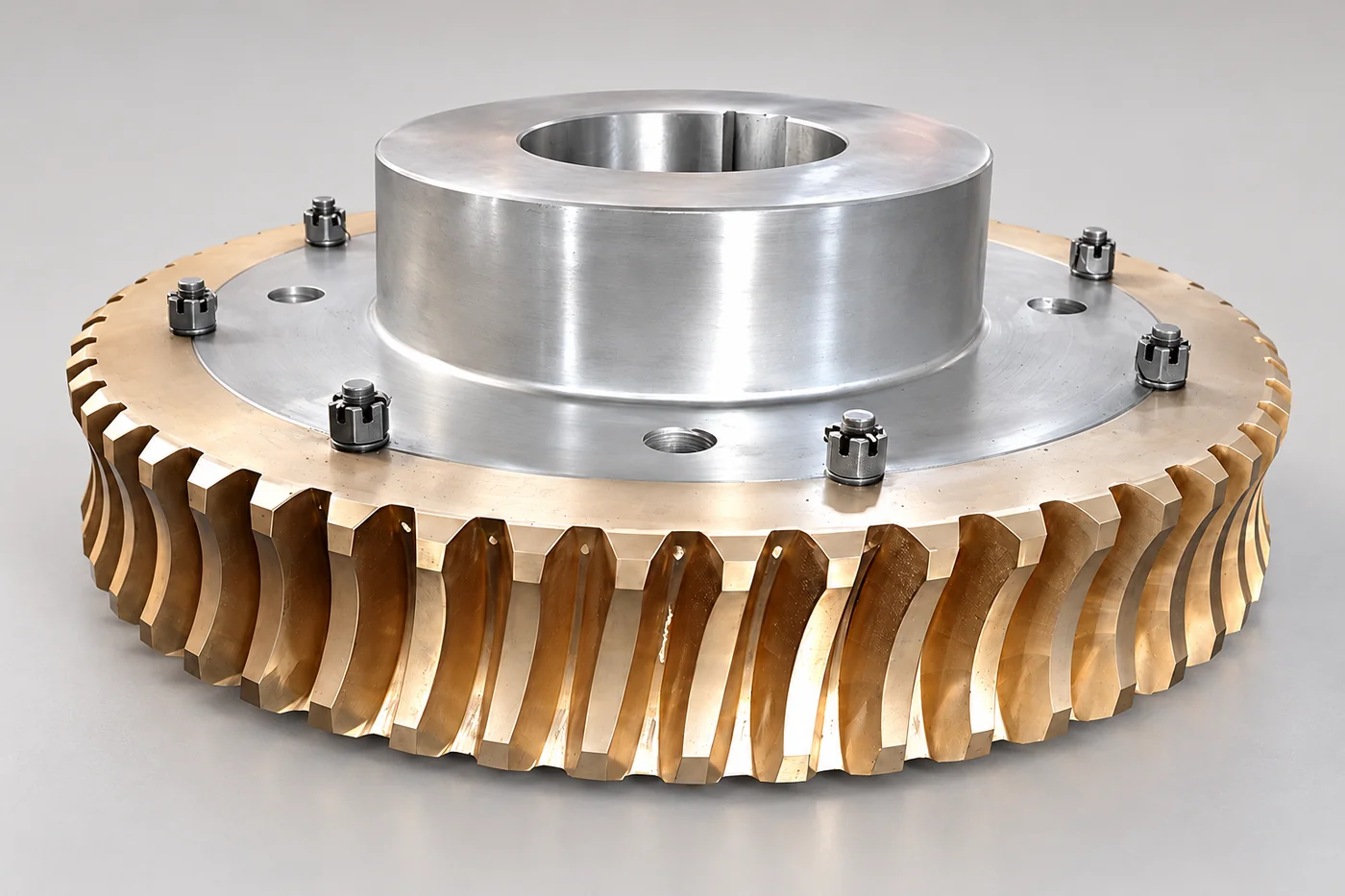
A worm and wheel need a compatible mating definition, not just similar outside dimensions. Relia reviews the specified geometry, material, blank preparation and machining scope, with the included components and assembly checks stated in the enquiry.
RELIA · PRODUCT AND MANUFACTURING SUPPORT
Define the set and its transmission role
Relia's worm-drive reference lists custom size and direction, CNC machining and specified treatment options. Relia's enquiry links the ratio, starts, hand and centre distance to shaft and mounting requirements. That gives machinery buyers a practical comparison basis beyond outside diameter or tooth count, especially when an existing mating member must remain in use.
| Your requirement | Relia product and service scope |
|---|---|
| Product scope | Nonstandard worm and worm-gear components |
| Machining | CNC route with specified treatment |
| Pair geometry | Ratio, starts, hand, lead angle and centre distance |
| Assembly check | Backlash, contact pattern and shaft fits |
02 · TOOTH DEFINITION
Keep both mating geometries available
- Mating definition
- Provide tooth data, axis relationships and locating datums.
- Manufacturing geometry
- Use the controlled specification for the actual pair.
Provide the tooth data, relevant axis relationship and locating datums your design requires. A similar gear photograph cannot establish the mating definition needed for manufacture.
Technical notes
Review material and heat-treatment requirements separately for the worm and wheel. Sliding contact makes lubrication and surface condition important. A low lead angle can increase a self-locking tendency, but friction and operating conditions mean self-locking should not be assumed as a safety function.
MANUFACTURING ROUTE · FEATURES AND CONTROL
Coordinate Tooth Geometry With Shaft and Heat Treatment
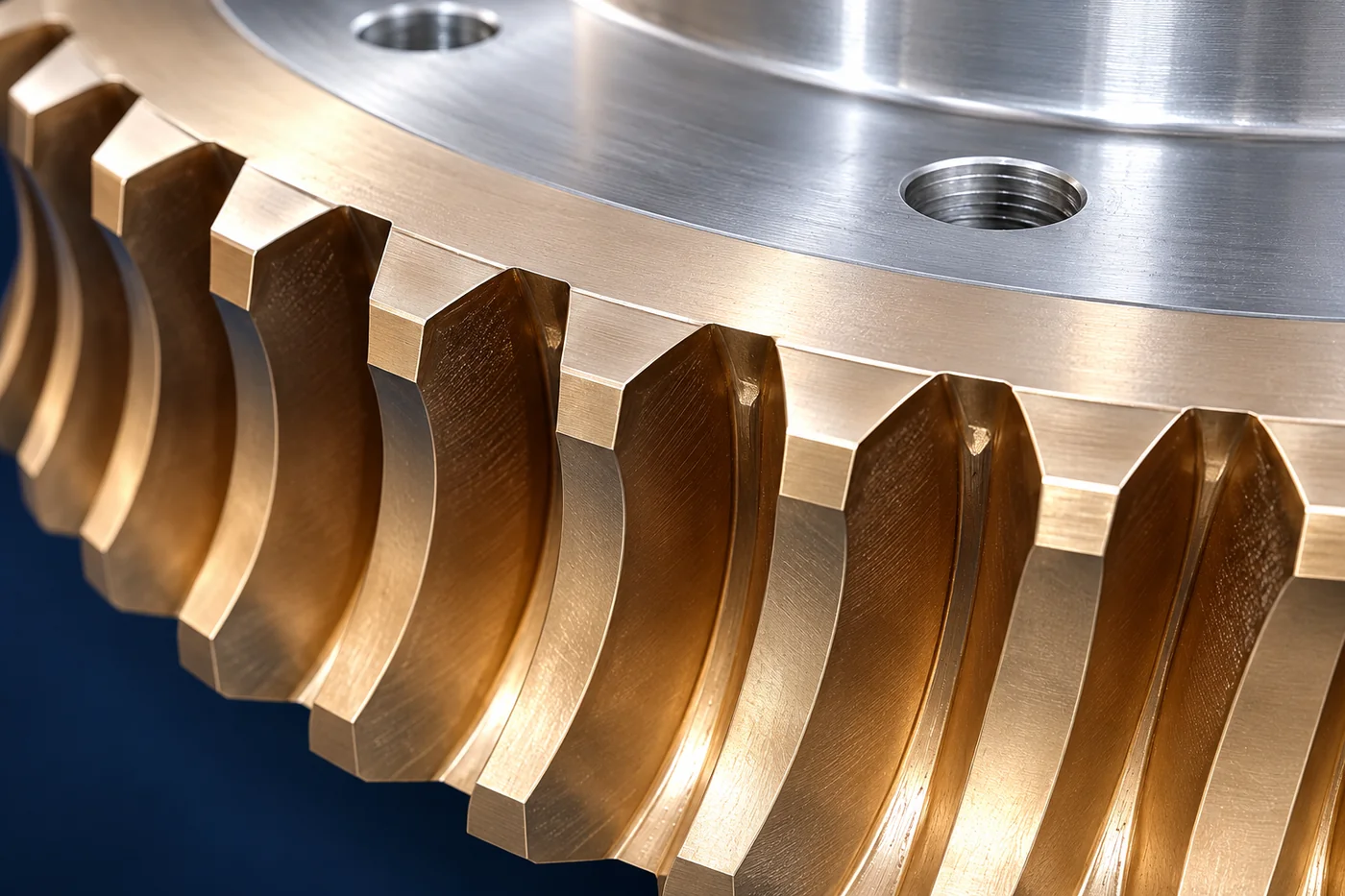
The manufacturing package defines the worm and wheel geometry together, then separates the blanks, bearing locations and tooth-forming operations. Relia's process review identifies the cutting or finishing method required by the drawing and the stage of any specified treatment. A treated shaft may need finish work on its controlled bearing or tooth surfaces. Backlash and contact depend on the paired geometry and assembled centre distance, so they are checked in the nominated mounting relationship rather than inferred from a single component dimension.
- Define the pairRatio, starts, hand, lead and centre distance
- Prepare blanks and shaftsMaterial, bores and locating interfaces
- Cut and finish geometrySpecified tooth route and treatment sequence
- Check the meshBacklash, contact and shaft fits
04 · MANUFACTURING
Separate the blank from the finished gear
- Starting blank
- Define the prepared form and supplied material condition.
- Finished component
- State tooth work, bores and faces included in delivery.
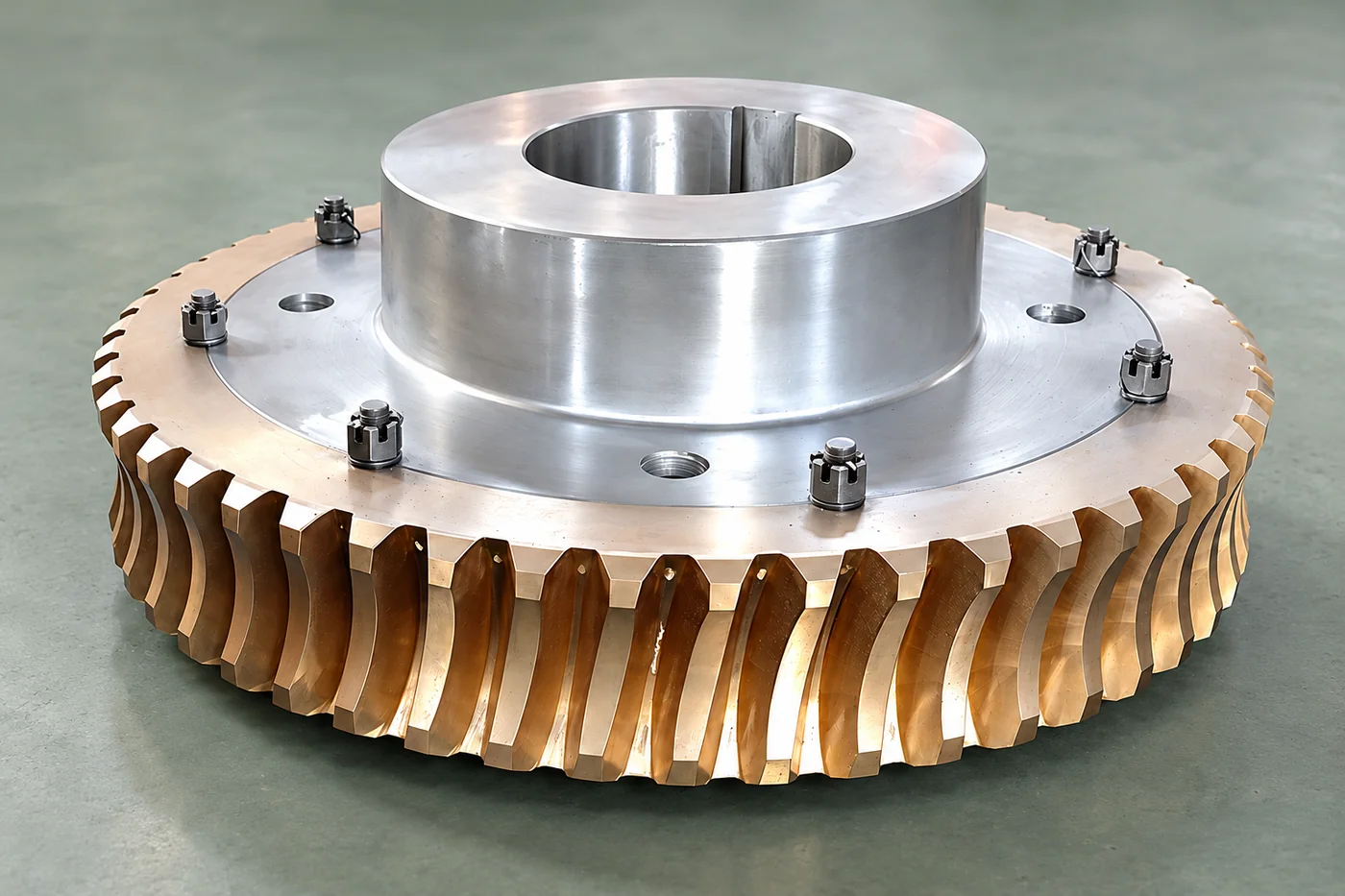
A cast or otherwise prepared blank and a finished toothed component involve different work. Define the bores, faces and tooth-machining scope that belong to the delivered part.
05 · VERIFICATION
Agree gear and assembly acceptance
Specify tooth accuracy, backlash measurement, contact-pattern review and shaft-interface checks. Our listing contains mixed generic material labels, so the quoted alloy and treatment must be explicit. For a replacement pair, agree which geometry is preserved before cutting teeth.
06 · ORDER CONTROL
Keep paired components identifiable
- Matched set
- Agree identification for any expressly paired components.
- Repeat order
- Retain accepted revisions for each included part.
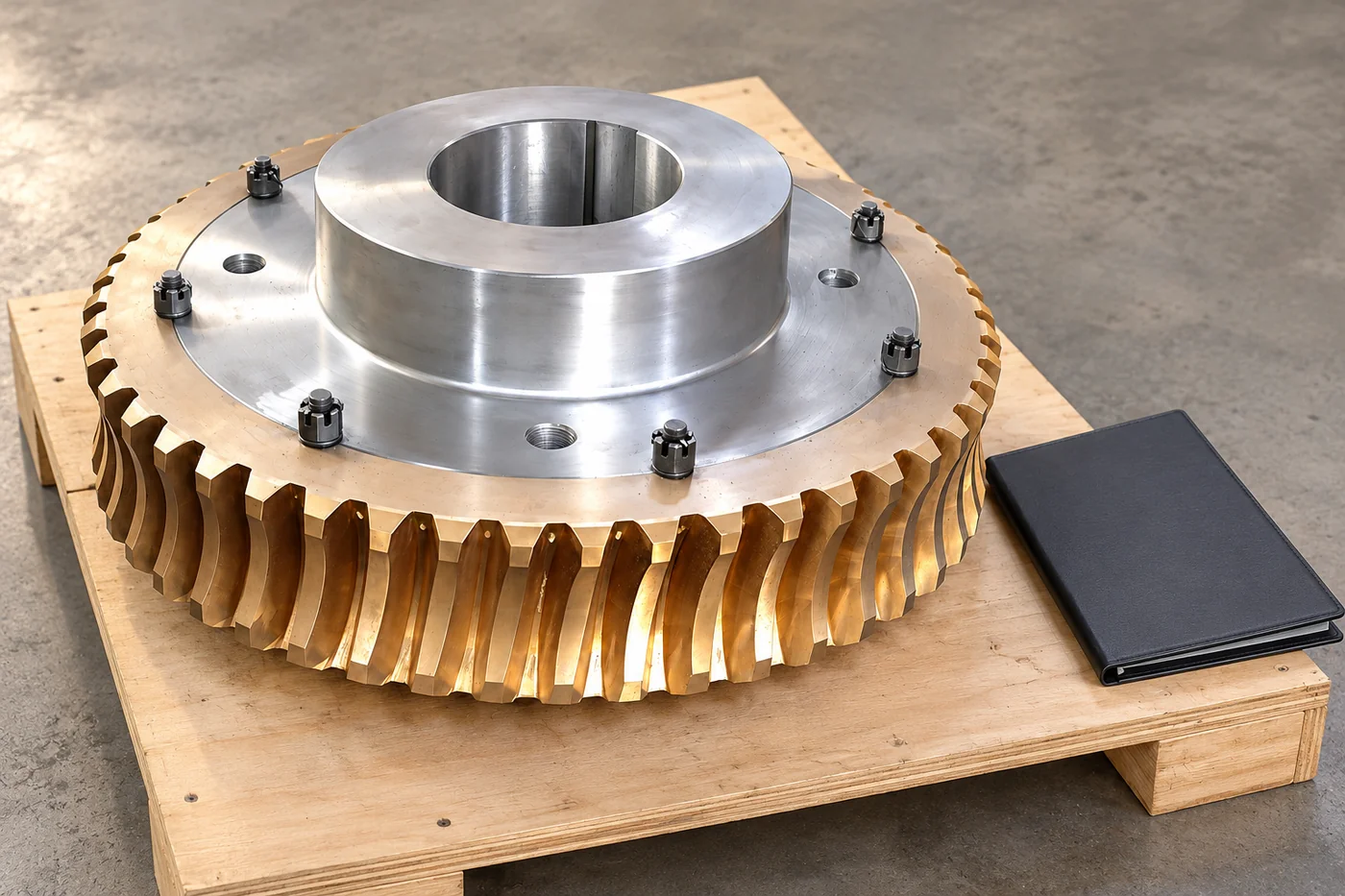
Where parts are supplied as a matched set, agree their identification and the references retained for reorders. Keep revisions and accepted deviations connected to each included component.
07 · QUOTATION
Retain a complete transmission-part brief
The drawings, material and verification requirements should describe the same delivered components. Make any unresolved tooth or mating input visible before the quotation scope is agreed.
Technical notes
Provide ratio, module or pitch system, number of starts, lead angle, hand and centre distance. Include shaft layouts and the existing mating member if only one item is being replaced. These geometric relationships define compatibility more reliably than a photograph of the teeth.
| Package | Retain |
|---|---|
| Geometry | Current component and assembly drawings |
| Manufacture | Blank, machining and treatment scope |
| Acceptance | Required gear and mating checks |
CONNECTED BUYING GUIDES
Continue with the next project decision
Follow the related component and purchasing guides, or open the catalogue reference to carry this requirement into a specific project enquiry.
RELIA · YOUR NEXT PROJECT
Send the component and mating-geometry requirements
Share the tooth definition, assembly relationship, materials and quantities. State the included components and required checks. We can review the manufacturing and quotation scope for the gear, worm or defined set.
Start with these project details
- Tooth and axis definition
- Material by included component
- Set scope and quantities
- Backlash, contact and fit checks
Shuyuan Road, Qingdao, Shandong, China
