
CUSTOM MANUFACTURING · PROJECT REVIEW
Custom Aluminum Die-Cast Hardware for Furniture Brands
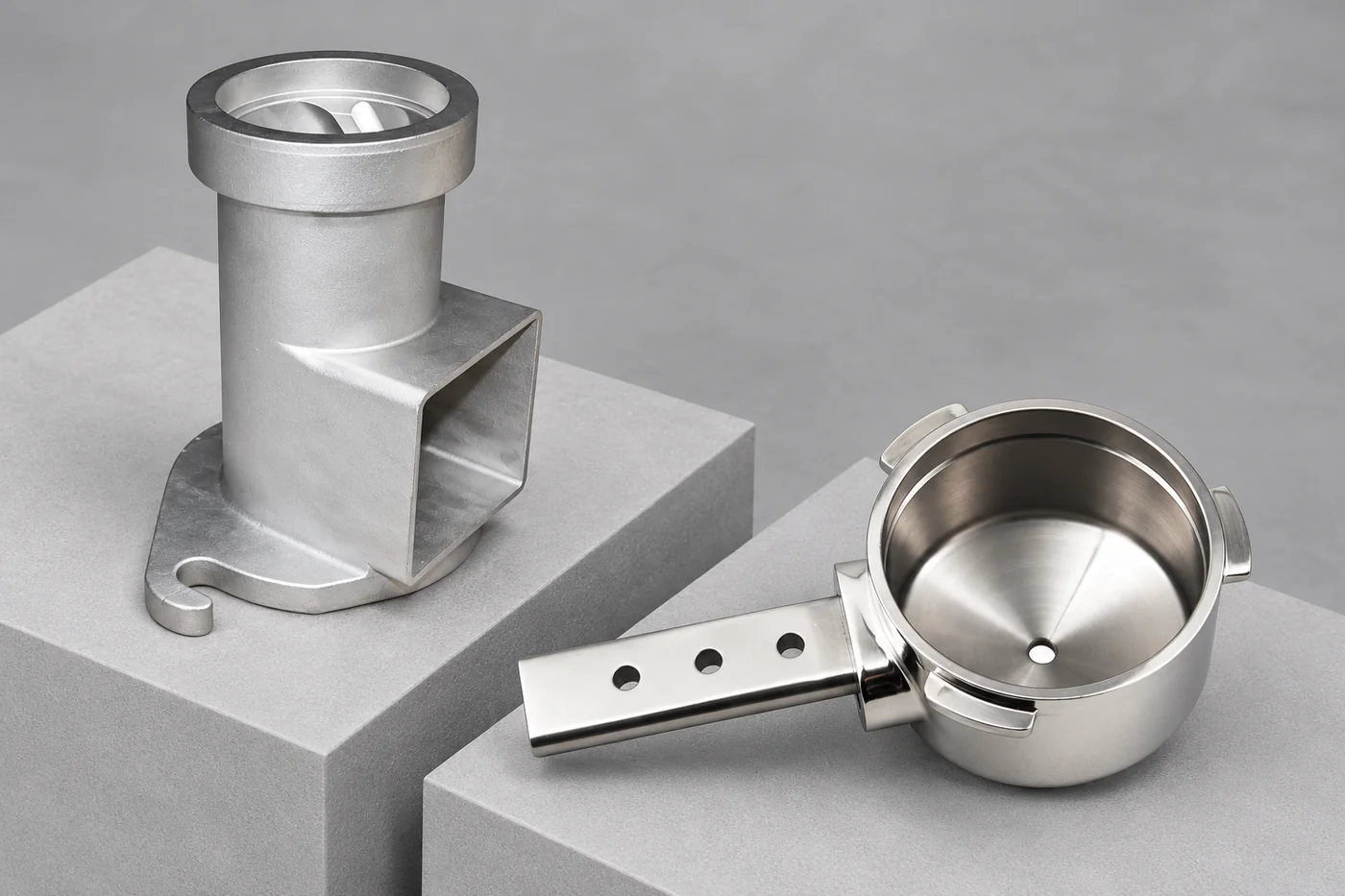
Furniture hardware must fit its joint and match the brand's finish reference. Relia reviews custom aluminium die-cast components around the mounting geometry, specified duty, surface treatment and variant quantities in your enquiry.
RELIA · PRODUCT AND MANUFACTURING SUPPORT
Define the furniture-hardware family
Relia's aluminium furniture-hardware reference accepts STEP/CAD designs and customized dimensions, colours and surface treatment, with samples available. Relia connects the visible faces to mounting holes, mating panels and fastener access. A handle, foot or structural connector can then be reviewed for its own requirements rather than a common decorative outline.
| Your requirement | Relia product and service scope |
|---|---|
| Material | Aluminium alloy; grade to agree |
| Design files | STEP/CAD |
| Customization | Dimensions, colour, sample and surface treatment |
| Approval focus | Furniture joint fit, visible finish and specified function |
02 · DESIGN BASIS
Keep structural and mounting requirements visible
- Component role
- Provide the structural and assembly requirements.
- Manufacturing focus
- Mark connection features and critical regions.
Share the duty and assembly requirements established by your design team. Mark the connection features and relevant critical regions so the manufacturing review follows the intended component role.
Technical notes
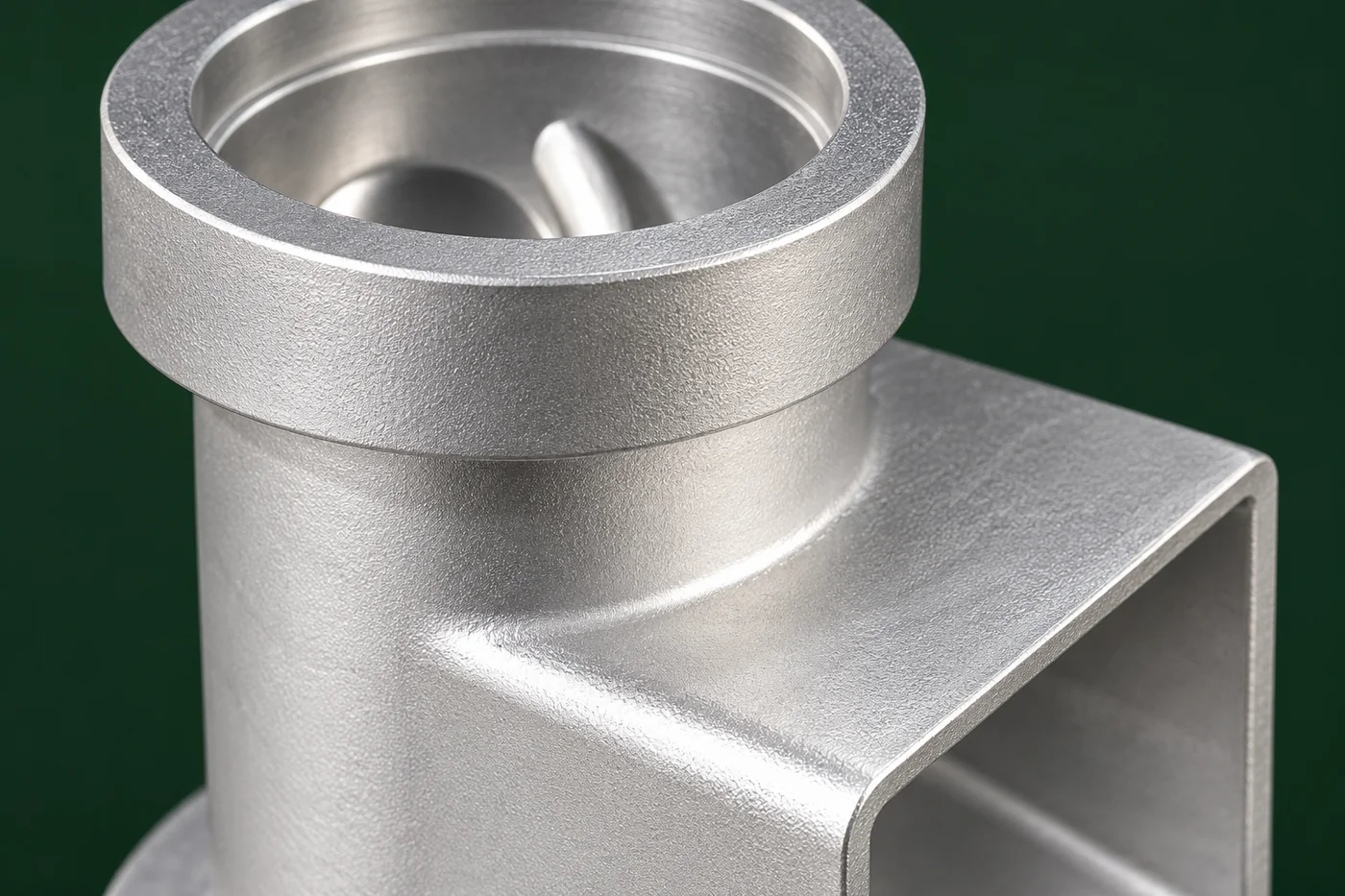
Review bosses, ribs and section changes for casting and screw attachment. Define the finish system and any masked contact areas rather than selecting colour alone. A decorative coating can affect thread fit, sliding contact or the perceived consistency between adjacent parts.
MANUFACTURING ROUTE · FEATURES AND CONTROL
Design the Die-Cast Body for Fixing and Appearance
Reusable tooling forms the aluminium body, ribs and bosses, with gates and parting features placed for practical casting and preparation. After trimming and deburring, Relia's machining scope establishes threads or other controlled mounting features. The finish route then addresses the approved colour and visible zones while preserving working fits. Sample approval combines the furniture-joint relationship with appearance. Any load or cycle check uses a defined assembly and criterion instead of inferring strength from the casting shape.
- Map the furniture jointMating panels, fixings and visible faces
- Die cast the bodyBosses, ribs and practical tool-release shape
- Finish the componentMachined attachment and decorative surface
- Approve the sampleAssembly fit, appearance and specified function
04 · APPEARANCE
Approve colour and texture as order requirements
- Brand finish
- Define colour, texture and the acceptance reference.
- Visible zones
- Agree masking and permitted appearance variation.
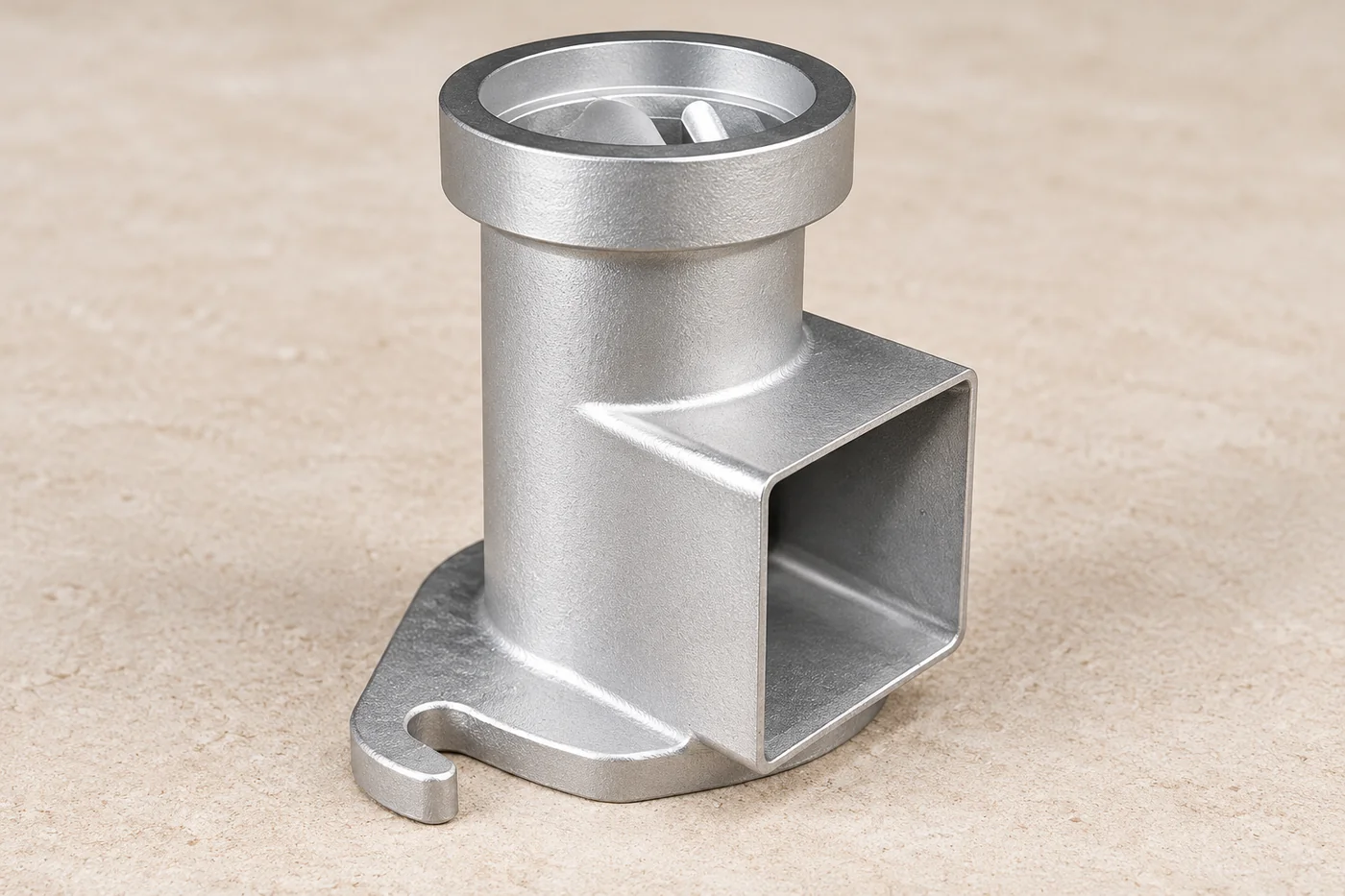
Provide the finish reference used by your brand. Identify visible areas, masking and permitted variation so the surface proposal can be reviewed against a clear acceptance basis.
05 · APPROVAL
Validate fit and the specified duty
Approve dimensions and appearance with a sample that represents the intended finish. Specify any required assembly load or cycle test with its conditions. The catalogue's strong-structure description is not a declared furniture load rating for an untested design.
06 · REPEAT SUPPLY
Control variants and surface protection
- Variant record
- Link each revision to its accepted finish.
- Receiving clarity
- Agree identification and protection of visible surfaces.
Keep part revisions and accepted finish references linked to each variant. Discuss suitable protection and identification for receiving, with authorised design use retained in the project record.
07 · PURCHASING
Quote the complete hardware deliverable
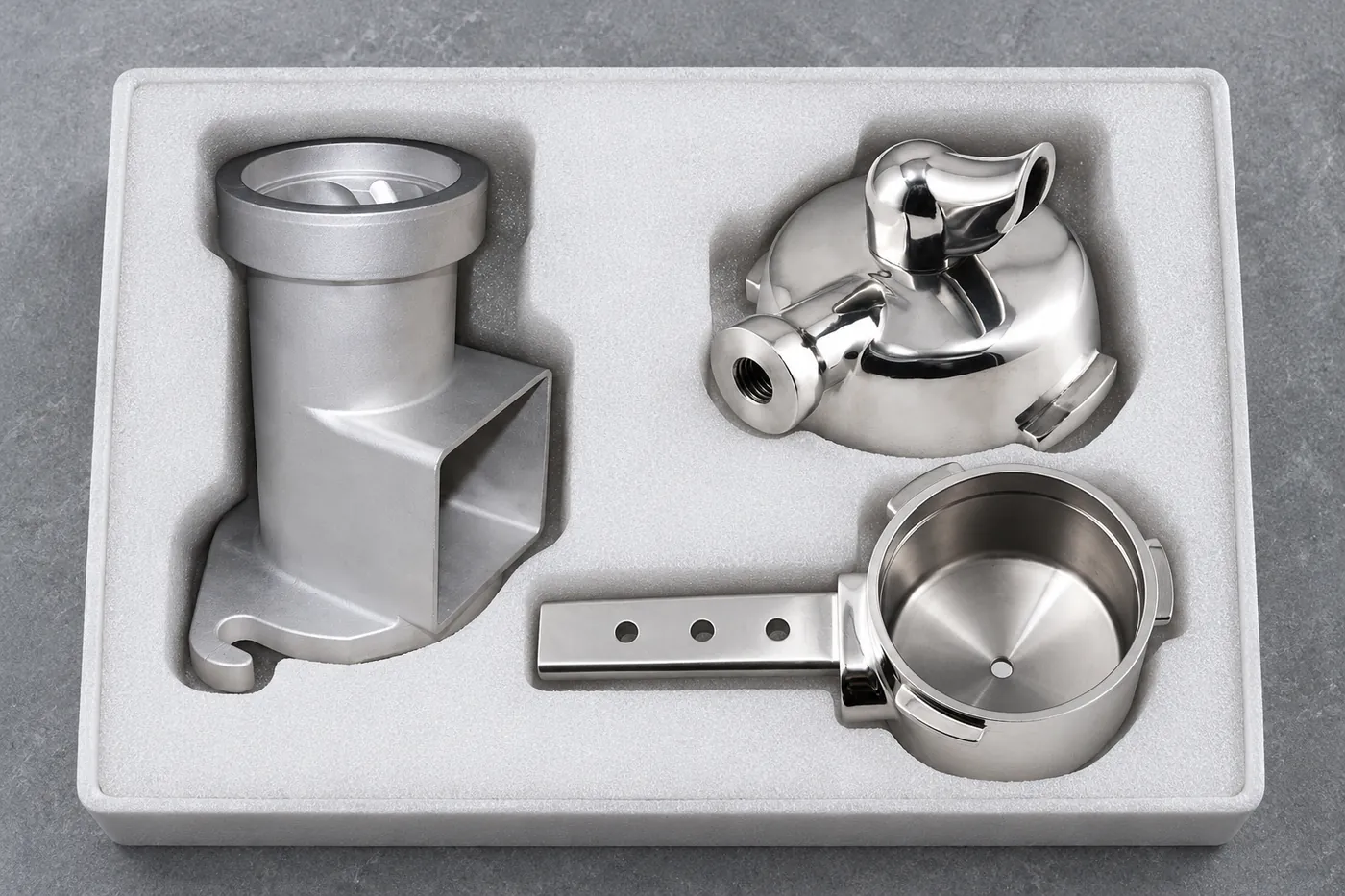
Identify tooling, parts, machining, finish and required records as explicit scope items. Keep open design or approval inputs visible before the quotation is agreed.
Technical notes
Show the furniture joint, mounting holes, mating panels and installation access. Identify visible faces and edges touched by the user. A handle, foot and structural connector have different priorities even when they share the same aluminium casting process.
| Scope | Retain |
|---|---|
| Development | Tooling and accepted geometry |
| Parts | Material and finished condition |
| Acceptance | Fit, appearance and specified duty checks |
CONNECTED BUYING GUIDES
Continue with the next project decision
Follow the related component and purchasing guides, or open the catalogue reference to carry this requirement into a specific project enquiry.
RELIA · YOUR NEXT PROJECT
Share the hardware models and furniture interfaces
Send the component drawings, selected alloy, variants and quantities. Add the finish reference and required assembly or duty checks. We can review the tooling and delivered-hardware scope with your team.
Start with these project details
- Hardware drawings and variants
- Selected alloy and quantities
- Colour and texture reference
- Joint-fit and specified duty checks
Shuyuan Road, Qingdao, Shandong, China
