
PRODUCT-BASED REFERENCE
Prepare a Casting, Equipment or Foundry-Material RFQ
A clear enquiry explains what you need to receive and how it will be accepted. Relia can review a component drawing, an equipment task or a foundry-material trial; use the matching brief to connect technical requirements, quantities and quotation scope.
RELIA · BUSINESS AND TECHNICAL SUPPORT
Choose the right enquiry package
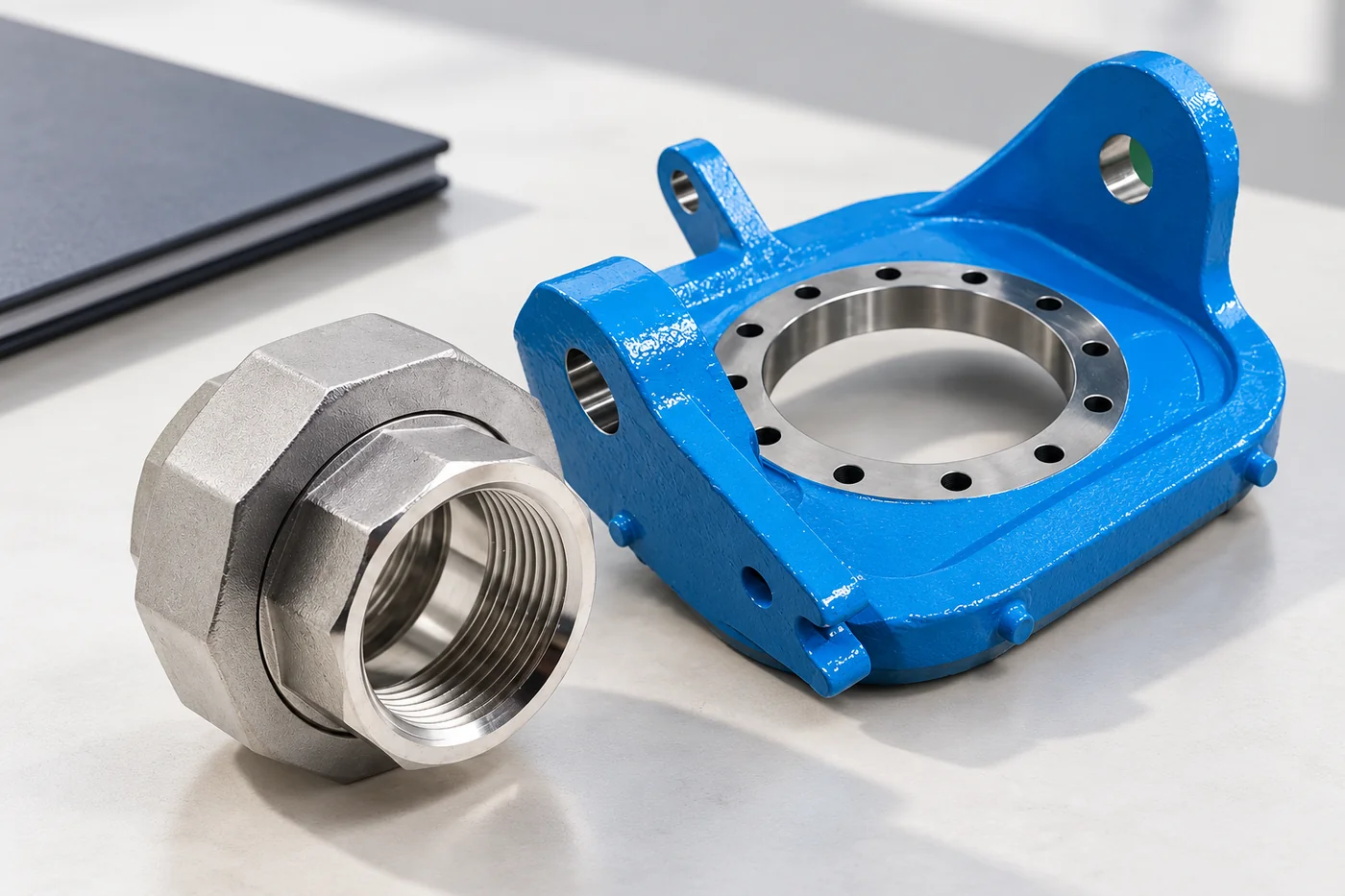
Relia’s business covers drawing-based components and related casting-workflow enquiries, so the first technical package depends on the purchase. A component needs material and finished geometry; a machine needs work and utilities; a powder, wax or resin needs its formulation and process context. Relia uses that package to connect the proposed route, supplied items, acceptance and quotation instead of treating every enquiry as the same price request.
| Selection point | Practical requirement |
|---|---|
| Custom component | Drawing/sample, grade, quantities and finished condition |
| Equipment | Operation, alloy/workpiece/flask, utilities and configuration |
| Consumable | Formulation/reference, pattern, alloy and current process |
| Replacement | Existing part, mating interfaces, wear and original data |
PRODUCT-BASED REFERENCE
Send models and finished-feature drawings together
- Shape model
- Provide the 3D geometry in an applicable file format.
- Finished drawing
- Identify datums, fits, threads, roughness and revision.
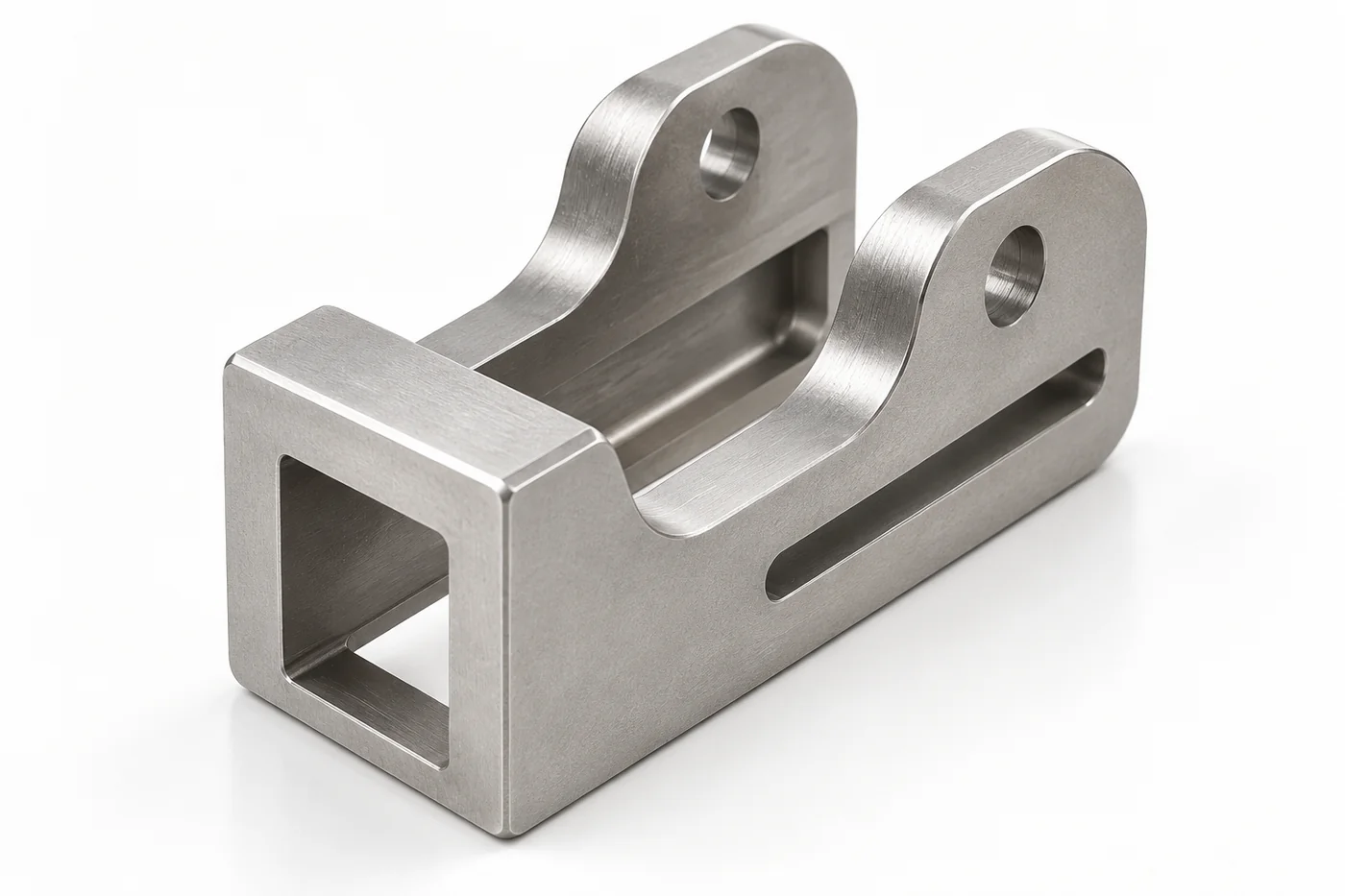
The 3D model communicates shape while the 2D drawing records datums, fits, threads, roughness and revision. Our component references accept formats including STEP/IGES and PDF/CAD. Mark the features that must be machined, and identify uncertainty if the enquiry starts from a worn sample.
TECHNICAL BUYING GUIDE
Make quantities and tooling visible
Separate first samples, pilot quantity, normal batch and annual forecast. Identify existing tools and fixtures with ownership and condition. A one-piece sample minimum on one item does not establish the production minimum, tooling cost or repeat price of another component.
| Selection point | Practical requirement |
|---|---|
| Samples | Quantity and decision the sample must support |
| Production | Normal order quantity and annual forecast |
| Tools | New or existing; ownership, condition and supplied items |
| Repeat basis | Released revision, finish and acceptance scope |
PRODUCT-BASED REFERENCE
Explain the duty that changes the manufacturing review
- Operating context
- Explain the fluid, duty, bearings or sealing arrangement.
- Manufacturing focus
- Show why the controlled interfaces matter to the assembly.
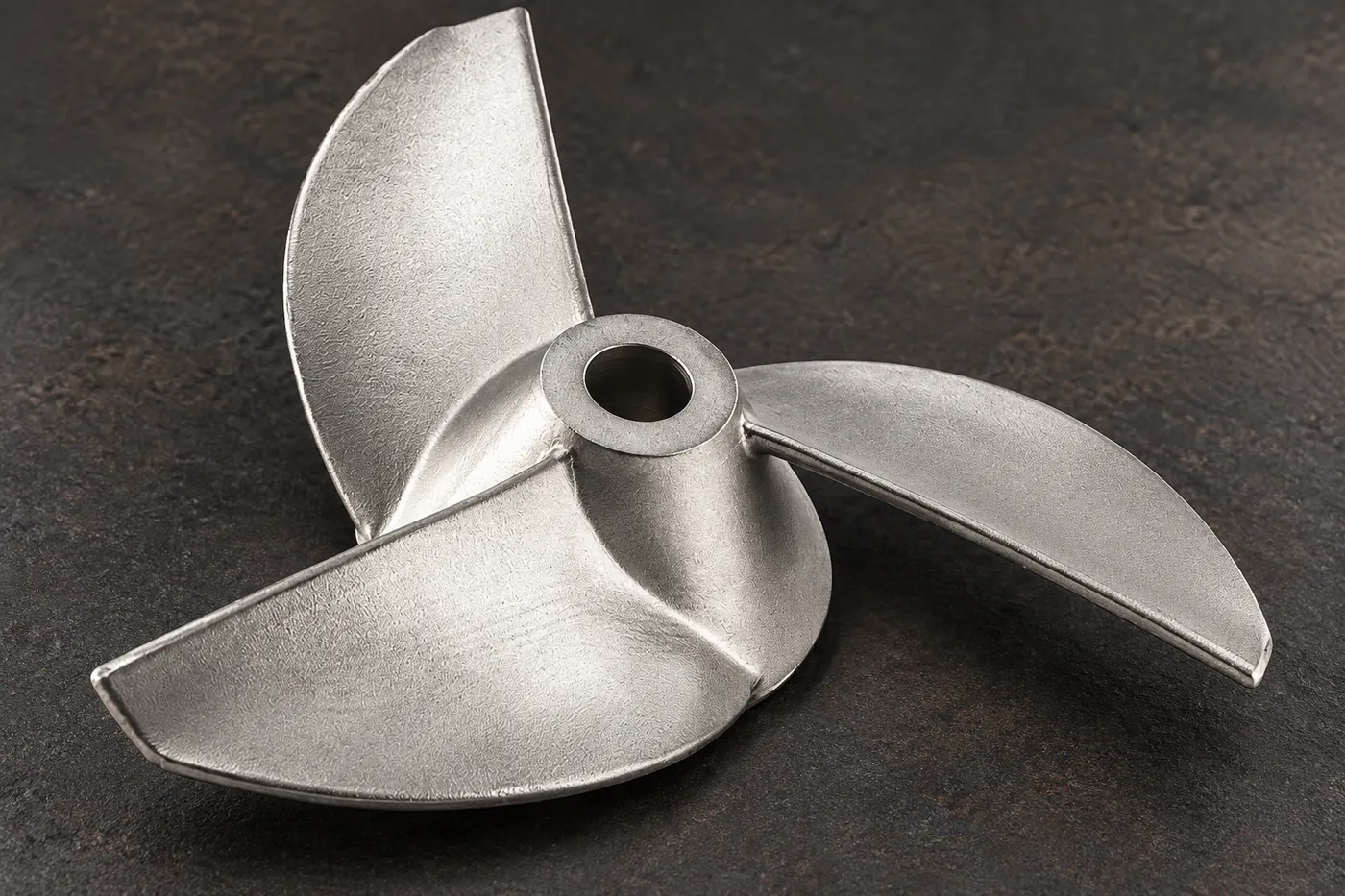
For an impeller, include fluid, temperature, speed, blade model and shaft connection. For a housing, identify bearings, seals and mounting datums. These inputs explain why a feature matters and help separate a required manufacturing check from a complete-system performance responsibility.
Technical notes
The process information should explain the feature, not merely list a technology name. For an impeller, Relia reviews the investment-cast blade form together with the machined shaft interface; for a housing, the cast walls and bosses connect to finished bores or sealing faces. State the operation and supplied condition needed on the drawing so the quotation can include that actual work.
TECHNICAL BUYING GUIDE
State the finish and acceptance deliverables
Name the material standard and supplied condition. Define surface treatment, masked zones, critical dimensions and required tests. For pressure or leak checks, include the actual conditions and limit. Ask for the records your receiving or approval process needs rather than an unspecified certificate package.
| Selection point | Practical requirement |
|---|---|
| Material | Standard, grade, condition and required record |
| Finish | Surface system, appearance zones and masking |
| Inspection | Features, methods, limits and sampling |
| Documents | Reports linked to part, revision and batch as required |
PRODUCT-BASED REFERENCE
Include protection and destination requirements
- Damage-sensitive features
- Identify bores, polished surfaces or heavy support points.
- Delivery brief
- Include protection, destination and required handling information.
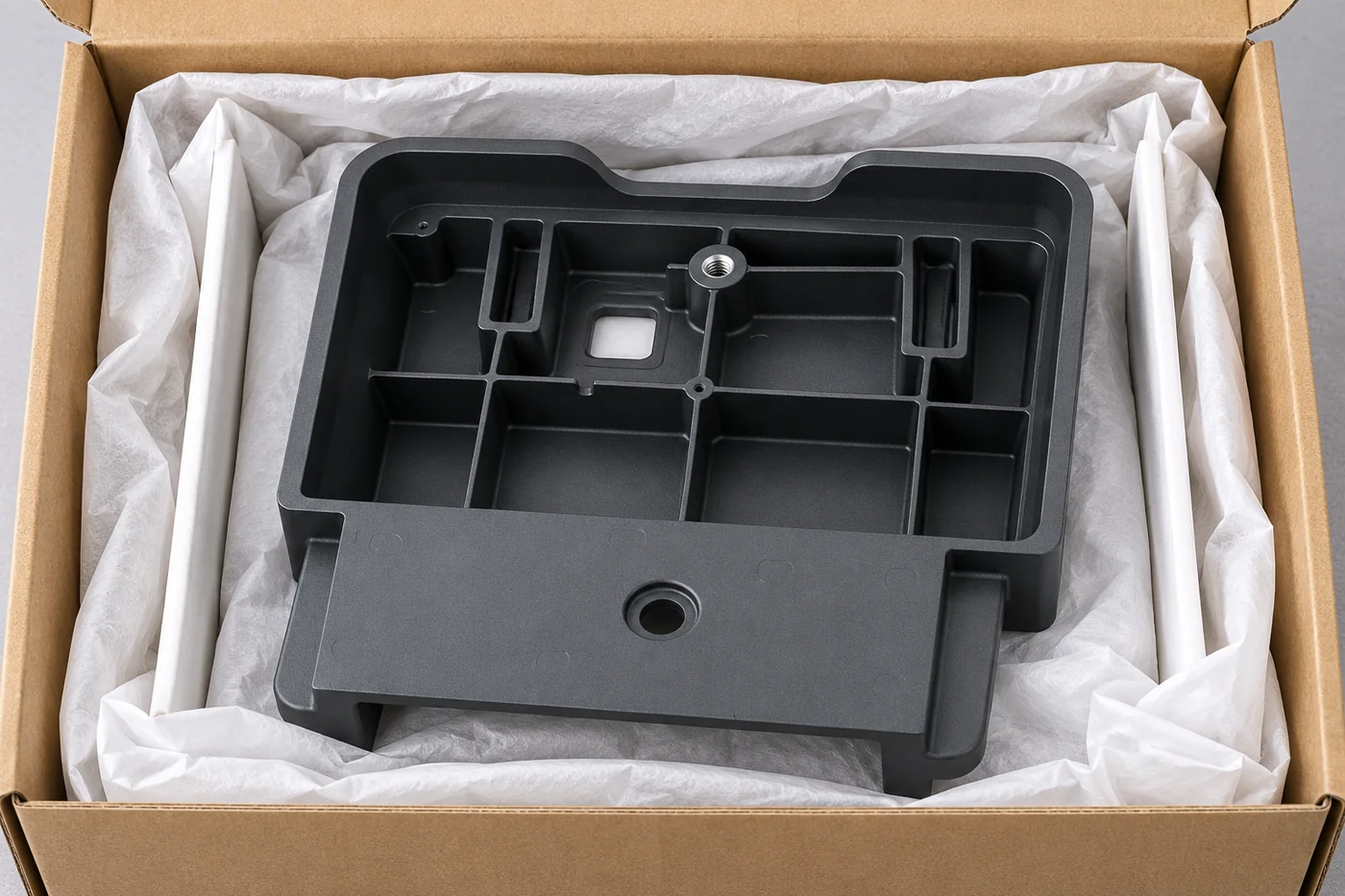
Packing depends on part mass, finish and damage-sensitive features. State whether the order needs protected bores, separated polished pieces or a supported heavy casting. Include destination and any delivery requirements so packaging and logistics are reviewed with the actual supply package.
TECHNICAL BUYING GUIDE
Compare the same supplied scope
A raw casting, a machined component and a tested assembly are different deliverables. Compare tooling, material, machining, finish, inspection, packing and logistics consistently. For equipment, compare included pump, furnace, crucible and commissioning items rather than machine price alone.
| Selection point | Practical requirement |
|---|---|
| Base supply | Casting, finished part, assembly or selected machine |
| Included work | Machining, finish, tests and accessories |
| Open points | Alternatives, exclusions and required customer approval |
| Commercial basis | Quantity, tooling, packing and agreed delivery scope |
TECHNICAL BUYING GUIDE
Use a clear first-message example
A short structured message is enough to start. For example: custom 316 stainless bracket, drawing revision B attached by the agreed channel, 20 trial pieces and 500 annual forecast, machined pivot bores, polished visible faces and a dimensional sample report. Values here illustrate an enquiry format, not a standard factory offer.
| Selection point | Practical requirement |
|---|---|
| Reference | Part number / catalogue URL and revision |
| Requirement | Material, quantity and finished condition |
| Priority | Critical fit, service condition or process difficulty |
| Next input | Available drawings and the review needed |
RELIA · YOUR NEXT PROJECT
Start the technical conversation
Use the contact form, email, phone or WhatsApp with the product reference and a short requirement. The website form accepts written information; contact us to agree the channel for CAD or other files. Keep the drawing and the latest technical decisions together as the enquiry develops.
Start with these project details
- Product reference and short requirement
- Drawing, equipment or material brief
- Quantities and delivered condition
- Acceptance and document priorities
Shuyuan Road, Qingdao, Shandong, China
