
CASTING · MACHINING · FINISHED COMPONENTS
Finished Cast Components with CNC Machining and Surface Treatment
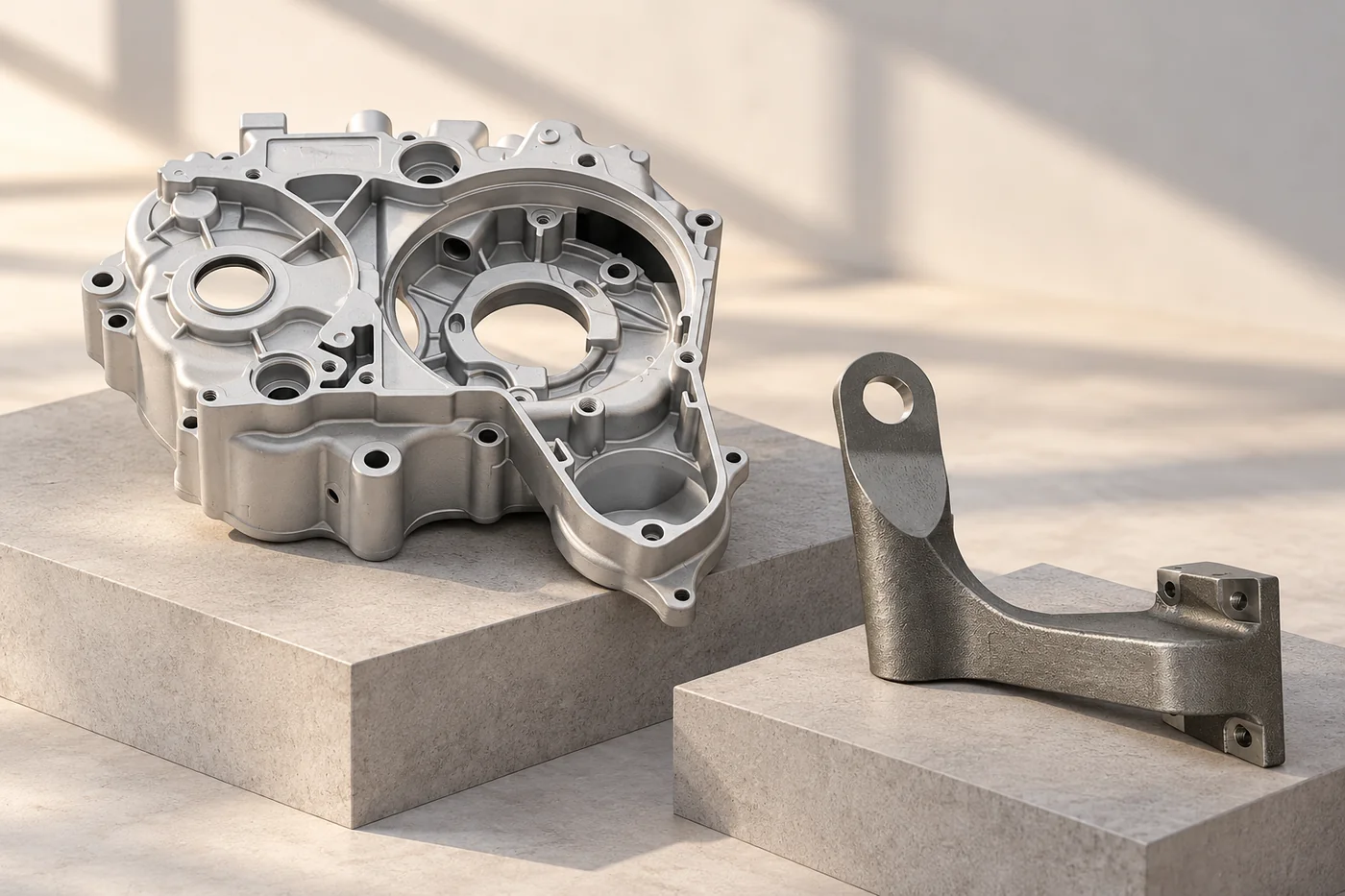
Relia combines cast components with the machining and finishing needed for assembly. This guide helps you specify the delivered part, connect its datums and treatments, and compare quotations for the same finished scope.
RELIA · PRODUCT AND MANUFACTURING SUPPORT
Define the finished part before the first operation
Relia's component range combines cast geometry with CNC machining and specified surface treatment. Aluminium gearbox references include A380/A360/A413 options; steel and iron descriptions include treatment choices such as normalizing or quench-and-temper. Relia uses the finished requirement to connect those operations, while the selected part's material, treatment, machining and inspection remain explicit in the quotation.
| Your requirement | Relia product and service scope |
|---|---|
| Aluminium example | A380/A360/A413 gearbox housing |
| Machining example | Bearing locations, faces, threads and bores |
| Heat-treatment options | Annealing, normalizing, quenching or tempering on relevant steel/iron parts |
| Finishing options | Powder coating, painting, anodizing or specified treatment |
02 · DIMENSIONAL ROUTE
Plan datums and stock allowance together
- Locating datums
- Show how bores and mounting faces relate.
- Machining stock
- Leave allowance for the required finishing operations.
The surfaces used to locate a casting affect how its finished features relate to one another. Show the datum scheme, mating bores and mounting faces on the drawing. We can then review machining access and the material needed for the finishing operations rather than treating each dimension as an isolated request.
Technical notes
Keep three requirements separate: casting geometry, machined interface and finished surface. Coating adds thickness, and heat treatment can affect dimensions. We review stock allowance, accessible tool paths and masking before settling the final route so that a later operation does not undo an earlier accepted feature.
MANUFACTURING ROUTE · FEATURES AND CONTROL
Sequence Treatment, Machining and Finish Together
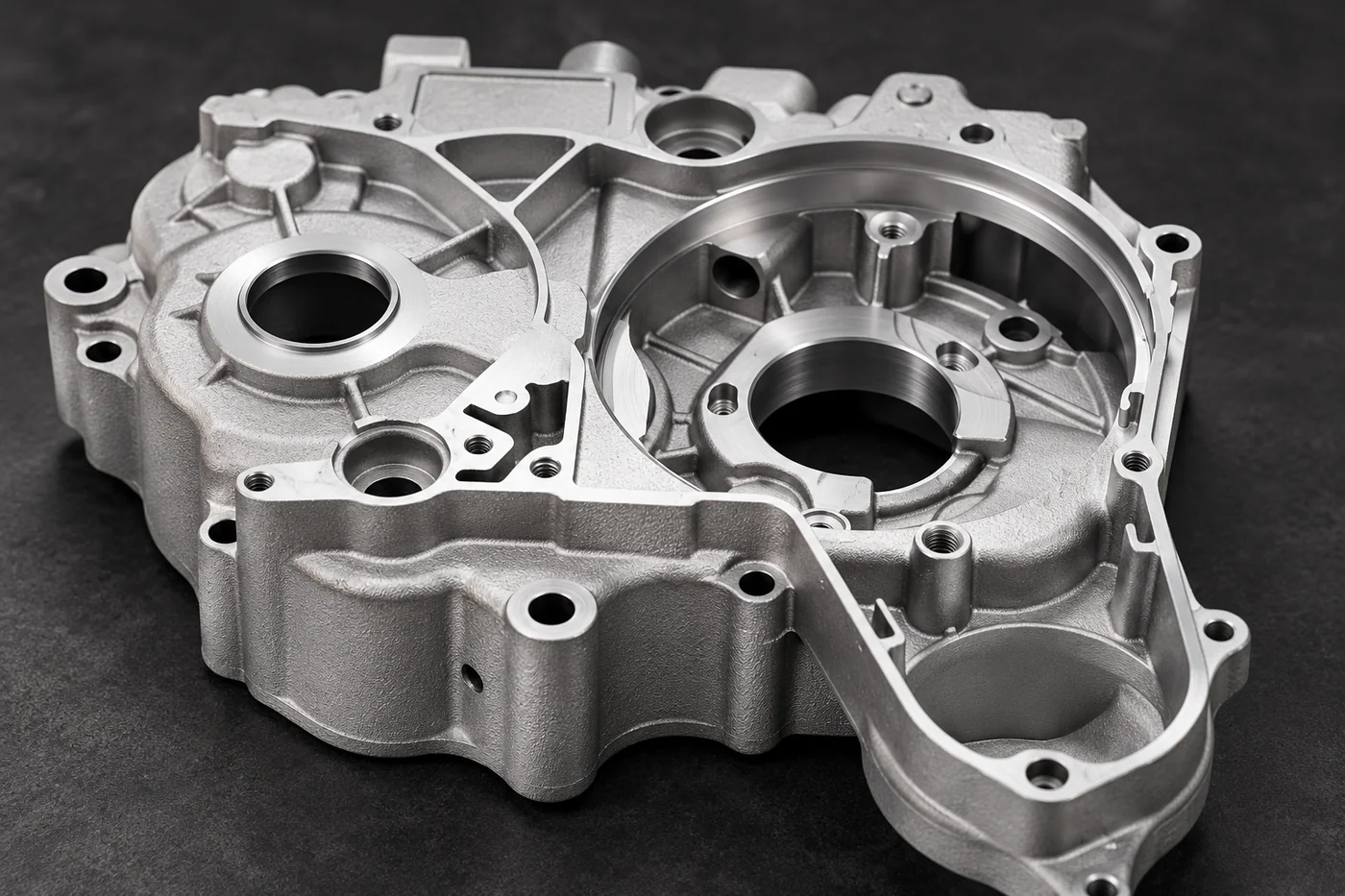
The starting shape needs enough machining allowance without unnecessary material removal. Treatment is placed in the route according to the alloy and required condition; rough and finish machining are then planned around the dimensions that must remain stable. Relia's finishing review identifies masking on threads, bearing locations and contact faces. Final checks follow the last operation that can change an accepted feature, which is particularly useful when a coating adds thickness to an otherwise correctly machined part.
- Casting definitionGeometry, stock allowance and material condition
- Treatment and preparationSelected alloy route before final dimensions
- CNC and surface finishDatums, masking and controlled interfaces
- Final acceptanceFinished-size checks and specified test records
04 · ASSEMBLY FIT
Keep functional faces in view
- Assembly location
- Mark the faces and holes that position the component.
- Acceptance basis
- Connect each critical interface to its drawing requirement.
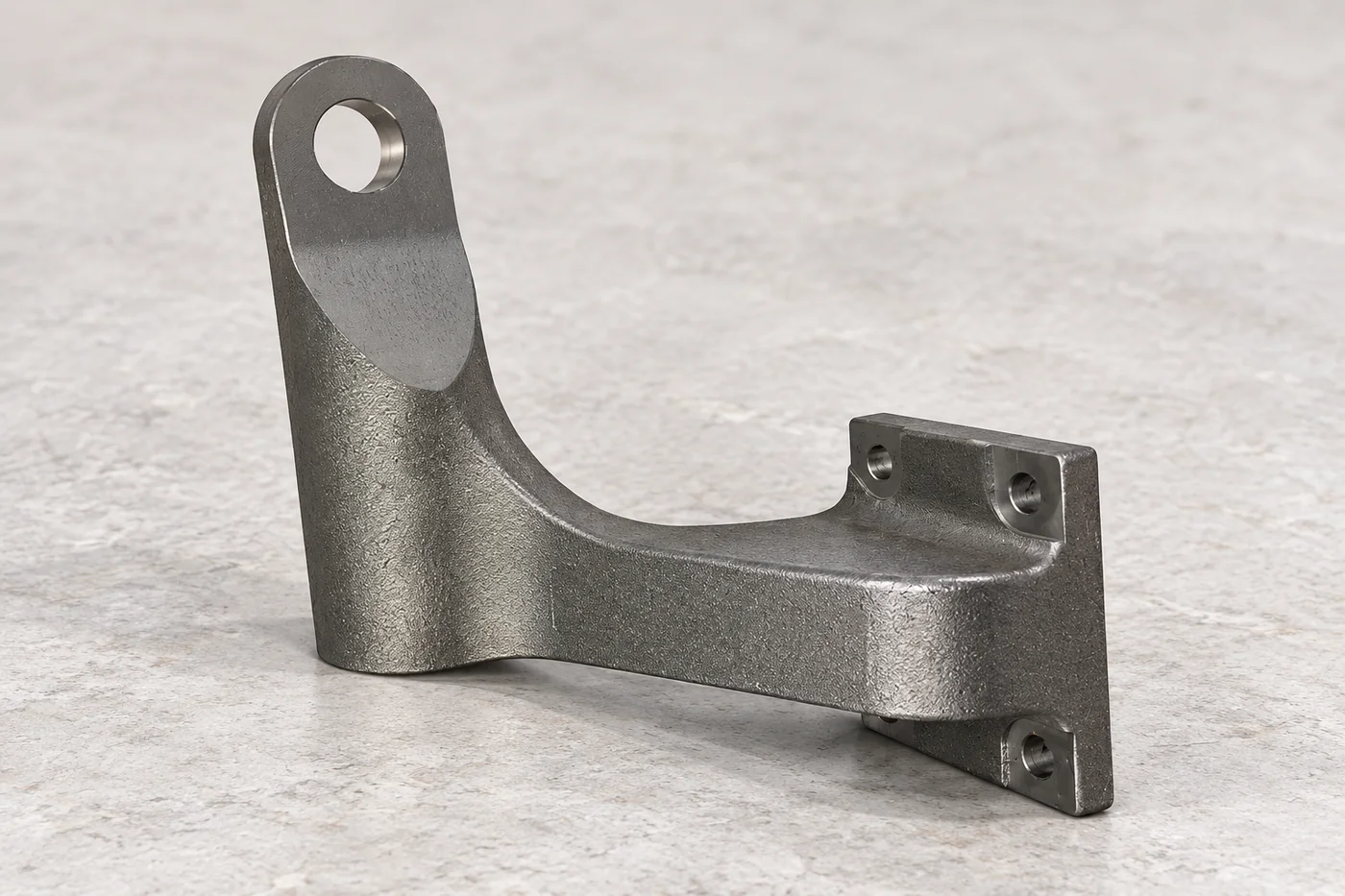
A mounting eye and a fastening foot may look simple, yet their relationship controls the assembly. Identify the faces and holes that locate the part, and describe the mating condition. The same approach applies to housings and threaded components: functional interfaces receive their own dimensional and inspection definition.
05 · SURFACE REQUIREMENTS
Specify finishing without losing the fit
Our aluminium housing reference lists grinding, leak testing and dimensional inspection options. These become useful only when tied to named features and agreed limits. For a leak test, state medium, pressure, hold time and allowable leakage; for a bore, state its datum, size, geometry and finish.
- RequirementFinish and visual reference
- CoverageTreated and masked areas
- FitAllowances at mating features
- ApprovalAgreed appearance and checks
06 · PACKING REVIEW
Protect the features needed at assembly
- Protect the finish
- Identify exposed threads, seals and coated surfaces.
- Define the delivery
- Agree identification, accessories and handling protection.
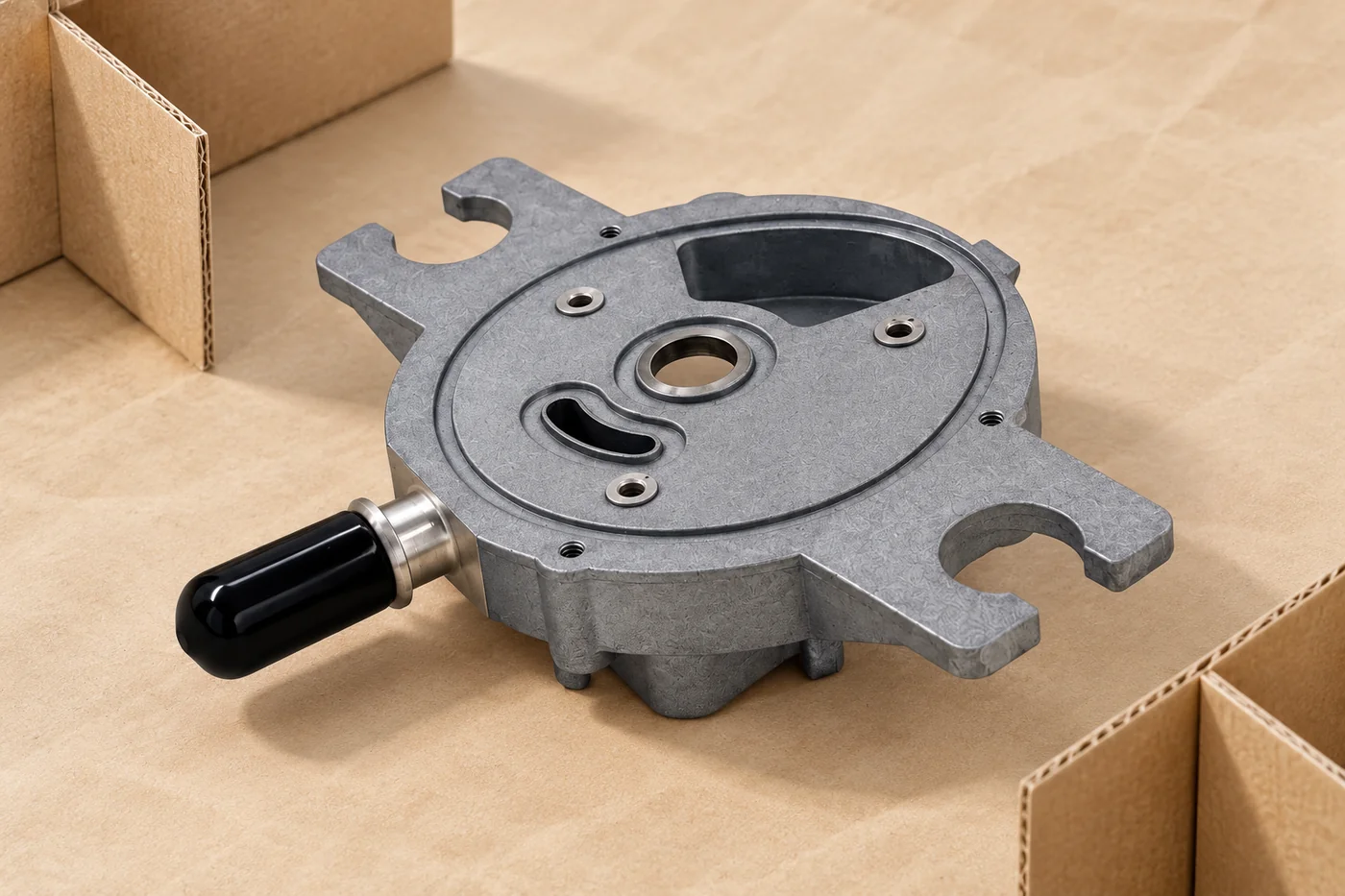
A correct part still needs to arrive with its important surfaces protected. Identify exposed threads, sealing faces, coatings and loose accessories that need separate attention. We can discuss suitable protection and identification as part of the delivery scope, with the destination and handling conditions included in the enquiry.
07 · ORDER RELEASE
Approve one consistent manufacturing package
Before an order is released, bring the drawing, material, route, finish and acceptance requirements into one agreed package. Keep any deviation visible and tie it to a specific revision. That gives both teams a shared reference when samples are reviewed and repeat parts are ordered.
Technical notes
A gearbox bearing pocket may need machining while its external ribs remain cast. A railway component may need a heat-treatment condition before final machining. A coated bracket needs masked threads and controlled contact faces. These differences determine the operation sequence and the dimensions checked after each relevant operation.
| Package element | Agreement to retain |
|---|---|
| Drawing | Revision, units and critical interfaces |
| Manufacture | Route, delivered state and finishing scope |
| Acceptance | Characteristics, method and required records |
| Changes | Written review before affected work proceeds |
FACTORY & OEM SOURCING
Choose the right OEM purchasing route
New drawings, replacement samples and transferred programmes need different starting information. Use these guides to define the technical inputs, approval work and repeat-supply requirements for your project.
PROTOTYPING SERVICES
Define the prototype before the production route
Separate rigid, flexible, overmoulded, jewelry and metal prototypes by their actual purpose. Define the material, geometry and trial result needed before moving the design toward an agreed manufacturing route.
RELIA · YOUR NEXT PROJECT
Bring the whole component scope into the enquiry
Send the current drawing, required alloy, delivered condition and expected quantities. Add the interfaces, finishing and records your team needs. We can review the combined casting and machining package with you, then agree the quotation scope and the next approval step.
Start with these project details
- Current model and drawing
- Alloy and material condition
- Machining and finish scope
- Quantities and acceptance records
Shuyuan Road, Qingdao, Shandong, China
