
CUSTOM MANUFACTURING · PROJECT REVIEW
Second-Source Casting and Machining for Approved OEM Parts
A second source needs to reproduce an approved requirement. Relia reviews the current drawing, material and acceptance package, then defines the casting, machining and qualification work needed for a meaningful comparison with your existing part.
RELIA · PRODUCT AND MANUFACTURING SUPPORT
Define the role of the additional source
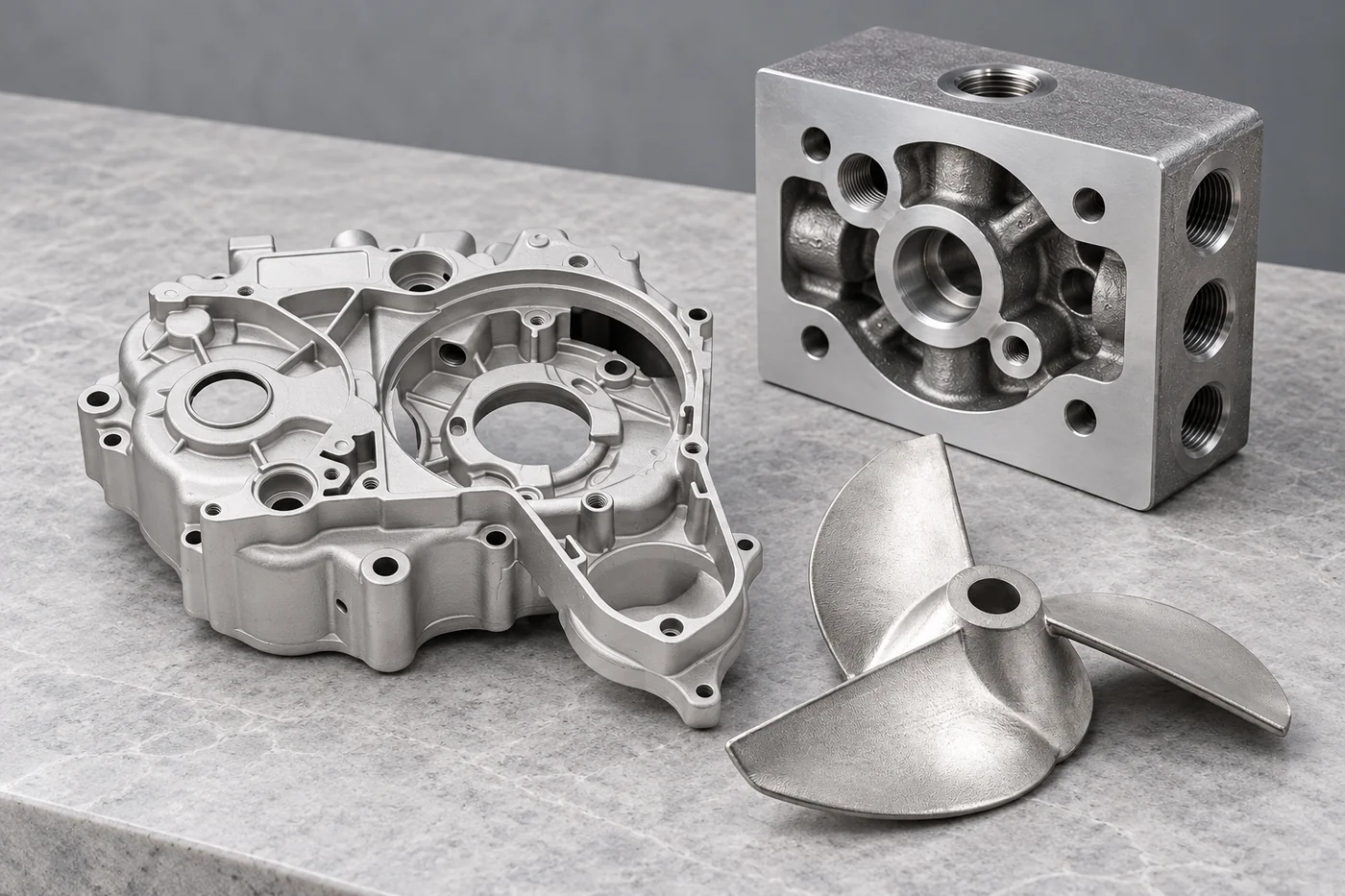
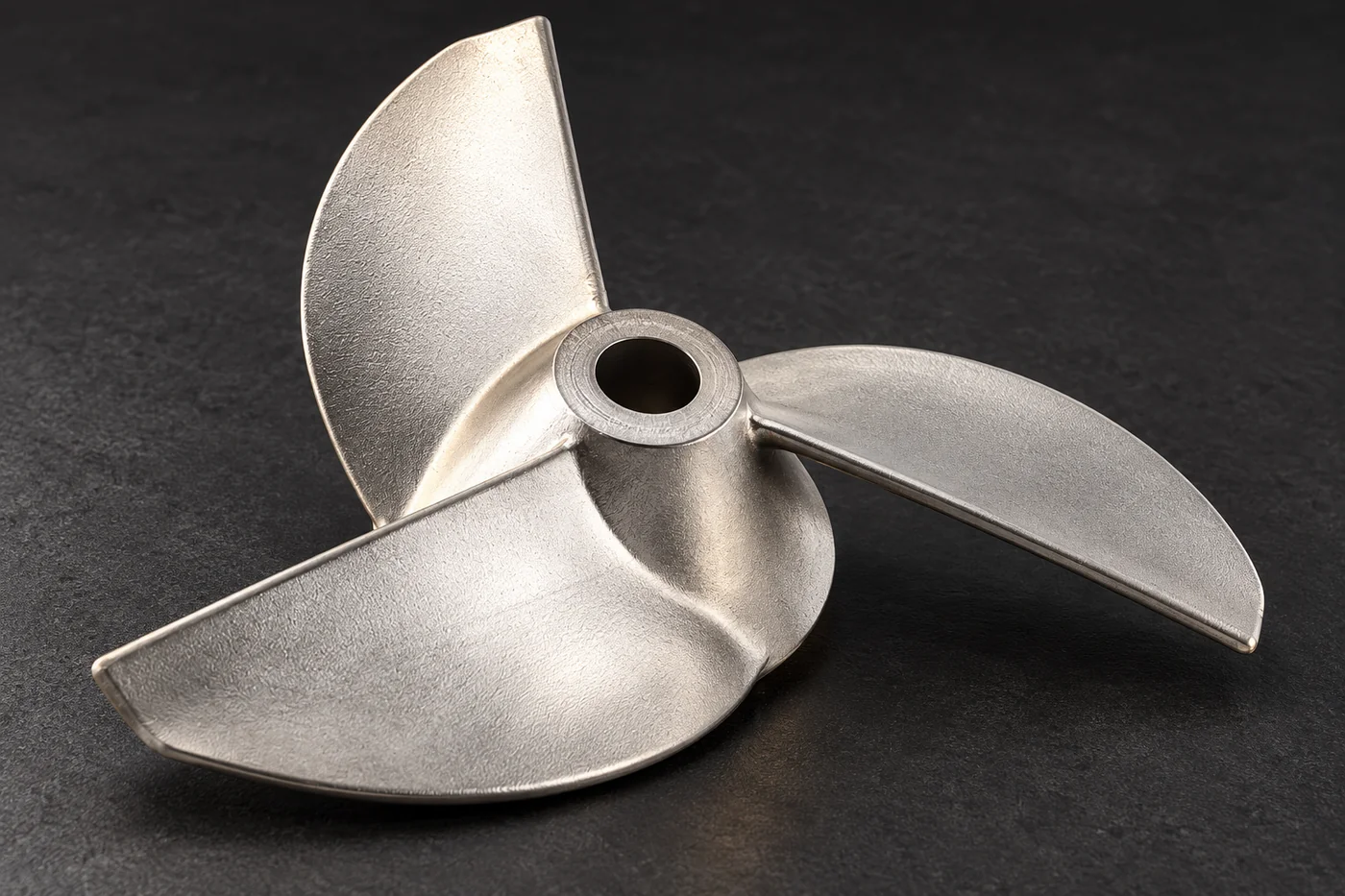
Relia's relevant ranges include CF8-series impellers, aluminium cast-and-machined components and an ASTM A48 Class 30 gray-iron gearbox reference. Relia's second-source discussion uses the current drawing and accepted sample to define the required finished part. Your engineering and buying teams can then assess the same interfaces, grade and acceptance scope across the existing and proposed source.
| Your requirement | Relia product and service scope |
|---|---|
| Impeller reference | CF8, CF8M, CF3 and CF3M casting grades |
| Iron housing reference | ASTM A48 Class 30 gray iron in the product title |
| Comparison inputs | Current drawing, sample, material and acceptance records |
| Change control | Alternative material or process requires an explicit review |
02 · COMMON BASELINE
Start from the approved technical package
- Approved requirement
- Bring the current drawing, finish and material standard.
- New-source evidence
- Agree the checks for the parts Relia will deliver.
Bring the controlled drawing, material standard, finish reference and acceptance requirements into the enquiry. An approved sample can help explain details that a drawing leaves unclear. Existing supplier reports describe their own parts and batches; the new source still needs evidence for the work it will deliver.
Technical notes
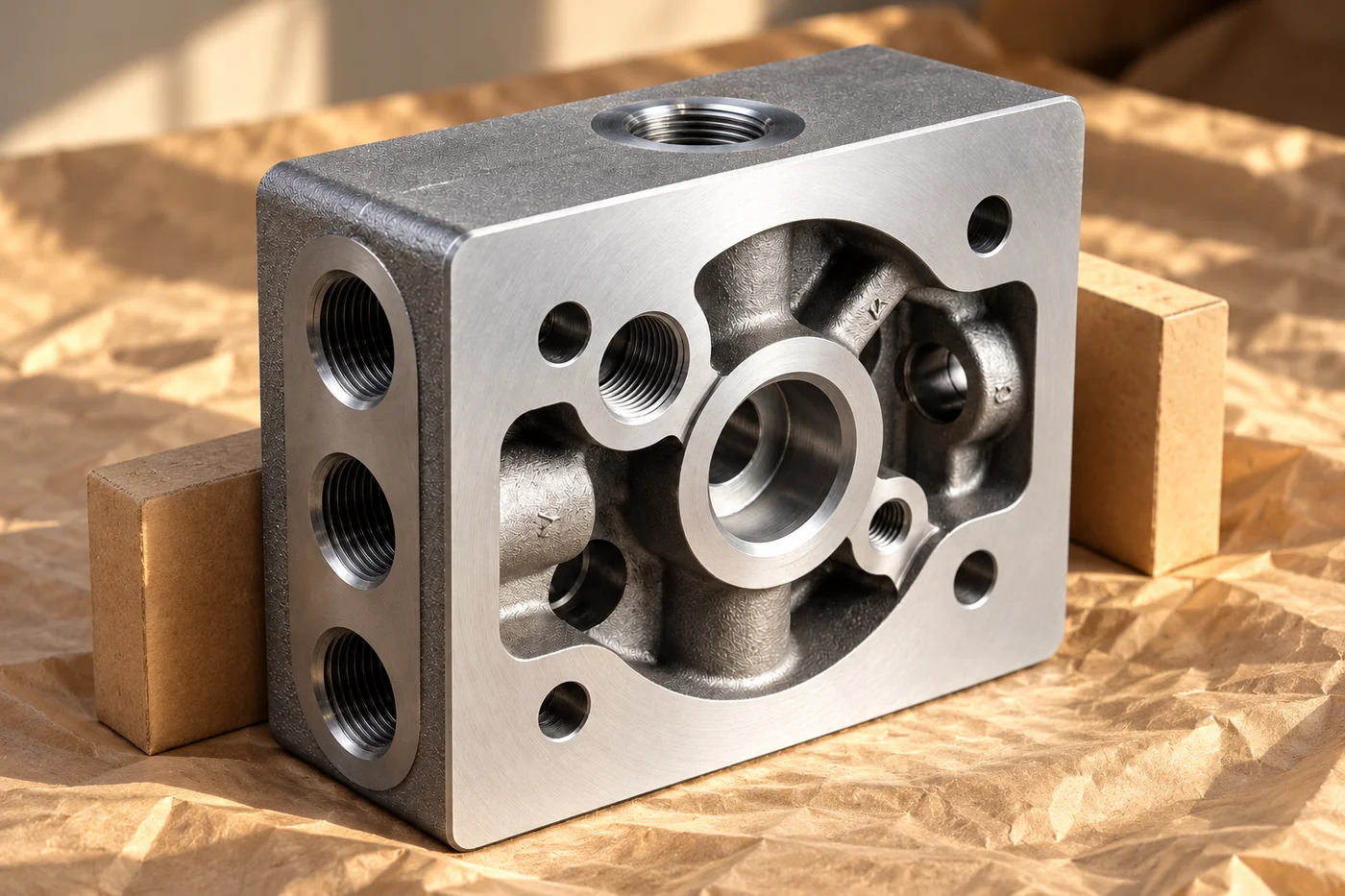
An ASTM A48 Class 30 gray-iron housing is not interchangeable with a ductile-iron option simply because both appear in a broader catalogue. Preserve the specified grade and condition. Discuss any proposed substitution separately, with the customer's design approval before it enters a quotation or sample.
MANUFACTURING ROUTE · FEATURES AND CONTROL
Reproduce the Requirement Through a Defined Route
Changing foundry or tooling can change where metal enters a mould, the stock left for machining and how the part is located in a fixture. Relia's quotation scope therefore needs the finished datums and material condition, not only the old casting outline. The sample comparison checks features that control assembly and any specified treatment or test. A new manufacturing route can be acceptable when the required part remains unchanged and the comparison demonstrates the agreed characteristics.
- Retain the baselineCurrent drawing, grade and accepted sample
- Review the new routeCasting allowances, fixtures and finish
- Compare samplesCritical dimensions and specified material evidence
- Release the alternateAccepted differences and controlled revision
04 · QUALIFICATION
Compare the parts at the important interfaces
- Critical interfaces
- Select the dimensions and fits that control use.
- Qualification package
- Specify material, assembly and submission records.
A useful qualification plan reflects the part rather than a generic checklist. Select the dimensional, material, assembly and functional checks that control its use. If your programme requires first-article or customer-specific submissions, define their contents with the enquiry so the required work can be reviewed.
05 · CHANGE CONTROL
Keep both sources on one drawing revision
Use a feature-by-feature comparison for the first submission: material record, critical dimensions, finish and required functional checks. Separate an acceptable manufacturing-route change from an unapproved design change. Keep the accepted comparison with the part revision so repeat orders retain the same basis.
06 · CONTINUITY
Link commercial planning to the qualification stage
- Supply role
- Explain trial allocation and expected demand.
- Commercial scope
- Agree tooling ownership and qualification stages.
Order allocation, trial quantity and tooling ownership need a commercial discussion alongside the technical review. Expected demand helps define the proposed role, while any emergency arrangement needs its own agreed conditions. We discuss these items as project terms rather than promising unverified stock or automatic capacity.
07 · APPROVAL GATE
Release the source against the agreed evidence
Close the comparison with a record of the accepted results and any remaining restrictions. A passed sample review should identify the part, revision and manufacturing scope it covers. Your team can then release purchasing against that basis and keep later deviations within a visible approval process.
Technical notes
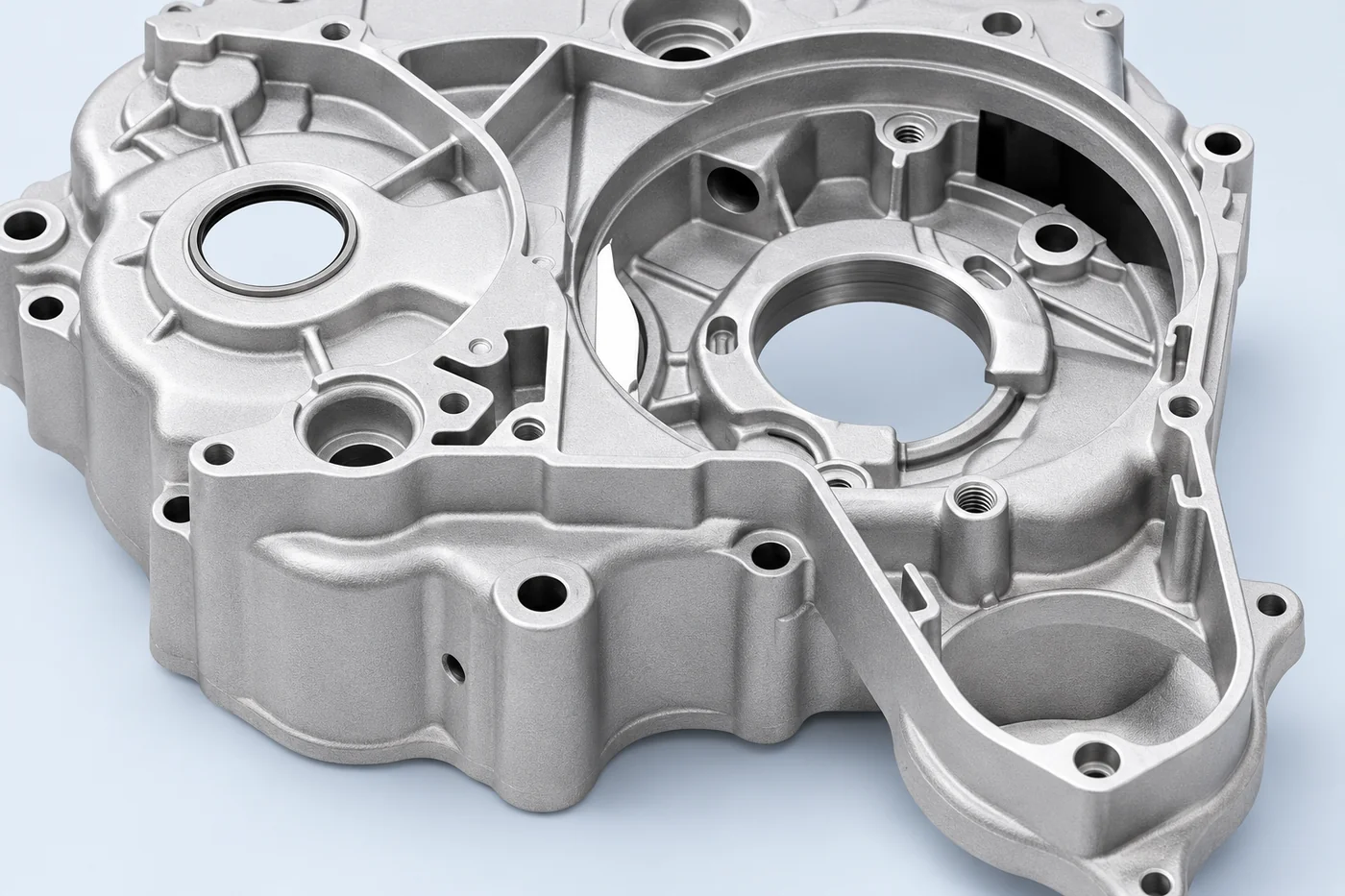
Build a comparison package around the current drawing, alloy standard, accepted sample and inspection results. For an impeller, include blade model and shaft connection. For a gearbox, include bearing bores and assembly datums. These features carry more meaning than a request to match a photograph.
- CompareReview agreed characteristics
- ResolveDocument differences and open items
- ApproveRelease the defined source scope
RELIA · YOUR NEXT PROJECT
Share the approved package for a second-source review
Send the current drawing, material requirement, approved references and the supply role you have in mind. Add the qualification records your programme needs. We can review the route and the comparison work with you before a second-source quotation is agreed.
Start with these project details
- Approved drawing and reference
- Material and finish requirements
- Qualification records
- Trial quantity and supply role
Shuyuan Road, Qingdao, Shandong, China
