
CUSTOM MANUFACTURING · PROJECT REVIEW
Custom Globe Valve Body Castings with Machined Interfaces
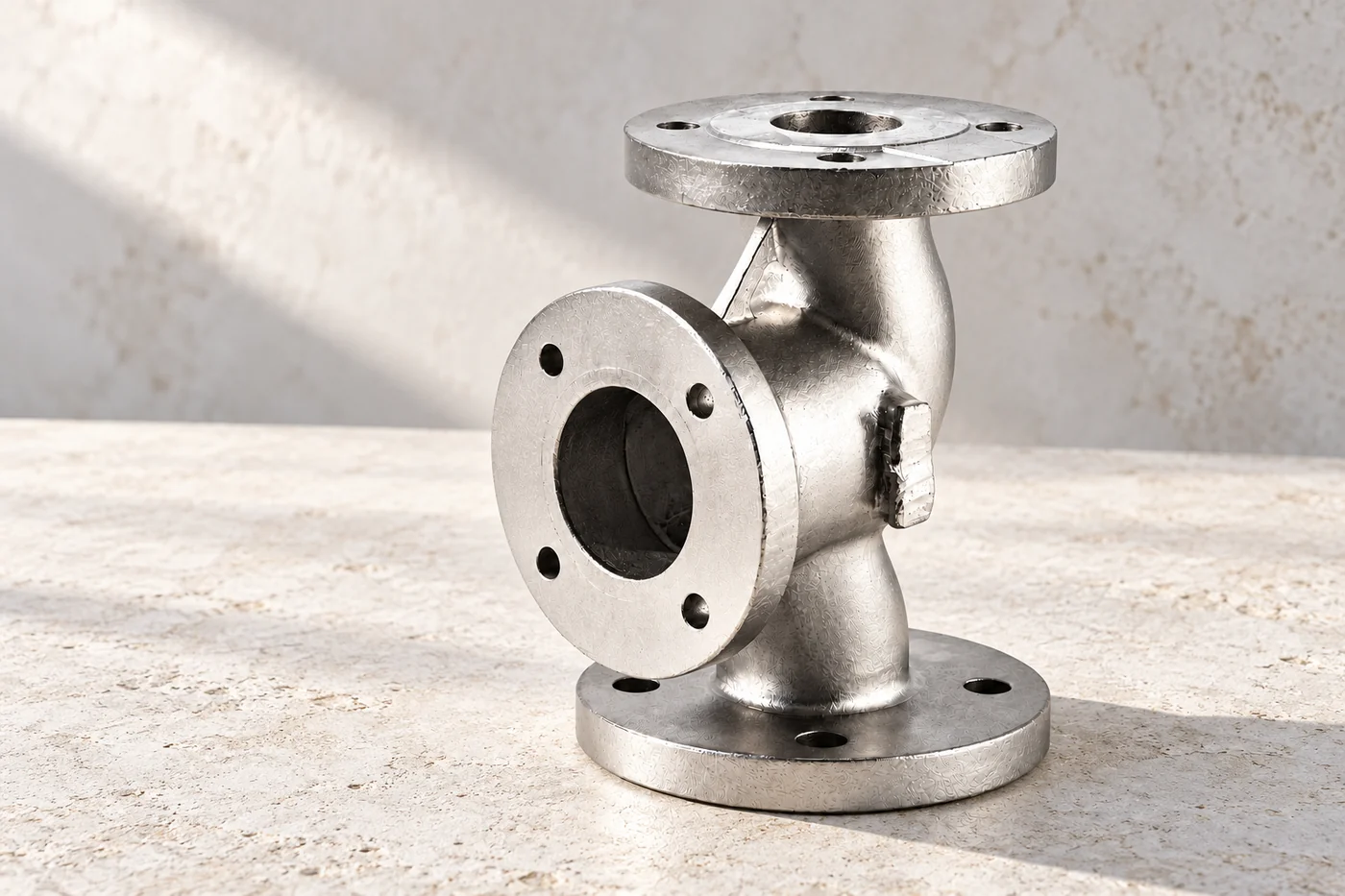
Relia reviews custom globe valve body castings around the material, internal passage and machined connections. Define the supplied body and required tests clearly, so the quotation matches your valve assembly and acceptance requirements.
RELIA · PRODUCT AND MANUFACTURING SUPPORT
Define the body within the valve assembly
Relia's globe-valve body reference lists CF8, CF8M, CF3 and CF3M, with custom size and finish. Relia connects that cast-grade choice to the seat arrangement, bonnet joint and end connections in the enquiry. Your team can assess a body casting or a defined machined-body package without confusing it with the performance of a fully assembled valve.
| Your requirement | Relia product and service scope |
|---|---|
| Cast grades | CF8, CF8M, CF3 and CF3M |
| Machining focus | Seat location, bonnet joint and end connections |
| Order boundary | Body casting or defined machined-body package |
| Test distinction | Pressure-boundary checks versus assembled seat leakage |
02 · SERVICE REQUIREMENTS
Separate connection size from design duty
- Connection definition
- Specify nominal size, dimensions and applicable standard.
- Design duty
- State the fluid and conditions the body must serve.
Nominal size, connecting dimensions and working conditions describe different parts of the requirement. Provide the relevant standard, fluid and design information with the drawing. We review the body against that specification rather than inferring a pressure class or complete-valve duty from its visible size.
Technical notes
The seat pocket and bonnet face need datums that preserve their relationship through machining. Leave suitable stock on those features while retaining the intended internal passage. If a seat insert, stem components or sealing hardware is needed, list it explicitly rather than assuming it is supplied with the body.
MANUFACTURING ROUTE · FEATURES AND CONTROL
Carry the Flow Passage Into the Finished Valve Body
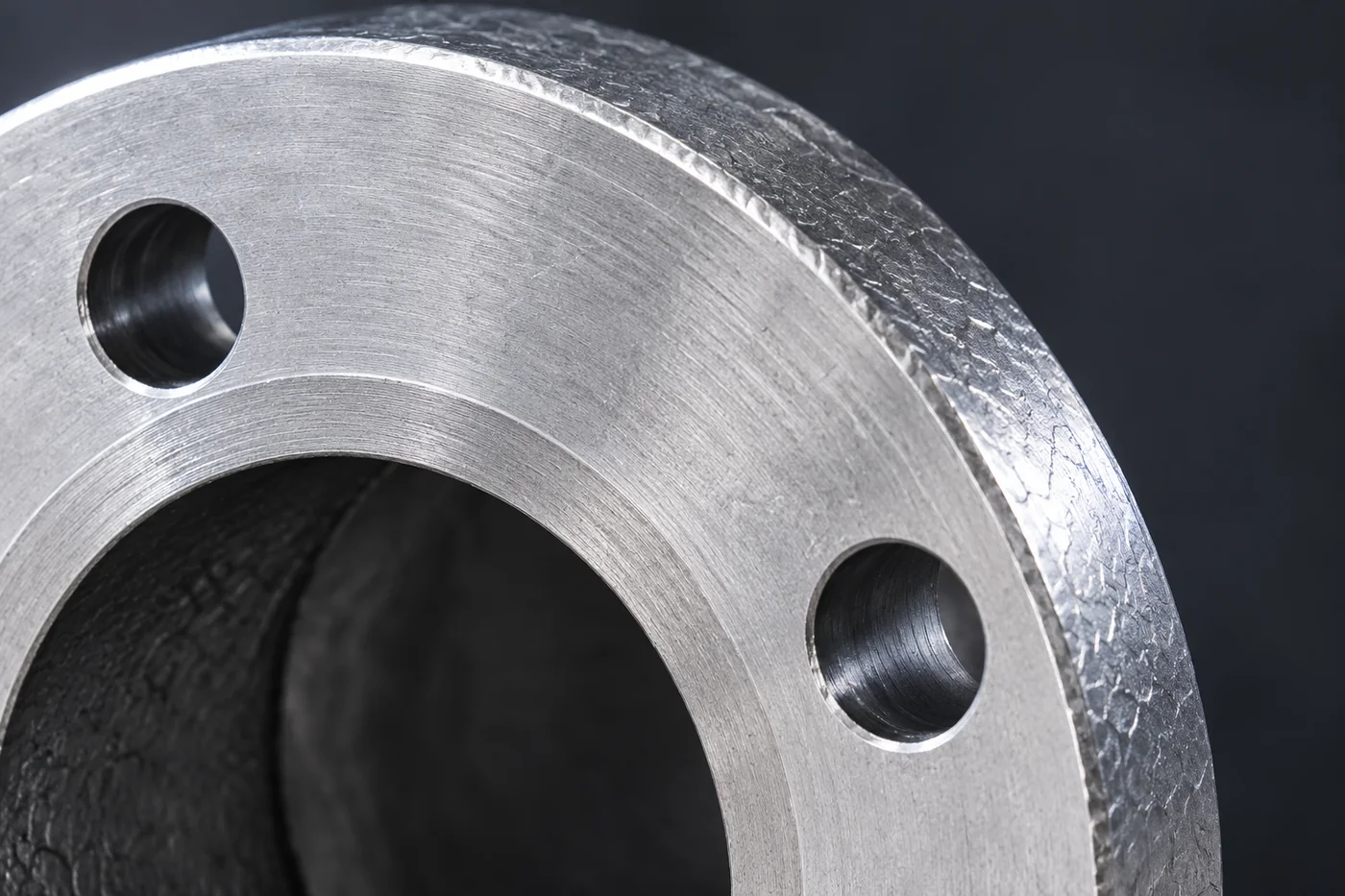
The investment-casting route creates the external body and the agreed internal passage geometry through the pattern and mould arrangement. After casting and cleaning, machining establishes the seat pocket, bonnet face and connection features. Relia's technical review keeps these interfaces related to common datums, because a correctly sized seat can still be misplaced relative to the bonnet or stem path. The material condition, surface examination and body pressure-test scope are specified for the purchased body before release.
- Define the bodyFlow passage, casting grade and machining stock
- Cast and cleanPattern/mould route and removal of gates/residue
- Machine the interfacesSeat, bonnet and pipe-connection relationship
- Release the bodyDimensions and specified pressure-boundary evidence
04 · MACHINING
Relate the sealing interfaces to common datums
- Related interfaces
- Connect the seat, bonnet joint and end faces.
- Machining basis
- Define datums, finished surfaces and inspection requirements.
Mark the sealing locations, flange faces and mating features that need a controlled relationship. Their position and finish matter to the valve assembly even when the outer casting looks straightforward. We review machining allowance, access and inspection around the finished drawing rather than a general tolerance statement.
05 · ACCEPTANCE
Agree inspection and specified tests before release
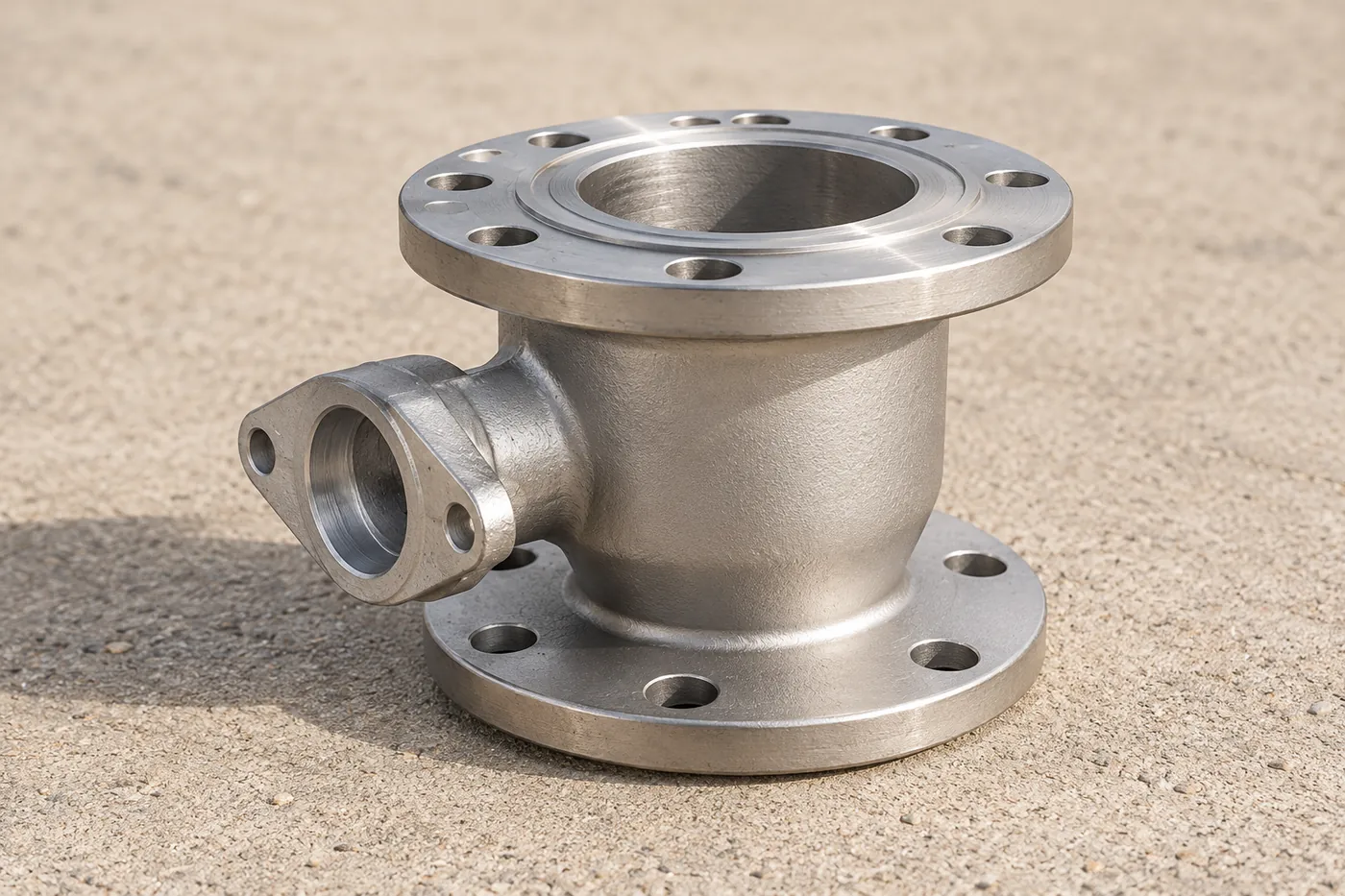
Separate body soundness testing from assembled-valve seat leakage testing. State the required method and acceptance criteria for each purchased scope. The CF8-series material reference establishes a starting alloy family; it does not establish a pressure class, code approval or valve performance by itself.
06 · FIRST-PART REVIEW
Approve the body before the programme moves forward
- First-body review
- Check dimensions, assembly fit and specified body tests.
- Component release
- Retain accepted results before the programme proceeds.
Use the first body to check dimensions, assembly fit and the specified acceptance requirements. Record any deviation and the relevant recheck before production release. The complete valve still follows your assembly and performance approval process, with the accepted body scope retained as its component reference.
07 · ORDER DEFINITION
Make the quotation boundary easy to use
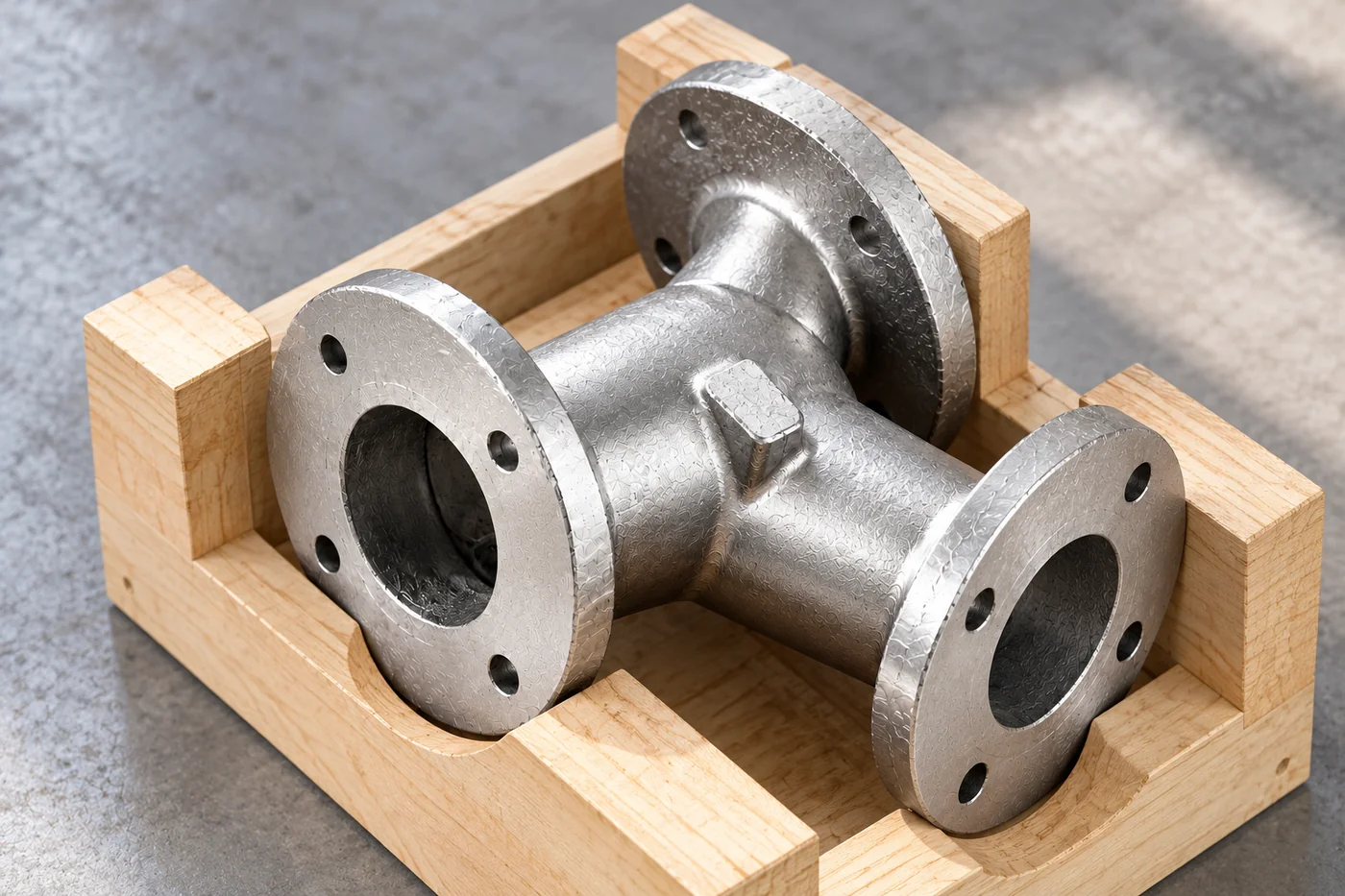
The drawing, material, finish, test scope and delivered state should tell the same story. List any exclusions or decisions still open so the quotation can be assessed consistently. We can then discuss a body-casting package whose manufacturing and acceptance work is visible to both engineering and purchasing.
Technical notes
Use the valve drawing to identify flow direction, seat arrangement, bonnet joint and end connections. Include nominal size, design conditions and the governing material and valve specifications. Those inputs define the pressure boundary and machining scope more precisely than the label stainless globe valve.
- DesignCurrent body and connection drawing
- ManufactureAgreed casting and machining scope
- AcceptanceDefined records and specified tests
- OrderAccepted delivered condition
RELIA · YOUR NEXT PROJECT
Bring the body drawing and governing requirements
Send the model, connection details, material standard and quantities. Add the required inspection and test package, together with the intended supplied condition. We can review the valve body and finished-interface scope with your project team before the quotation is agreed.
Start with these project details
- Body model and connections
- Casting grade and standard
- Quantity and finished condition
- Inspection and body-test package
Shuyuan Road, Qingdao, Shandong, China
