
CUSTOM MANUFACTURING · PROJECT REVIEW
Platinum Vacuum-Pressure Casting Equipment for Jewelry Production
A platinum casting machine must be selected on its actual alloy and configuration. Relia reviews vacuum-pressure equipment with charge, crucible, flask and utility requirements, so nominal capacity is compared on a consistent metal basis.
RELIA · PRODUCT AND MANUFACTURING SUPPORT
Start with the platinum casting requirement
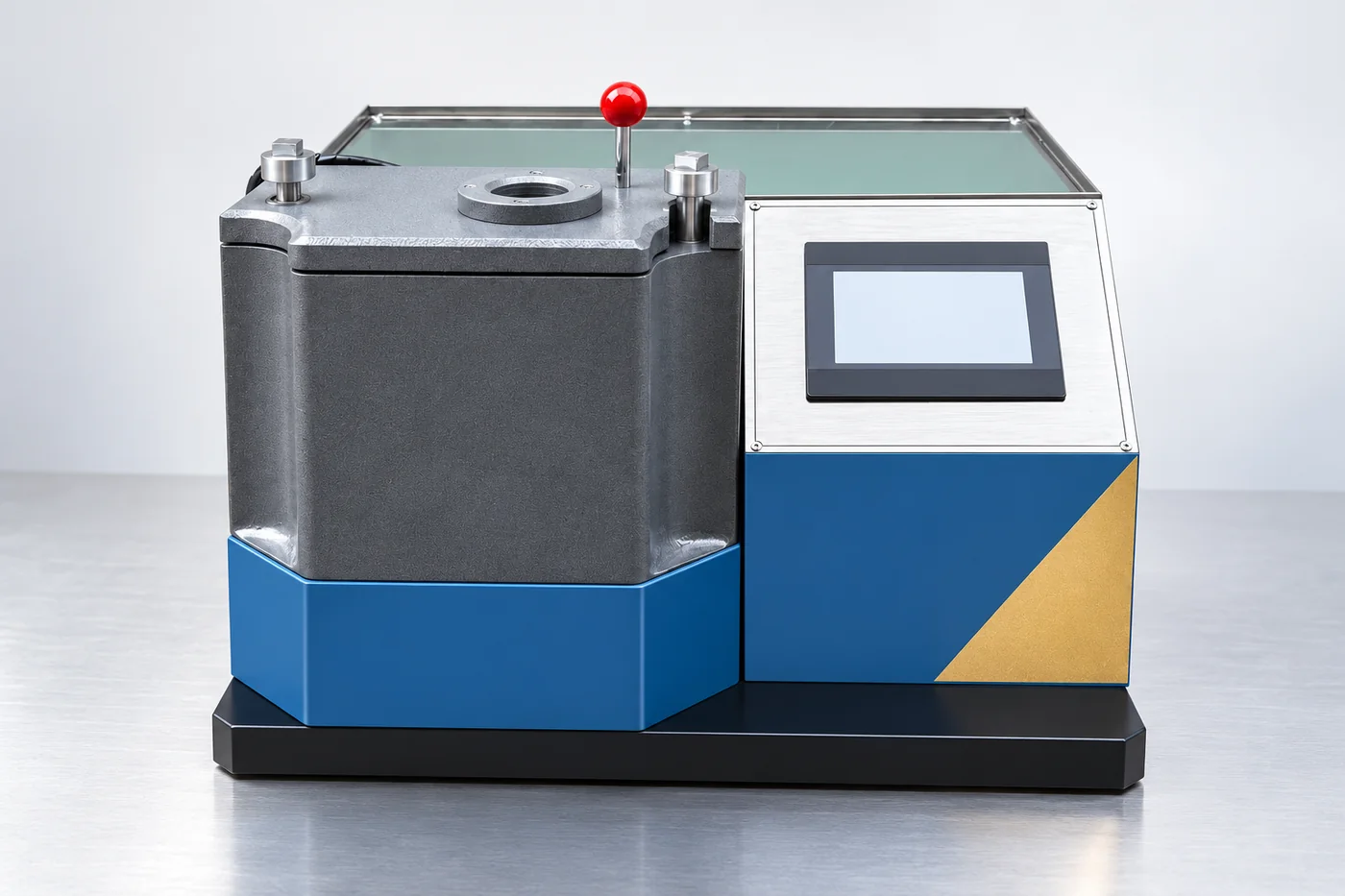
Relia's range includes a 6 kW/220 V reference and a 15 kW/380 V unit listing 2 kg platinum capacity and a 2,100°C maximum-temperature reference. Relia keeps these configurations distinct in the enquiry. Your proposal identifies the actual alloy charge, crucible, flask, gas/cooling requirements and included equipment for the selected unit.
| Your requirement | Relia product and service scope |
|---|---|
| Compact reference | 6 kW, 220 V/50 Hz, listed weight 80 kg |
| Larger reference | 15 kW, 380 V; listed platinum capacity 2 kg |
| Temperature reference | 2,100°C maximum on the larger item |
| Configuration check | Pressure basis, atmosphere, cooling, crucible and flask |
02 · SIZING
Compare capacity on the same metal basis
- Capacity basis
- Identify the platinum charge and crucible context.
- Usable configuration
- Compare ratings for the actual selected unit.
A metal-mass rating needs its alloy and crucible context. One larger reference lists 2kg for platinum; confirm the selected usable configuration rather than transferring a gold rating or volume label between units.
Technical notes
The 15 kW unit lists a 10–120 kPa adjustable pressure field, but the quotation must identify whether the value is gauge or absolute pressure and which operating mode it describes. Maximum temperature is an equipment limit, not a universal casting setpoint or proof of results for every alloy.
MANUFACTURING ROUTE · FEATURES AND CONTROL
Match the Melting and Casting Cycle to the Alloy
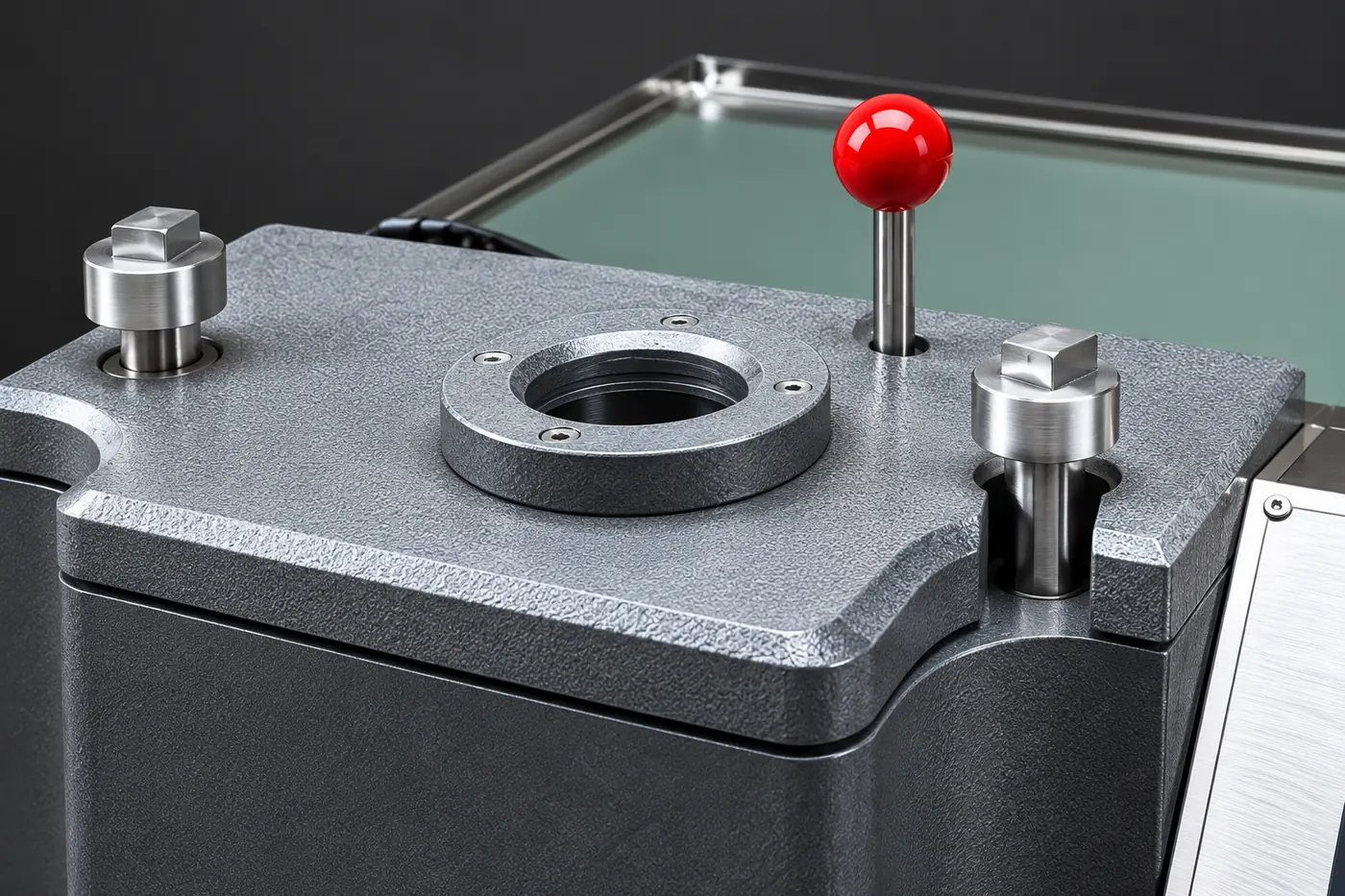
The prepared flask and charge enter an alloy-specific process involving melting, the required atmosphere and the selected vacuum/pressure casting sequence. Relia's configuration review connects the crucible and charge basis to the unit's control and utilities. The maximum-temperature field is an equipment limit, while the operating setpoints come from the alloy and process. The listing's adjustable pressure also needs its measurement basis and operating mode defined. A useful acceptance trial records those conditions and the resulting sample rather than relying on a machine category name.
- Define the alloy chargePlatinum alloy, mass and crucible basis
- Match the configurationFlask, atmosphere, cooling and site power
- Define the casting cycleOperating mode and pressure/temperature conditions
- Review the trialSample result and supplied accessories/records
04 · INSTALLATION
Review controls and electrical requirements
- Site supply
- Confirm voltage, power and installation connections.
- Ordered machine
- Retain the configuration-specific electrical requirements.
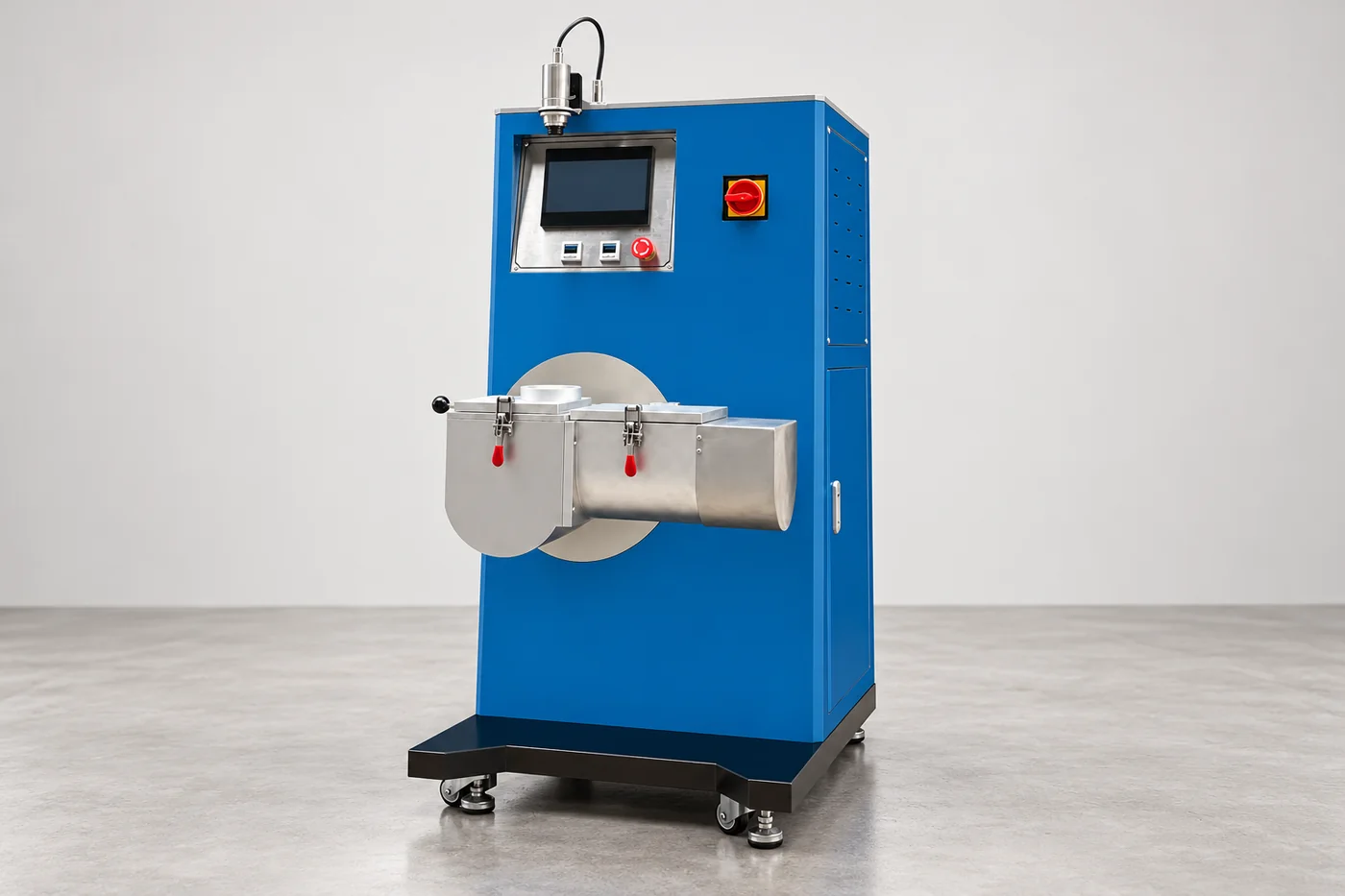
The listed equipment includes different electrical configurations, including 220V and 380V references. Confirm the selected supply, power, connections and installation information for the exact unit.
05 · SUPPLY SCOPE
Define the included casting package
List the machine, pump, crucible, fixtures and other included items. Installation, cooling or other required services should remain visible rather than being assumed inside the machine price.
06 · HANDOVER
Agree the machine-acceptance demonstration
- Acceptance casting
- Agree alloy, charge, settings and sample criteria.
- Complete package
- Define gas, cooling, pump, crucible and documentation scope.
Agree the alloy-specific demonstration, charge basis, control settings and acceptance sample. Confirm the actual gas, cooling, pump and crucible package. The two-year warranty field on one configuration should not be applied to all listed machines or taken as a substitute for service and spare-parts terms.
07 · PURCHASING
Keep the quotation on one configuration basis
Retain the alloy capacity, electrical specification, accessories and handover work together. Make open flask, utility or trial inputs visible before accepting the package.
Technical notes
State the platinum alloy, actual charge weight and flask dimensions. Capacity expressed for gold cannot be assumed to equal platinum capacity by weight. Include crucible and atmosphere requirements, cooling-water availability and the site's electrical supply.
| Package | Retain |
|---|---|
| Process | Alloy, charge and flask |
| Installation | Selected electrical and service requirements |
| Handover | Included items and acceptance scope |
RELIA · YOUR NEXT PROJECT
Send the alloy, charge and flask requirements
Share the intended platinum workflow, charge, flask dimensions and available utilities. Add required accessories and acceptance documentation. We can review the selected machine configuration with its capacity basis clear.
Start with these project details
- Platinum workflow and charge
- Crucible and flask dimensions
- Available gas, cooling and power
- Accessories and acceptance evidence
Shuyuan Road, Qingdao, Shandong, China
