
CUSTOM MANUFACTURING · PROJECT REVIEW
PU Vacuum-Cast Enclosure Prototypes before Production Tooling
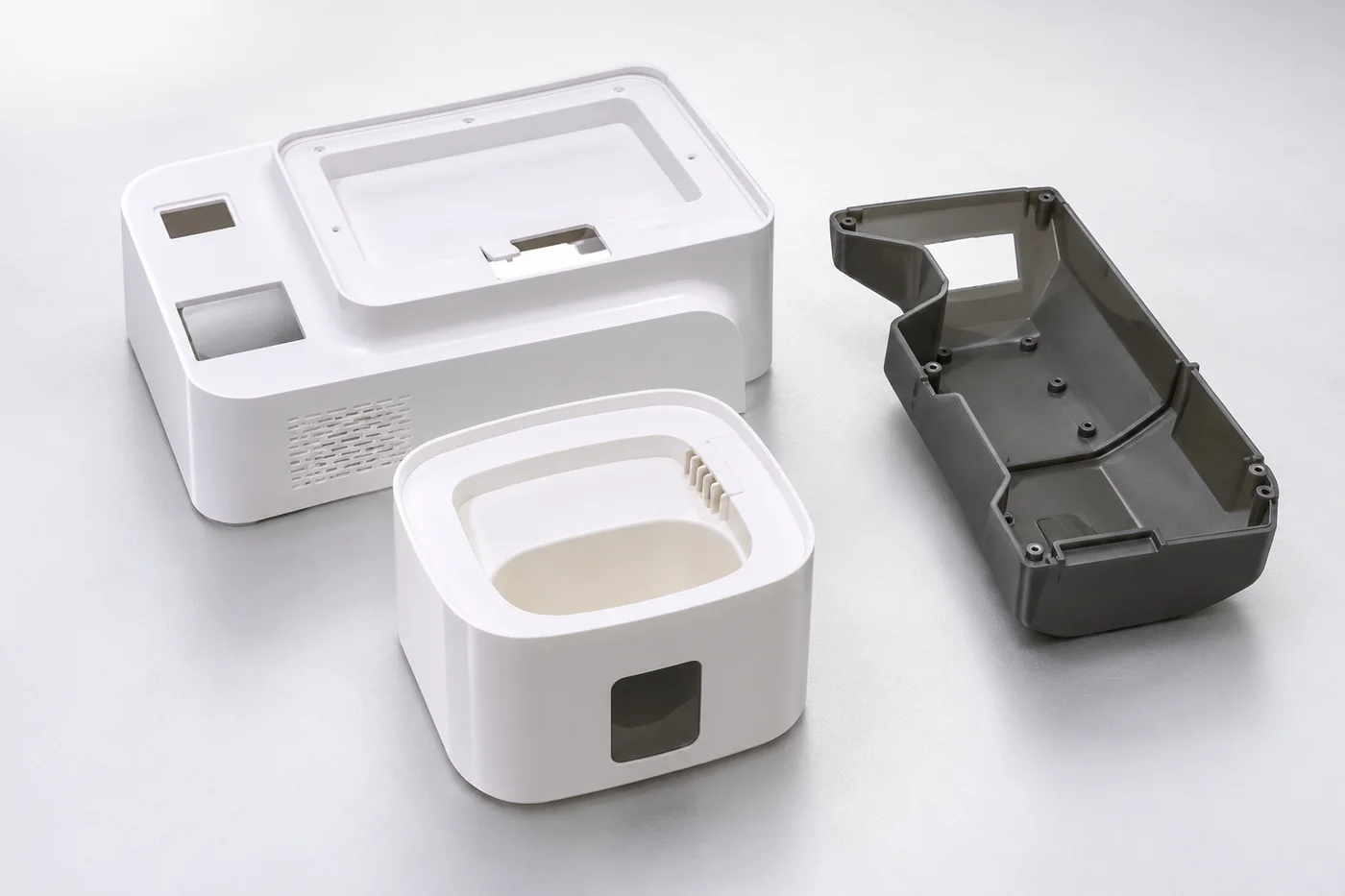
A PU vacuum-cast enclosure can support fit and appearance review before production tooling. Relia reviews the model, selected resin, silicone-mould route and trial purpose so the prototype is assessed for the decision it needs to support.
RELIA · PRODUCT AND MANUFACTURING SUPPORT
Give the enclosure prototype a specific purpose
Relia's prototype references support one-piece enquiries, IGES/STEP geometry and silicone-mould vacuum casting, with a ±0.15 mm per 100 mm reference on that route. Relia's scope links the sample to its intended trial: board/connector assembly, fastener use, cosmetic review or another specified behaviour. The cast resin is selected for that purpose rather than treated as identical to the eventual thermoplastic.
| Your requirement | Relia product and service scope |
|---|---|
| Route | Silicone mould plus urethane/PU vacuum casting |
| Order reference | One-piece enquiries |
| Tolerance reference | ±0.15 mm per 100 mm on the relevant route |
| Validation purpose | Assembly, appearance, handling or selected functional checks |
02 · MATERIAL
Select resin by the required behaviour
- Required behaviour
- Define the prototype's actual performance targets.
- Resin selection
- Review data and conditions for the chosen PU grade.
An ABS-like description does not establish every property of moulded ABS. Share the actual performance targets and review the selected resin data and test conditions for the prototype.
Technical notes
ABS-like or PC-like describes a comparison in behaviour, not proof that the cast resin is the named thermoplastic. Agree stiffness, temperature exposure and finish for the actual PU grade. Keep critical mating dimensions explicit rather than relying on a generic tight-tolerance field from another prototype listing.
MANUFACTURING ROUTE · FEATURES AND CONTROL
Replicate an Approved Master in a Silicone Mould
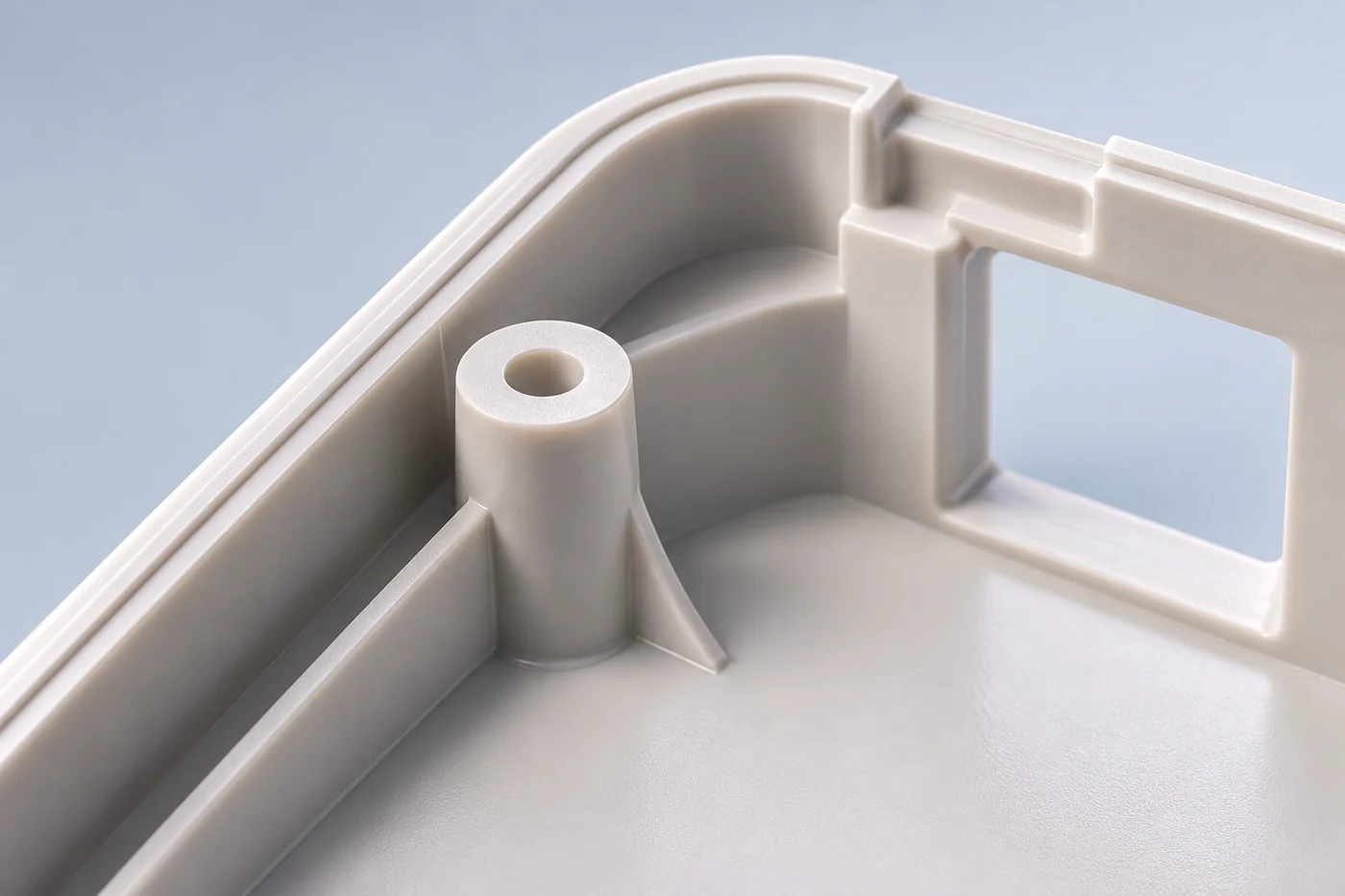
The master represents the enclosure geometry and agreed surface detail. A silicone mould is formed around it with the parting, gates and vents needed for the casting. The selected two-part resin is prepared and cast using the reviewed vacuum route, then cured under its material instructions before demoulding and finish work. Relia's sample review focuses on the bosses, snap features, mating edges and connector openings that answer the trial question. Changes are recorded before the prototype becomes input to production-tool design.
- Approve the masterGeometry, critical interfaces and surface detail
- Create the silicone mouldParting, gates and removal arrangement
- Cast and finish the resinSelected grade, cure and agreed appearance
- Trial the enclosureActual components, fit and design corrections
04 · ROUTE
Agree the silicone-mould and finishing scope
- Prototype quantity
- Identify the number of parts and visible surfaces.
- Defined package
- Agree silicone moulding, replication and finishing work.
Identify the prototype quantity, visible surfaces and required finish. We review mould, replication and finishing work against the actual design rather than assuming every geometry needs the same preparation.
05 · ACCEPTANCE
Inspect and trial-fit the prototype batch
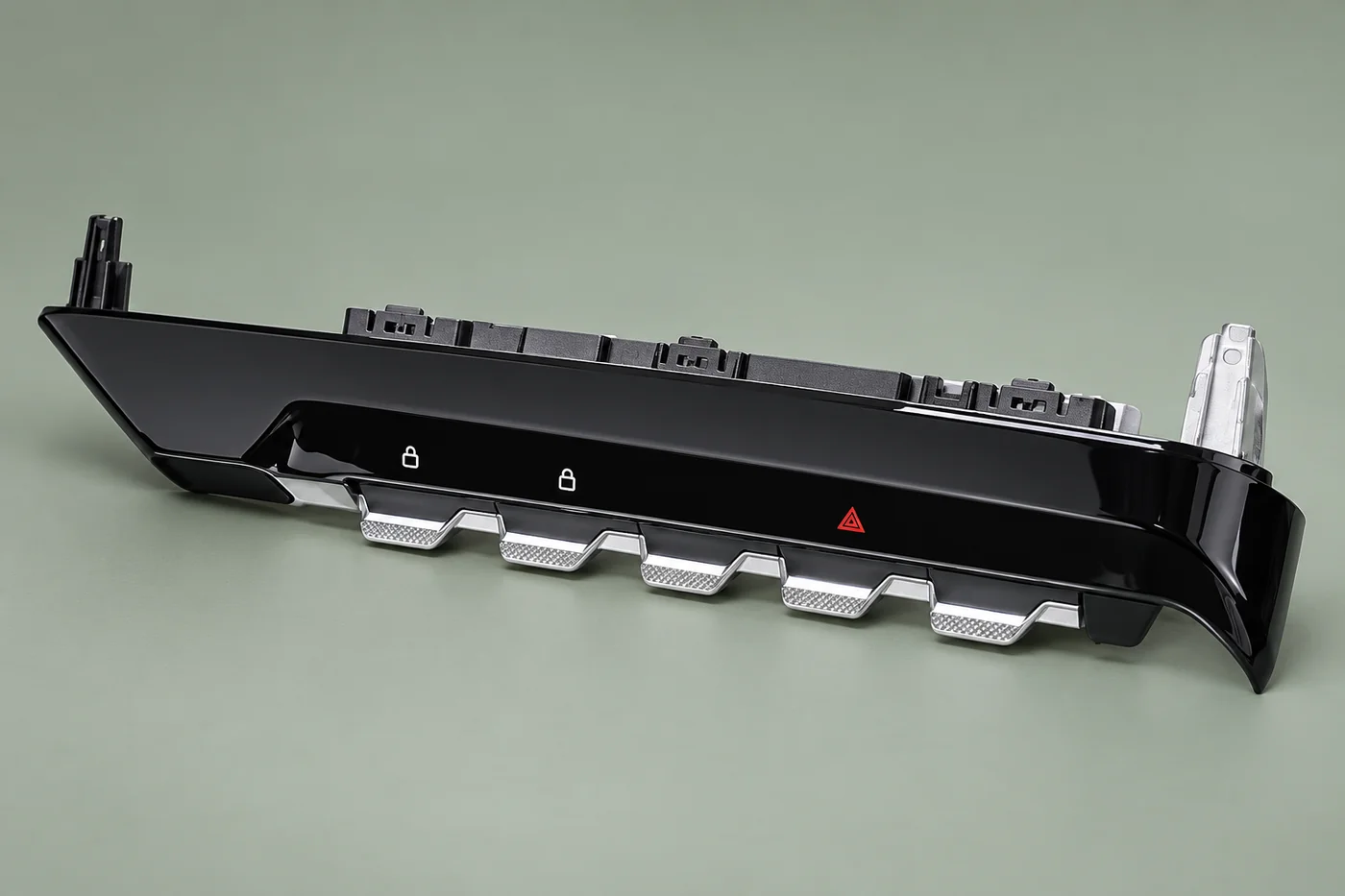
Trial-fit the intended components and record any dimensional corrections before production tooling. The listed 2–5-day sampling reference applies to a particular service and does not include every mould or finishing requirement. Prototype success does not automatically qualify the final production material.
06 · ITERATION
Keep design changes visible before production tooling
- Design learning
- Record changes accepted during prototype review.
- Production handover
- Assess features affected by later material or route changes.
Record the features changed during prototype review. A prototype approval should identify what it covers; production material and manufacturing changes need their own affected-feature assessment.
07 · QUOTATION
Retain a clear small-batch proposal
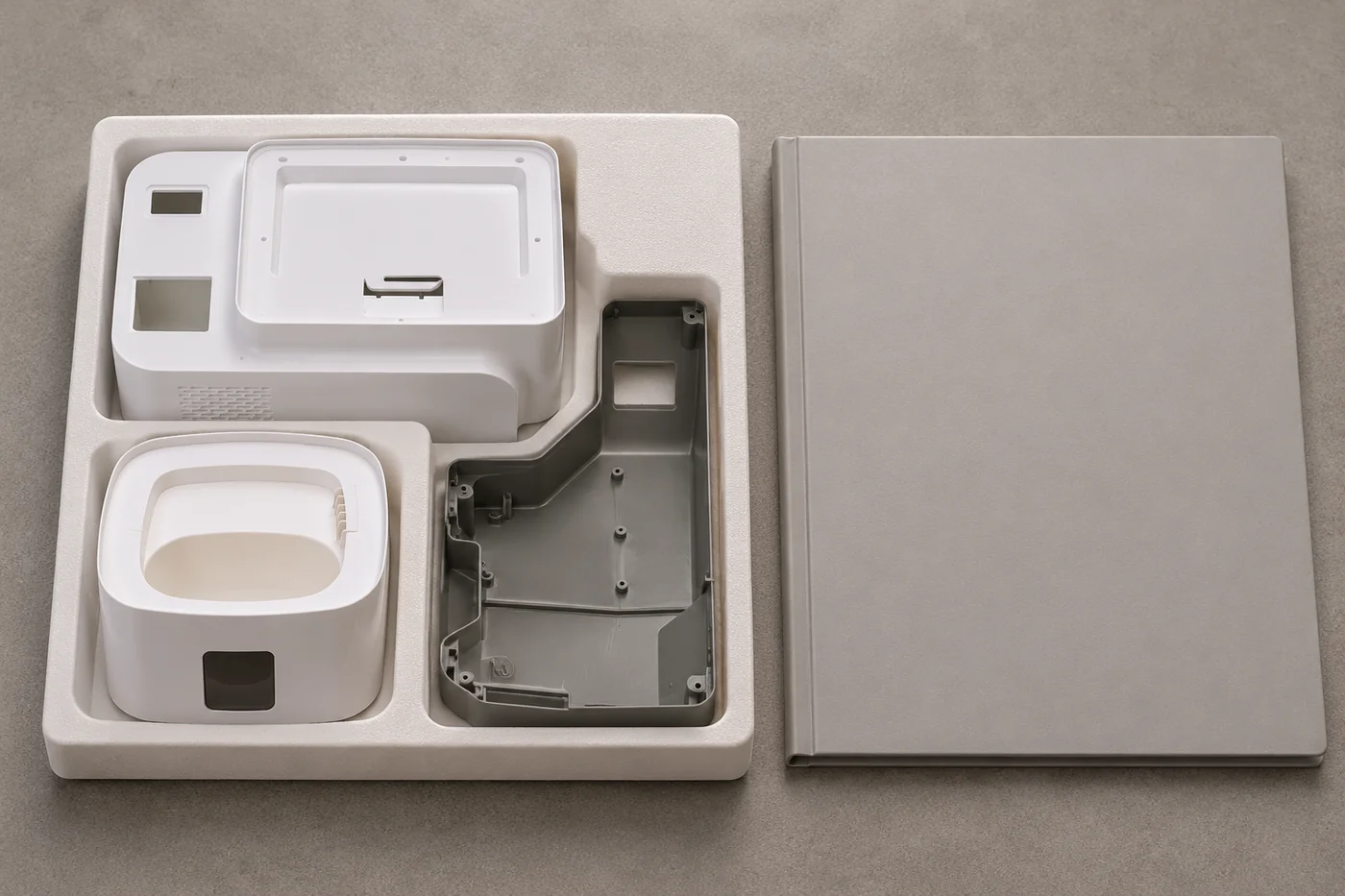
Separate mould preparation, prototype parts, finishing and required records. Include expected iterations so the quotation makes the current trial and possible next stage distinguishable.
Technical notes
State whether the sample must demonstrate assembly, appearance, connector access or handling. Identify bosses, snap features and walls that need a functional trial. A display model and a prototype used for repeated fastening need different resin and finishing decisions.
| Scope | Retain |
|---|---|
| Preparation | Mould and current design |
| Parts | Resin, quantity and finish |
| Review | Required prototype checks |
RELIA · YOUR NEXT PROJECT
Send the model and the decision your prototype must support
Share the enclosure model, critical interfaces, required resin behaviour and quantity. Add finish and trial requirements. We can review the polymer-prototype scope before the project moves toward production tooling.
Start with these project details
- Enclosure model and interfaces
- Resin behaviour and quantity
- Appearance and finish requirements
- Trial purpose and approval checks
Shuyuan Road, Qingdao, Shandong, China
