
CUSTOM MANUFACTURING · PROJECT REVIEW
Custom Stainless Deck Fittings and Latches for Boat Projects
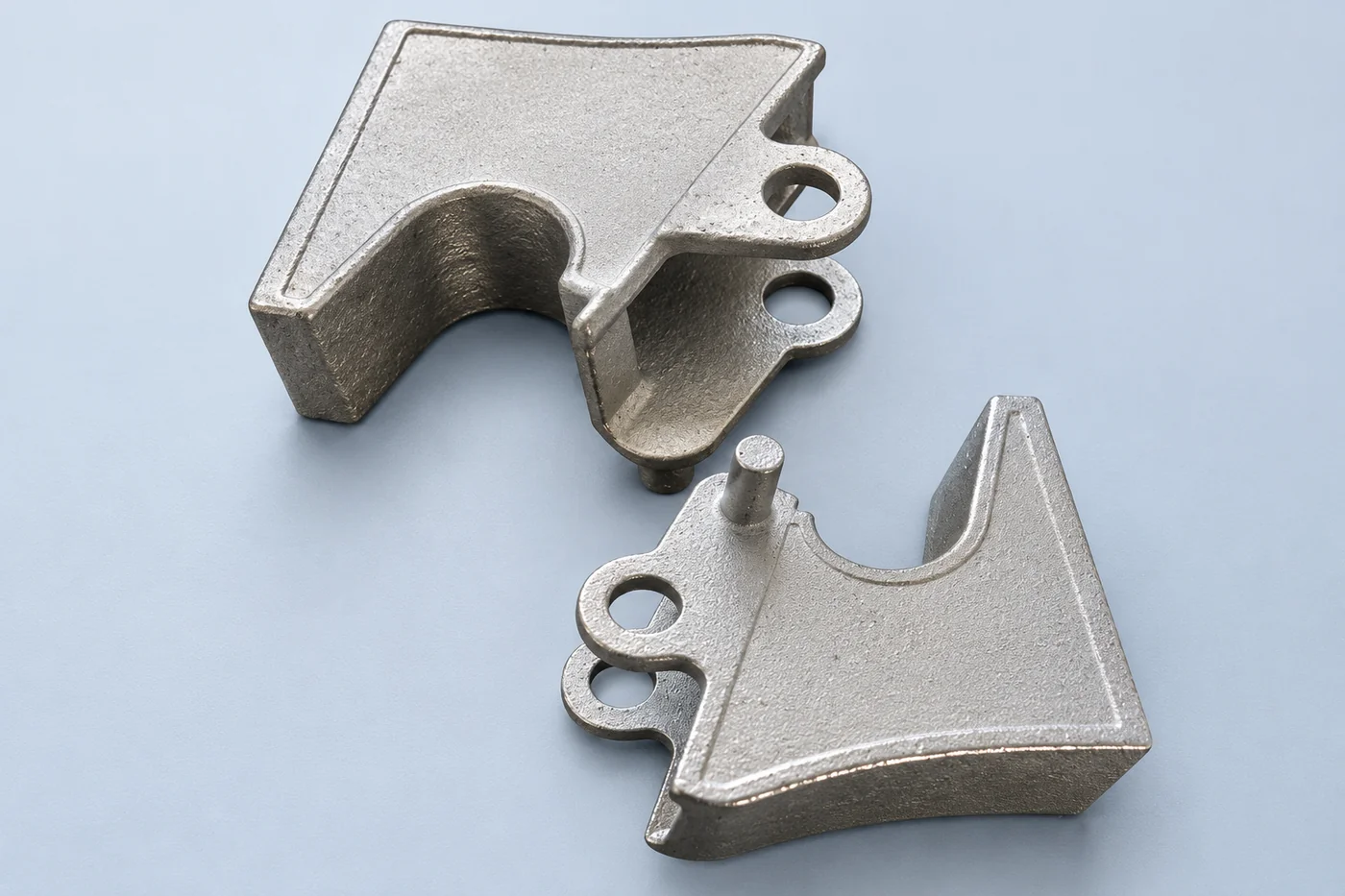
A deck fitting or latch needs the right mounting geometry and operating clearance. Relia reviews custom stainless casting, finished interfaces and appearance with the boat installation in view, so the supplied hardware follows your actual project requirements.
RELIA · PRODUCT AND MANUFACTURING SUPPORT
Define the fitting and supplied components
Relia's stainless hardware range combines custom cast geometry with optional machining and specified treatment. Relia's enquiry uses the deck thickness, bolt/backing arrangement and operating clearance to define the fitting. Closure hardware, decorative fittings and components expected to carry a load need different drawings and acceptance requirements even when their appearance is similar.
| Your requirement | Relia product and service scope |
|---|---|
| Material | Specified stainless grade |
| Route | Casting plus optional machining and finish |
| Installation inputs | Deck thickness, mounting pattern and backing |
| Selection focus | Closure function, exposure, drainage and any load requirement |
02 · REPLACEMENT FIT
Preserve the existing mounting relationship
- Existing installation
- Show the hole pattern, mating geometry and clearance.
- Replacement definition
- Mark wear or modifications before using a sample.
For a replacement, identify the intended hole pattern, mating geometry and operating clearance. Mark worn or modified areas before a sample is used to define new parts.
Technical notes
Specify the stainless grade rather than assuming every marine-looking fitting is 316. Review crevices, drainage and finish access around moving or bolted areas. Polishing can improve the surface condition, but it does not replace suitable alloy selection and an installation that avoids trapped contamination.
MANUFACTURING ROUTE · FEATURES AND CONTROL
Cast the Hardware and Finish the Moving or Mating Features
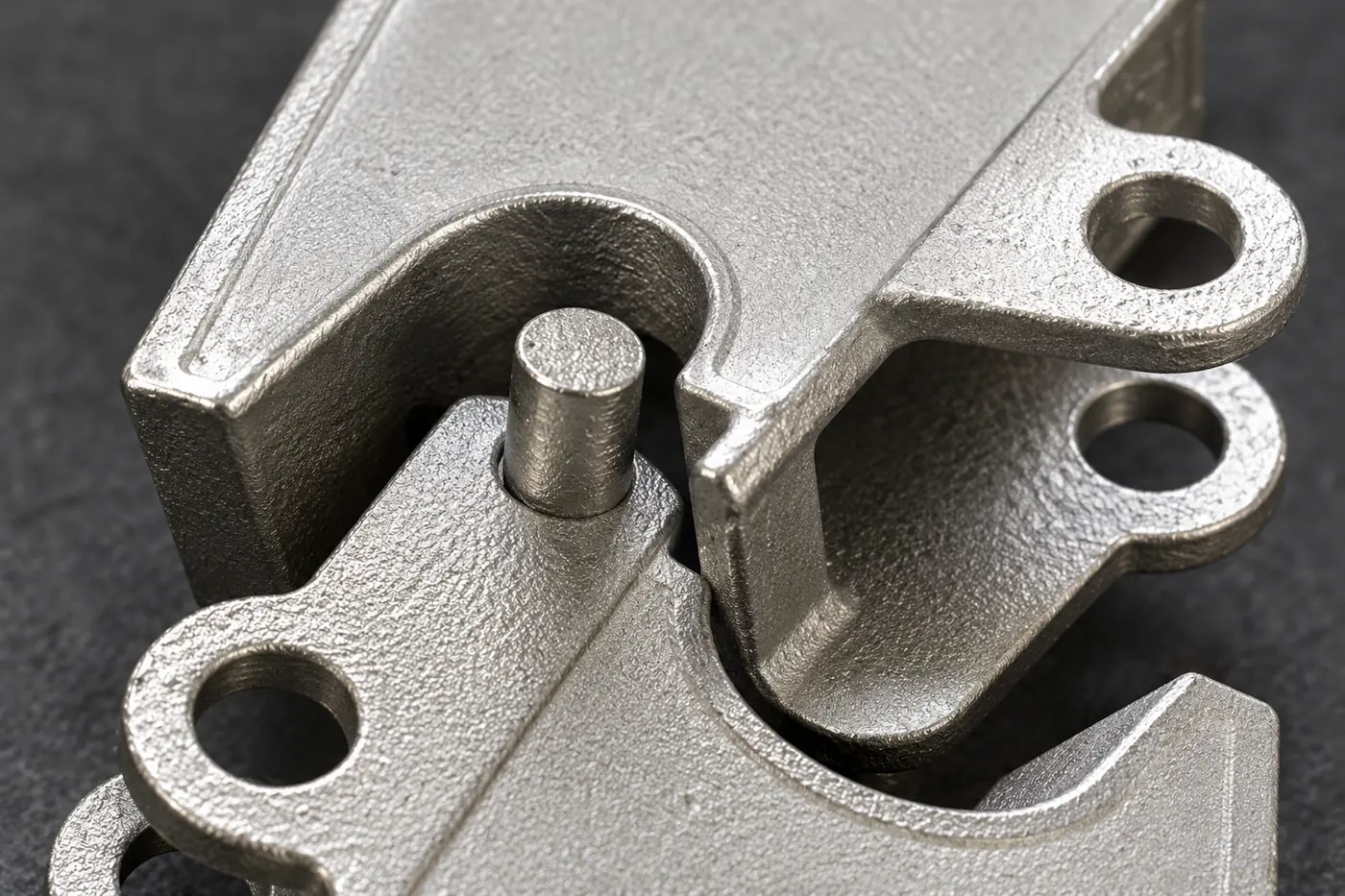
Investment casting can form the fitting body and its integrated contours. After cleaning and gate removal, Relia's machining scope establishes holes, pivots, latch contact or other controlled interfaces. Polishing or another selected finish follows the required material and visible-surface standard while preserving fit. The design review considers drainage, accessible surfaces and crevices around the installation. A sample is then checked for mounting and movement, with any load assessment defined for the actual intended use.
- Map the installationDeck, backing, fixings and working clearance
- Form the fittingSpecified stainless grade and cast geometry
- Machine and finishPivots, contacts, holes and visible surfaces
- Approve the functionFit, operation and specified load/exposure checks
04 · MANUFACTURE
Agree functional features and cosmetic finish separately
- Working features
- Specify pivots, machined holes and mating faces.
- Cosmetic finish
- Agree polish or texture independently of dimensional control.
Mark the machined holes, pivots and mating faces. Keep the visible polish or texture reference separate so the cast and machined component can meet both sets of requirements.
05 · APPROVAL
Validate the required operation and environment
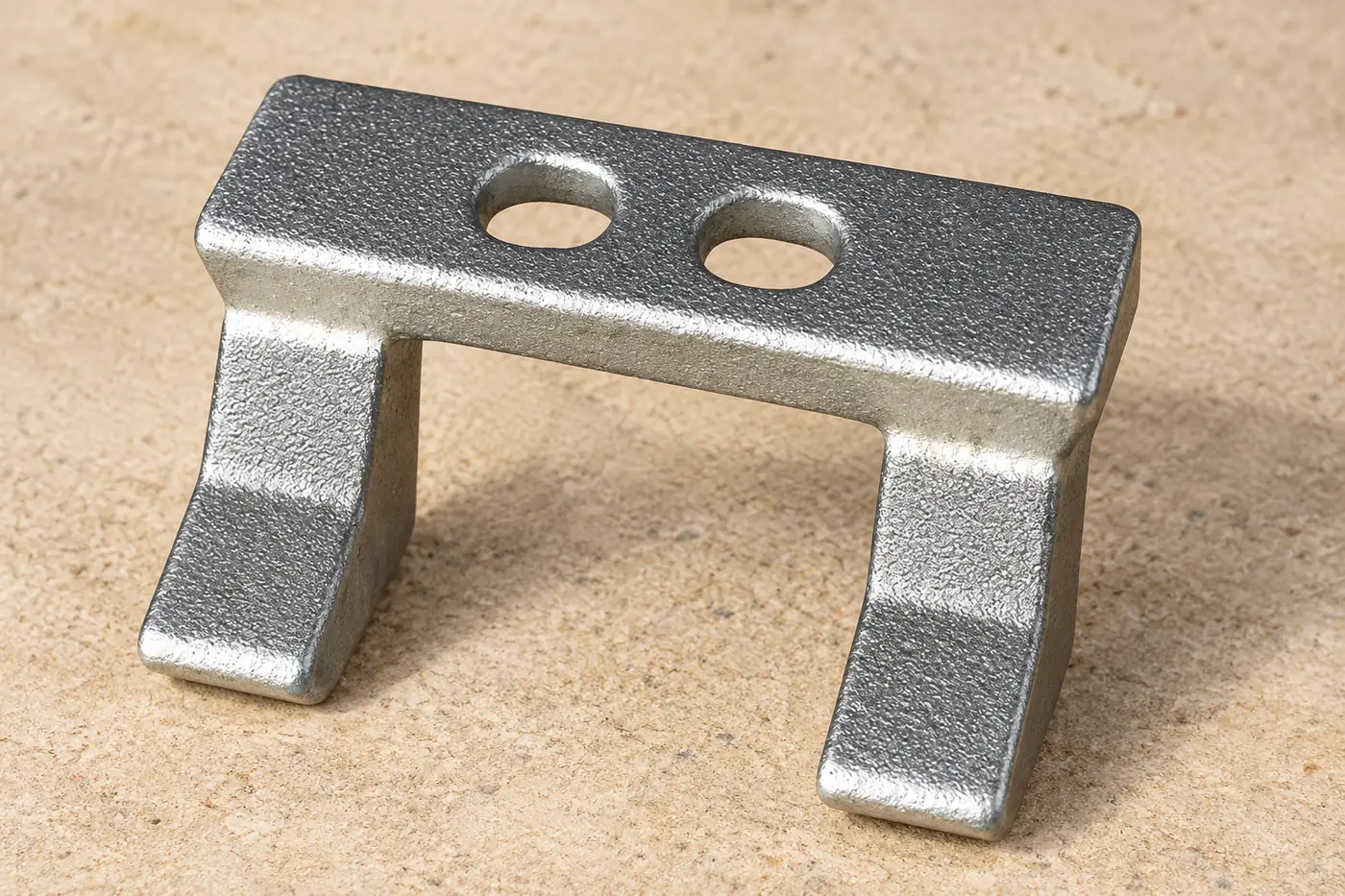
Inspect mounting fit, moving clearances and surface quality against the approved sample and drawing. Load requirements need a design and test basis if the fitting is expected to carry load. The general product description does not establish a lifting or marine-class rating.
06 · DELIVERY
Keep sets identified and polished surfaces protected
- Supplied group
- Identify variants and any expressly matched set.
- Protected delivery
- Agree protection for finished surfaces and receiving needs.
Identify component variants and any expressly matched set. Discuss protection for the finished surfaces and receiving requirements before the order is released.

07 · QUOTATION
Retain one useful boat-hardware brief
The drawing, material, finish and required checks should describe the same supplied fitting. Make missing installation inputs visible before agreeing the manufacturing scope.
Technical notes
Show the deck thickness, bolt pattern, backing arrangement and usable operating clearance. State whether the item locates, closes or carries a defined load. A decorative deck fitting and a load-bearing attachment should not be selected on the same appearance-only basis.
| Brief | Retain |
|---|---|
| Interfaces | Mounting and operating requirements |
| Manufacture | Cast form, machining and finish |
| Approval | Required component and installation review |
RELIA · YOUR NEXT PROJECT
Send the fitting drawing and boat-side interfaces
Share the component model, mounting requirements, selected stainless grade and quantities. Add exposure, appearance and operating checks needed. We can review the custom-hardware scope with the actual installation in view.
Start with these project details
- Hardware model and mounting data
- Stainless grade and quantities
- Exposure and appearance requirements
- Operating and installation checks
Shuyuan Road, Qingdao, Shandong, China
