
CUSTOM MANUFACTURING · PROJECT REVIEW
Drawing-Based Steel Castings for Railway Spare-Part Enquiries
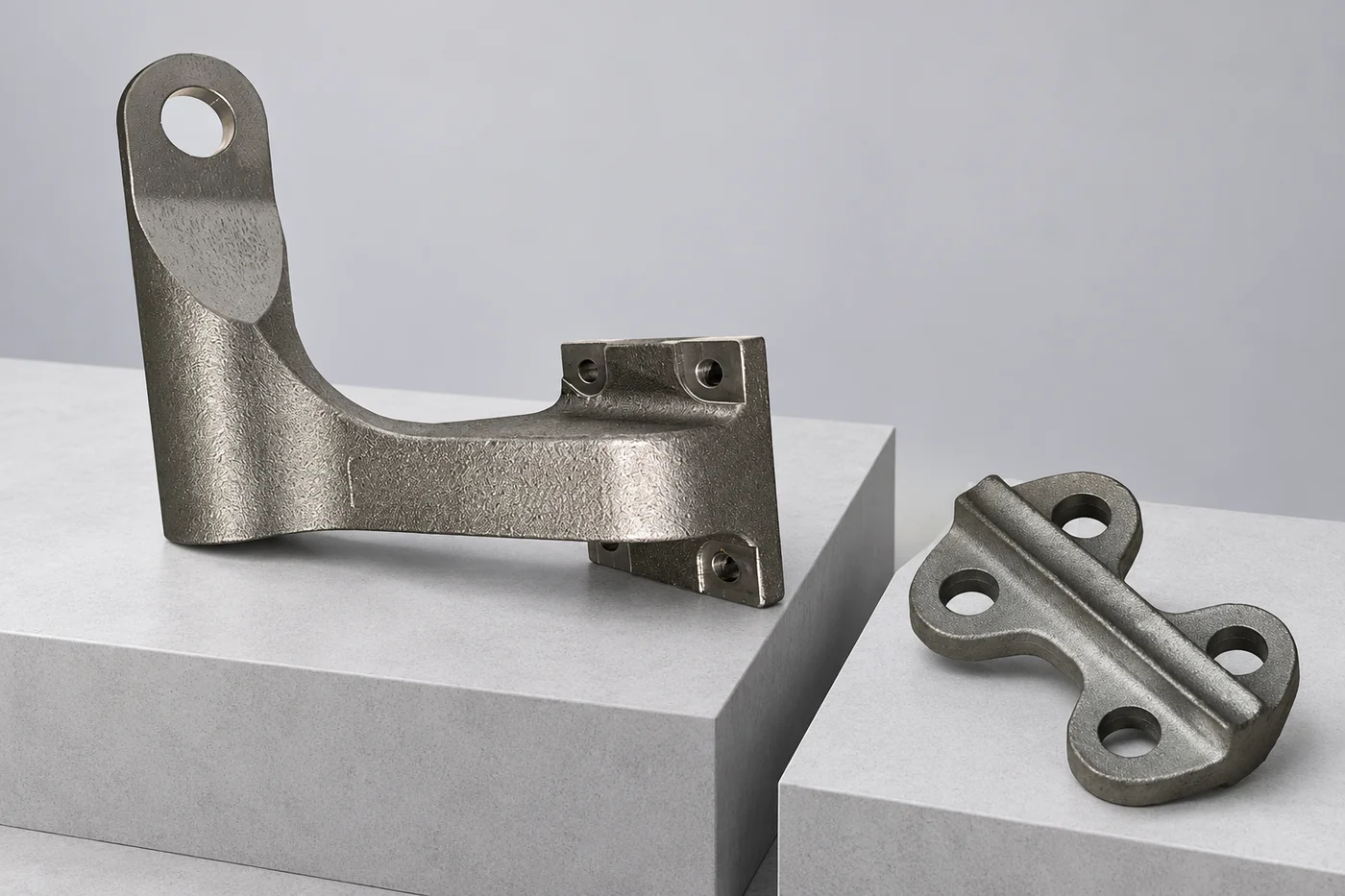
A railway spare casting needs a part-specific requirement and approval basis. Relia reviews the drawing, grade, treatment and machining scope, with the inspection records and supplier-qualification requirements defined for the intended project.
RELIA · PRODUCT AND MANUFACTURING SUPPORT
Define the component and intended railway use
Relia's railway-related references include investment casting, steel/iron options, machining and treatment choices such as annealing, normalizing or quench-and-temper. Relia's technical scope follows the exact part and customer requirements. That keeps material properties, critical geometry and any application-specific qualification visible in the purchase rather than inferred from the railway category label.
| Your requirement | Relia product and service scope |
|---|---|
| Material scope | Specified steel, alloy steel, gray or nodular iron |
| Treatment options | Anneal, normalize, quench and temper as applicable |
| Property requirements | Hardness, tensile strength, elongation and impact where specified |
| Release basis | Part-specific drawing, material and customer approval requirements |
02 · MATERIAL
Keep steel grade and material condition explicit
- Material specification
- State the exact grade and required property condition.
- Test definition
- Agree applicable methods, sampling and acceptance records.
State the exact specification and the mechanical-property requirements your design uses. Required tests need applicable methods, conditions and records rather than a general steel description.
Technical notes
Our railway-parts reference lists annealing, normalizing, quenching and tempering options. Choose the condition required by the specified alloy and properties. General fields that mention multiple processes or approvals need to be resolved into the actual quoted scope, not combined into a universal capability claim.
MANUFACTURING ROUTE · FEATURES AND CONTROL
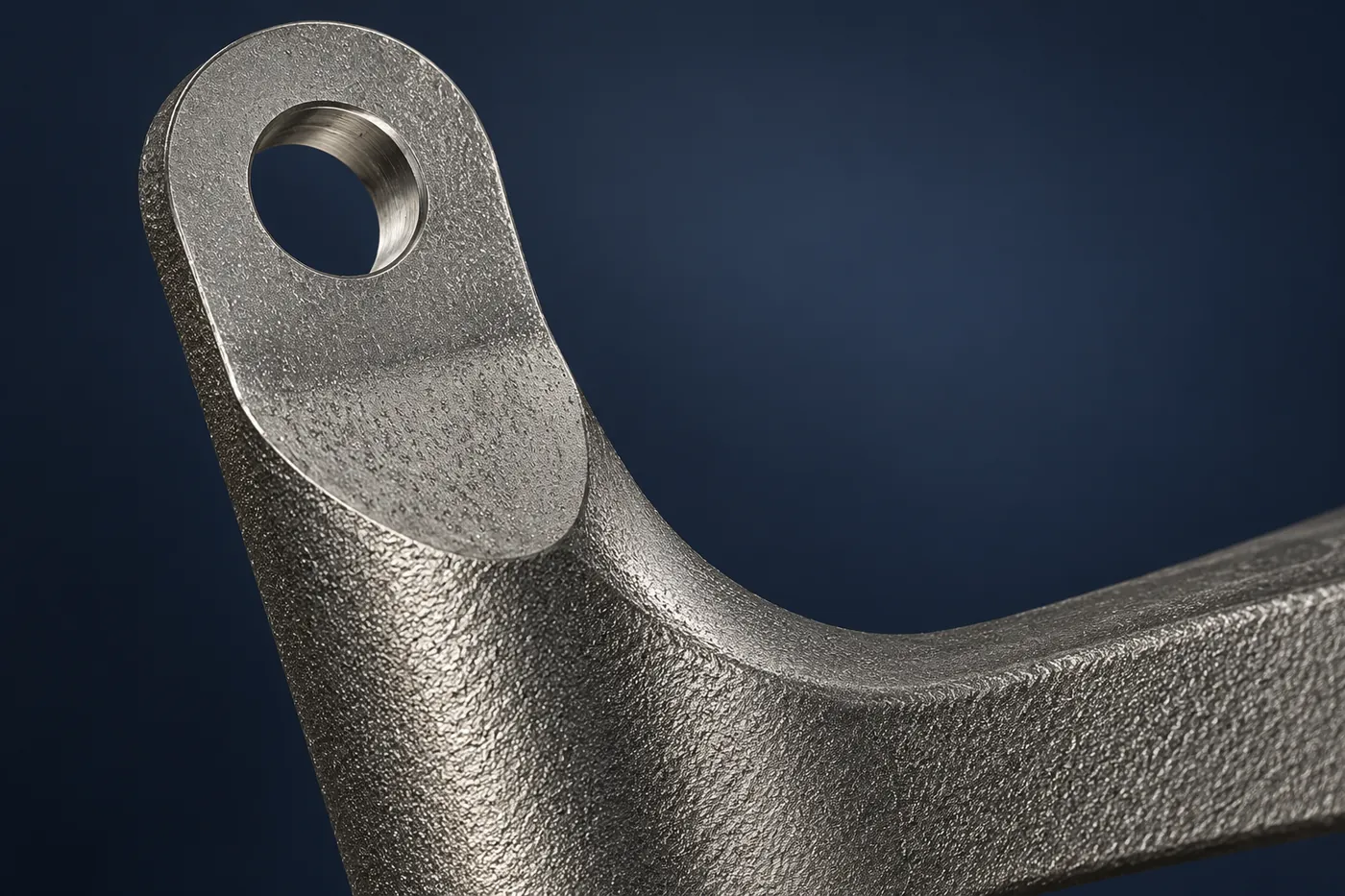
Connect the Casting Route to the Required Material Condition
The selected moulding route creates the component body with stock for its finished interfaces. Cleaning and the specified thermal treatment establish the condition required before the relevant machining and inspection stages. Relia's enquiry identifies the grade, property requirements and critical datums together, because heat-treatment condition and geometry both affect the finished spare. Tensile, impact, hardness or nondestructive tests are included only with their defined methods, sampling and acceptance criteria; the part's release requirements remain tied to its actual railway function.
- Define the part roleApproved drawing and customer/railway requirements
- Form the selected alloyCasting route, sections and machining stock
- Treat and machineRequired condition and finished interfaces
- Release with required recordsMaterial, geometry and specified test evidence
04 · ACCEPTANCE
Build an inspection matrix for the actual part
- Part-specific matrix
- Connect each required property or examination to its limit.
- Identifiable evidence
- Keep drawing, material batch and test records together.
Specify hardness, tensile, elongation, impact or nondestructive testing where required, with sampling and acceptance limits. Keep drawing, batch and test records connected. Implausible catalogue dimension units and broad certification strings are not used as proof of qualified railway supply.
05 · ELIGIBILITY
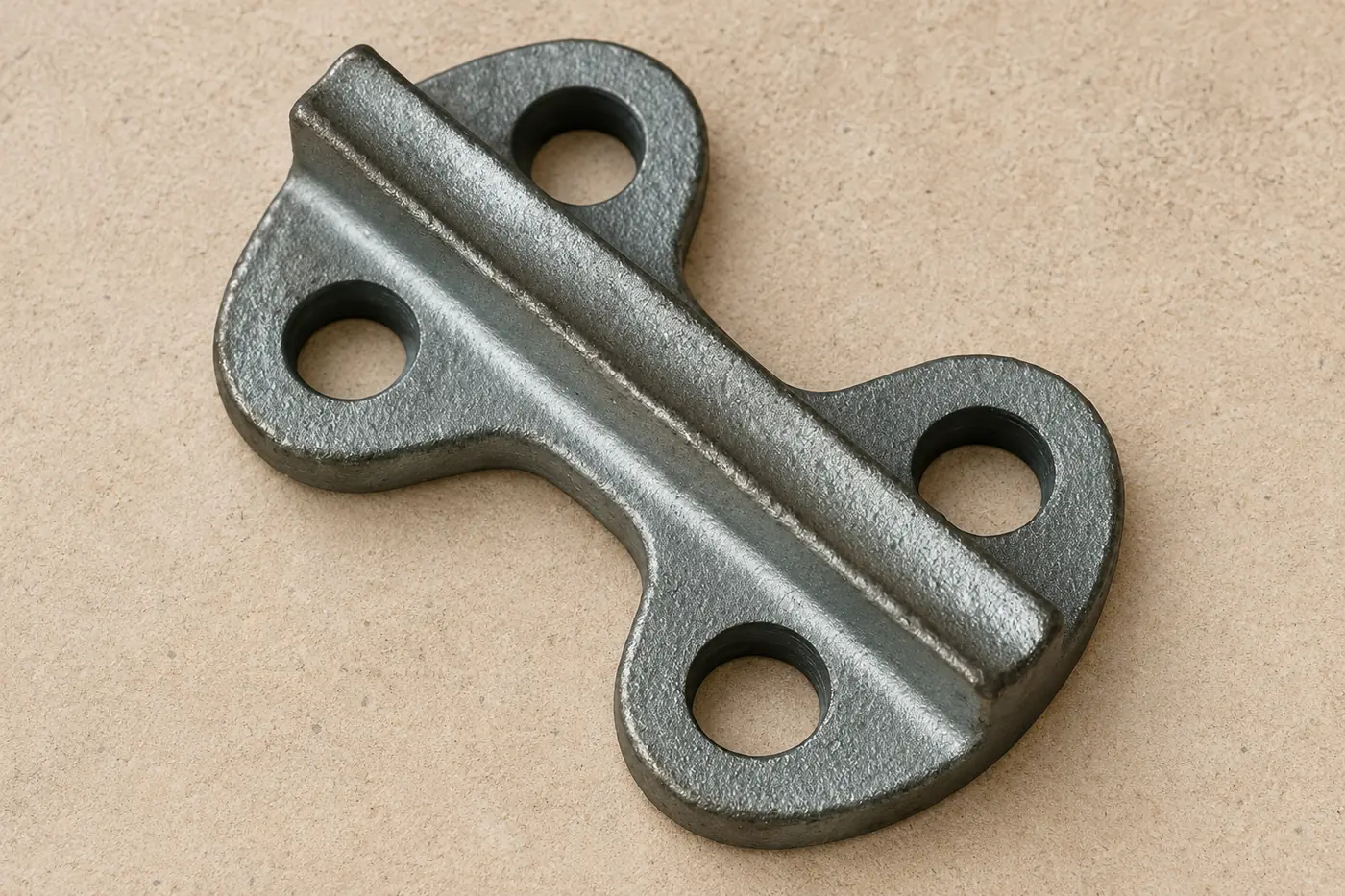
Confirm qualifications before an application release
Share the supplier and product qualification conditions that apply to your programme. Their scope and evidence need review; a railway-related catalogue entry does not establish a universal approval.
06 · FIRST RELEASE
Keep sample and production identity traceable
- Sample identity
- Agree the sample and production records required.
- Controlled release
- Retain approved revisions and accepted deviations.
Agree the sample, batch and material records your project requires. Retain approved revisions and accepted deviations so later releases follow an identifiable manufacturing and approval basis.
07 · QUOTATION
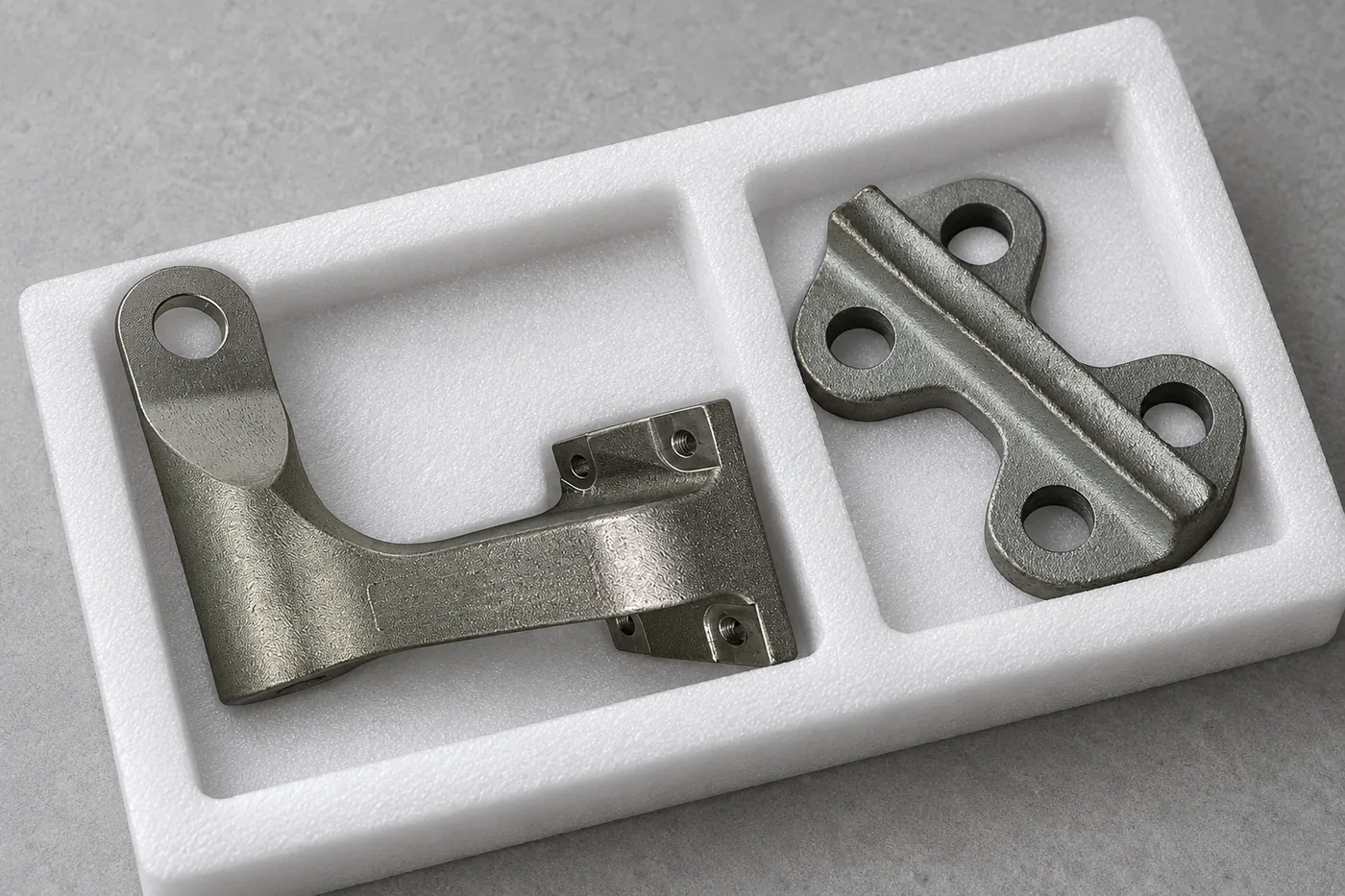
Submit one complete railway-project package
Bring the technical drawings, material specification, inspection matrix and qualification requirements together. Open inputs should remain visible until the manufacturing and approval scope is agreed.
Technical notes
Identify the part's function and whether it is structural, wear-related or part of a safety-critical assembly. Provide the approved drawing, material standard, treatment condition and operator or customer requirements. Replacement geometry should be controlled by the drawing rather than an assumed visual match.
| Package | Retain |
|---|---|
| Technical | Drawing, material and finished condition |
| Evidence | Specified examinations and records |
| Qualification | Applicable project acceptance requirements |
RELIA · YOUR NEXT PROJECT
Send the component specification and qualification requirements
Share the current drawing, material, quantities and intended use. Add the required inspection, documentation and supplier-qualification scope. We can review the enquiry against the actual railway project requirements.
Start with these project details
- Current drawing and intended use
- Grade, treatment and quantities
- Inspection and documentation matrix
- Project qualification requirements
Shuyuan Road, Qingdao, Shandong, China
