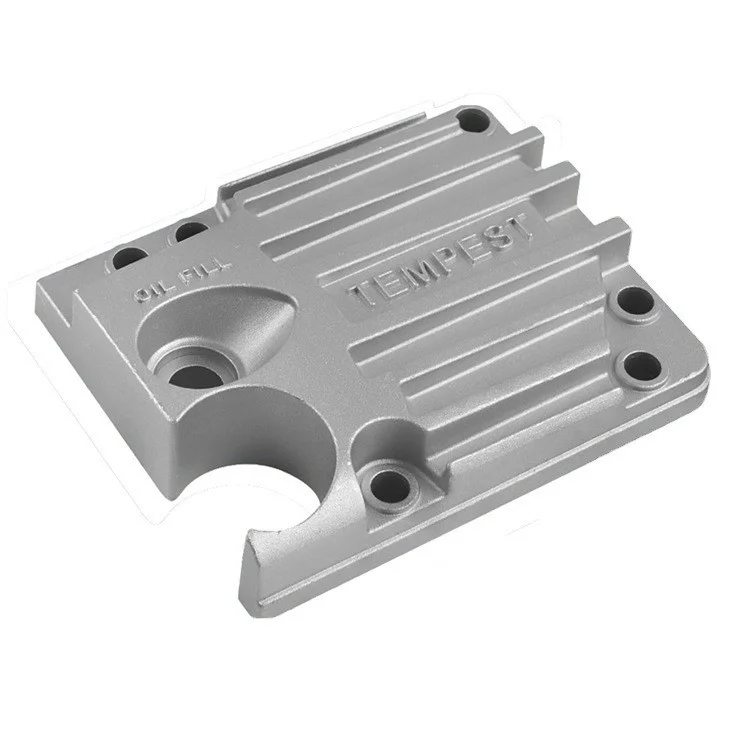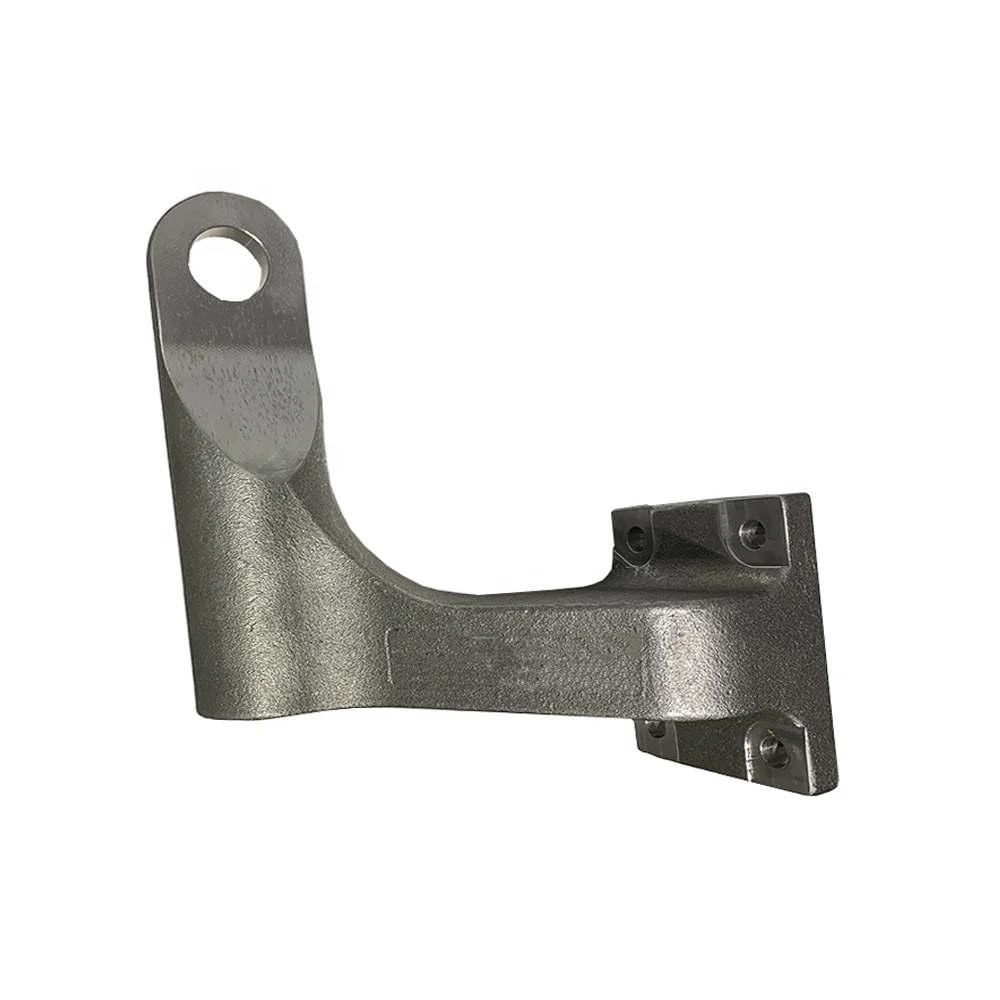
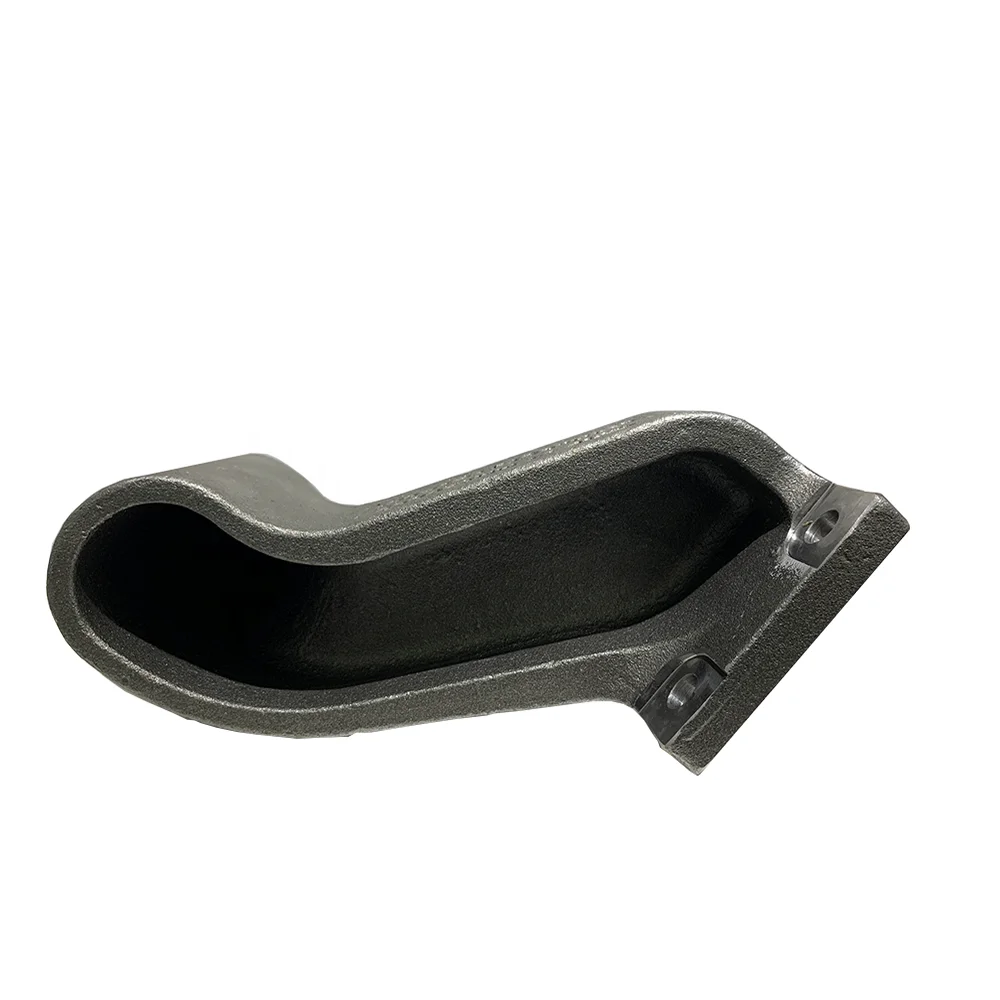
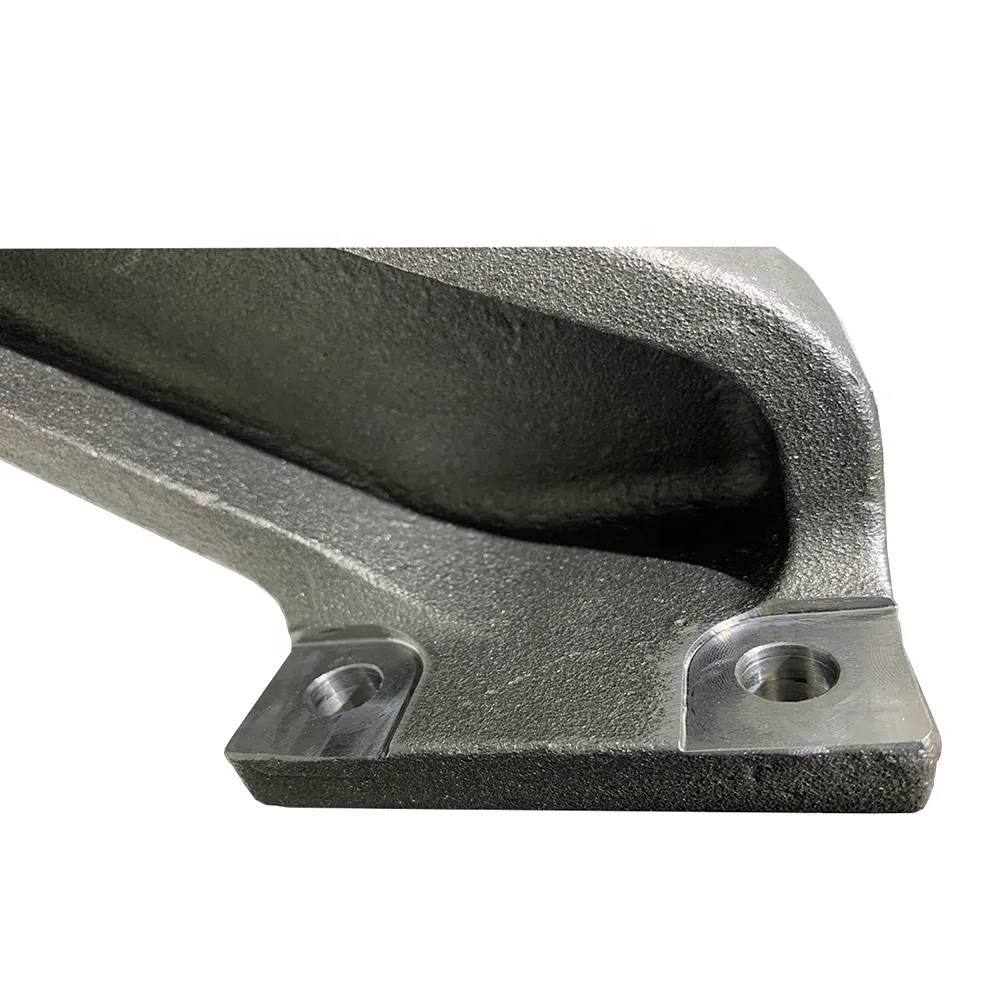
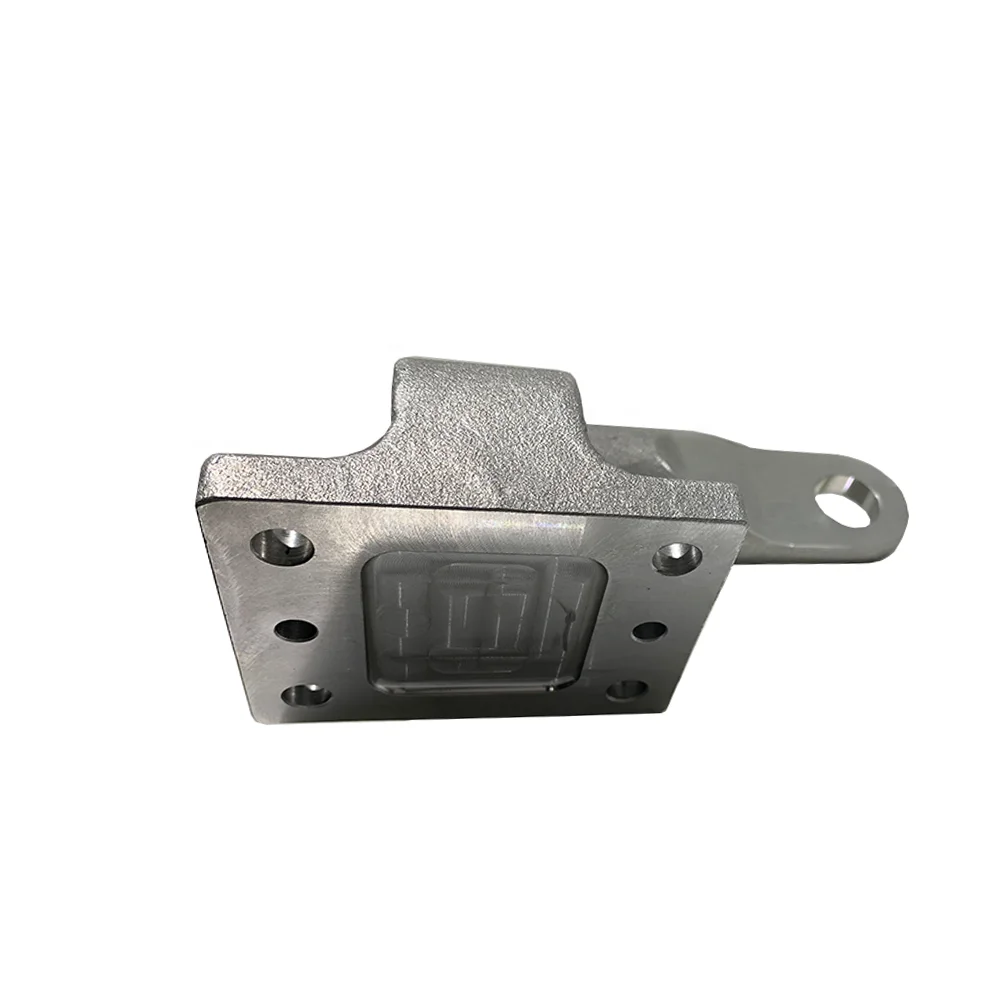
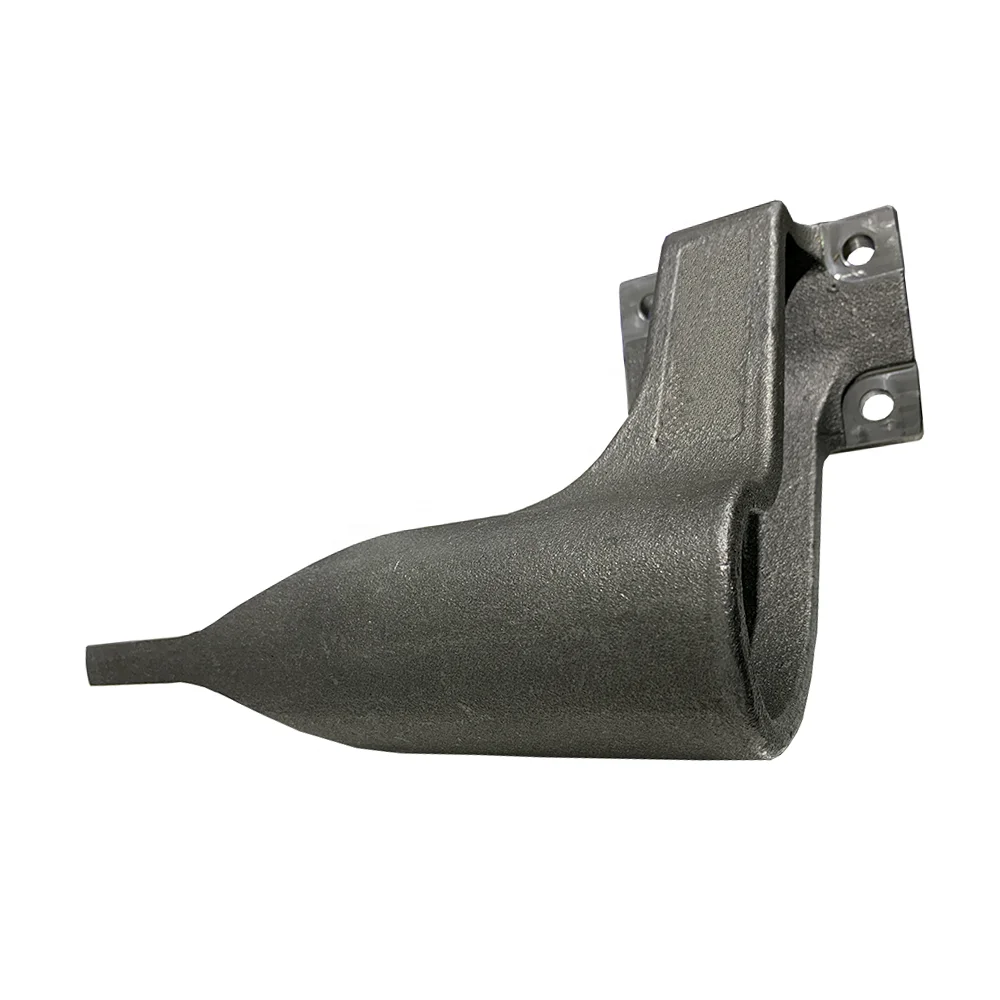
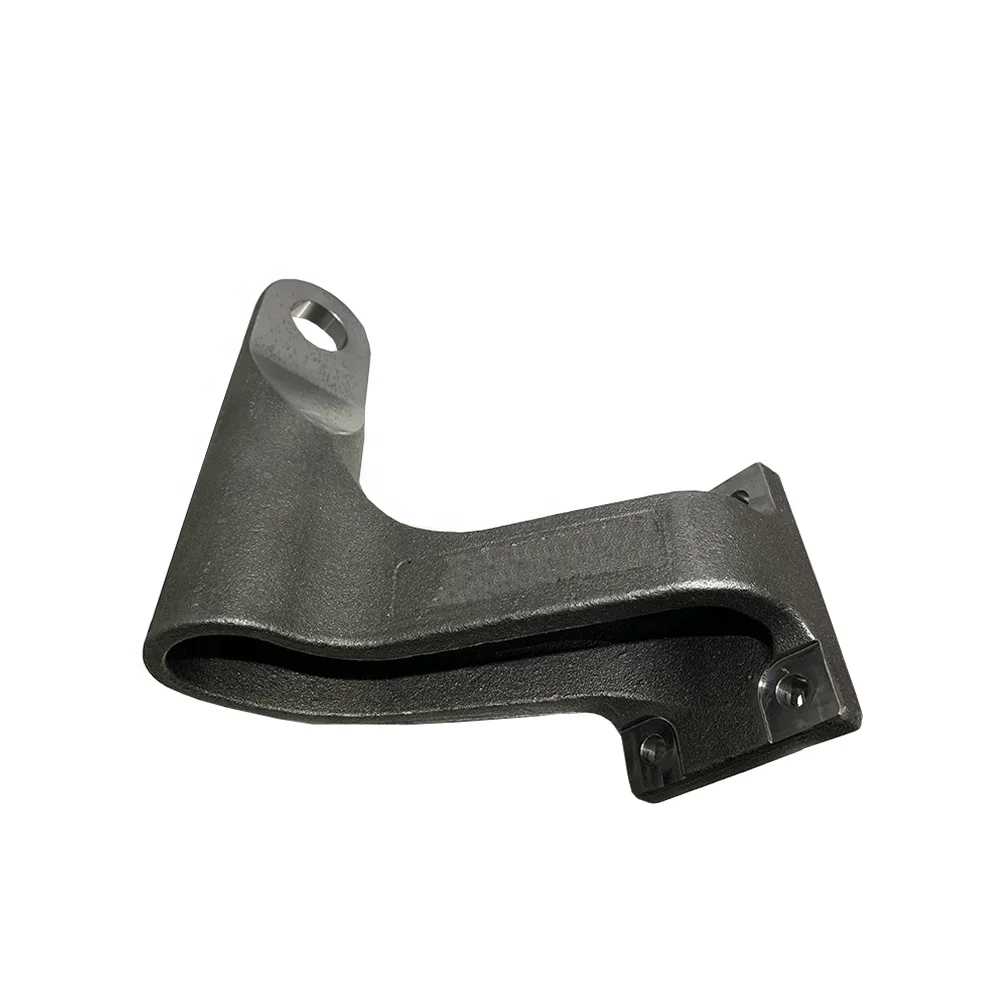
OEM Customized Precision Railway Investment Casting Parts, Steel and Iron Train Spares with Heat Treatment and Machining
Let’s define your requirement
Send a product link, drawing or short brief. We’ll work through the details with you.
- Confirm the specificationGrade or model, size and intended use.
- Define your orderQuantity, finish or configuration, and samples.
- Agree the quotation scopeIncluded work, key checks and delivery needs.
-
Surface FinishPainted , Machined
-
ProcessPrecision Casting, Investment Casting
-
MaterialIron, Steel, Gray Iron,Nodular Cast IronSurface FinishMachining Or Spay Painting
-
Heat TreatmentAnnealing, Normalizing, Quenching, TemperingCertificationApprovals ISO9001,TUV-PED,BV,DNV-GL,LR
-
InspectionPressure Test, Sealing TestRequirements For MaterialsHardness, Tensile Strength, Elongation, Impact Toughness
-
Requirements For SizeDimensional Accuracy And Shape AccuracyProduction EquipmentsAdvanced
-
Technology StrengthPowerful Technology Team
Specify a railway spare part through its material, casting geometry and intended duty. This OEM custom service uses precision investment casting, with iron, steel, gray iron and nodular cast iron choices and post-casting operations to be selected for the required component.
Choose the material around the railway component
Material selection should remain connected to the part's function and interfaces. Iron, steel, gray iron and nodular cast iron are distinct choices within this casting service. Define the required grade and the mechanical properties for the component, including hardness, tensile strength, elongation and impact toughness where they are relevant to its acceptance.
Relate heat treatment to the required properties
Annealing, normalizing, quenching and tempering are the available heat-treatment directions. Select the required treatment for the chosen material and the properties established by the railway part design. The treatment name and the acceptance requirements should be considered together, rather than assuming that every casting needs the same sequence or achieves an unspecified strength level.
Plan the machined geometry and painted surfaces
Machining or spray painting can be specified for the cast spare part. Identify the interfaces that need finished dimensions and the areas intended for a painted surface. Dimensional accuracy and shape accuracy should be defined for the actual geometry, allowing the casting, secondary operations and finished component to be discussed against the same design.
Set inspection around the actual rail duty
Pressure testing and sealing testing are available inspection methods. Agree their applicability and acceptance criteria for the particular component, alongside any other requirements imposed by the railway duty. The part enquiry should identify the relevant approval and inspection needs without assuming a pressure rating or fit to every train system.