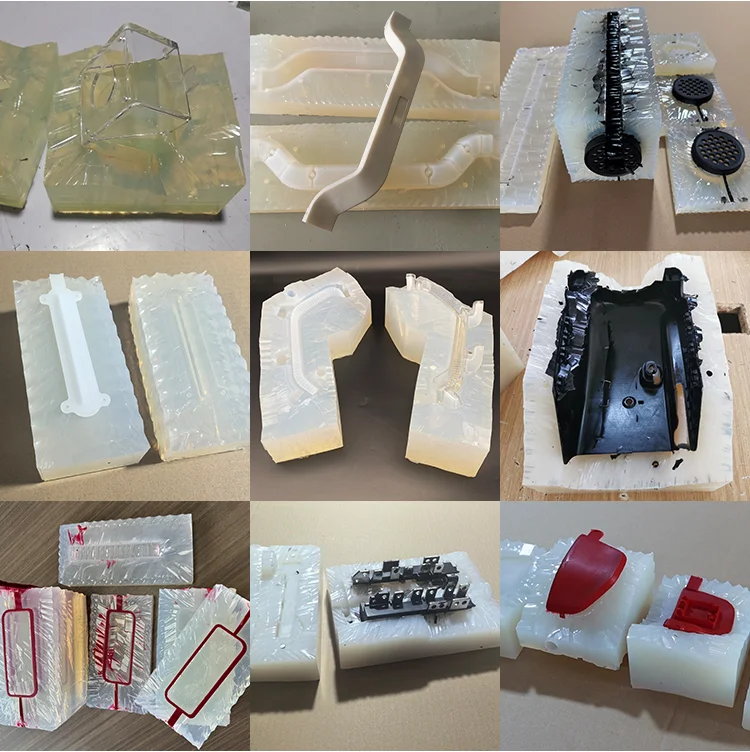
Custom Urethane PU Plastic Rapid Prototyping with Silicone Mold Vacuum Casting
Let’s define your requirement
Send a product link, drawing or short brief. We’ll work through the details with you.
- Confirm the specificationGrade or model, size and intended use.
- Define your orderQuantity, finish or configuration, and samples.
- Agree the quotation scopeIncluded work, key checks and delivery needs.
-
Surface FinishAnodized , Polished
-
Shaping ModeSilicone Mould
-
Product MaterialPU:ABS,PC,PA,PMMA,PEI,PTFE,POM,PU,PP,PVCProductFor Household Or industrial Manufacturing, Custom Plastic Products Prototype With Silicone Mold Vacuum Casting
-
ProcessVacuum Casting & Silicone Molding+FinishingSurface treatmentPaints,Plating,Polishing,Laser engraving,Anodizing,Custom
-
Drawing Format3D(IGES/STEP)Tolerance±0.15/100mm
-
ServiceOEM ODM CustomizedQuality100% Inspection
-
FeatureQuotation within 4h,Fast lead times,Optimal part quality,Low-volumeCertificationISO9001: 2016
-
MOQ1piece
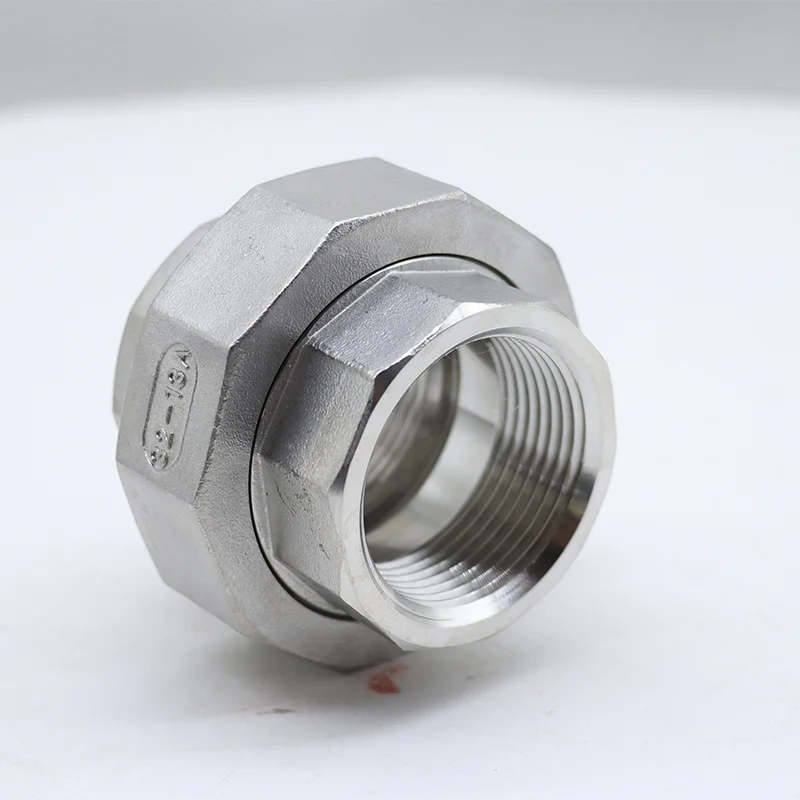
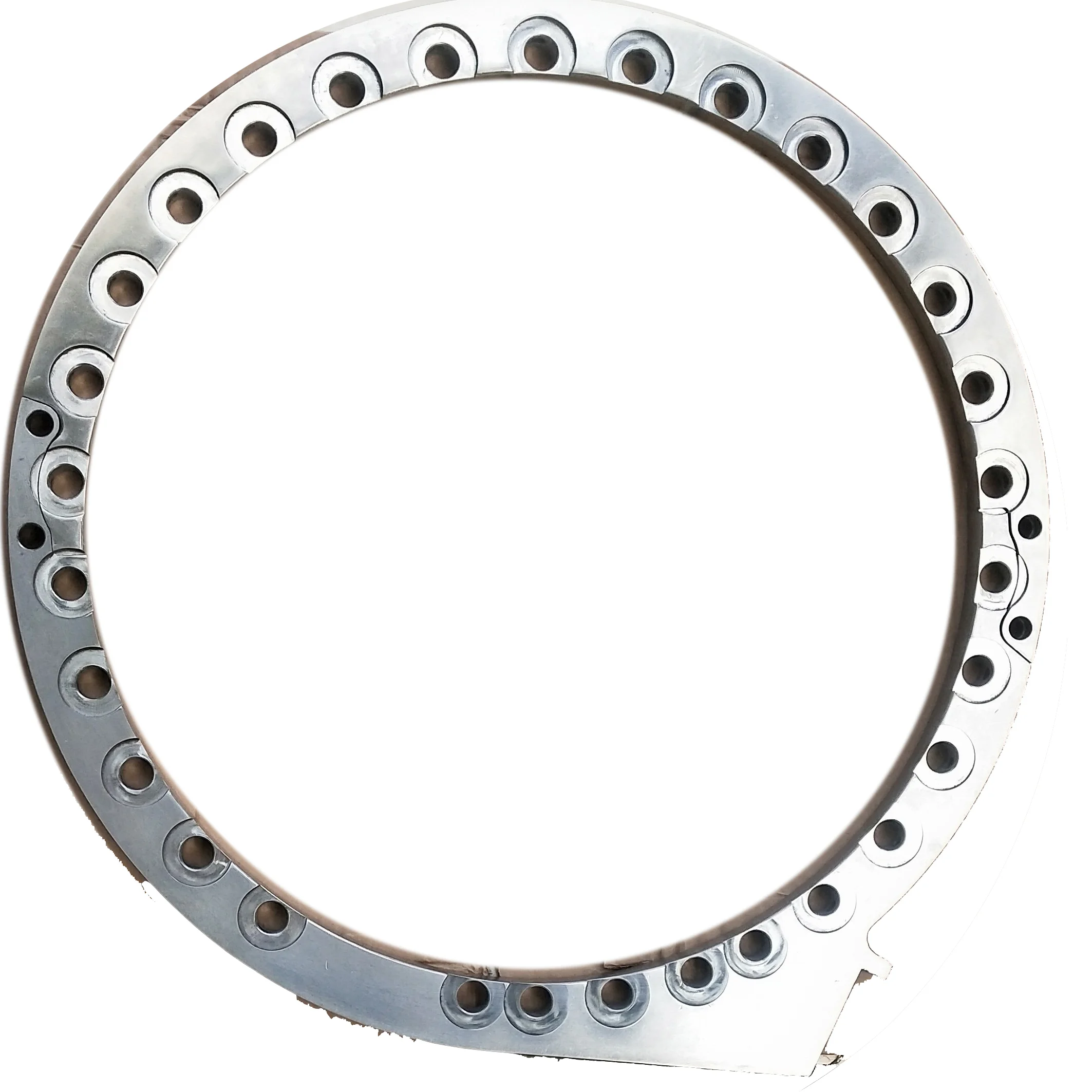
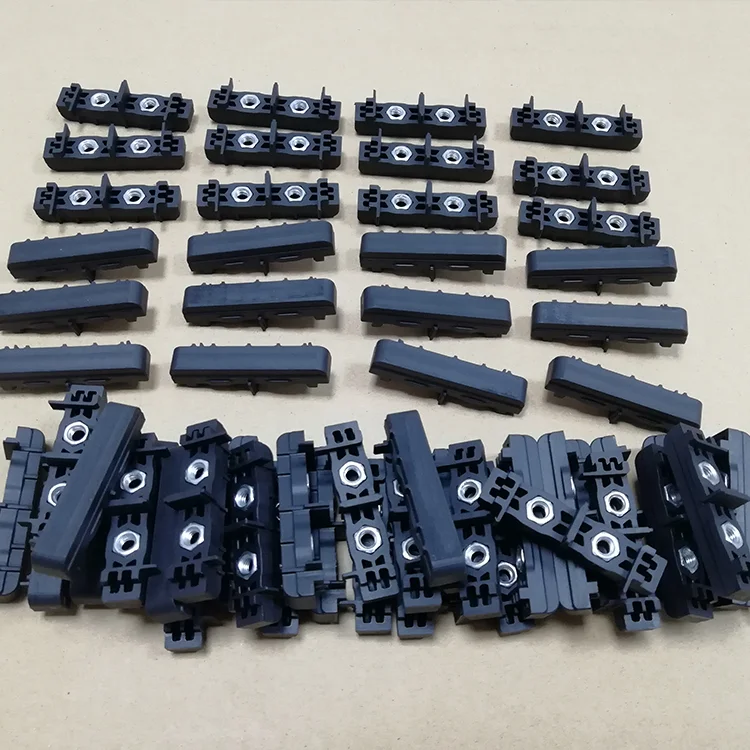
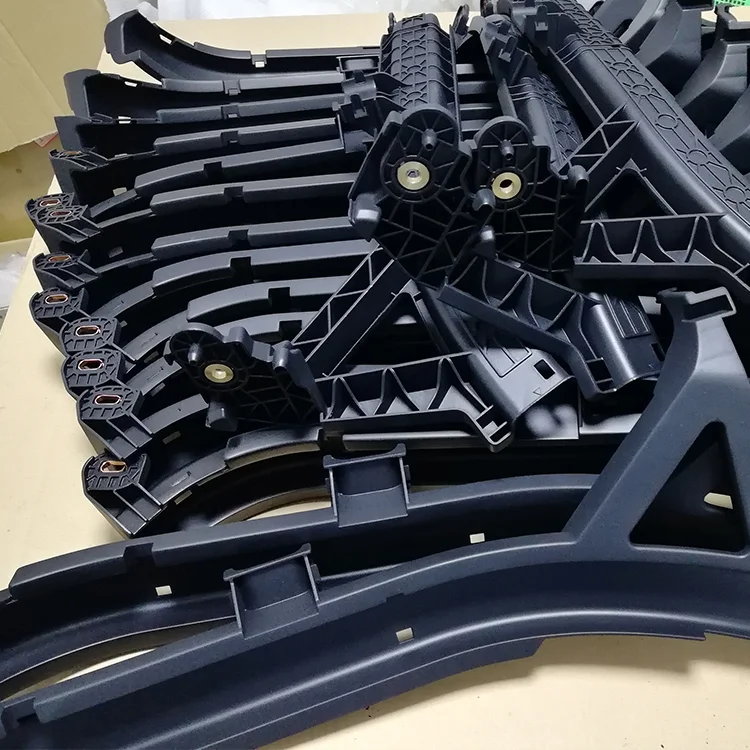
Silicone mold vacuum casting provides a custom urethane prototype route for plastic product development. The service covers vacuum casting, silicone molding and finishing, with OEM/ODM customization and low-volume work. Household and industrial product prototypes can be discussed around their geometry, intended material characteristics and desired surface treatment.
Silicone molds for the prototype form
The prototype form is developed around silicone molding and vacuum casting, so the 3D model is central to defining the requested part. Identify the surfaces and details that matter to the prototype review. This keeps the discussion attached to the actual plastic component and avoids assuming that one generic resin choice answers every design requirement.
Resin and finish are separate choices
Choose the casting resin and the material characteristics the prototype is intended to represent as distinct decisions. Painting, plating, polishing, laser engraving, anodizing and custom treatment are finishing choices to discuss for the selected resin. Confirm that relationship before approving a surface treatment, especially when the prototype needs a particular appearance as well as a defined shape.
IGES or STEP before part approval
3D models can be supplied in IGES or STEP format, and the service supports a one-piece minimum order. Review the ±0.15/100mm tolerance against the dimensions that matter to the prototype rather than leaving dimensional acceptance implicit. The inspection provision is 100%, making an agreed set of checks useful when defining what the completed prototype must demonstrate.
- Identify the model revision and the particular prototype part to be cast.
- Connect the selected resin with the required material characteristics and finish.
- Agree the dimensional checks that will be used to review the completed part.
For a low-volume development project, these decisions connect the digital model with the physical prototype being requested. They also keep the resin, surface and inspection discussion focused on that design instead of relying on an assumed material equivalence.