
CUSTOM MANUFACTURING · PROJECT REVIEW
Small-Batch Metal Casting Trials Before Repeat OEM Production
A small casting trial should help you decide what comes next. Relia reviews the design, material and sample checks with you so the trial can support a meaningful production decision, rather than simply produce a few parts.
RELIA · PRODUCT AND MANUFACTURING SUPPORT
Give the trial a specific job
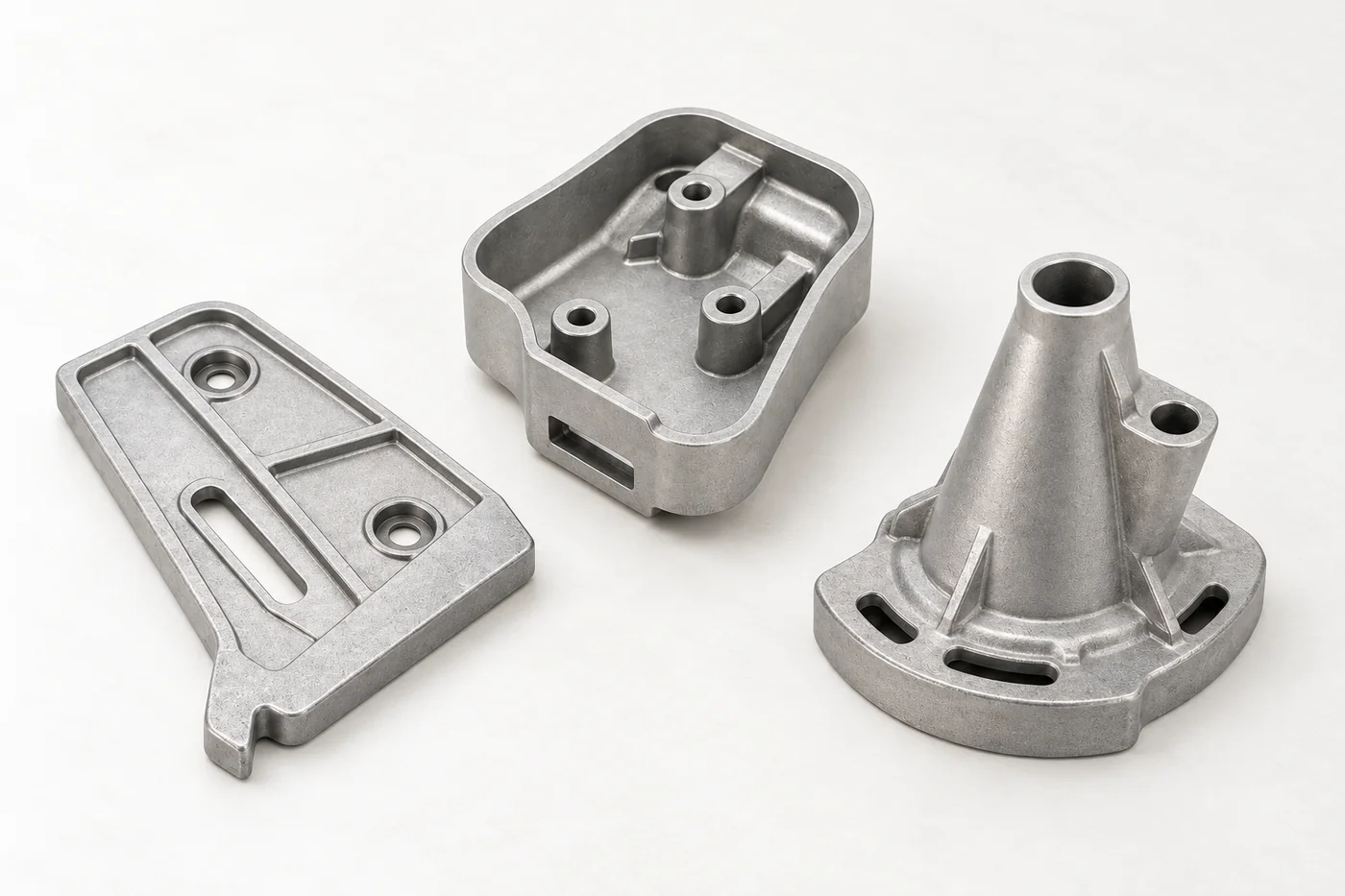
Relia's catalogue gives different starting points for different projects: the stainless mounting-bracket reference supports a one-piece enquiry, while an ADC12/A380 automotive reference lists 100 pieces. Relia can discuss those routes against the actual drawing and trial objective. Your trial package should therefore identify the part family and the decision it must support, rather than use one minimum for every casting.
| Your requirement | Relia product and service scope |
|---|---|
| Stainless example | 304/316 investment-cast bracket; one-piece enquiry reference |
| Aluminium example | ADC12/A380 part; listed MOQ 100 pieces |
| Surface example | Ra3.2–6.3 on the aluminium listing; feature scope to agree |
| Trial deliverable | Measured sample, finish reference and accepted revision |
02 · TRIAL ROUTE
Match the route to design maturity
- Changing design
- Identify features likely to change after the trial.
- Production intent
- Choose tooling around the maturity of the part.
Early geometry may benefit from a flexible trial approach, while a settled design may justify production-intent tooling. The choice depends on complexity, material, quantities and the changes still expected. We review those inputs together rather than applying a fixed quantity threshold to every casting project.
Technical notes
The stainless bracket reference lists investment casting, machining and polishing, with CT4–9 casting tolerance fields. Its machined holes still need their own limits. The aluminium reference lists Ra3.2–6.3 surface roughness; identify where that requirement applies instead of assigning it to every cast surface.
MANUFACTURING ROUTE · FEATURES AND CONTROL
Use the Trial to Qualify the Production Route
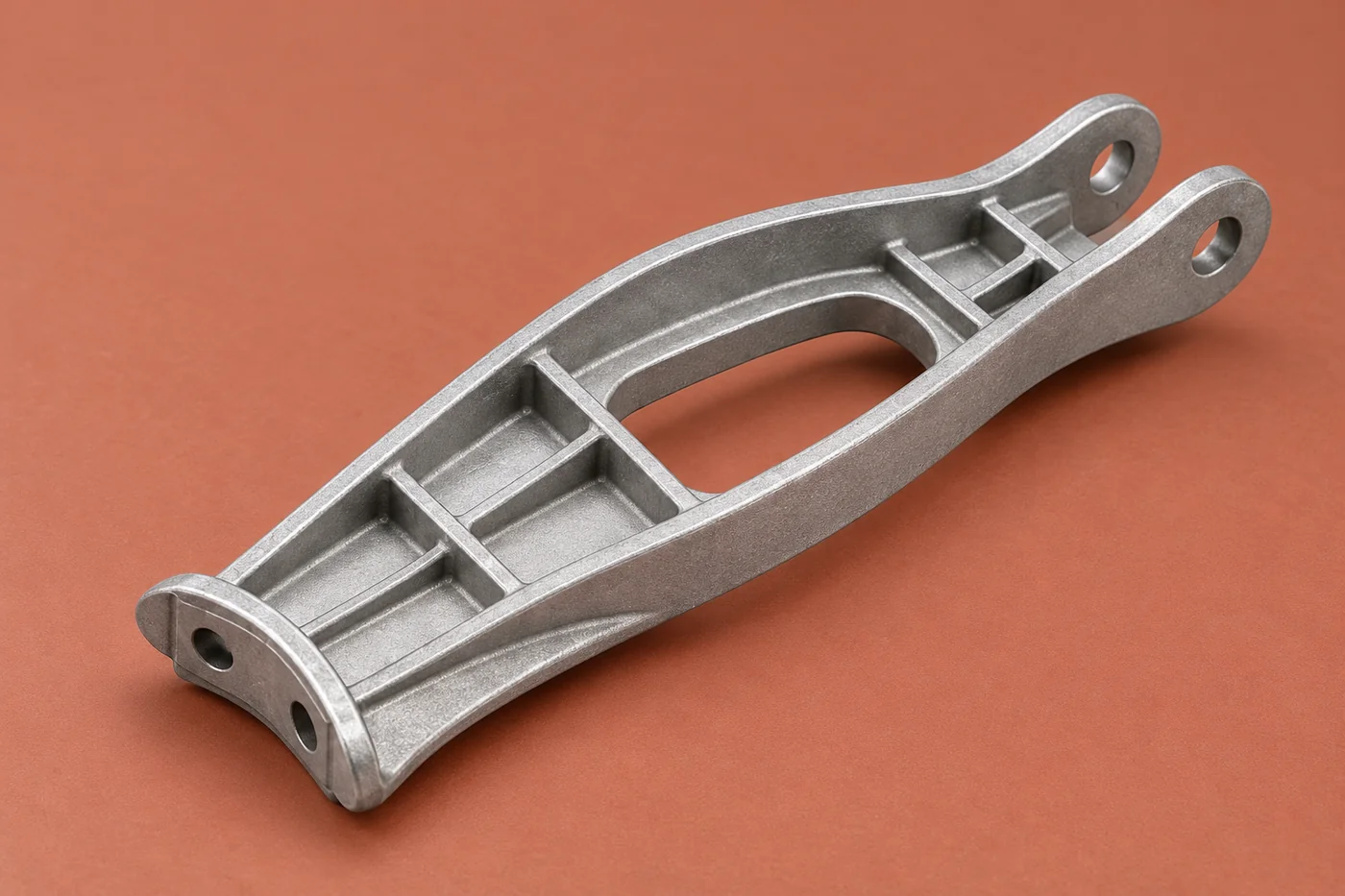
An early machined shape sample can test assembly, but it does not reproduce the solidification or surface behaviour of a casting. For a casting trial, the route includes pattern or die preparation, casting, cleaning and the selected machining/finish. Relia's sample discussion keeps the proposed production datums and important wall transitions visible. Measuring those characteristics on the trial is more informative than approving appearance alone and discovering a fit or finish problem in the first repeat batch.
- Set the trial decisionFit, surface or critical-dimension objective
- Identify toolingPrototype, existing or production-intent tool scope
- Produce representative partsSelected casting, machining and finish
- Approve the revisionMeasured results and accepted corrections
04 · DRAWING BASELINE
Freeze the features that control fit
- Frozen interfaces
- Keep fit-critical dimensions under a controlled revision.
- Open decisions
- List permitted changes and record accepted deviations.
You can leave a noncritical detail open while still controlling an important interface. Mark the frozen features and list the details still under review. An identified drawing revision and visible deviation record help us make samples that answer the intended decisions without hiding design changes inside the manufacturing process.
05 · APPROVAL
Use sample approval as a release point
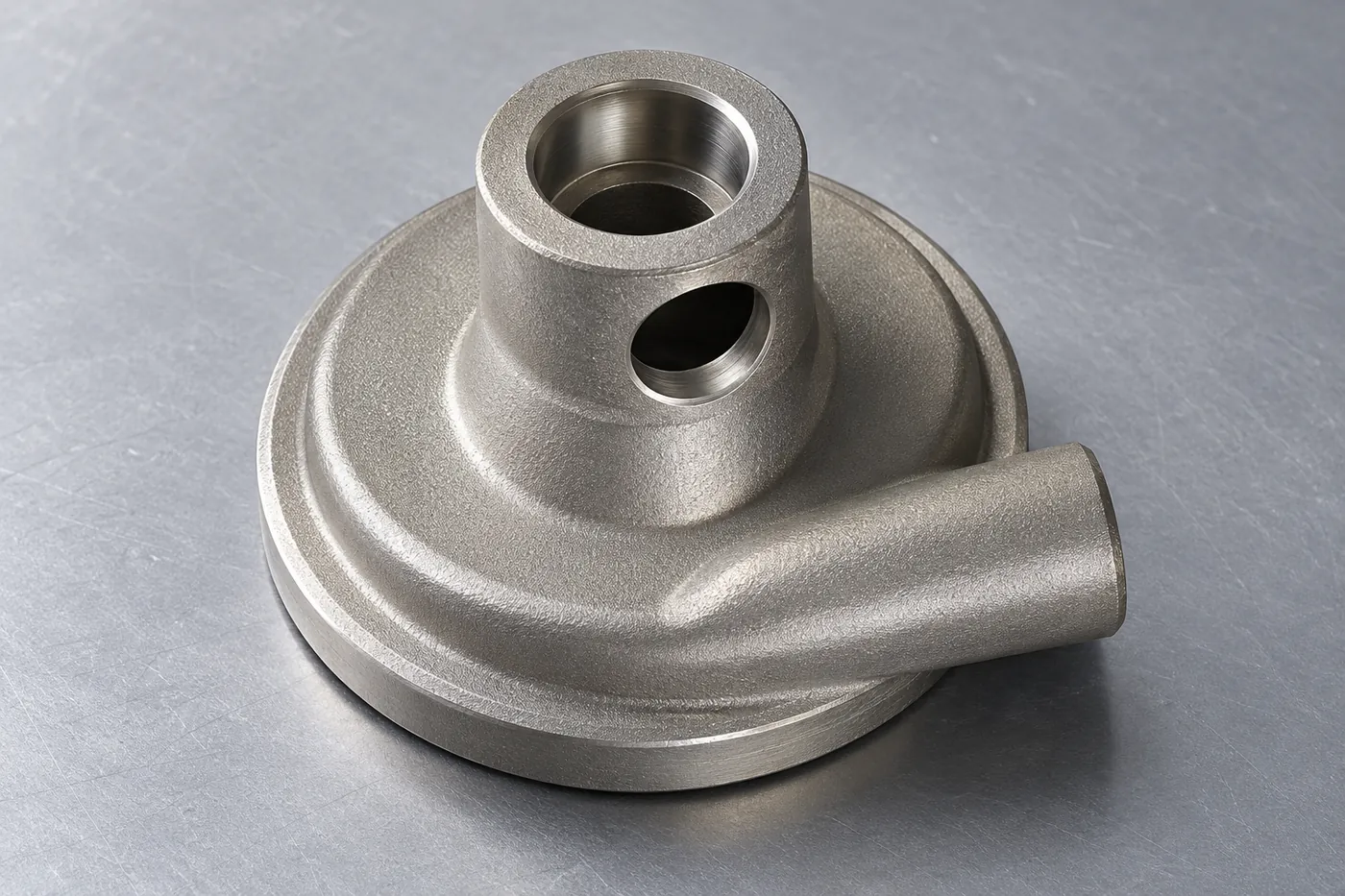
Approve the trial against a numbered drawing and a short list of critical characteristics. Record dimensions, material condition, finish and trial-fit outcome. A change to the alloy, tool or machining datum after approval should be visible in the next sample submission.
06 · REPEATABILITY
Carry the approved details into the next order
- Accepted sample
- Retain the agreed material, finish and inspection basis.
- Repeat order
- Review route or tooling changes against that baseline.
Keep the approved material, drawing, finish reference and inspection requirements with the repeat-order brief. A tool adjustment or a change of route can affect the basis of approval. We discuss those changes against the same retained requirements so that a successful trial remains useful when order quantities grow.
07 · PROJECT HANDOVER
Close the trial with a useful decision record
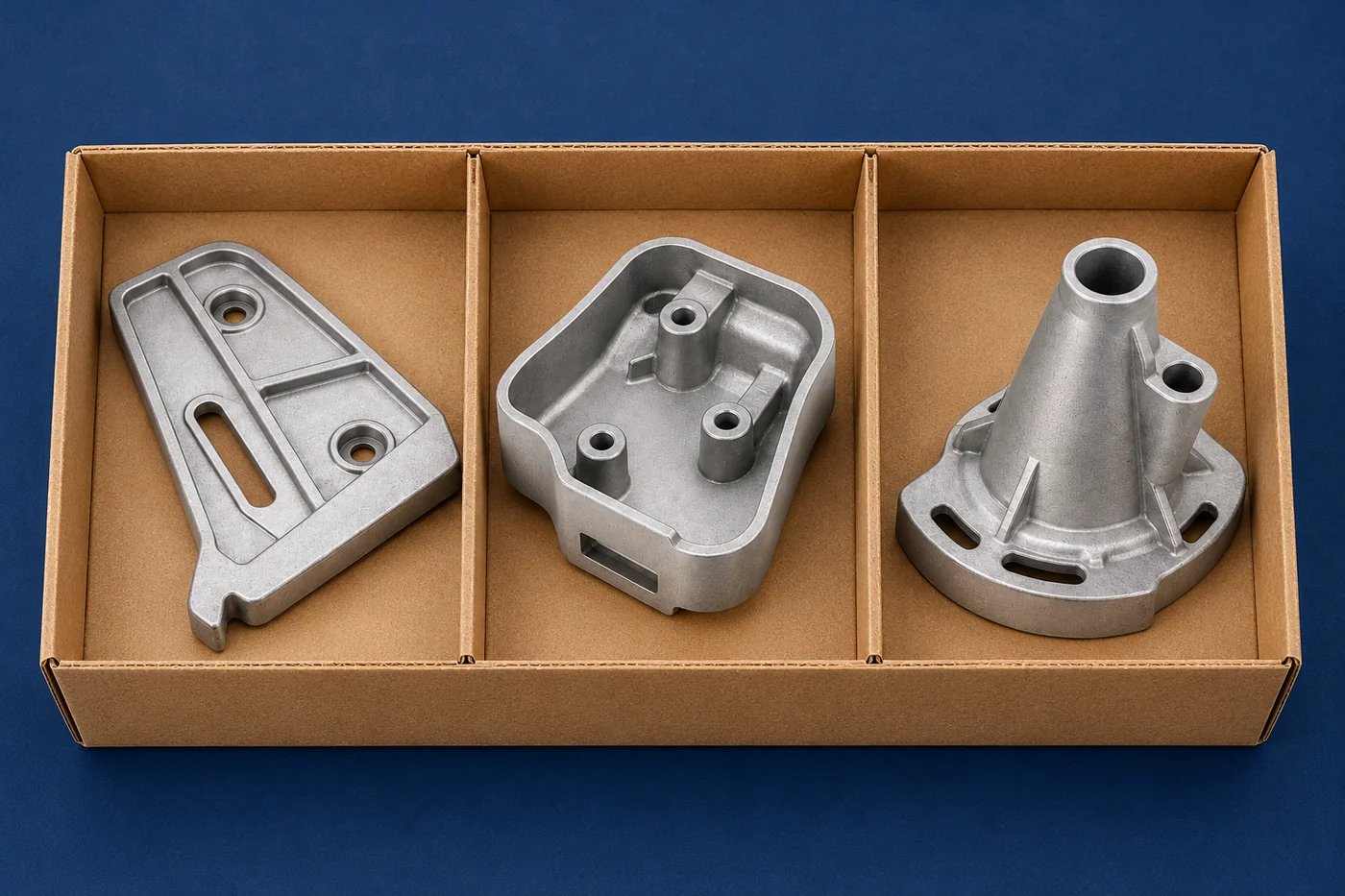
A short record is easier to use than a collection of disconnected emails. Capture the accepted features, unresolved items and the work required for the next stage. Both teams can then distinguish a completed trial from a production-ready release and keep the next quotation on the right basis.
Technical notes
A useful trial has a release decision: fit in the assembly, appearance after finishing, or stability of a critical dimension. Separate tooling, first samples and the pilot batch in the enquiry. This makes the trial cost intelligible and avoids assuming that a prototype price is the repeat-production price.
- AcceptedFeatures and evidence reviewed
- OpenRemaining design or test inputs
- Next stageWork and approval required
RELIA · YOUR NEXT PROJECT
Start with the result your trial needs to prove
Share the drawing, material, trial quantity and the checks you plan to perform. Add the repeat demand you expect and any features still changing. We can review a trial-batch scope that helps you make the next production decision with a clear technical basis.
Start with these project details
- Trial drawing and material
- Sample quantity and purpose
- Features still changing
- Expected repeat demand
Shuyuan Road, Qingdao, Shandong, China
