
CUSTOM MANUFACTURING · PROJECT REVIEW
Custom Stainless Lock Accessories for Cold-Storage Doors
A cold-storage door accessory must retain latch engagement and release clearance. Relia reviews the stainless component's casting, machining and finish around the actual door interfaces, environment and required checks.
RELIA · PRODUCT AND MANUFACTURING SUPPORT
Identify the accessory inside the door lock
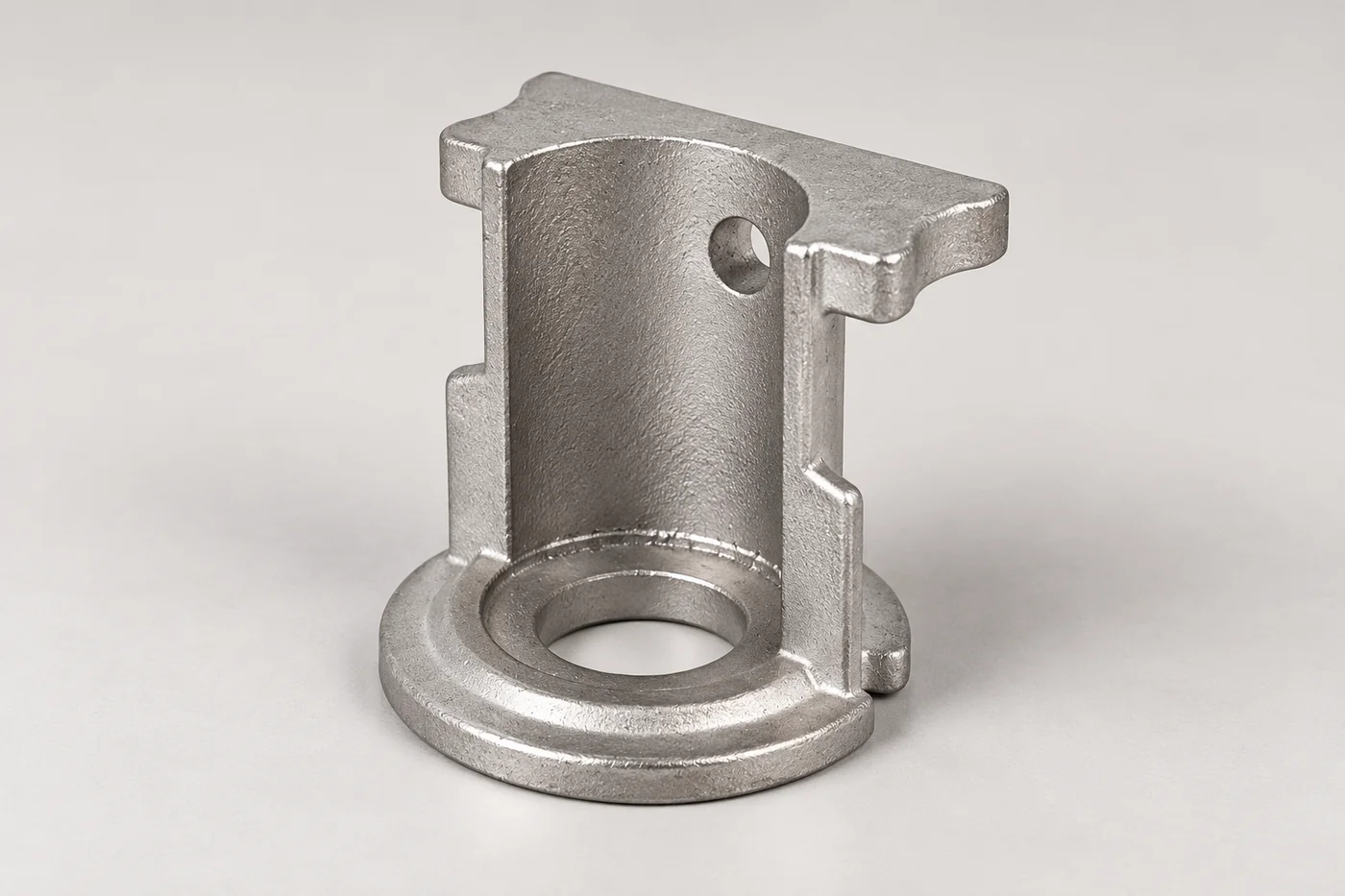
Relia's related lock-accessory reference includes casting, CNC machining and finishes such as polishing, brushing or coating, with a listed 100-piece minimum. Relia's enquiry connects the component to the door/frame drawing and required operating conditions. Your design sets the latch engagement and release function; the manufacturing package defines the supplied part that supports them.
| Your requirement | Relia product and service scope |
|---|---|
| Route | Casting plus CNC machining and specified finish |
| Casting reference | CT5–CT9 fields; feature requirements to agree |
| Listed minimum | 100 pieces on the referenced item |
| Functional focus | Latch engagement, release clearance and gasket relationship |
02 · REPLACEMENT FIT
Retain the intended assembly interfaces
- Assembly interfaces
- Define mounting, locating and pivot relationships.
- Sample condition
- Mark worn or modified areas before replacement review.
Keep mounting, locating and pivot requirements on the controlled drawing. Mark worn or modified areas when a sample is used to support a replacement enquiry.
Technical notes
Specify the stainless grade and the important contact surfaces. Keep cast tolerance and machined fit separate; the source lists CT5–CT9 casting fields, while an unqualified ±0.001 machining field is not treated as a guaranteed tolerance without units and feature context. Coating must not obstruct the moving interface.
MANUFACTURING ROUTE · FEATURES AND CONTROL
Machine the Contact Features and Preserve Working Clearance
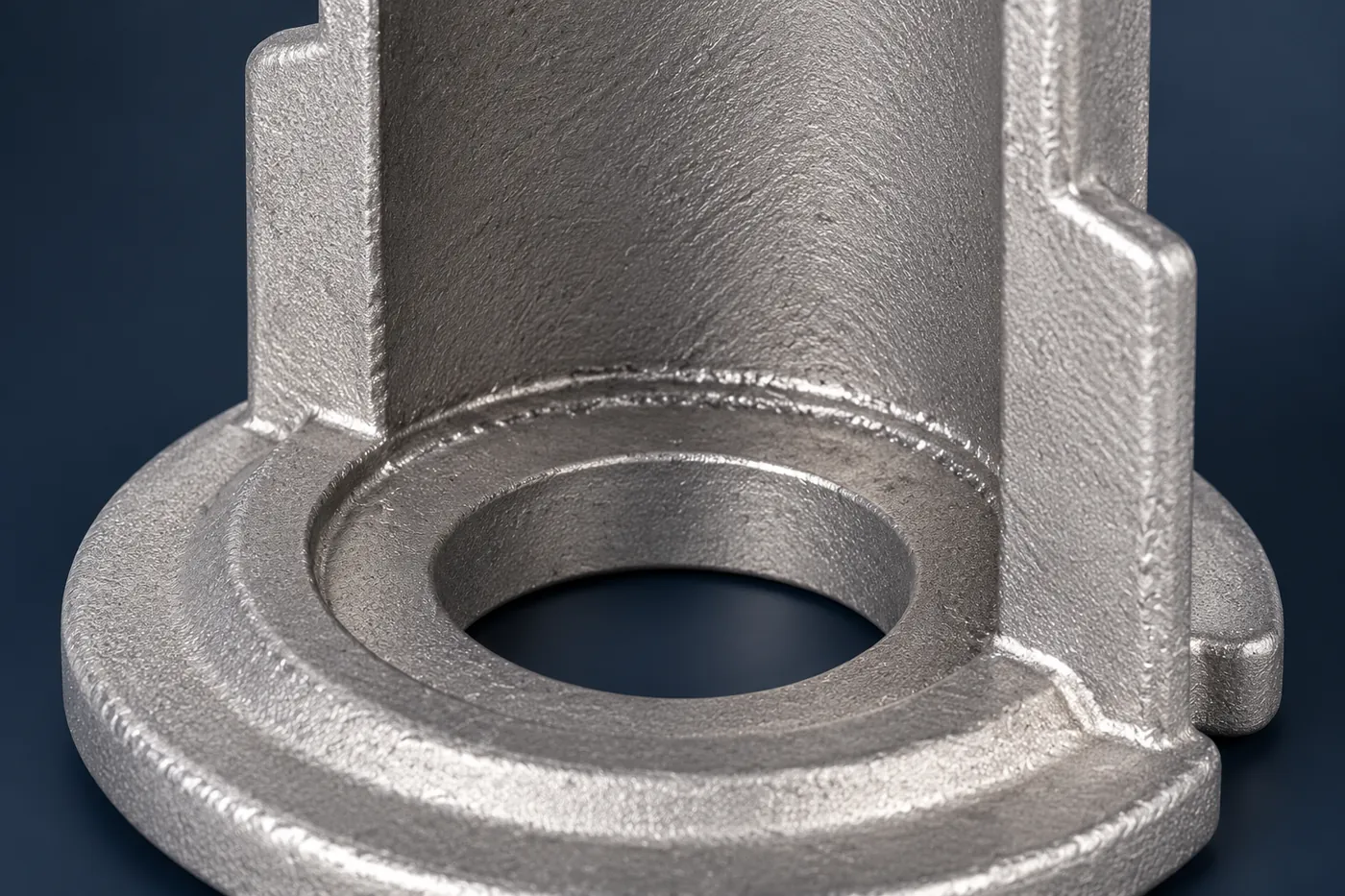
The selected casting route creates the component body with allowance for the mounting and latch-contact features. Relia's machining scope establishes those features from functional datums, then finishing is planned around the moving interfaces. Coating build-up, burrs or rough contact can change the intended release even when the overall body size is correct. The sample review therefore covers installed engagement, movement and finish, with any low-temperature, cleaning or cycle assessment specified for the complete test arrangement.
- Define door interfacesLatch, strike, gasket and release clearance
- Form and machineBody, mounting datums and contact geometry
- Finish working areasDeburred surfaces and preserved fit
- Review the door functionEngagement, release and required condition/cycle checks
04 · MANUFACTURE
Review casting and machining for the specified features
- Formed body
- Identify the geometry created by casting.
- Finished features
- Specify machining datums for holes, faces and pivots.
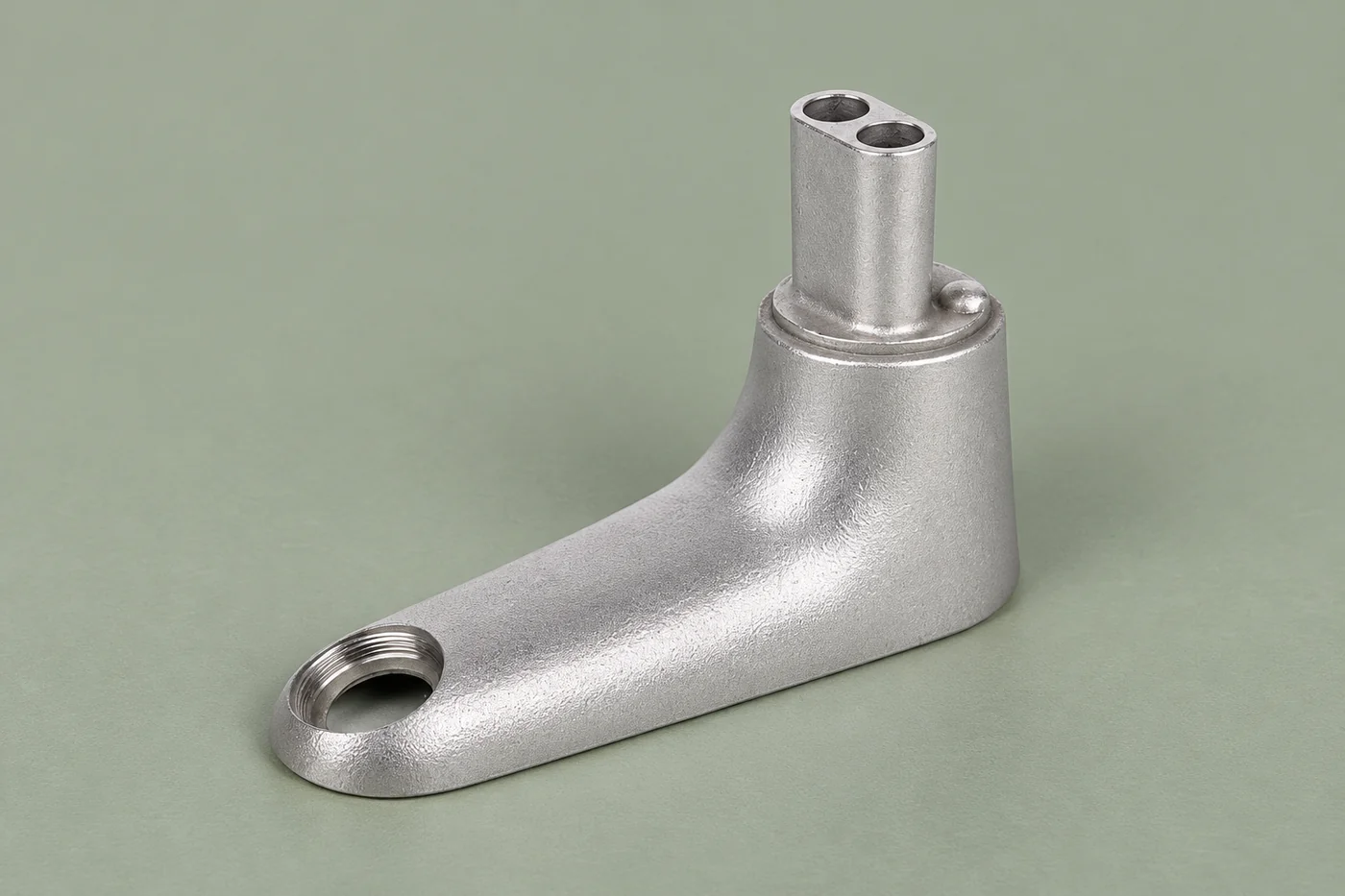
Identify the formed body and the holes, faces or pivots needing finish machining. Their datums and surface requirements should remain visible in the same component package.
05 · ACCEPTANCE
Agree fit and required functional checks
Check engagement, release clearance, mounting position and the required surface condition. Define low-temperature or cycle checks at assembly level where needed. A custom accessory order does not itself certify a complete cold-room door, emergency release system or thermal performance.
06 · DELIVERY
Protect interfaces and identify replacement variants
- Interface protection
- Agree protection for finished working surfaces.
- Door configuration
- Identify variants by accepted drawing and sample reference.
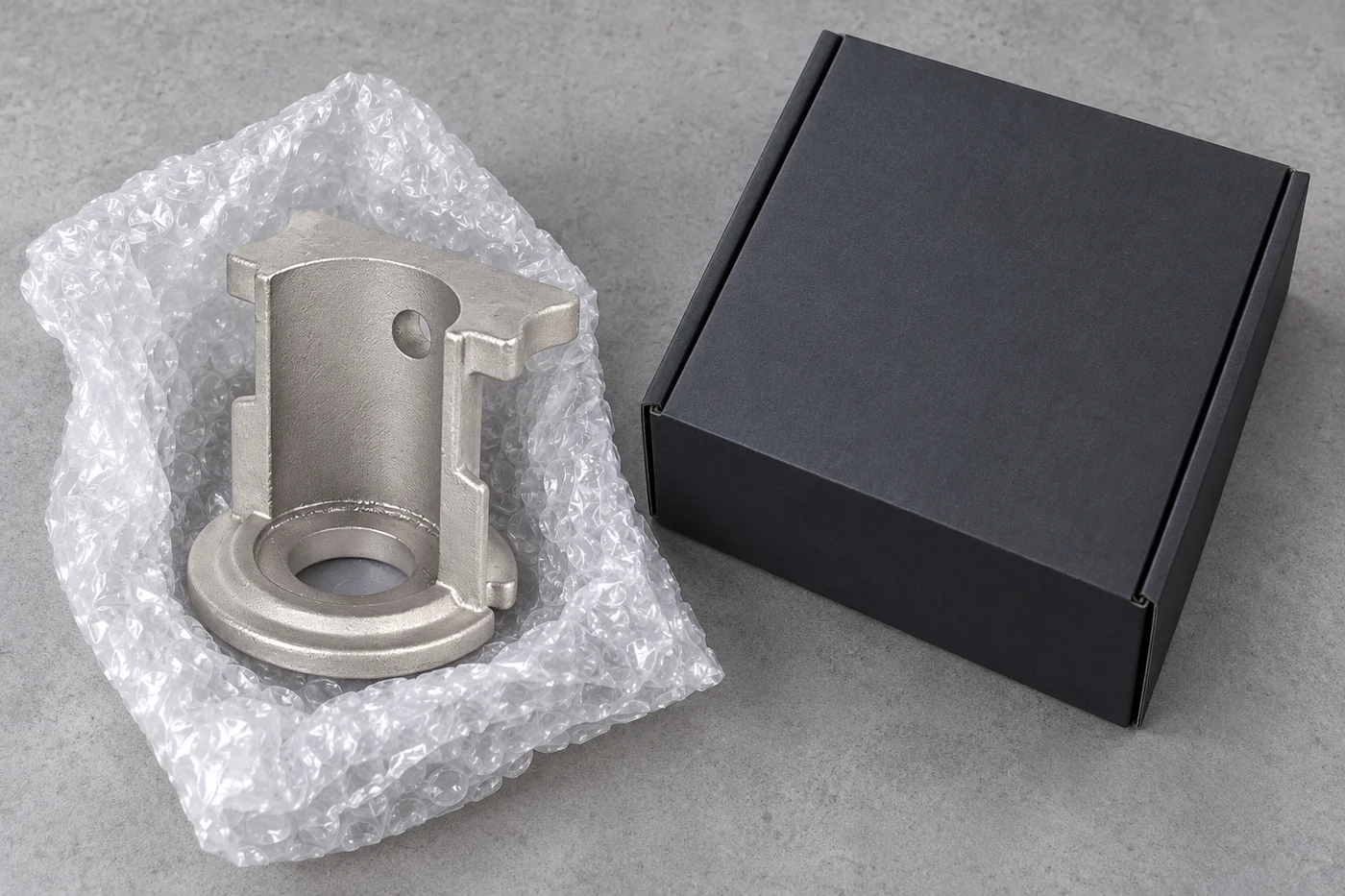
Discuss protection for finished surfaces and keep similar variants distinguishable. Retain the accepted drawing and sample references for future requests involving the same door configuration.
07 · QUOTATION
Keep the order boundary clear
The quotation should identify material, operations, supplied condition and required records. Make unresolved installation inputs visible before the accessory scope is agreed.
Technical notes
Provide the latch and strike geometry, door/frame relationship and gasket compression requirement. Include operating temperature, condensation and cleaning exposure. A component that closes correctly in a warm trial may behave differently after contraction, icing or contamination.
| Scope | Retain |
|---|---|
| Technical | Current accessory and mating drawings |
| Manufacture | Material, machining and finish |
| Approval | Required component checks |
CONNECTED BUYING GUIDES
Continue with the next project decision
Follow the related component and purchasing guides, or open the catalogue reference to carry this requirement into a specific project enquiry.
RELIA · YOUR NEXT PROJECT
Share the accessory drawing and door operating conditions
Send the component model, mating interfaces, stainless requirement and quantities. Add the actual environment and required checks. We can review the casting and machining scope for the specified accessory.
Start with these project details
- Accessory model and mating data
- Stainless requirement and quantity
- Door environment and engagement
- Finish and required checks
Shuyuan Road, Qingdao, Shandong, China
