
CUSTOM MANUFACTURING · PROJECT REVIEW
Custom Stainless Pump Housings for Drawing-Controlled Assemblies
A pump housing needs more than the correct outside shape. Relia reviews stainless casting and CNC machining around the passages, ports and sealing geometry, with the material and body-level checks defined for your pump assembly.
RELIA · PRODUCT AND MANUFACTURING SUPPORT
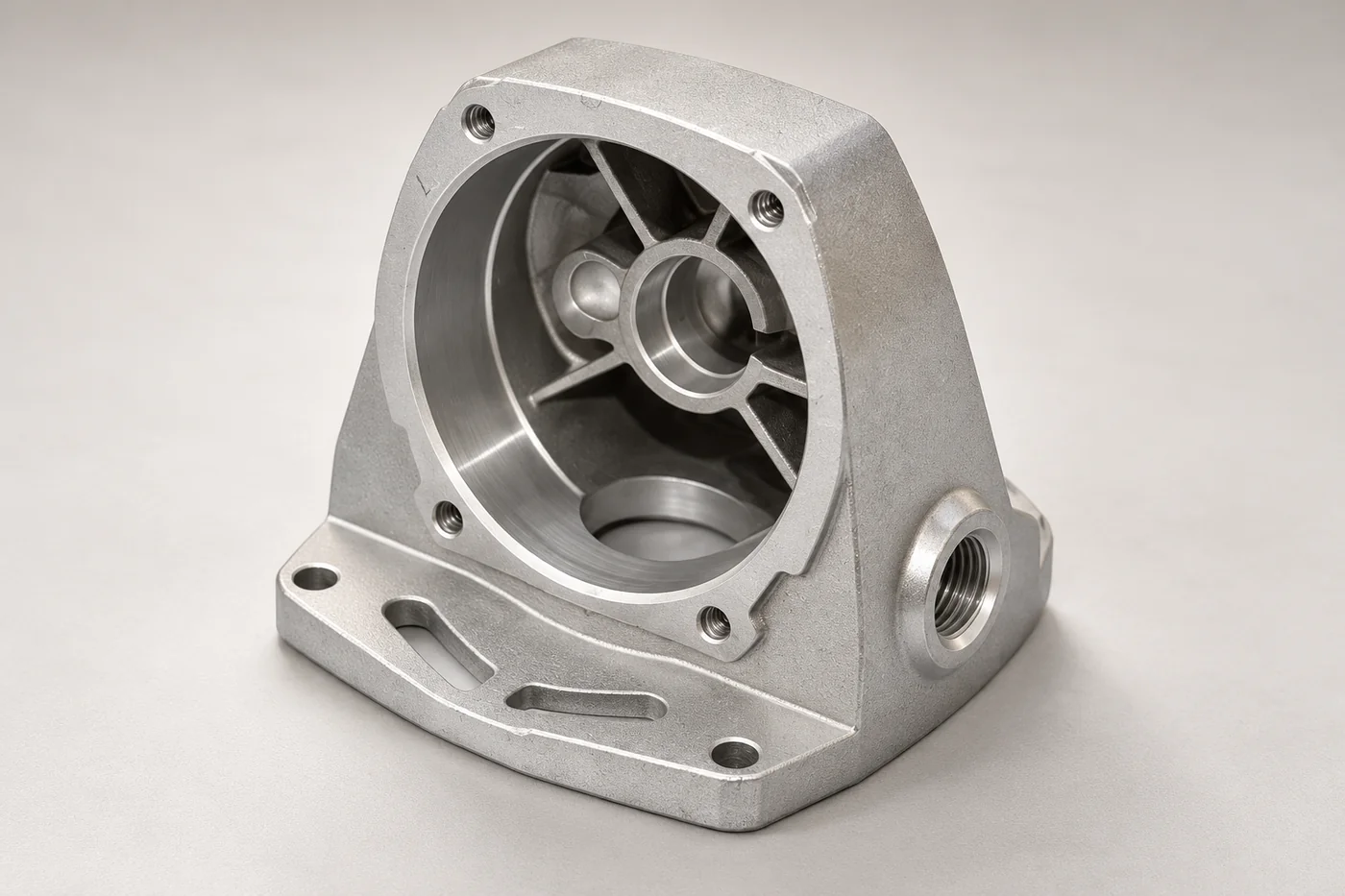
Identify the housing and its delivered condition
Relia's relevant fluid-component range includes 304/316 stainless descriptions and silica-sol lost-wax casting with CNC machining. Relia's enquiry scope connects the housing shape, port connections, mating cover and required surface condition. That is useful when your purchasing decision depends on both the pressure-boundary body and the finished interfaces that make assembly possible.
| Your requirement | Relia product and service scope |
|---|---|
| Catalogue material references | 304/316 and 304/316L stainless descriptions |
| Route | Silica-sol lost-wax casting plus CNC machining |
| Surface options | Pickling, passivation, electropolishing or specified finish |
| Acceptance focus | Port interfaces, sealing geometry and defined leakage test |
02 · CASTING ACCESS
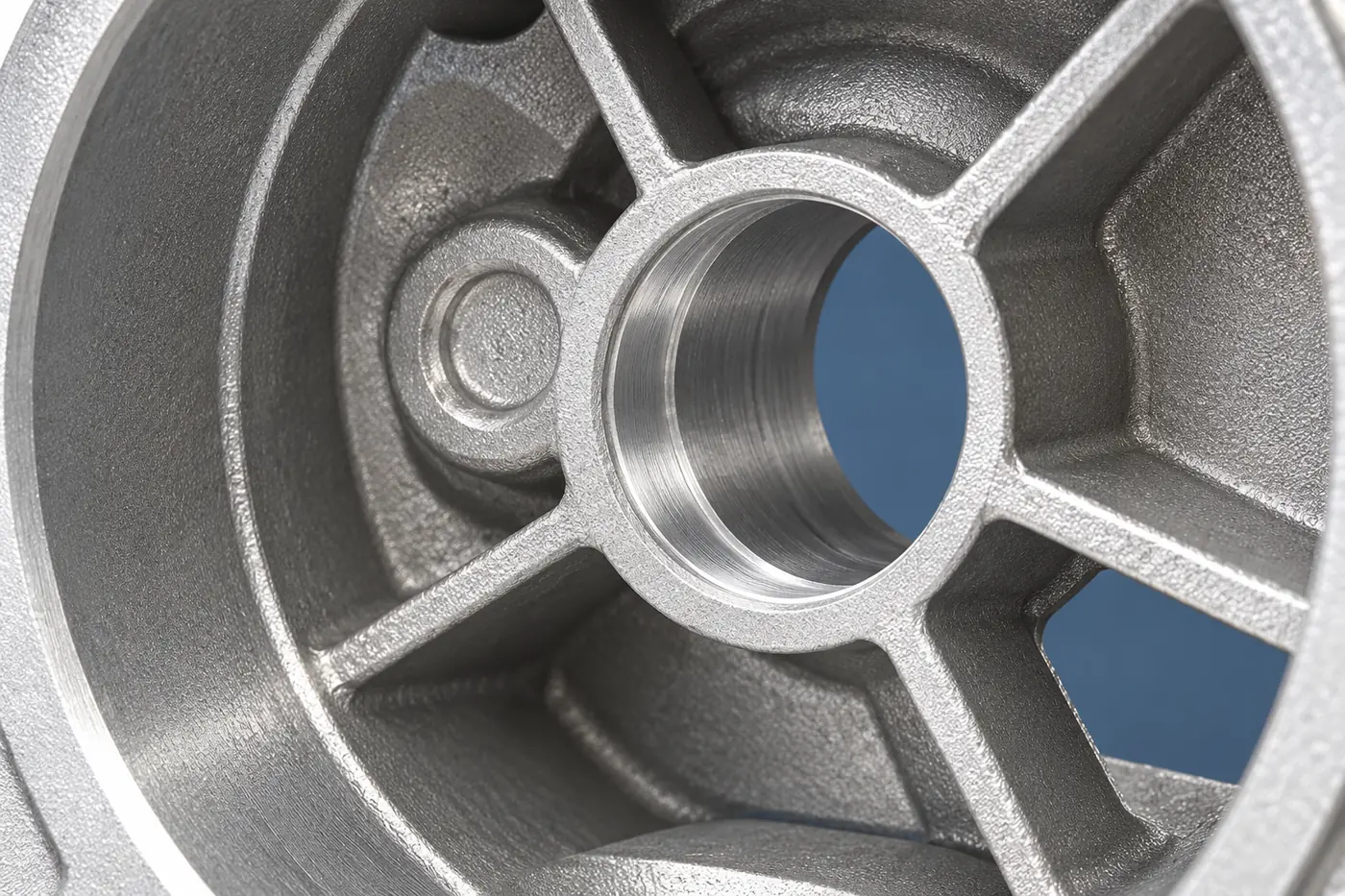
Make internal features available for review
- Internal geometry
- Provide sections showing passages and wall transitions.
- Manufacturing access
- Identify areas needing cleaning, machining or inspection.
A sectioned model or clear internal drawing helps explain features that an outside view cannot show. Identify the passages, wall transitions and areas needing cleaning or inspection. We can review the proposed casting and machining approach with those features visible, including any limitations that need a technical decision.
Technical notes
Separate the casting envelope from finished sealing and locating features. Our fluid-control reference lists shot blasting, pickling, passivation and electropolishing options; choose the finish for the actual service and cleanliness need. Finish appearance alone does not demonstrate a leak-tight pressure boundary.
MANUFACTURING ROUTE · FEATURES AND CONTROL
Form the Body and Finish the Sealing Geometry
The investment-cast body needs a mould arrangement that reproduces its passages and leaves practical machining stock. After shell removal and cleaning, machining establishes port threads or flanges, cover faces and locating registers. Relia's finishing scope distinguishes pickling, passivation or other selected treatment from dimensional finishing. Internal cleaning and a defined leak or pressure test can then be included where the project requires them; the test boundary must correspond to the body actually being purchased.
- Define the passage bodyModel, material and casting/machining split
- Cast and cleanRemove shell, gates and residual internal material
- Finish the interfacesPorts, cover face and assembly registers
- Verify the bodyDimensions and specified pressure/leak conditions
04 · FINISHED INTERFACES
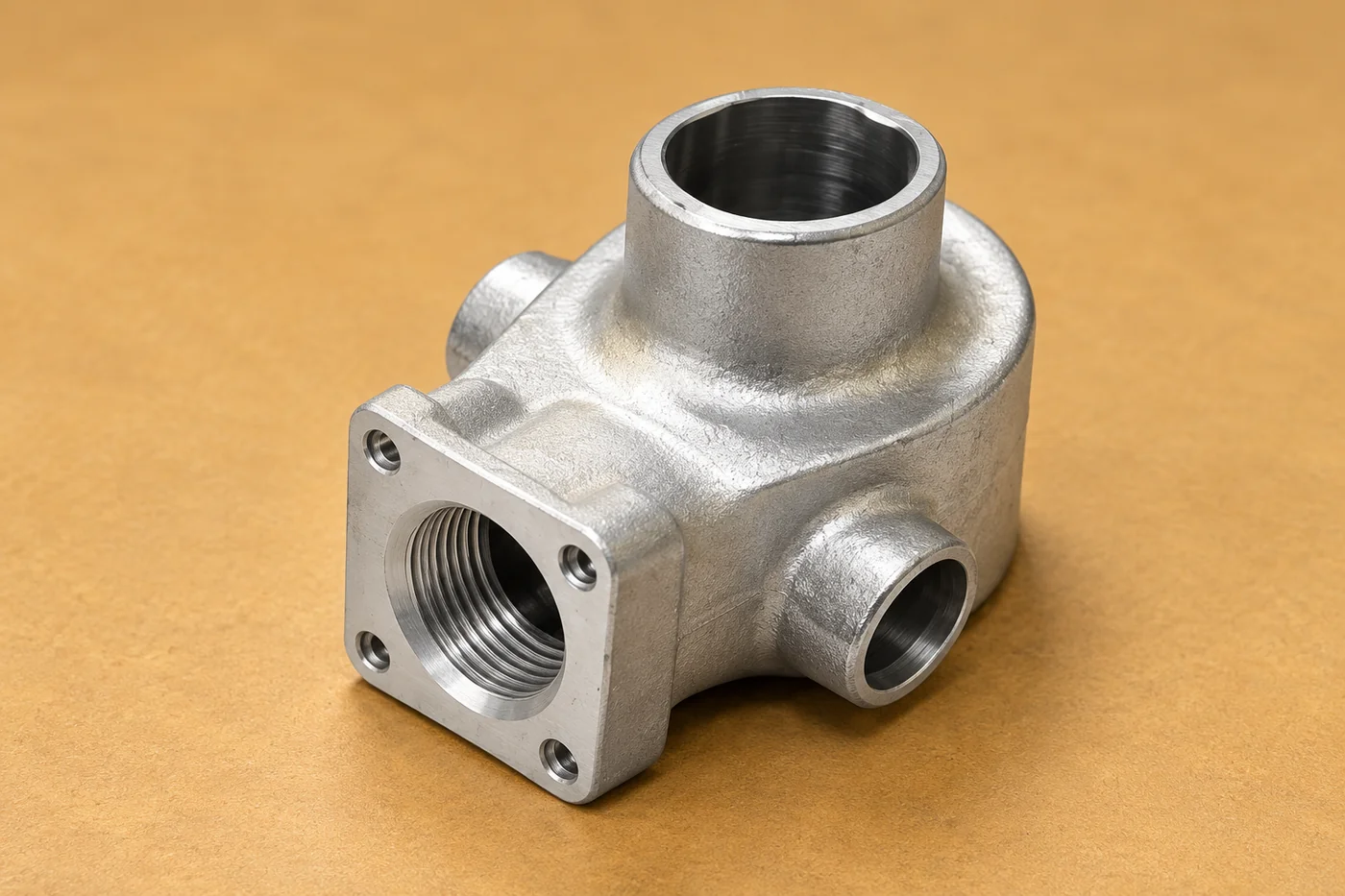
Control flanges, ports and sealing locations together
- Common datums
- Relate flange faces, ports and seals to one scheme.
- Finished connections
- State the required machining and checking basis.
The connection dimensions need to relate to a clear datum scheme. Mark the flange faces, threaded ports, sealing grooves and mounting features that need machining. We review their access and relationship so the delivered housing can be checked against a consistent finished drawing.
05 · TEST SCOPE
Define pressure and leakage checks by the project
Define pressure or leak testing with the medium, pressure, duration, plugged-port arrangement and leakage limit. Add dimensional checks for port position and cover-face relationship. Where a drawing uses a wrought stainless label, resolve the corresponding cast-grade specification before material approval.
| Test definition | Item to agree |
|---|---|
| Object | Housing and included closures or fixtures |
| Conditions | Method, medium and specified settings |
| Acceptance | Applicable requirement and decision criteria |
| Record | Results and identification needed by your team |
06 · SAMPLE RELEASE
Review the first housing in its assembly context
- Assembly fit
- Compare the first housing with the pump interfaces.
- Controlled release
- Record corrections and accepted component checks.
Compare the first-part dimensions and trial fit with the pump assembly requirements. Keep any casting or machining issue tied to the feature it affects, with the correction and recheck made visible. The accepted sample review then supports a controlled release of the defined housing.
07 · DELIVERY REQUIREMENTS
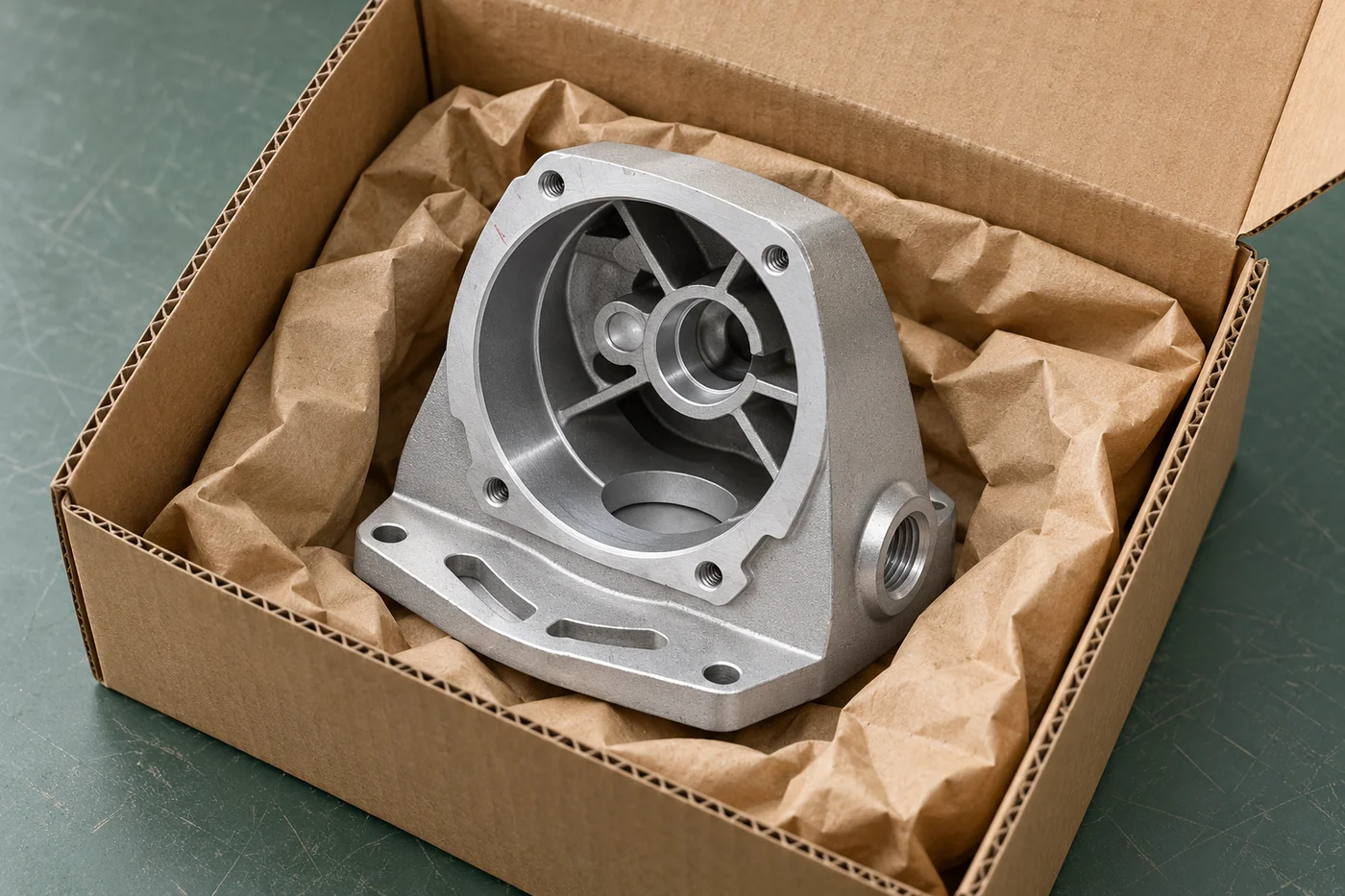
Retain protection for the finished connections
Identify the sealing faces, threads and internal spaces that need protection during handling. Add any agreed cleanliness and receiving requirements to the order package. We can discuss packing around the actual housing and destination while keeping the required delivered condition visible.
Technical notes
Identify inlet and outlet connections, gasket faces, mounting datums and the relationship to the impeller. Include the working fluid and temperature. A change to a port's position or a machined cover face can affect pipe assembly or internal clearance even when the housing outline looks unchanged.
CONNECTED BUYING GUIDES
Continue with the next project decision
Follow the related component and purchasing guides, or open the catalogue reference to carry this requirement into a specific project enquiry.
RELIA · YOUR NEXT PROJECT
Send the internal model and finished-interface requirements
Share the housing model, connection drawing, required material and quantities. Include the liquid, relevant duty conditions and any pressure, leakage or cleanliness checks your team requires. We can review the casting, machining and acceptance boundaries with you.
Start with these project details
- Housing model and sections
- Port and sealing drawings
- Material and liquid duty
- Quantity and required body tests
Shuyuan Road, Qingdao, Shandong, China
