
CUSTOM MANUFACTURING · PROJECT REVIEW
Annual Casting Supply with Drawing and Batch Control
An annual supply plan works best when repeat orders point to a controlled part definition. Relia reviews the drawing, material, batch evidence and change triggers with you, alongside the forecast and firm release pattern.
RELIA · PRODUCT AND MANUFACTURING SUPPORT
Separate forecasts from firm order releases
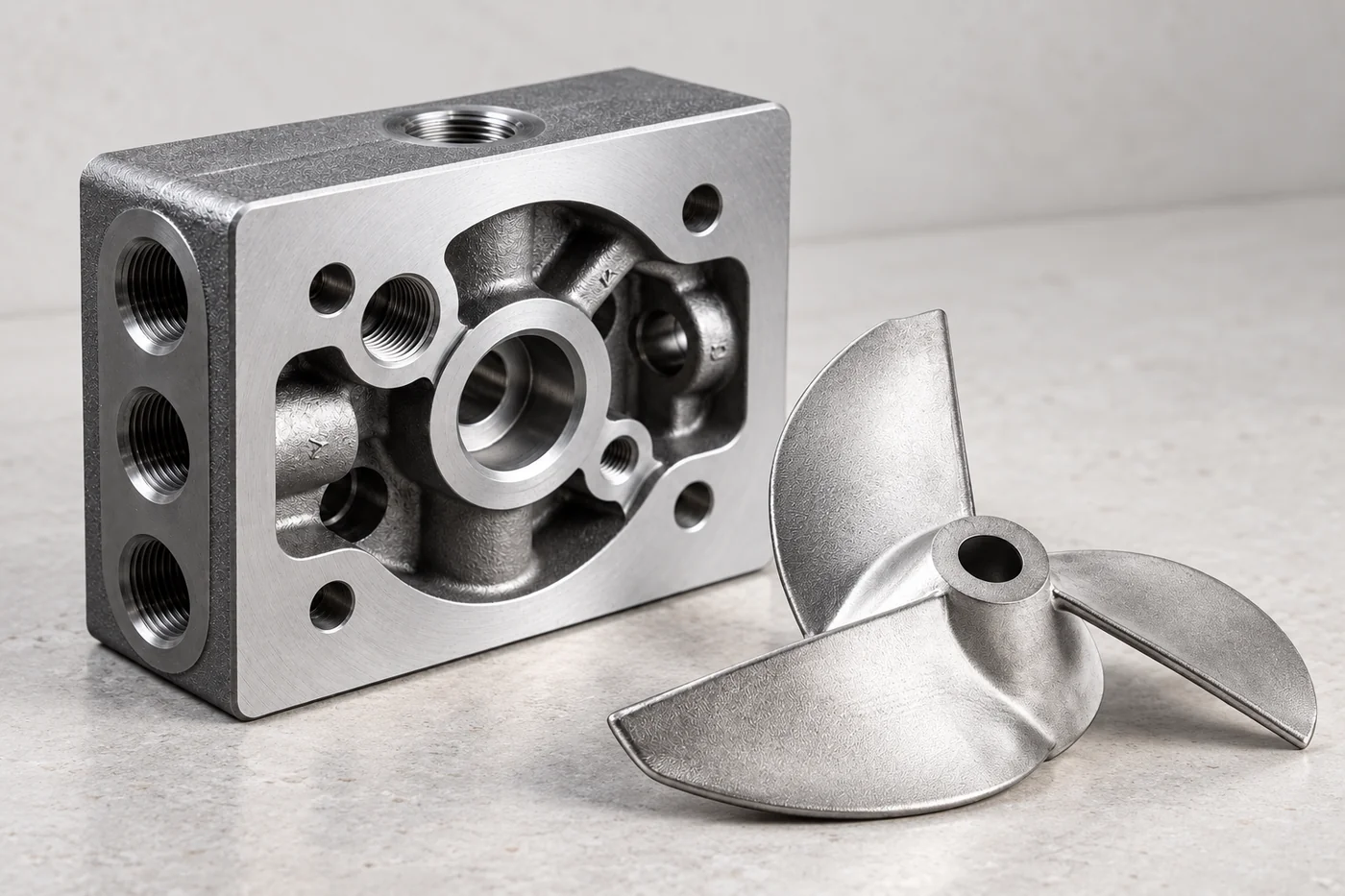
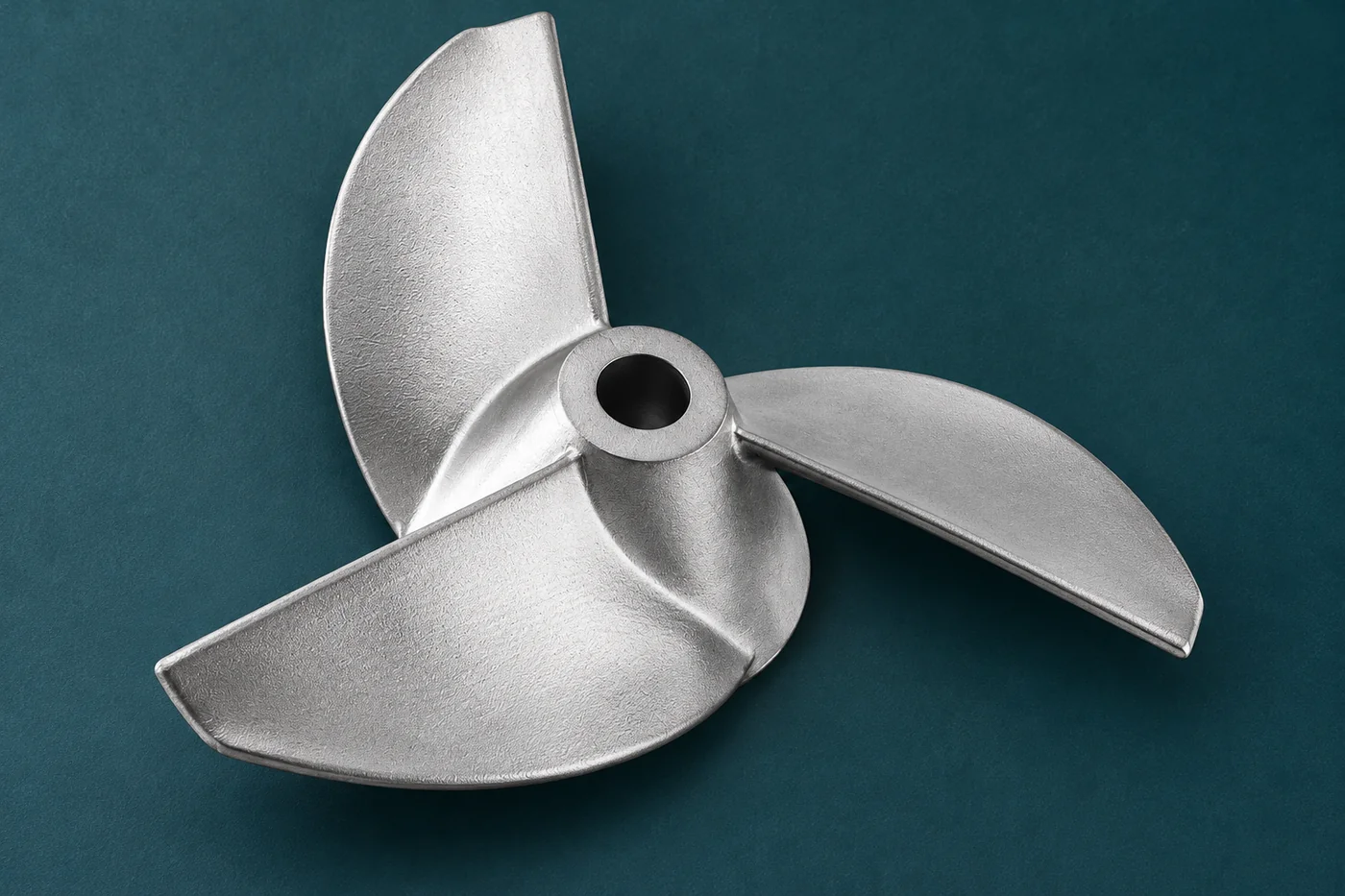
Relia's repeat-component range includes aluminium parts, gray-iron housings and CF8-series impellers. Relia's annual-supply discussion keeps the drawing, alloy, finish and inspection requirements attached to each line item. Forecast, firm batch quantity and delivery priorities are considered separately so an ongoing programme has a usable technical and purchasing basis.
| Your requirement | Relia product and service scope |
|---|---|
| Demand plan | Annual forecast plus firm batch releases |
| Part control | Part number, revision, grade and finished drawing |
| Batch evidence | Agreed material and dimensional records |
| Change handling | Effective revision and affected delivery quantities |
02 · REFERENCE CONTROL
Keep the approved first-part basis available
- First-part baseline
- Retain the drawing, finish and accepted records.
- Repeat identity
- Use a defined approval basis for each part number.
Retain the drawing, material requirement, finish reference and accepted first-part records with the programme. Each drawing number needs its own approval basis. When another order arrives, those references help both teams distinguish a repeat request from a changed component that needs a fresh review.
Technical notes
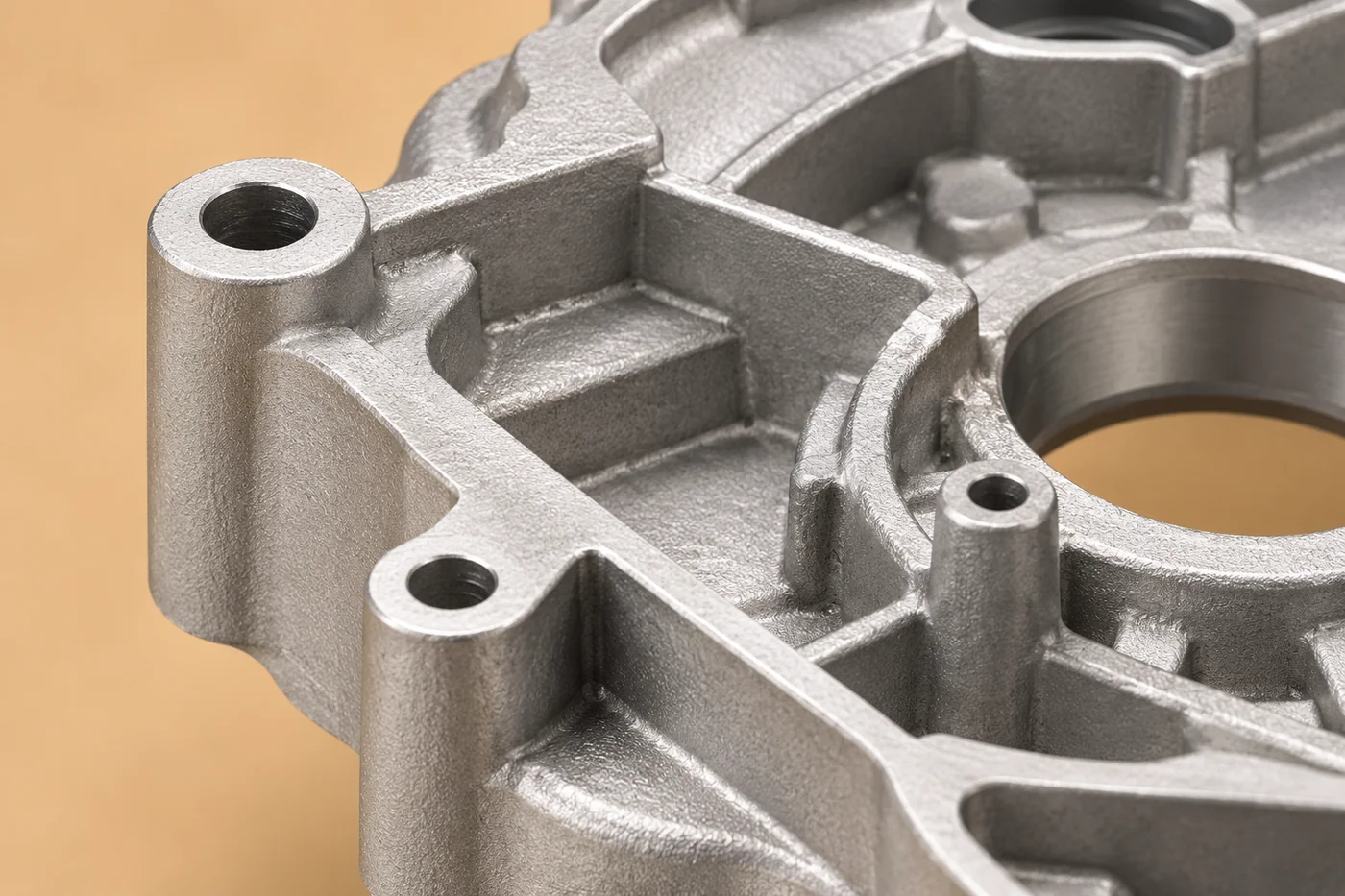
Keep each alloy and process under its own released specification. A stainless impeller programme needs blade and shaft-interface control; a gray-iron housing needs bore locations and machined faces. Common purchasing terms should not flatten those different technical acceptance requirements.
MANUFACTURING ROUTE · FEATURES AND CONTROL
Carry the Approved Route Into Each Repeat Batch
The production reference needs the approved tool, cast requirements, machining datums and finished specification. A material change, repaired tool or revised bore can affect a repeat part even when the part number looks familiar. Relia's order definition connects those changes to the effective drawing revision and the quantities affected. For multi-part programmes, each route keeps its own inspection and packing requirements rather than using one generic check for every component.
- Freeze the referenceDrawing, grade, route and accepted finish
- Plan the releasesForecast versus firm batch quantities
- Manage changesTool, material and revision effects recorded
- Identify deliveriesPart, revision and required batch documents
04 · CHANGE POINTS
Set the triggers for another technical review
- Change trigger
- Identify tool repair, material or route changes.
- Release decision
- Agree the notice and recheck before the next batch.
A tool repair, material proposal or changed manufacturing route may affect the basis of an approved part. Identify which events require notice, sample review or another agreed check. Keep the response proportionate to the affected features while making the decision visible before the next order is released.
05 · DELIVERY CONTROL
Define packing and release rules for repeat orders
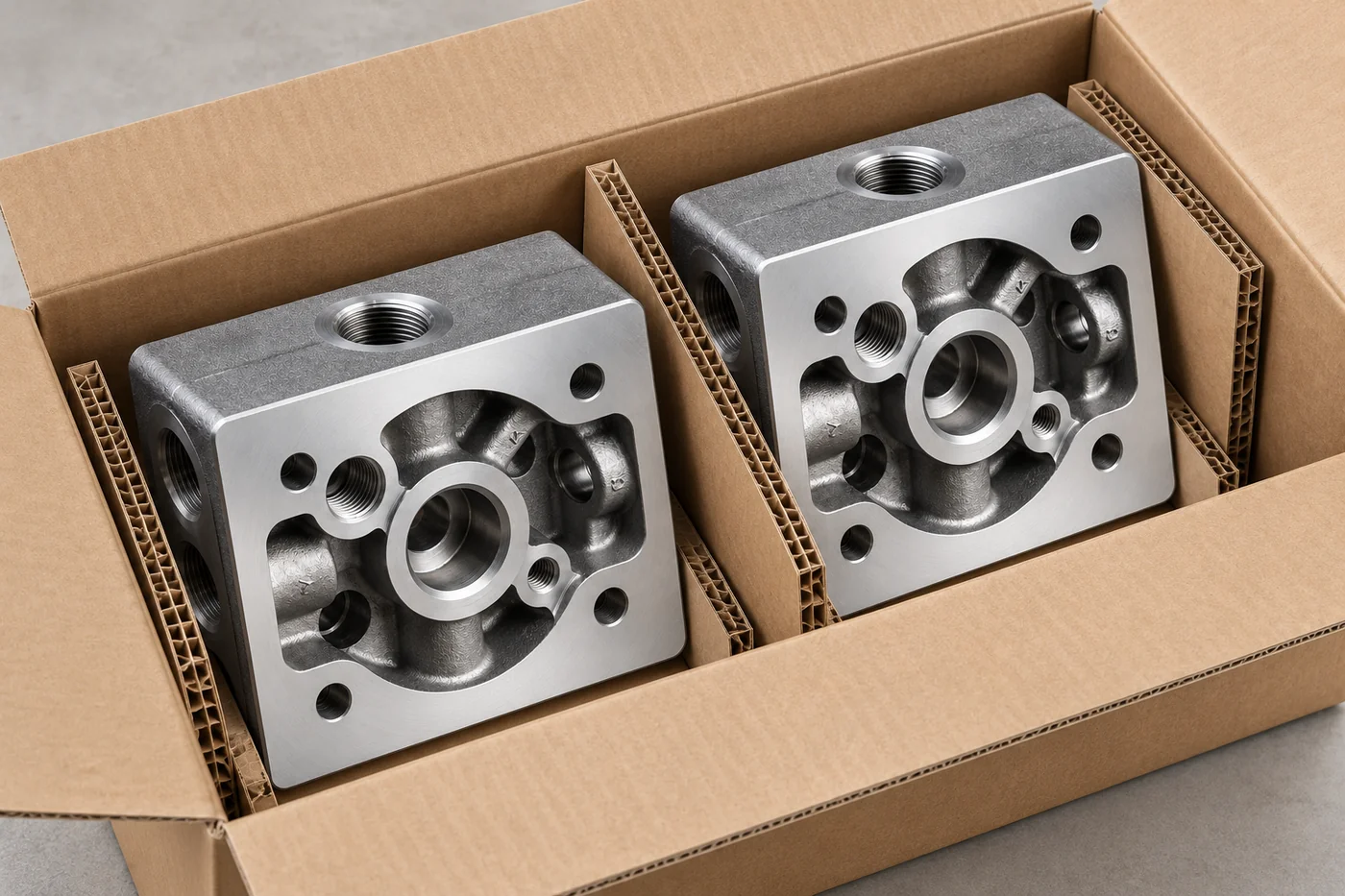
Agree how batches retain part, revision and material identity, and what happens when a drawing changes. Record the affected release quantities before introducing a new version. Packaging and incoming checks should let your team distinguish otherwise similar parts without relying on colour or memory.
- Order identityPart, revision and release quantity
- ProtectionInterfaces and surface condition
- IdentificationAgreed receiving information
- DeliveryConfirmed release and destination terms
06 · REPEAT-ORDER REVIEW
Make receiving feedback specific
- Specific feedback
- Identify the part, batch and affected requirement.
- Controlled correction
- Link accepted action to the relevant later release.
A useful feedback record identifies the part, batch, observed condition and the requirement it affects. Photographs, measurements and the relevant acceptance reference help both teams review the issue. Resolution responsibilities and commercial remedies follow the agreed order terms, with later releases reviewed against any accepted change.
07 · WORKING AGREEMENT
Keep one current programme record
A short, maintained programme record can hold the approved technical package and the commercial conditions for repeat orders. Identify the contacts who can approve changes and retain the relevant decisions. That keeps forecasting, manufacturing and receiving aligned around the same part definition as the programme develops.
Technical notes
Separate annual forecast from firm order releases. List the part mix, normal batch quantity, expected delivery windows and any seasonal demand. Tooling and inspection preparation depend on how demand is distributed, not just the total number of castings purchased in a year.
RELIA · YOUR NEXT PROJECT
Build the annual enquiry around actual part requirements
Share the part list, current revisions, expected annual demand and likely release pattern. Add the material, inspection, identification and packing records your team requires. We can review the programme scope with you and agree the technical and commercial conditions for future orders.
Start with these project details
- Part list and revisions
- Forecast and firm batch pattern
- Material and inspection records
- Identification and packing needs
Shuyuan Road, Qingdao, Shandong, China
