
CUSTOM MANUFACTURING · PROJECT REVIEW
Investment Materials for Copper and Brass Casting Workflows
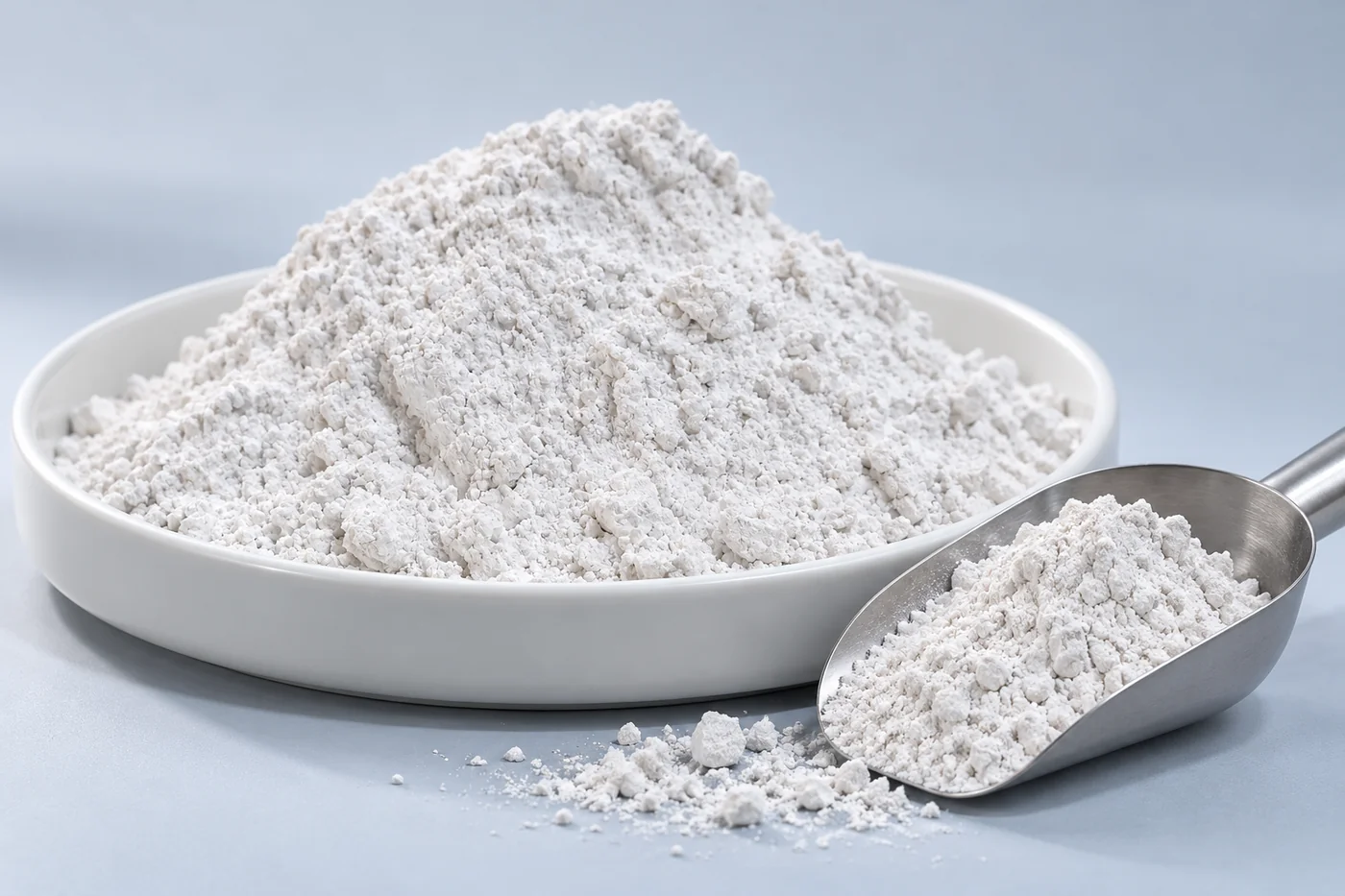
Investment selection for copper or brass depends on the complete mould-making combination. Relia reviews the alloy, pattern, flask and identified powder formulation together, using technical information and a controlled trial to define the material enquiry.
RELIA · PRODUCT AND MANUFACTURING SUPPORT
Identify the actual copper or brass alloy
Relia's copper-casting reference lists a 100 g to 38–40 ml powder/water basis, an 8–10-minute working time and a 750°C maximum-burnout field. Other brass-powder references provide less process detail. Relia's enquiry identifies the exact selected formulation and its current technical information before carrying any recipe into your workshop trial.
| Your requirement | Relia product and service scope |
|---|---|
| Application | Specified copper/brass jewelry workflow |
| Recipe reference | 100 g powder : 38–40 ml water on one item |
| Working time | 8–10 minutes on that formulation |
| Selection boundary | Current formulation sheet, pattern compatibility and defined burnout cycle |
02 · MATERIAL FIT
Confirm the selected investment formulation
- Technical information
- Request the proposed formulation's applicable data.
- Actual alloy
- Review compatibility with the specified casting conditions.
Request the relevant technical and safety information for the proposed material. Generic catalogue fields do not establish compatibility with every copper or brass alloy and casting condition.
Technical notes
Keep the 38–40 ml recipe tied to the referenced formulation. Do not apply it to a different bag or treat 750°C as the metal-pouring temperature. Water ratio, mixing and bench setting affect the mould; none should be guessed from package colour.
MANUFACTURING ROUTE · FEATURES AND CONTROL
Match Mould Preparation to the Copper-Alloy Workflow
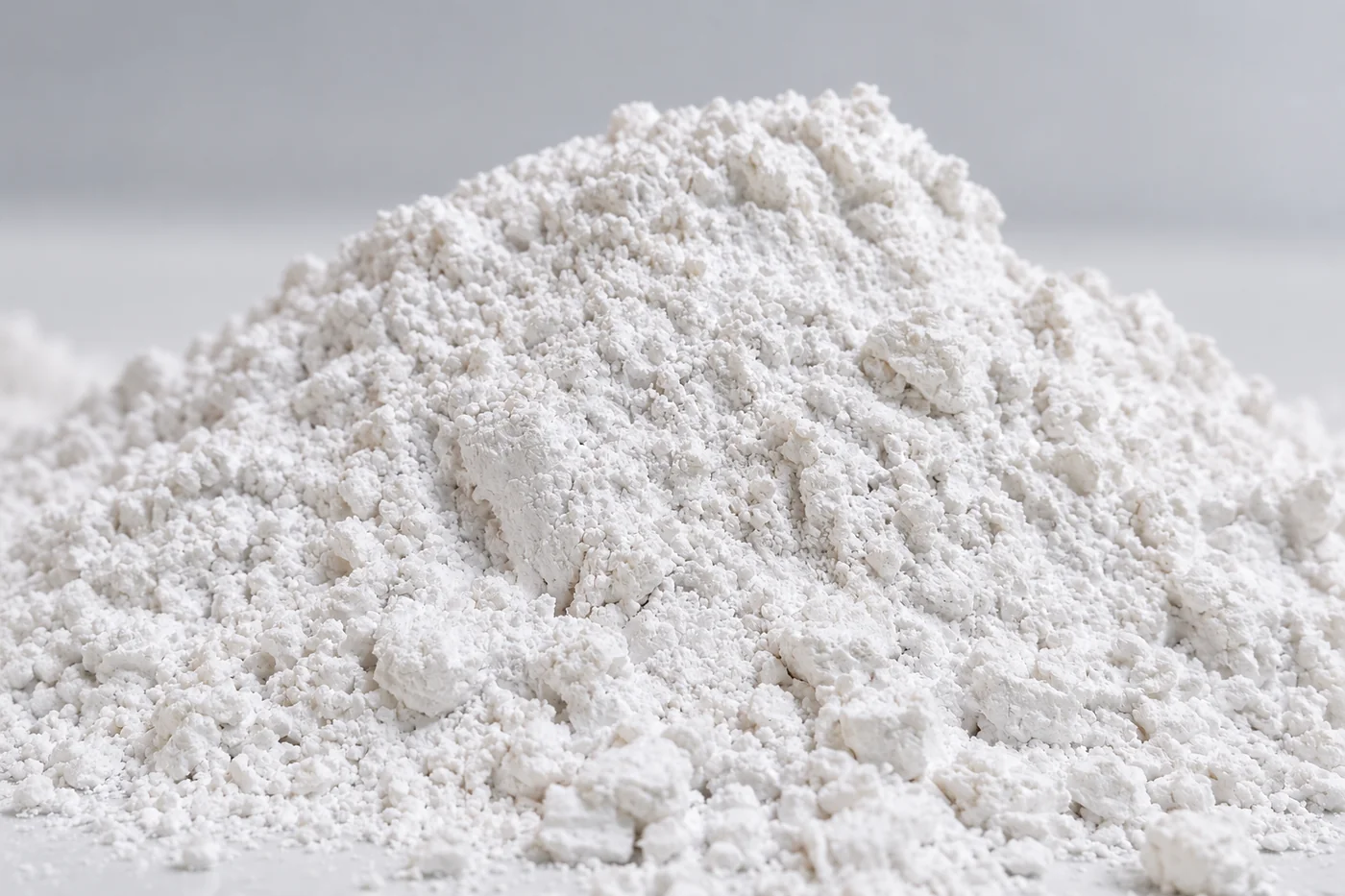
The selected powder's recipe governs measuring, mixing and investing around the pattern. Setting and the staged burnout then prepare the mould for the defined alloy-casting operation. Relia's review keeps the pattern material, flask size and formulation limits connected across those stages. A maximum-burnout field describes the investment process and is not a metal-pouring setpoint. A controlled trial records mixture, timings, cycle and the resulting casting surface, making a comparison between powders meaningful without changing several process variables at once.
- Identify the exact alloyBrass/copper grade and pattern system
- Prepare the specified mixFormulation, water ratio and working time
- Set and prepare the mouldCompatible flask and burnout cycle
- Compare the trial castingRecorded conditions, surface and detail
04 · COMPATIBILITY
Review the powder with the pattern and flask
- Pattern and flask
- Identify the wax/resin system and flask geometry.
- Controlled comparison
- Avoid changing several process materials without a review.
Share the wax or resin system, flask dimensions and current investment workflow. Confirm the proposed formulation’s relevance before changing several process materials at the same time.
05 · APPROVAL
Use a controlled trial for the intended casting
Run a controlled trial using the intended alloy and pattern. Record mixture, times, furnace cycle and observed casting surface. Request formulation-specific handling and storage information, especially where the original listing provides only a category name rather than a complete process sheet.
- BriefAlloy, pattern and required checks
- MaterialIdentified formulation and data
- TrialControlled project-relevant workflow
- ApprovalAccepted result and recorded conditions
06 · PACKING
Protect material identity through supply
- Supplied formulation
- Retain the selected trial material's identity.
- Repeat delivery
- Agree lot documents, packing and storage requirements.
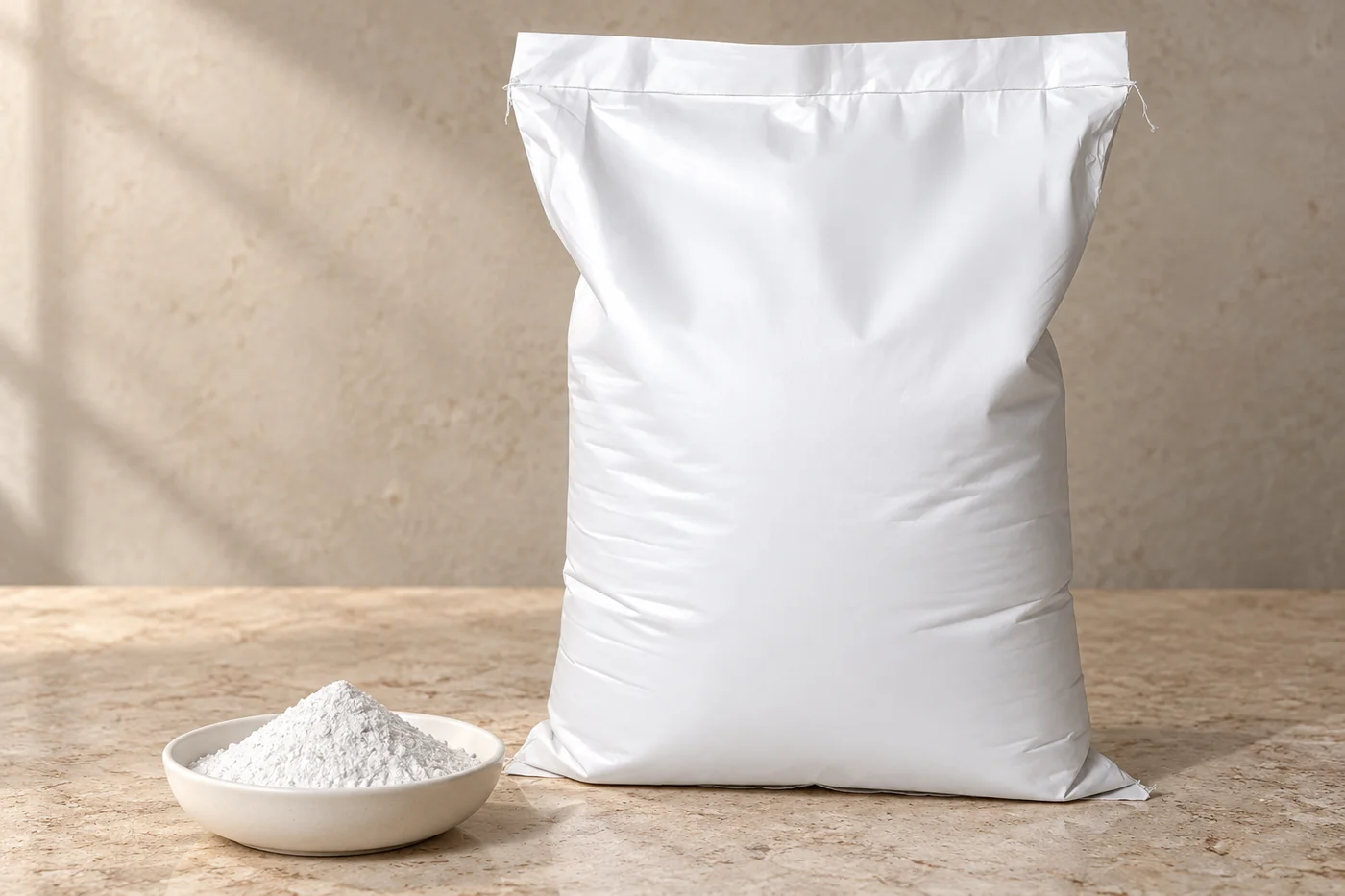
Agree pack size, protection and applicable storage guidance. Include lot identification and the documents needed to connect the selected trial material to the delivered order.

07 · REPEAT WORK
Retain the approved material-process combination
Keep the alloy, formulation and accepted trial together. Revisit compatibility when the alloy, pattern system or foundry conditions change rather than treating the old approval as universal.
Technical notes
Identify the copper alloy, pattern material, flask size and casting workflow. Brass and bronze compositions differ, and a label mentioning copper does not establish compatibility with every alloy or pouring condition. The powder, pattern and burnout cycle need to be selected together.
RELIA · YOUR NEXT PROJECT
Send the copper-alloy casting and material requirements
Share the alloy, casting geometry, pattern and flask workflow. Add the required technical documents, trial checks and packing needs. We can review the investment enquiry around the exact material combination.
Start with these project details
- Alloy and casting geometry
- Pattern and flask workflow
- Formulation documents and trial
- Quantity, packing and storage needs
Shuyuan Road, Qingdao, Shandong, China
