
CUSTOM MANUFACTURING · PROJECT REVIEW
Lost-Wax Casting Equipment for Professional Gold and Silver Workshops
Choose workshop equipment around the casting operations you need to complete. Relia reviews gold and silver equipment configurations by alloy charge, flask, utilities and supplied functions, so melting, investing, burnout and casting responsibilities remain clear.
RELIA · PRODUCT AND MANUFACTURING SUPPORT
Map the workshop workflow before choosing units
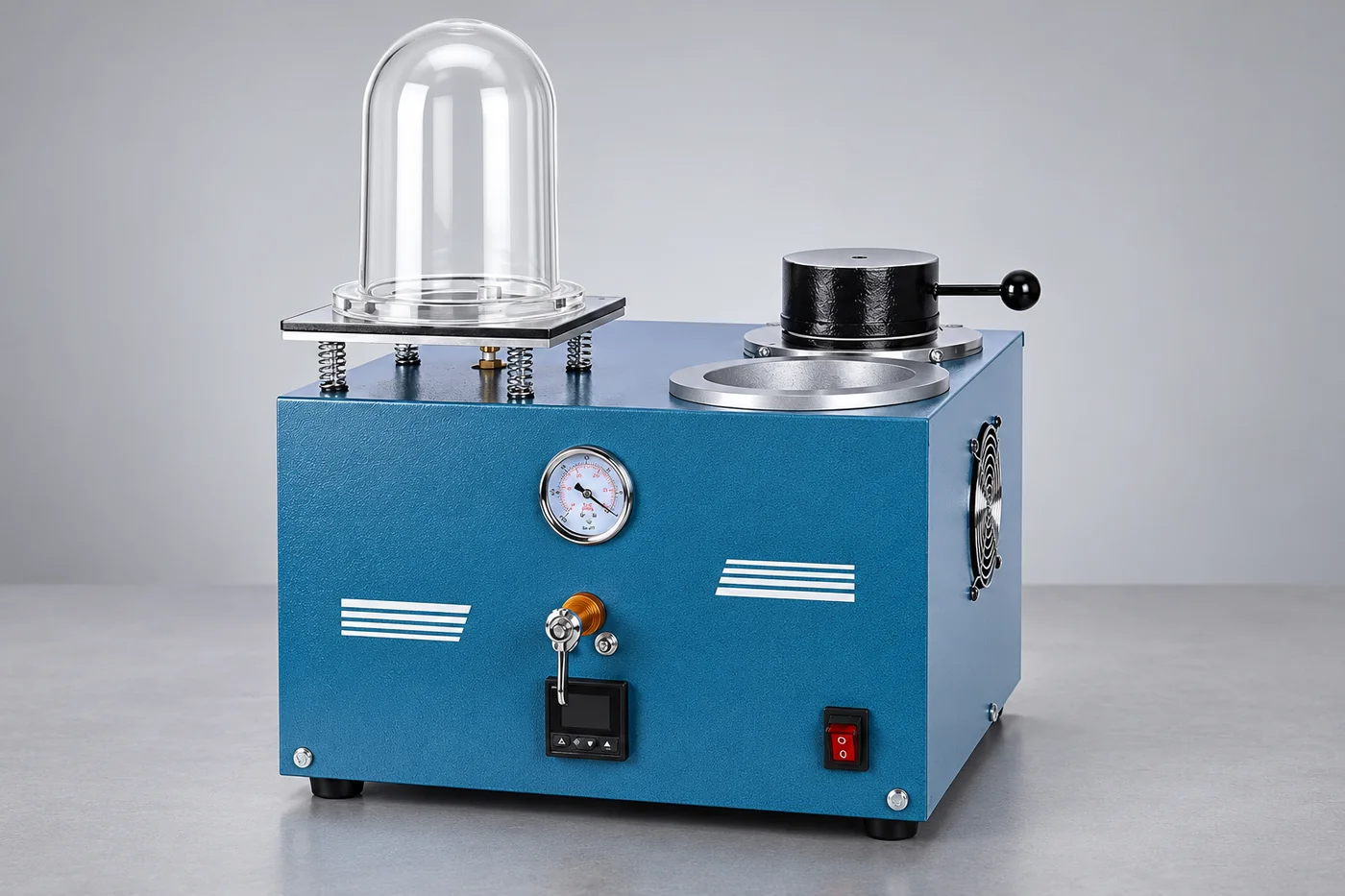
Relia's catalogue includes combined casting/melting equipment and a separate 1,750 W reference with 110 V/60 Hz or 220 V/50 Hz options. Relia's equipment enquiry connects each selected unit to the alloy, charge and flask. This keeps melting, vacuum support and burnout responsibilities visible when you compare a combined machine with separate workshop equipment.
| Your requirement | Relia product and service scope |
|---|---|
| Catalogue options | Combined casting/melting and separate support equipment |
| Electrical reference | 1,750 W; 110 V/60 Hz or 220 V/50 Hz on one item |
| Batch definition | Actual alloy charge and flask dimensions |
| Order boundary | Crucible, pump, accessories, furnace and demonstration scope |
02 · CONFIGURATION
Compare combined and separate equipment honestly
- Required operation
- Identify which workshop station needs equipment.
- Actual functions
- Compare combined and separate units on supplied capability.
A combined unit may group several operations, while a separate unit may address one station. Check the actual supplied functions and interfaces rather than assuming that every vacuum machine melts metal.
Technical notes
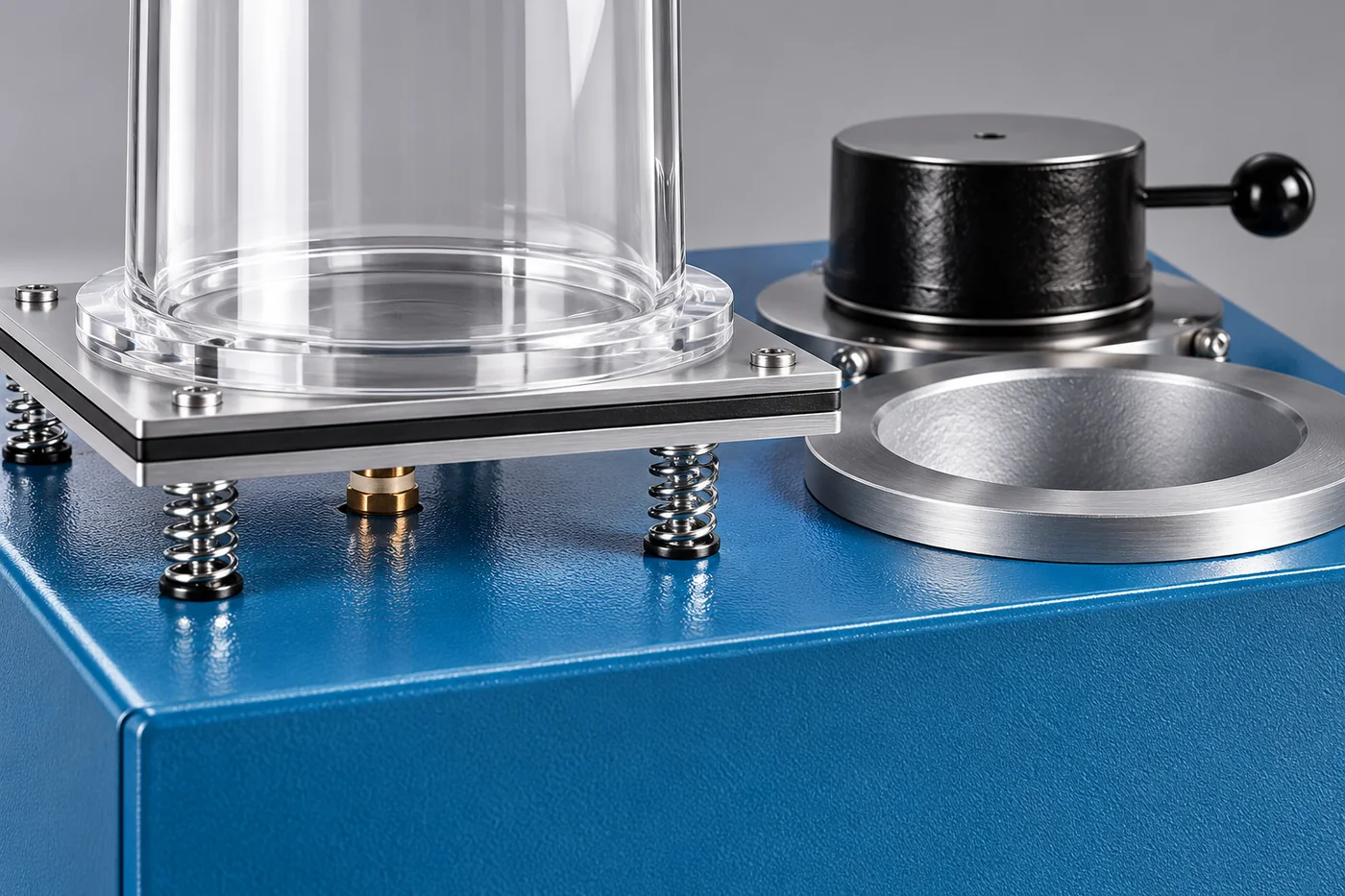
Compare combined and separate equipment around your work sequence and utilities. Check electrical configuration, flask support, crucible and vacuum connections. A melting unit does not replace a burnout oven, and a vacuum table supplied without a furnace cannot melt the charge.
MANUFACTURING ROUTE · FEATURES AND CONTROL
Connect Pattern Preparation to the Metal Casting Operation
The lost-wax workflow moves from pattern and sprue preparation to investing, controlled burnout and metal casting, then to cleaning and finishing. Each stage needs compatible equipment and materials. Relia's selection review identifies whether the proposed unit melts, supports a hot flask, evacuates investment or performs another specific operation. Charge capacity must state the alloy basis, while flask supports and crucibles must suit the actual dimensions. A relevant demonstration uses that defined combination rather than an unexplained nominal volume.
- Define the workshop sequencePattern, investment, burnout, melt and cast
- Select each functionCombined or separate units with clear scope
- Match utilities and interfacesPower, charge, crucible, flask and pump
- Approve the packageIncluded items and defined demonstration
04 · INSTALLATION
Match electrical supply to the selected unit
- Ordered configuration
- Confirm the selected voltage, frequency and power.
- Workshop connection
- Match installation information to the available supply.
One compact reference lists 1750W and 110V/60Hz or 220V/50Hz variants. Confirm the exact ordered electrical configuration, connection and workshop conditions before accepting the package.
05 · SUPPLIED PACKAGE
List accessories and exclusions explicitly
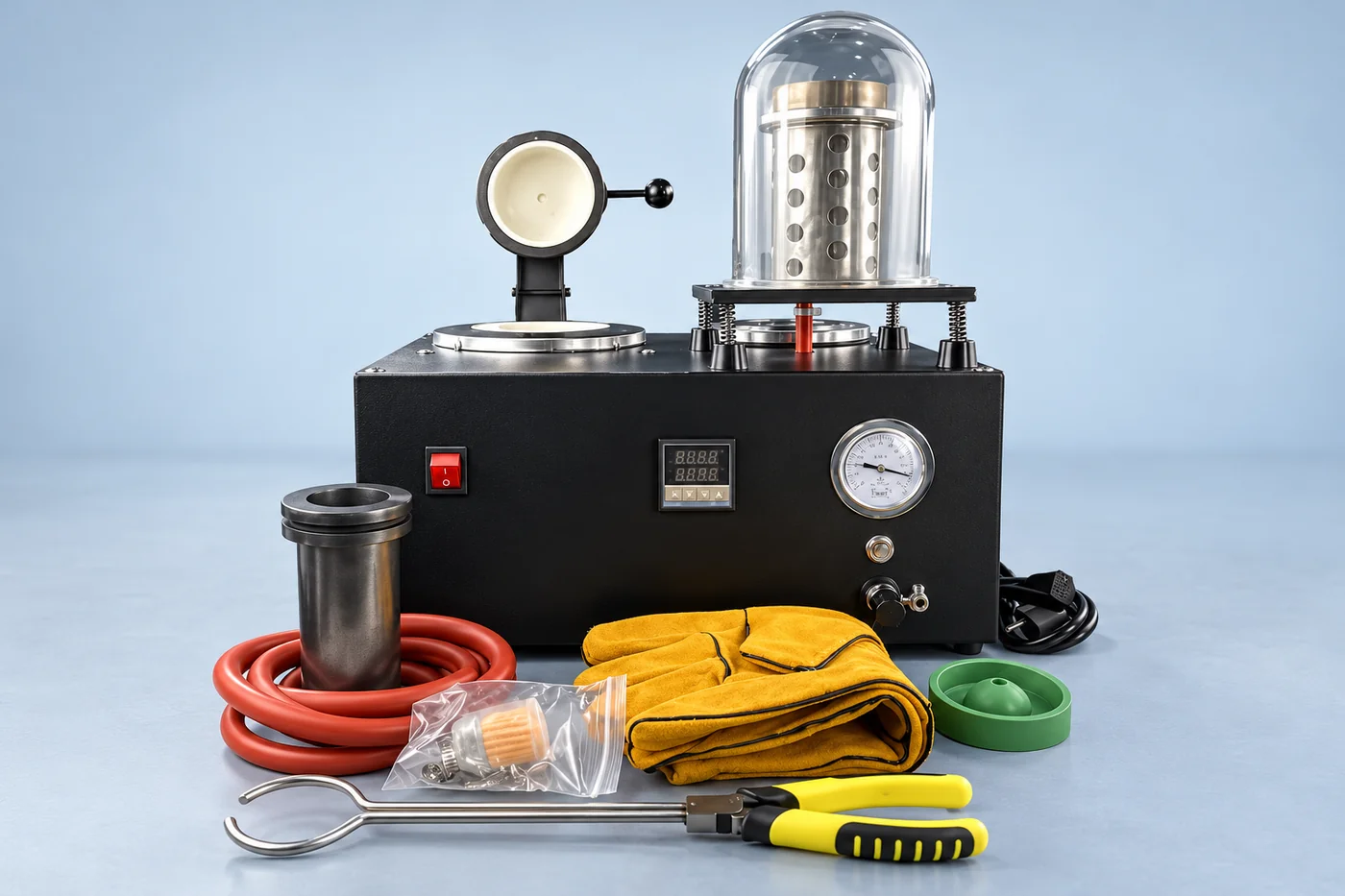
Identify the crucible, vacuum pump, flask fixtures, hoses and other items included or required separately. Keep those interfaces clear when comparing machine quotations.
06 · HANDOVER
Agree the demonstration and acceptance scope
- Useful demonstration
- Specify the nominated alloy, flask and acceptance sample.
- Handover scope
- Agree accessories and configuration-specific records.
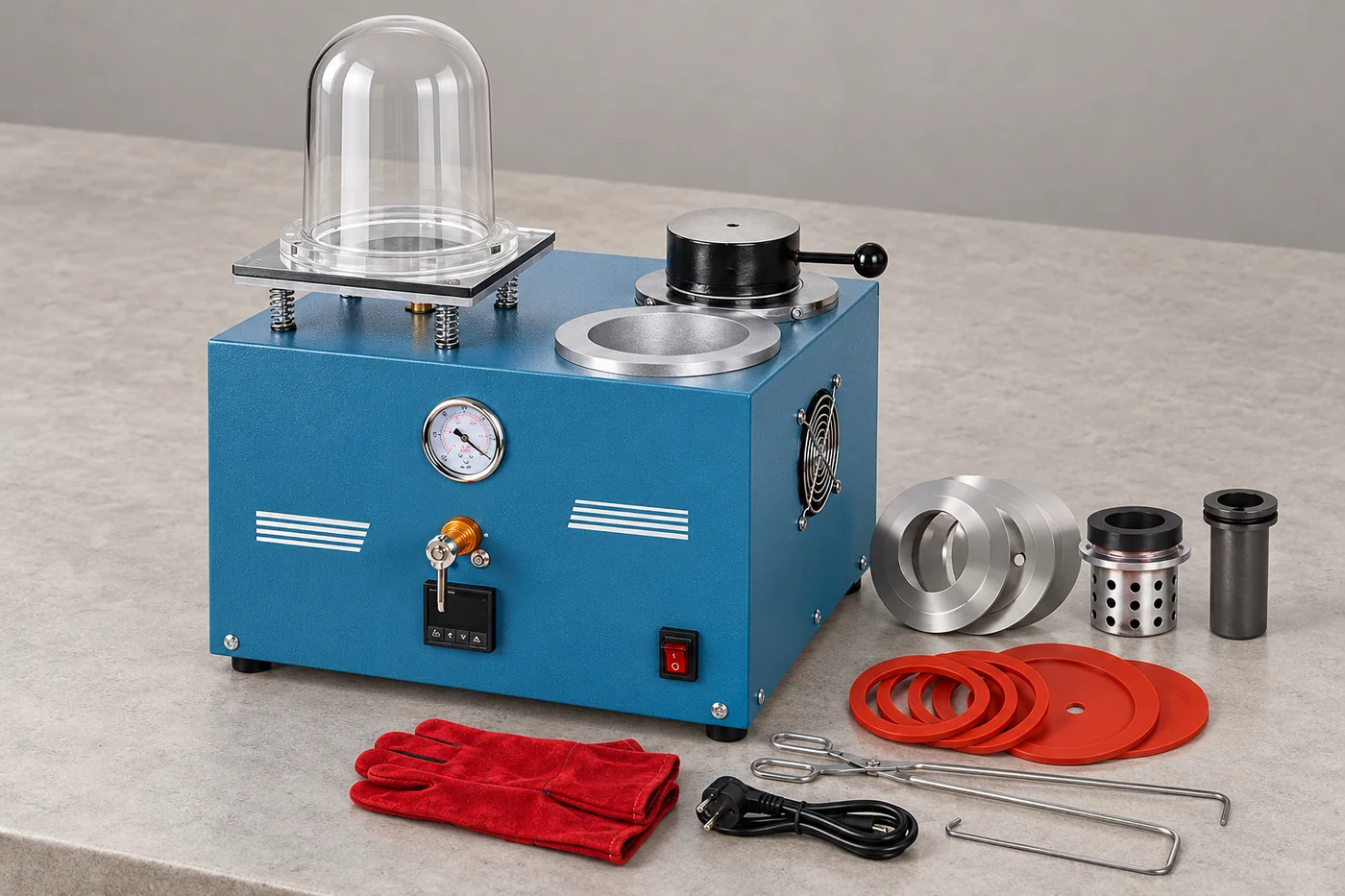
Agree a demonstration using the nominated alloy and flask or a clearly defined equivalent. The 1,750 W reference records inspection video and machinery test report as unavailable, so do not promise those records for every unit. Specify included accessories and acceptance evidence in the quotation.
07 · QUOTATION
Keep the workshop proposal coordinated
The equipment list should link each unit to its operation, electrical specification and included items. Make unresolved capacity or installation inputs visible before the configuration is accepted.
Technical notes
Map pattern making, investing, burnout, melting and casting as separate operations. State the alloy, charge weight and flask dimensions for each batch. A unit described as 2 L should not be converted into a metal weight without confirming what that volume refers to and the actual alloy basis.
| Package area | Retain |
|---|---|
| Workflow | Operations covered by each unit |
| Specification | Metal, flask and electrical basis |
| Handover | Accessories, documents and acceptance scope |
CONNECTED BUYING GUIDES
Continue with the next project decision
Follow the related component and purchasing guides, or open the catalogue reference to carry this requirement into a specific project enquiry.
RELIA · YOUR NEXT PROJECT
Share the workflow, metal and flask requirements
Tell us the operations needed, alloy, charge and flask dimensions. Add the available electrical supply and required handover scope. We can review a coordinated equipment configuration for your professional workshop.
Start with these project details
- Required workshop operations
- Alloy charge and flask sizes
- Available electrical supply
- Accessories and handover requirements
Shuyuan Road, Qingdao, Shandong, China
