
EQUIPMENT AND SUPPLIES · 17 BUYING GUIDES
Casting Equipment and Foundry Materials for Defined Workflows
Choose equipment and foundry materials by the operation you need to complete. Relia's guides connect machines, waxes, powders, resins and moulds to the actual workpiece, flask, utilities and process inputs needed for a useful selection enquiry.
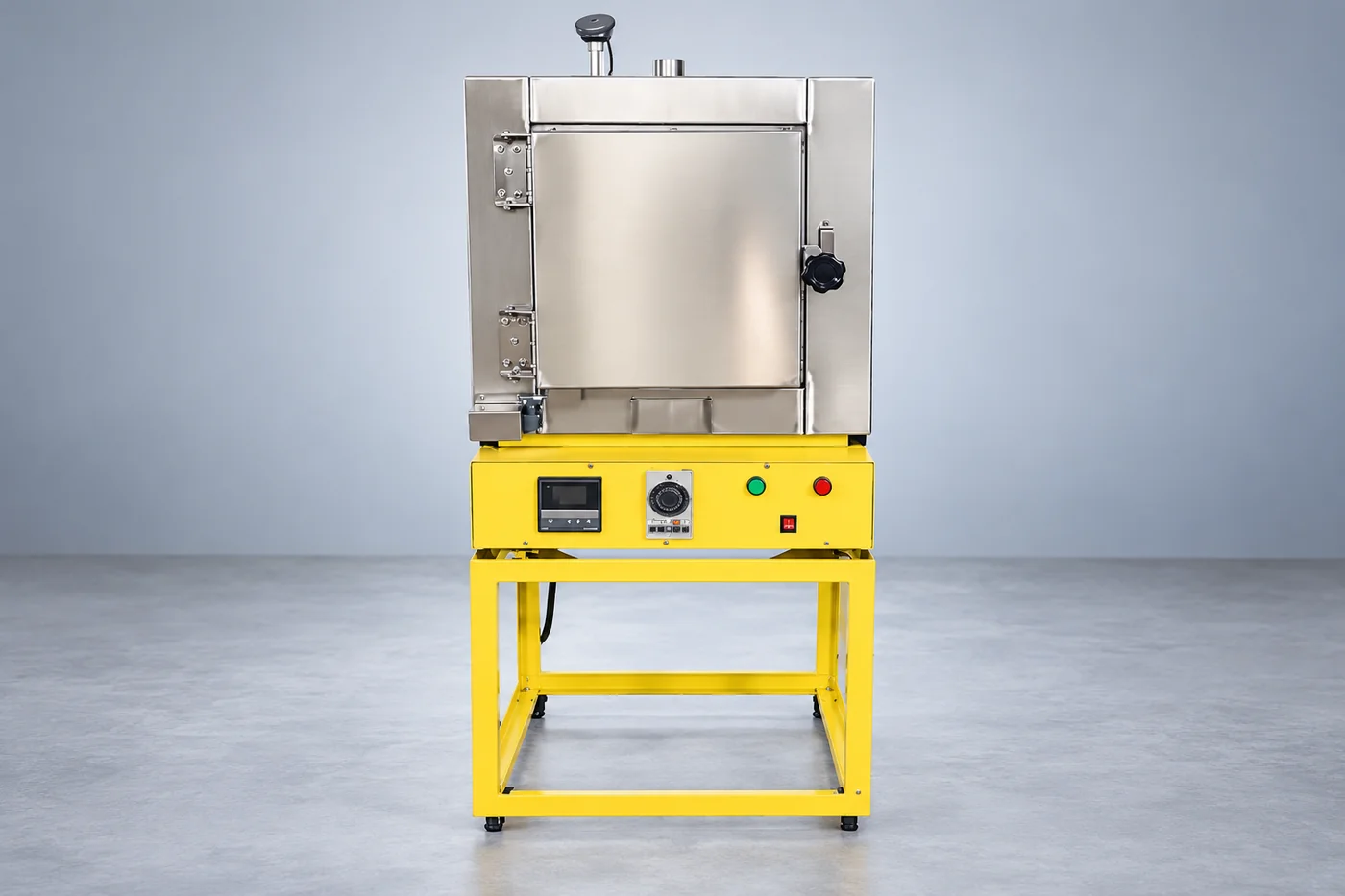
RELIA · BUSINESS AND TECHNICAL SUPPORT
Select jewelry equipment by the missing operation
Relia’s jewelry-equipment range covers the separate steps of pattern making, investing, burnout, melting and casting. Relia’s enquiry identifies the missing function and connects the unit to your existing workshop. Combined machines, separate furnaces, vacuum-support units, mixers and injectors therefore keep their own charge, flask, utility and supplied-accessory requirements instead of being treated as interchangeable casting machines.
INDUSTRIAL FOUNDRY EQUIPMENT
Define industrial equipment around the actual process
- Required operation
- Define the die, workpiece or foundry task.
- Usable equipment
- Review the actual machine and fixture configuration.
For a die-casting machine, provide alloy, die envelope, projected area and shot basis; injection force is not clamping force. For foundry auxiliaries, distinguish dewaxing, shell removal and mixing. For a CNC lathe, use the actual workpiece and fixture envelope instead of interpreting axis travel as guaranteed usable part capacity.
Technical notes
Relia’s industrial-equipment review follows the actual operation. A hot-chamber unit needs an alloy and die package; a dewaxing unit handles a prepared shell tree; shell-removal equipment acts after metal casting; a lathe needs the casting and fixture envelope. Their process trials and acceptance measurements are correspondingly different.
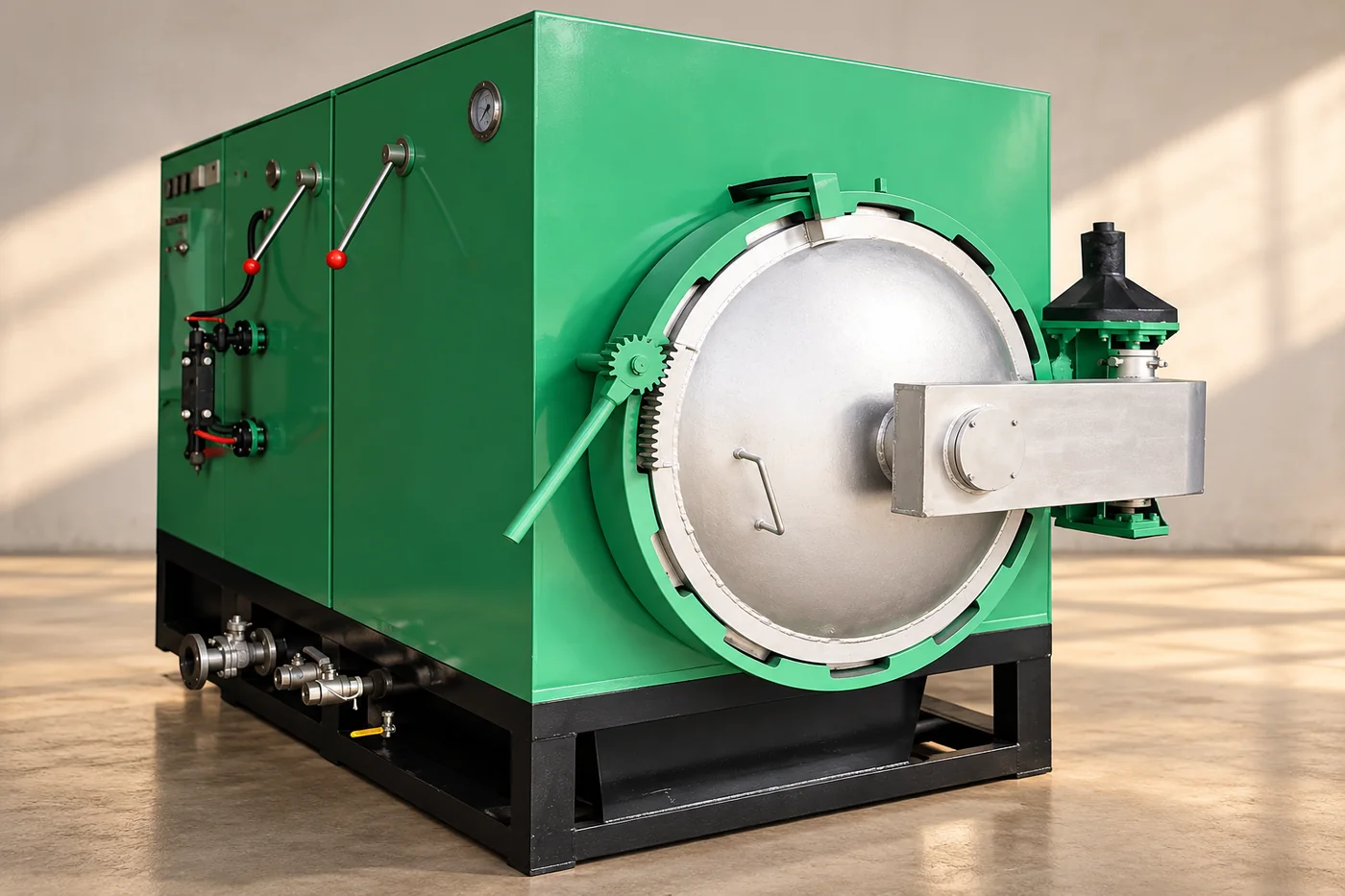
PACKAGE SCOPE
Keep utilities and supplied items in the quotation
Relia’s equipment proposal identifies the selected unit and the installation interfaces that let it perform the intended operation. Power supply, pump, gas, cooling, exhaust and handling are included where relevant, with accessories and exclusions recorded separately. For example, a vacuum-support reference listed without a furnace does not acquire melting capability simply by being placed beside a flask. The guide for the selected operation explains the relevant technical inputs.
| Input | Retain in the review |
|---|---|
| Workflow | Actual operation and output |
| Configuration | Selected functions and accessories |
| Utilities | Exact unit and workshop requirements |
| Handover | Documents and agreed acceptance work |
FOUNDRY MATERIALS AND MOULDS
Match materials and moulds to the workflow
- Identified input
- Select the exact formulation or mould material.
- Matching workflow
- Check its relationship to the alloy, pattern and flask.
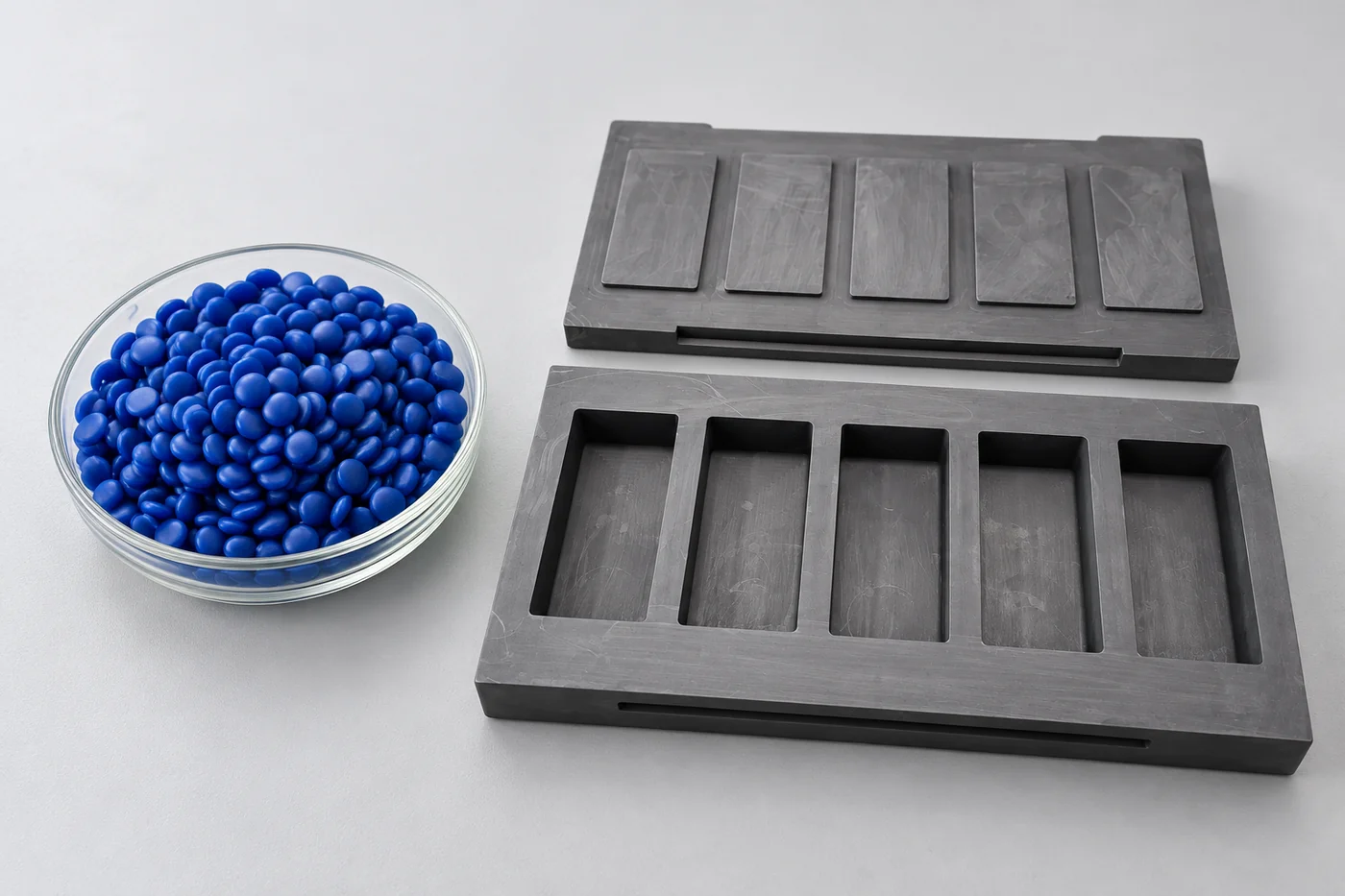
Match the selected formulation to the operation. One injection wax lists 68–74°C; one silver investment powder lists 100 g powder to 38–40 ml water and a 750°C maximum-burnout field. These are item-specific data, not recipes for every wax or powder. Graphite moulds need cavity geometry and the intended alloy mass basis.
Technical notes
Relia’s material guides explain where each consumable enters the process: wax forms patterns, investment creates the mould, resin needs printer and burnout compatibility, and graphite moulds define an alloy-specific cavity. Product formulation data stay tied to the actual selected item and trial.
PROCESS FIT
Use compatible inputs for a relevant trial
Relia’s trial discussion connects a known machine configuration with the material and work being evaluated. A wax-injector trial checks pattern fill and removal; a mixer trial checks the actual investment batch within its working time; a casting trial identifies alloy charge and flask. Recording that combination makes the result useful for your purchase and later setup, rather than relying on a demonstration with unexplained material or settings.
- IdentifyActual machine and materials
- ReviewApplicable data and interfaces
- TrialRepresentative work and checks
- ApproveAccepted configuration and conditions
RESIN AND PATTERN WORKFLOWS
Keep pattern material and casting approval connected
- Printed pattern
- Review printer settings and applicable post-processing.
- Casting approval
- Connect the accepted pattern to investing and burnout trials.
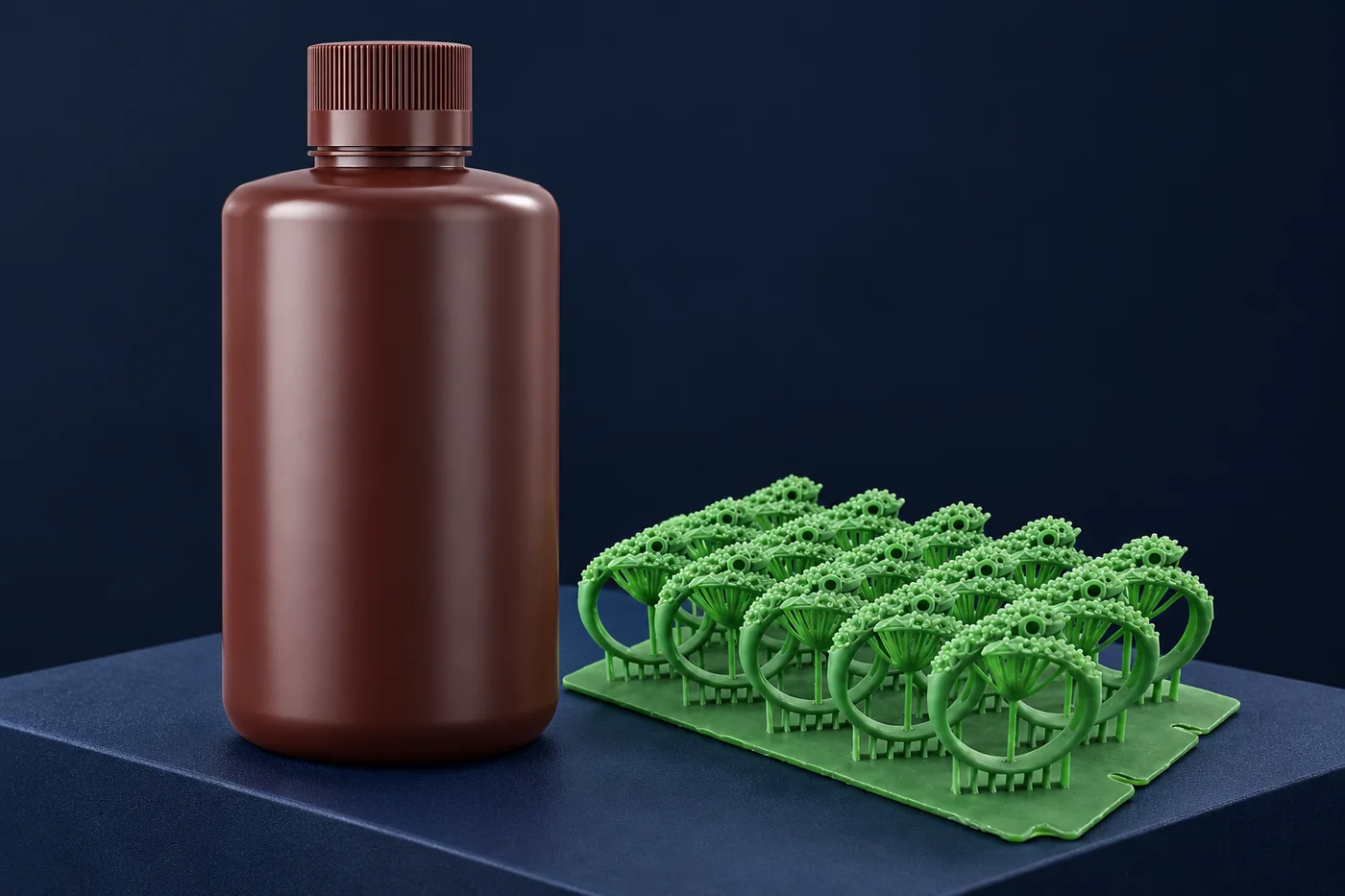
A printed jewelry pattern needs printer/formulation settings and a compatible investing/burnout route. SLA/DLP/LCD compatibility labels do not establish exposure settings, and a purity field is not wax percentage. Use the resin guide to connect printed detail, cleaning, any specified post-processing and the final casting trial.
PROCUREMENT
Prepare an enquiry that compares complete packages
State the missing function, existing equipment, available utilities and desired output. For materials, provide the current formulation and process difficulty you are trying to resolve. The proposal should identify configuration, technical information, supplied accessories, trial/acceptance work and exclusions as separate items.
RELIA · YOUR NEXT PROJECT
Bring the project requirements into one enquiry
Choose the operation guide below, then send your workpiece, flask or material brief through the contact page. For components use the manufacturing enquiry route; for equipment include the site supply and configuration; for consumables include the pattern, alloy and current process. This helps us review the right package with you.
Start with these project details
- Required operation or material
- Workpiece, flask or pattern
- Available utilities and current process
- Configuration and trial requirements
Shuyuan Road, Qingdao, Shandong, China
