
CUSTOM MANUFACTURING · PROJECT REVIEW
Custom Stainless Compressor Housings with Machined Interfaces
Relia reviews stainless compressor housings as finished components with controlled interfaces. Connect the gas conditions, material, seals, ports and locating features to the drawing, then agree the casting, CNC and component-test scope.
RELIA · PRODUCT AND MANUFACTURING SUPPORT
Define the stationary housing and included items
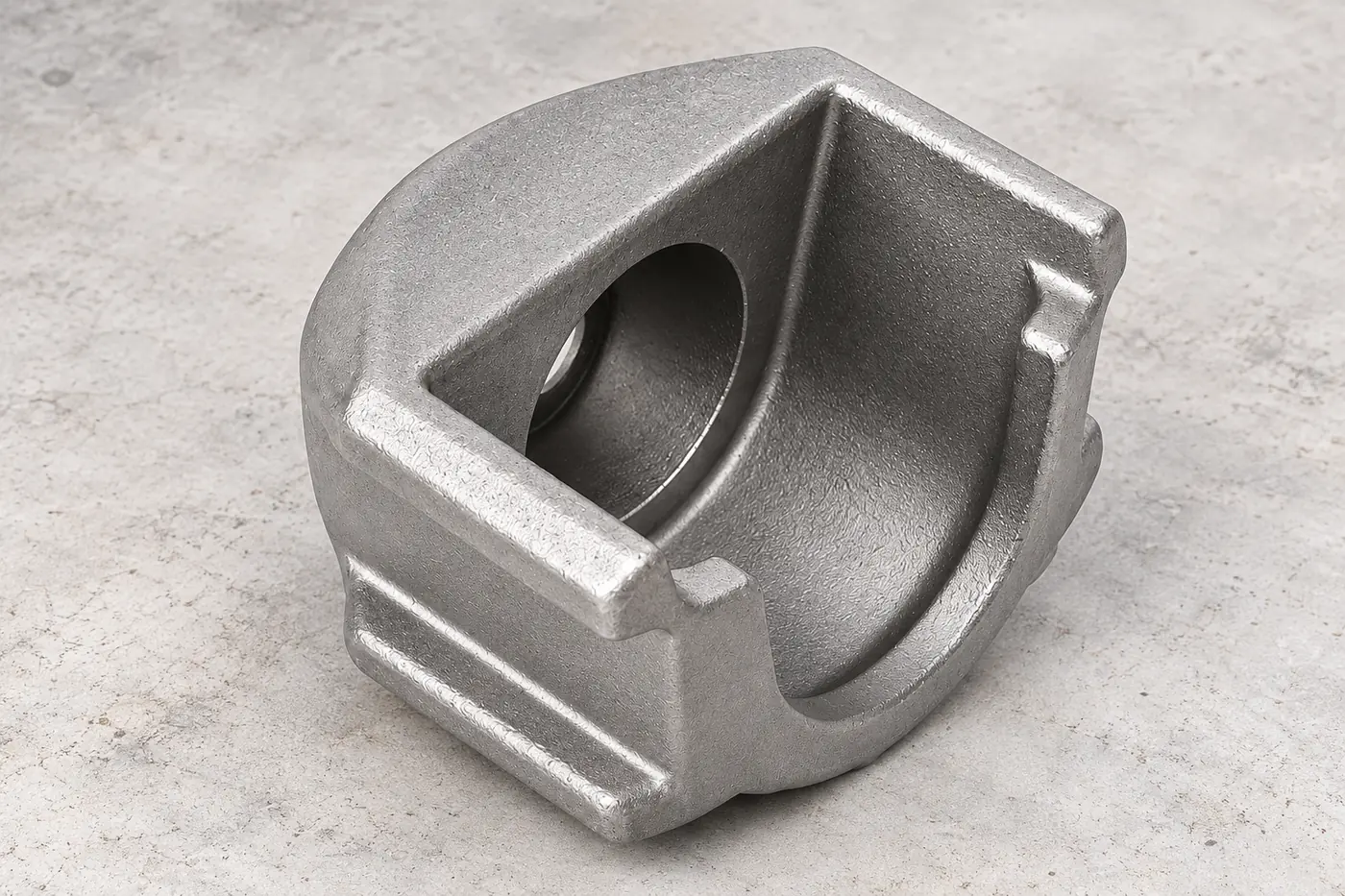
Relia's compressor-housing reference describes 304/316 stainless options, customized dimensions and lost-wax plus CNC machining. Relia's scope keeps the finished ports, support faces and locating features connected to the selected casting. That helps your engineering team evaluate fit and pressure-boundary requirements without relying on the housing outline or surface appearance alone.
| Your requirement | Relia product and service scope |
|---|---|
| Material reference | 304/316 stainless housing descriptions |
| Route | Lost-wax casting plus CNC machining |
| Critical interfaces | Seals, registers, ports and rotor/shaft clearances |
| Acceptance | Drawing dimensions and specified pressure/leak scope |
02 · SERVICE REQUIREMENTS
Bring the operating context into the material review
- Operating context
- Identify gas, temperature, pressure and cleanliness needs.
- Material requirement
- Specify the exact grade and supplied condition.
Share the gas, relevant temperature and pressure conditions, cleanliness needs and material standard your design uses. A general 304 or 316 description is a starting direction rather than an application approval. We review the exact grade and supplied condition against the requirements your project will accept.
Technical notes
Use the casting for the body shape and provide machining allowance on sealing lands, registers and bores. The listed 0.2 mm tolerance field is a catalogue reference, not a suitable default for every compressor interface. Place tighter limits only on the features that need them.
MANUFACTURING ROUTE · FEATURES AND CONTROL
Bring Cast Shape and Machined Clearances Together
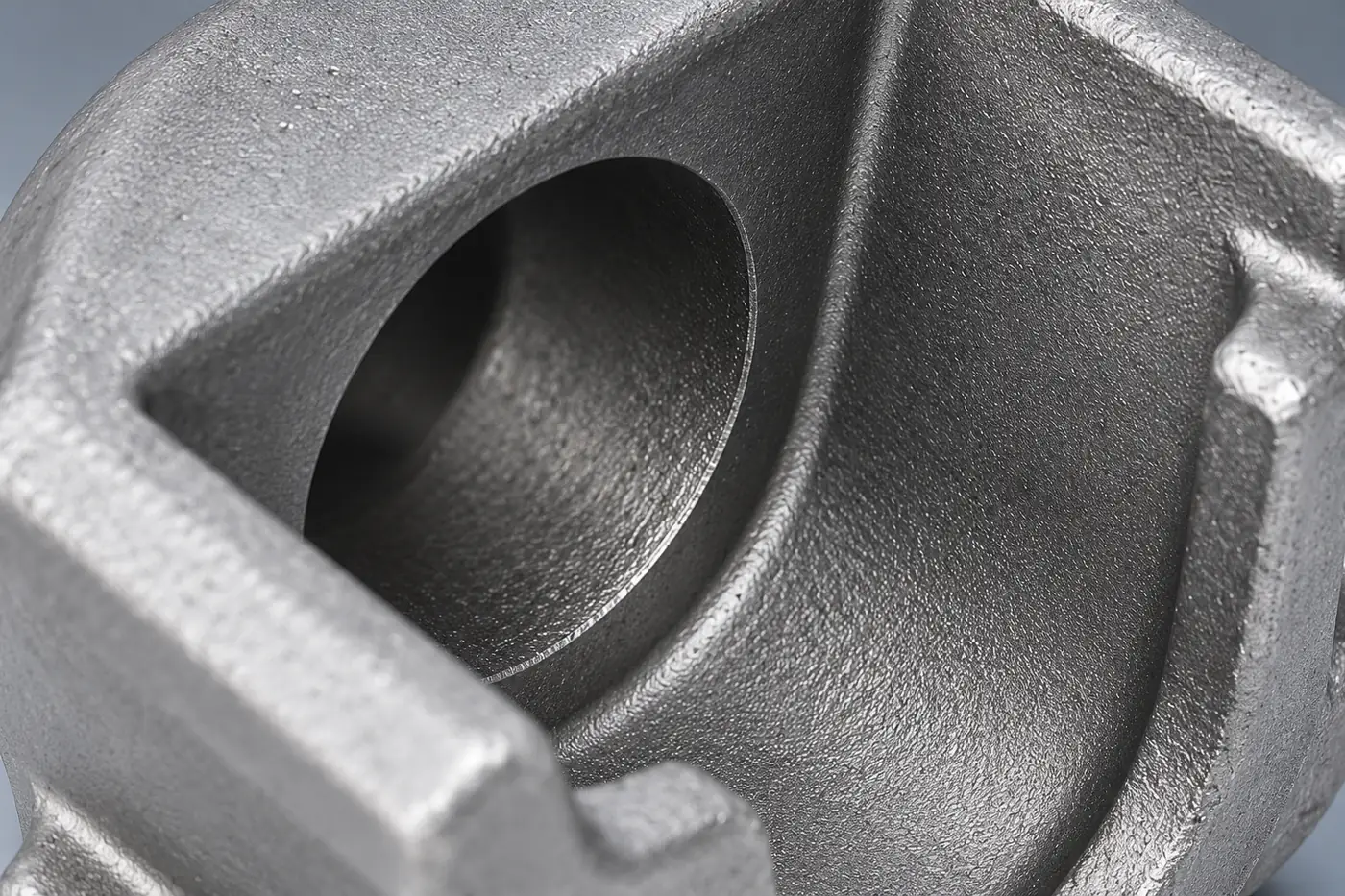
The pattern and ceramic mould create the housing body with allowances on the surfaces that need finishing. After casting, shell removal and gate cleaning, machining establishes registers, ports, seal lands and any controlled bores. Relia's drawing review relates those features to the shaft or rotor and mating cover. Cleaning is especially important before closure of a fluid or gas cavity. Dimensional checks and any agreed pressure/leak test then follow the defined component boundary and service requirements.
- Define the housingInternal space, grade and mating components
- Cast and prepareInvestment route, cleaning and machining stock
- Finish the interfacesPorts, registers, bores and seal lands
- Check the supplied bodyCritical geometry and defined pressure/leak scope
04 · FINISHED FEATURES
Relate machined ports and support faces to common datums
- Common datums
- Relate bores, ports, supports and end faces.
- Finished surfaces
- Include treatment and inspection at critical interfaces.
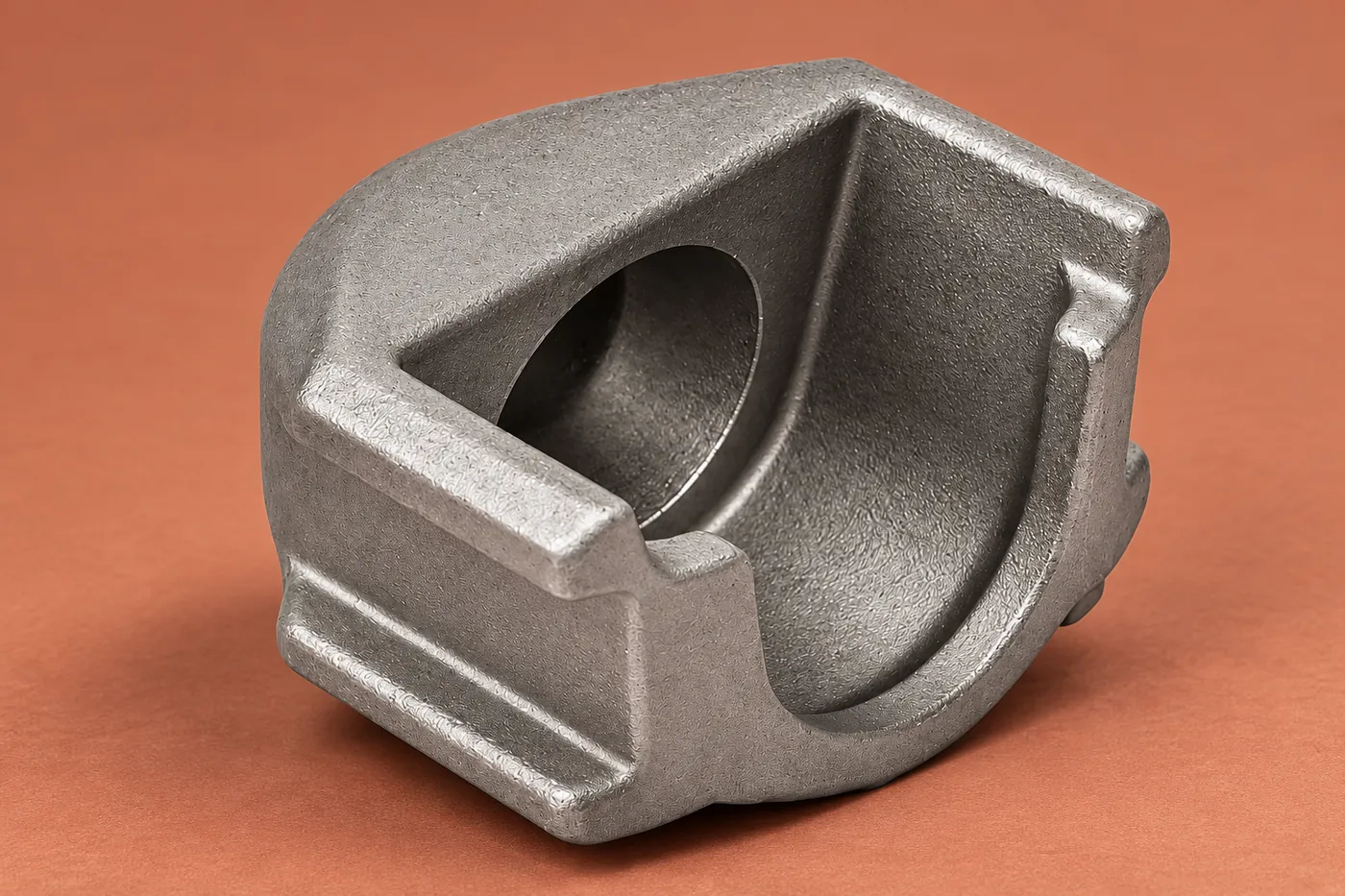
Identify the end faces, bores, ports and support locations that need a controlled relationship. Include the required finished surface state and any treatment affecting it. The machining and inspection scope can then follow the completed component drawing rather than a general appearance description.
05 · ACCEPTANCE
Specify each inspection or test on its own basis
Define dimensional, surface and pressure-boundary checks with the drawing revision. A clean-looking casting does not demonstrate internal soundness or leak tightness. If a leak test is required, include fixture boundaries, test medium, pressure, duration and allowable leakage.
| Check | Definition needed |
|---|---|
| Material | Exact requirement and relevant record |
| Dimensions | Controlled features and measurement basis |
| Specified leakage or pressure test | Object, conditions and acceptance |
| Record | Part identity, revision and results |
06 · SAMPLE APPROVAL
Use the first housing to check the intended fit
- First-part fit
- Check the housing against the intended assembly.
- Accepted definition
- Record deviations, corrections and component approval.
Connect the first-part dimensional review with trial assembly and the required application checks. Record any deviation against the feature it affects and agree the correction before release. The accepted housing definition then provides a clear reference for repeat manufacturing and purchasing.
07 · ORDER CLARITY
Retain a complete component package
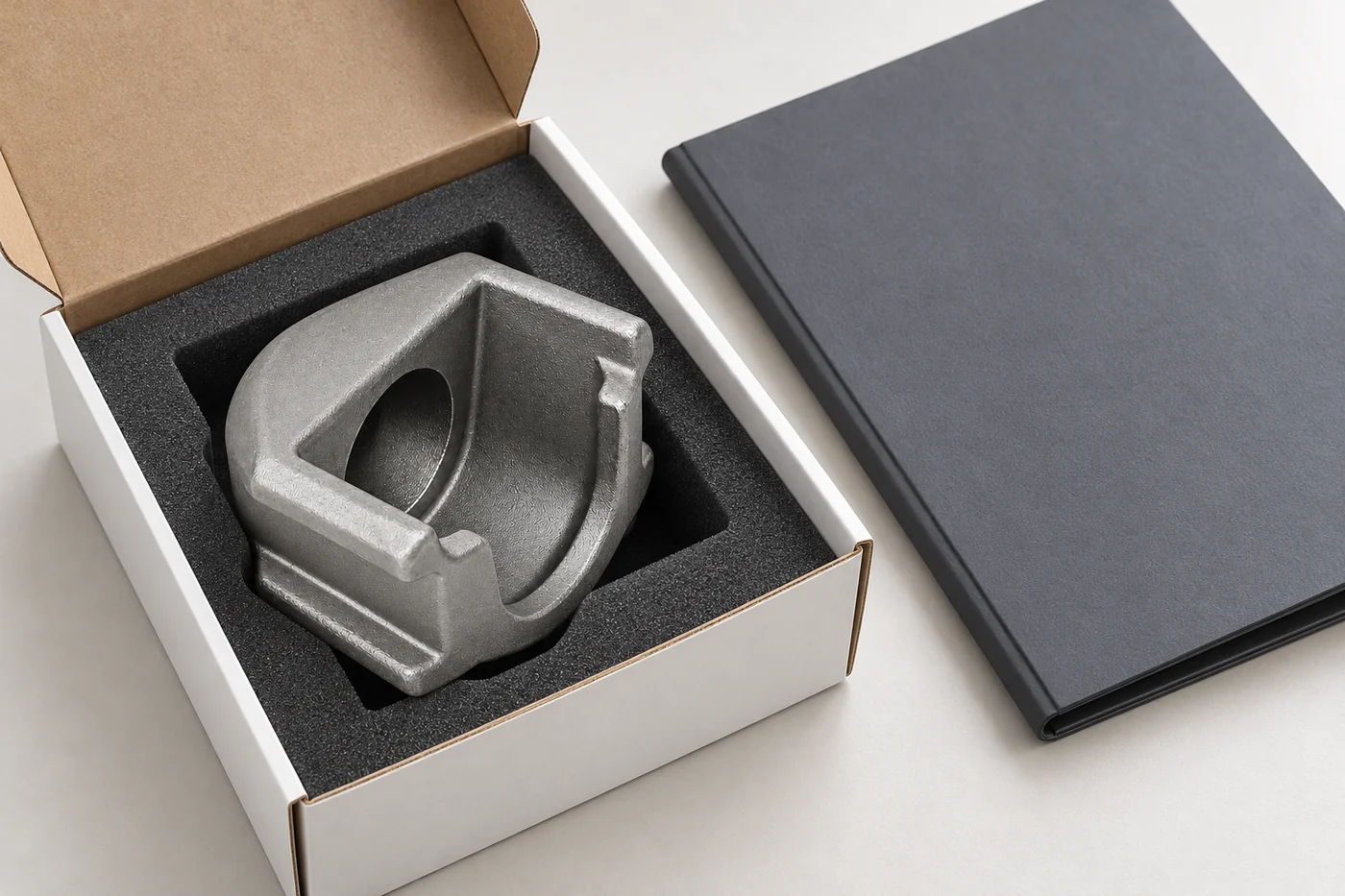
The material, cavity model, finished-interface drawing and acceptance scope need to describe the same housing. Make missing inputs and proposed alternatives visible in the quotation discussion. We can review the manufacturing package with your team before its delivered condition is agreed for the order.
Technical notes
Identify the compressor type, working medium, temperature and pressure conditions. Show the mating cover, shaft or rotor relationship and the locations that control clearance. A general stainless description cannot establish chemical compatibility or a pressure rating for the housing.
RELIA · YOUR NEXT PROJECT
Share the housing drawing and operating requirements
Send the model, sections, mating interfaces and selected material, together with quantities. Add the gas context, cleanliness needs and required component checks. We can review the housing manufacture and acceptance scope with the relevant technical details available.
Start with these project details
- Model, sections and mating data
- Material and gas-service context
- Cleanliness and component tests
- Quantity and finished condition
Shuyuan Road, Qingdao, Shandong, China
