304/316 Stainless Steel Compressor Housing Castings, Precision Lost Wax CNC for Air Compression
Let’s define your requirement
Send a product link, drawing or short brief. We’ll work through the details with you.
- Confirm the specificationGrade or model, size and intended use.
- Define your orderQuantity, finish or configuration, and samples.
- Agree the quotation scopeIncluded work, key checks and delivery needs.
-
Component FormHousing / Enclosure
-
SizeCustmer's Drawings
-
Surface TreatmentPerfect AppearanceMaterialsstainless steel
-
Name304 316 Stainless Steel Compressor Housing PartsMaterialBrass/Stainless Steel
-
Surface treatmentNo cape burr sand holeKeywordStainless steel precision casting
-
Quality Control100% InspectionTolerance0.2mm
-
Machining ProcessLost Wax+CNC MechiningLead Time15-35 Days
-
SurfacePerfect AppearanceDimensionsCustmer's Drawings
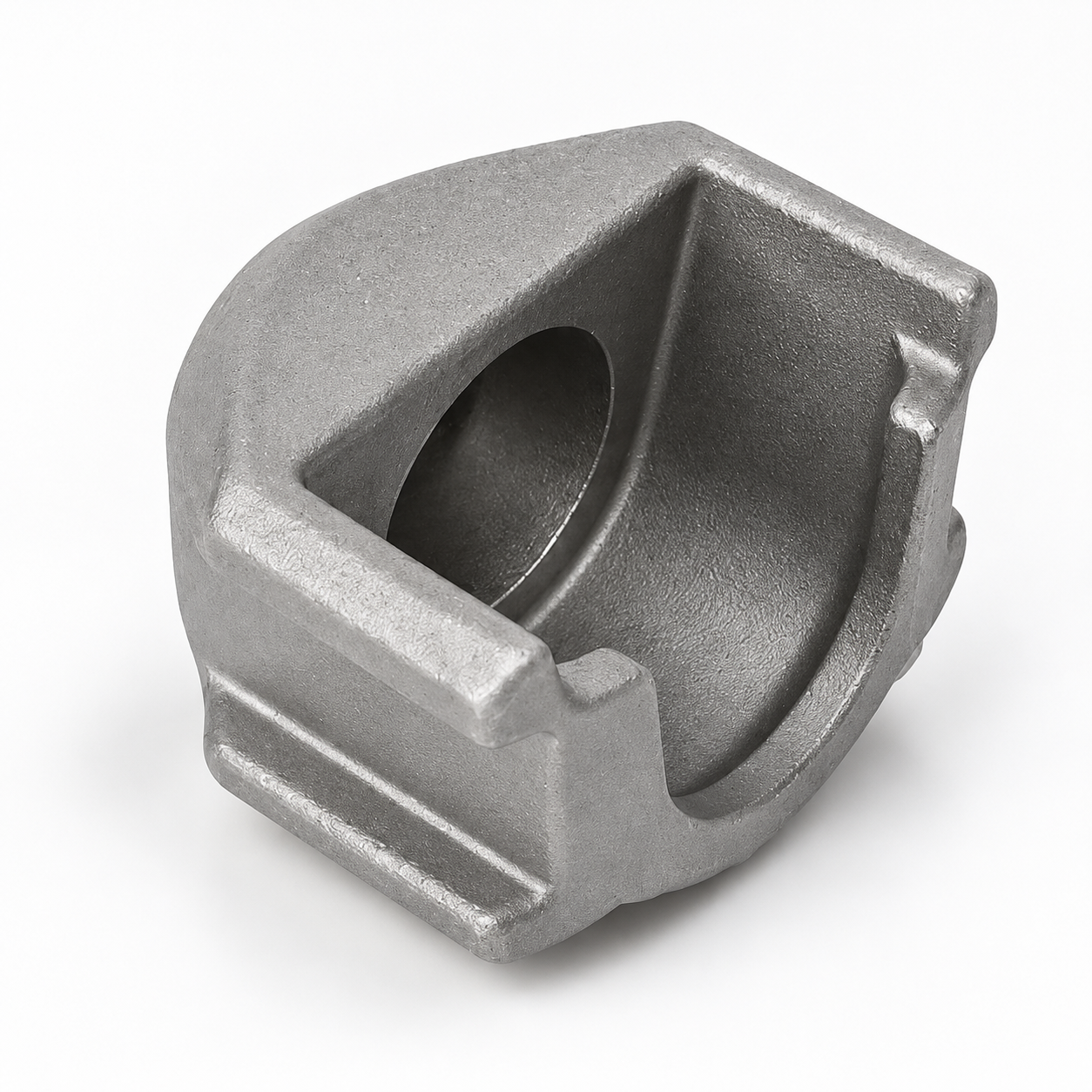
These 304 and 316 stainless steel compressor housings are intended for air-compression units and are made to customer drawings. Lost wax investment casting and CNC machining form the manufacturing route. Leak-tight service requirements can be defined around the actual housing, mating parts and operating conditions.
Housing geometry and CNC requirements
Use the customer drawing to define the housing dimensions and the features requiring CNC machining. The tolerance value is 0.2 mm, with the applicable features and acceptance method to be agreed for the component. Select 304 or 316 for the actual housing; brass is also a material request direction to discuss separately when defining a different component.
Appearance and full housing inspection
The compressor housing offer covers 100% inspection of the cast parts. Agree the appearance criteria, including acceptance for burrs and sand holes, against the relevant housing surfaces. Connect the inspection content and required records to the drawing dimensions and surface requirements so the final housing can be assessed against a defined specification.
Leak-tight air-compression acceptance
For the intended air-compression duty, specify pressure, temperature and the mating or sealing geometry of the housing. Agree the leak-acceptance conditions and how they will be assessed for the component. This keeps the leak-tight requirement tied to the actual compressor design and operating conditions. Approve the material, dimensional and sealing requirements together before treating the custom housing as suitable for the intended unit.