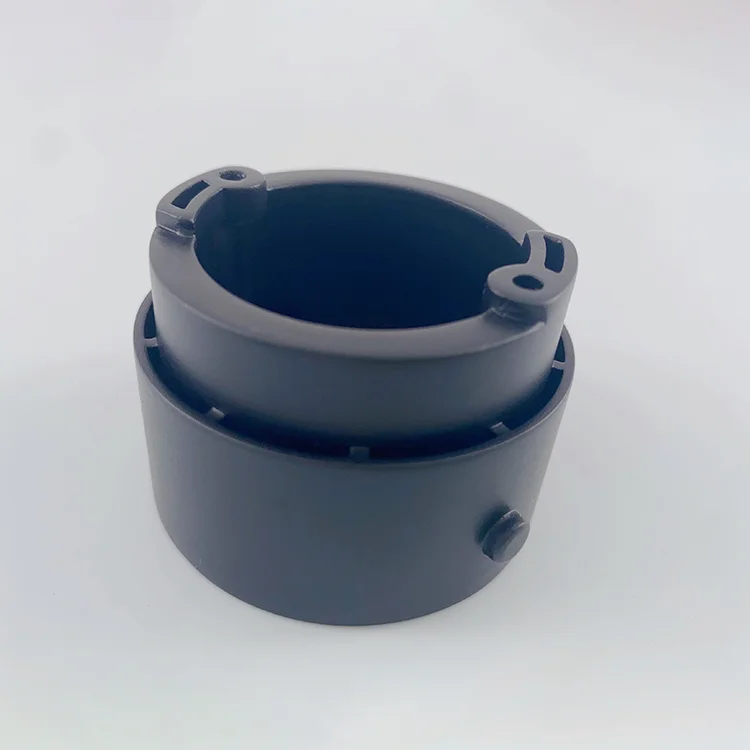
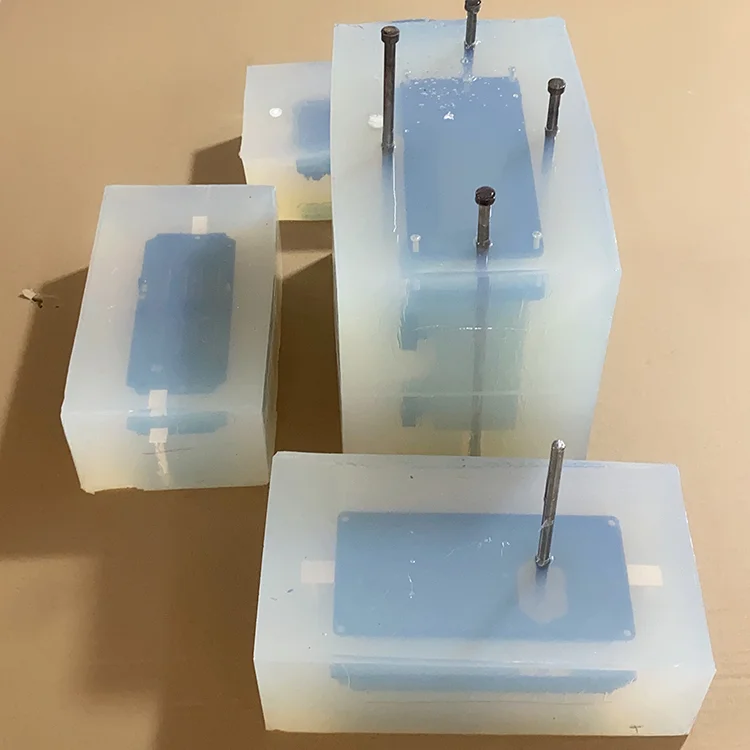
Rubber-Like Vacuum Casting for Custom Functional Parts and Flexible Prototypes with Silicone Molding and Finishing
Let’s define your requirement
Send a product link, drawing or short brief. We’ll work through the details with you.
- Confirm the specificationGrade or model, size and intended use.
- Define your orderQuantity, finish or configuration, and samples.
- Agree the quotation scopeIncluded work, key checks and delivery needs.
-
Surface FinishAnodized , Polished
-
CNC Machining or NotNot CNC MachiningTypeOther Machining Services, Rapid Prototyping
-
Material CapabilitiesPlastic:ABS/PC/PVC/PA/PP/PPS/PMMA/POM/PEEK/PTFE ,etc.Micro Machining or NotNot Micro Machining
-
Product nameCustom Silicone Mold & Vacuum Casting Prototype
-
ProcessSilicone Molding & Vacuum Casting +FinishingSurface treatmentPaints,plating,Polishing,Laserengraving,Anodizing,Custom
-
Drawing Format3D(IGES/STEP)Tolerance±0.15/100mm
-
UsageAuto,Motorcycle,robot,crafts,Appliances,Medical industryFeatureQuotation within 4h,Fast lead times,Optimal part quality,Low-volume
-
MOQ1 PieceQuality Control100% Inspection
-
CertificationIS09001: 2016
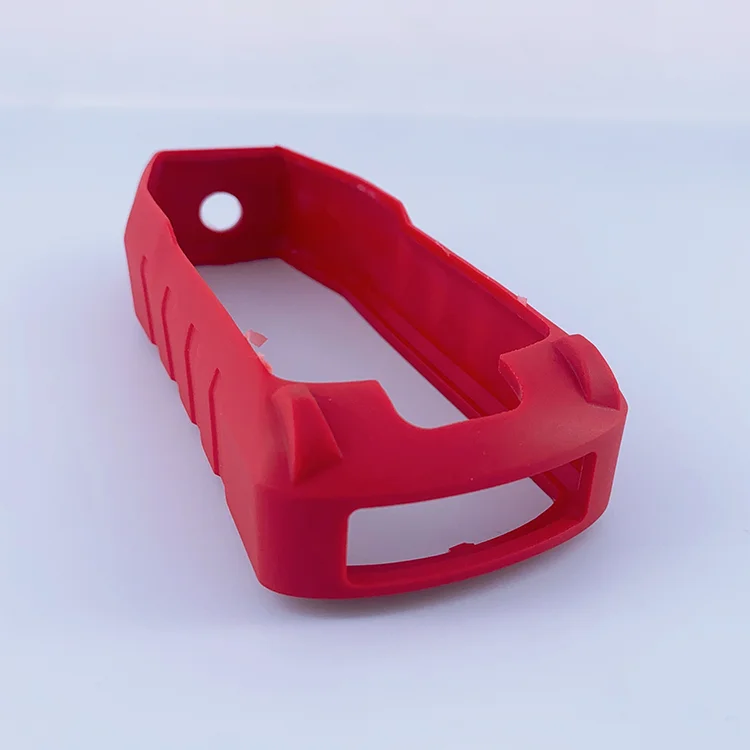
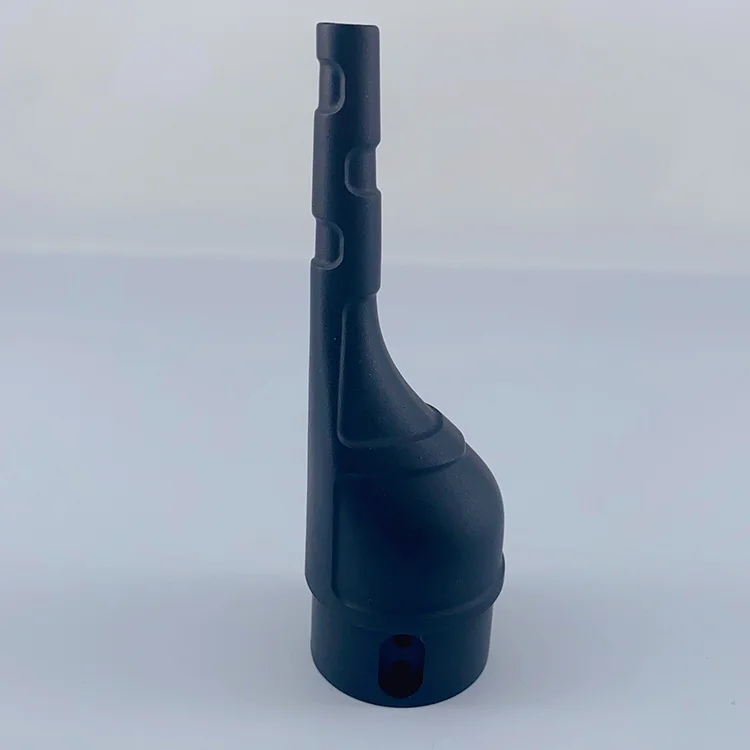
Explore a flexible functional part through silicone molding and vacuum casting. This custom rapid prototyping service is intended for rubber-like parts and low-volume work, with finishing choices that can be matched to the material and the purpose of the prototype.
Define the rubber-like behavior you want to evaluate
Flexibility is a central selection point for this prototype route. Describe where the part should bend and what behavior the functional model needs to demonstrate, then agree the casting material for that task. A material name and the desired feel should be considered together, especially when comparing a prototype with the intended finished design.
Follow a silicone mold and vacuum casting route
The process combines silicone molding, vacuum casting and finishing. It is a non-CNC, non-micro-machining service, so the enquiry should focus on the cast prototype geometry and the material behavior to be evaluated. Low-volume production provides the context for discussing the quantity and the role of each prototype in the project.
Connect the finish to the casting material
Painting, plating, polishing, laser engraving, anodizing and custom treatments can be discussed as finish requests. Select the treatment around the chosen material and the surfaces that matter to the prototype evaluation. Agree the intended appearance and any marked areas before settling the finishing route.
Give the prototype a defined project role
Application directions include automotive, motorcycle, robotics, crafts, appliances and medical-industry projects. Explain whether the model is being used for an appearance review or a particular functional evaluation. For a medical-industry prototype, establish the intended use and applicable material or validation requirements within that project.
Link the 3D geometry to the inspection plan
IGES and STEP are the accepted 3D geometry formats for this service. Parts receive 100% inspection, while the drawing should identify the critical dimensions and acceptance criteria relevant to the requested prototype. Confirm how dimensional requirements and material flexibility will be assessed together.