

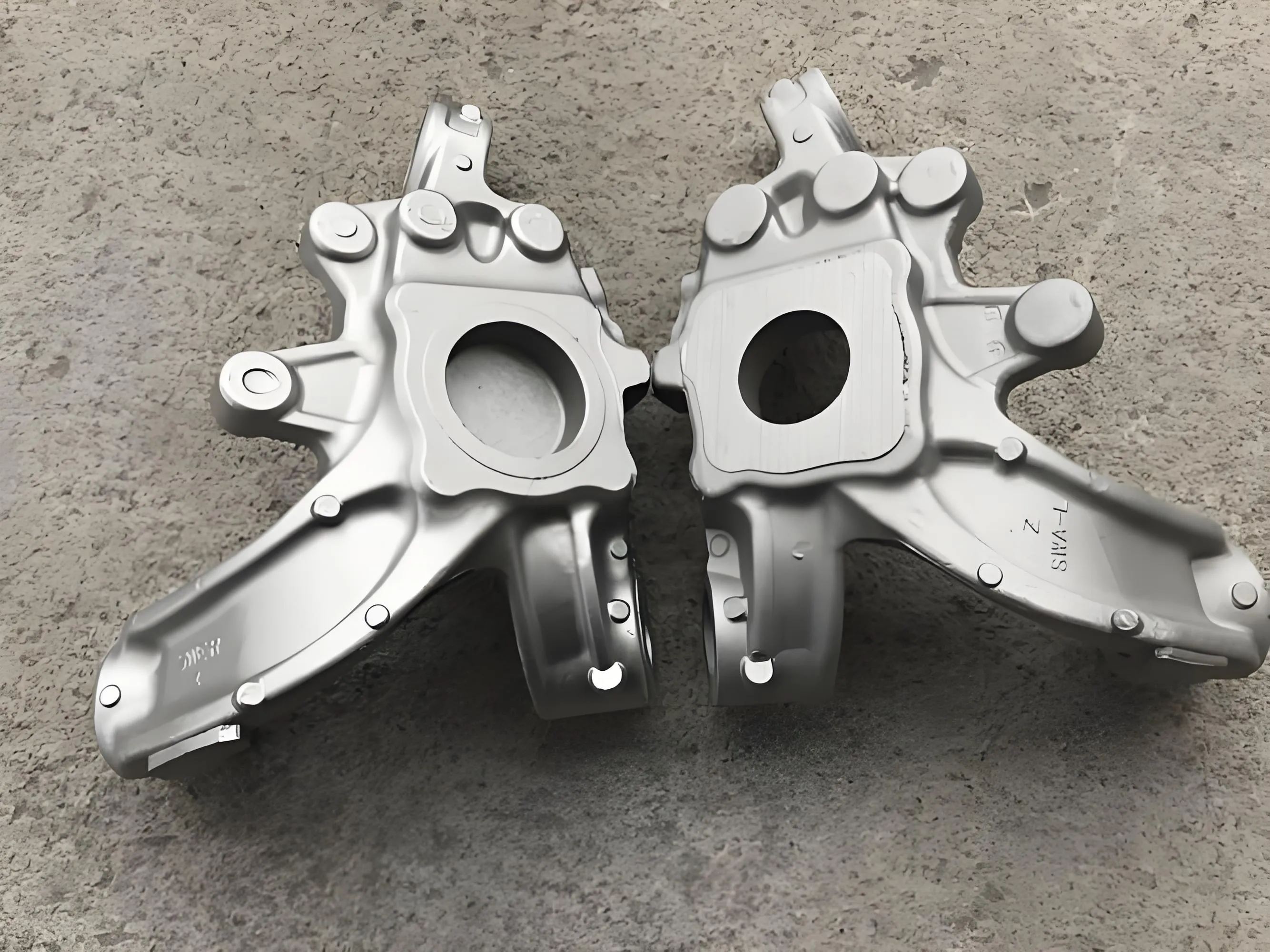
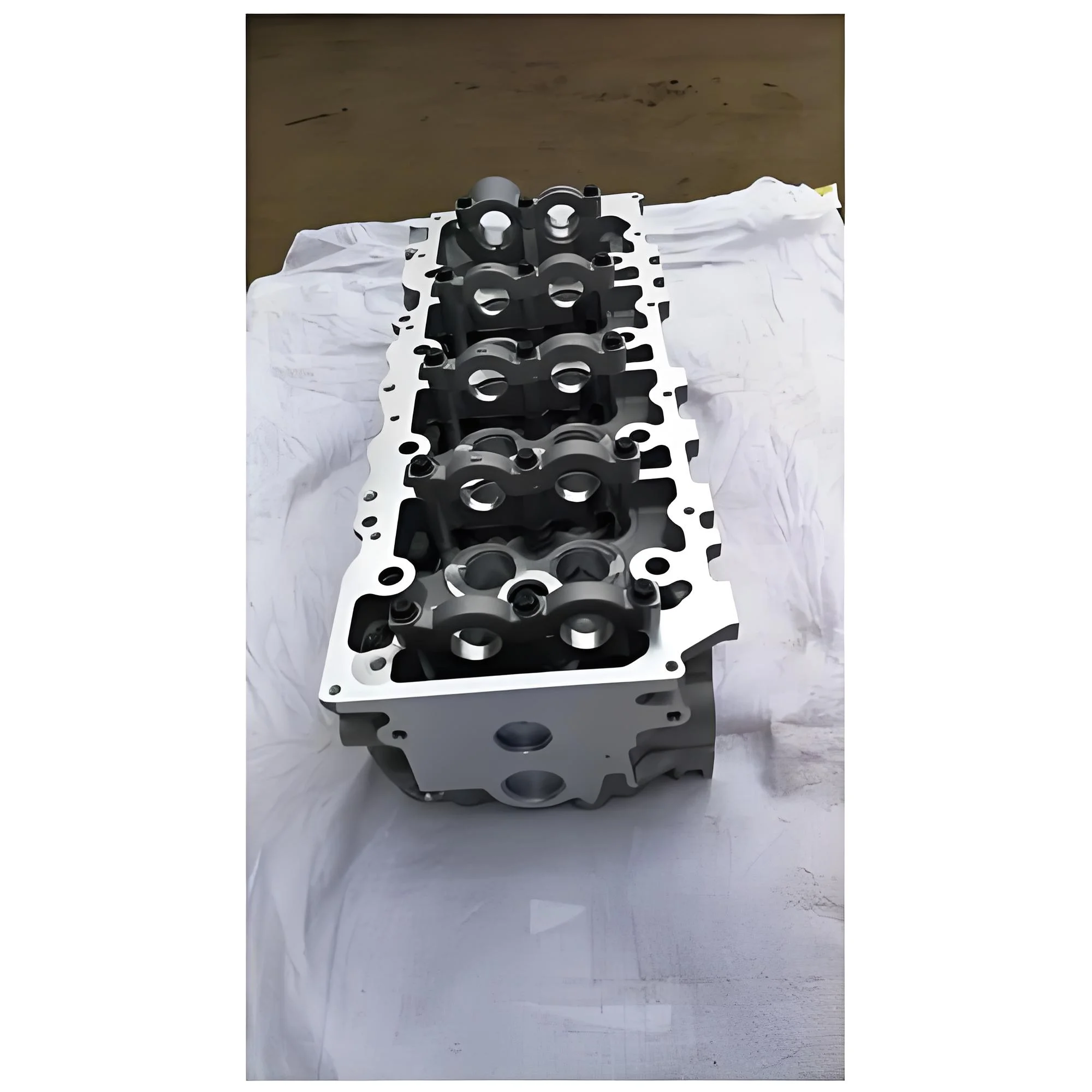
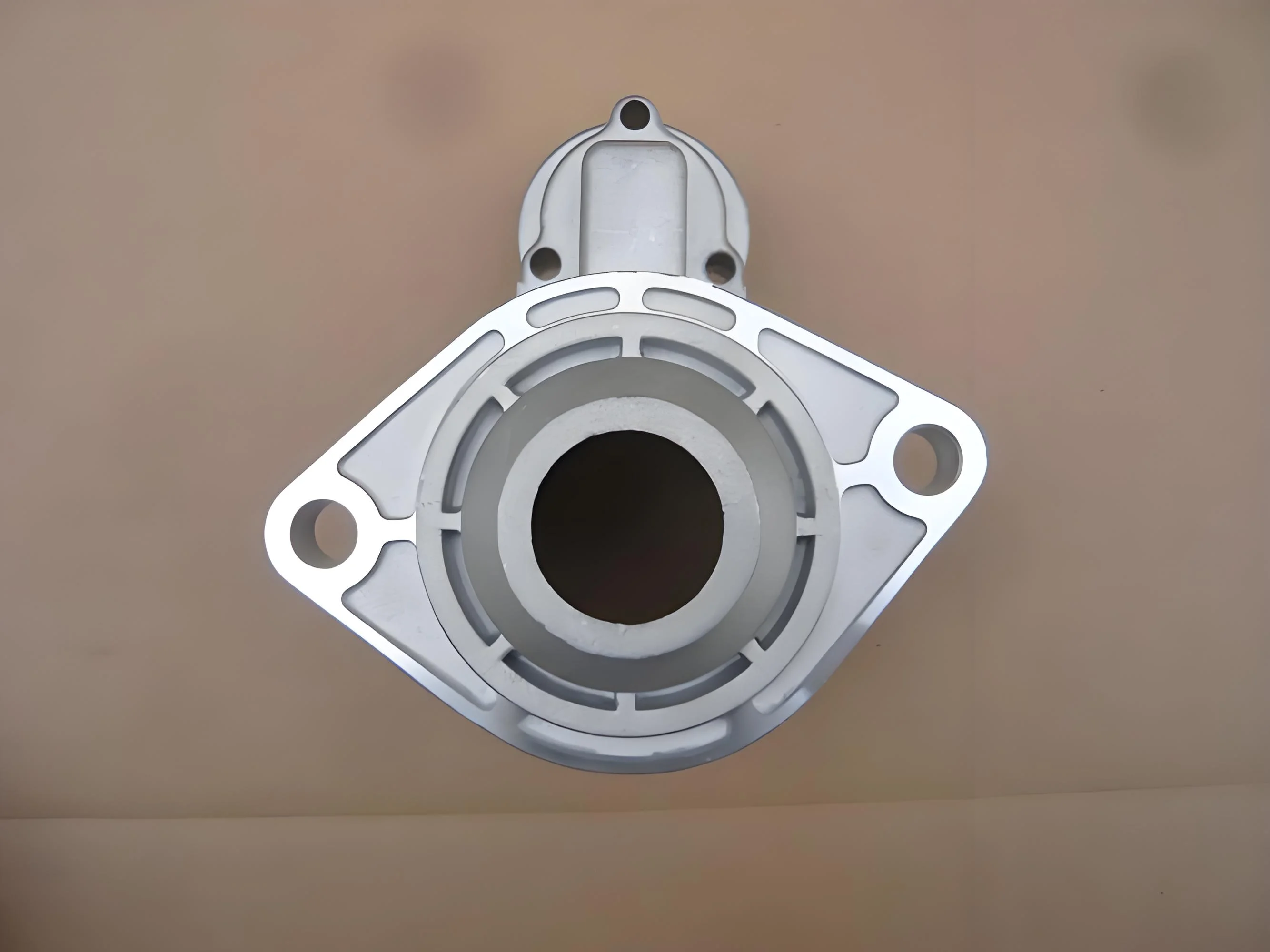
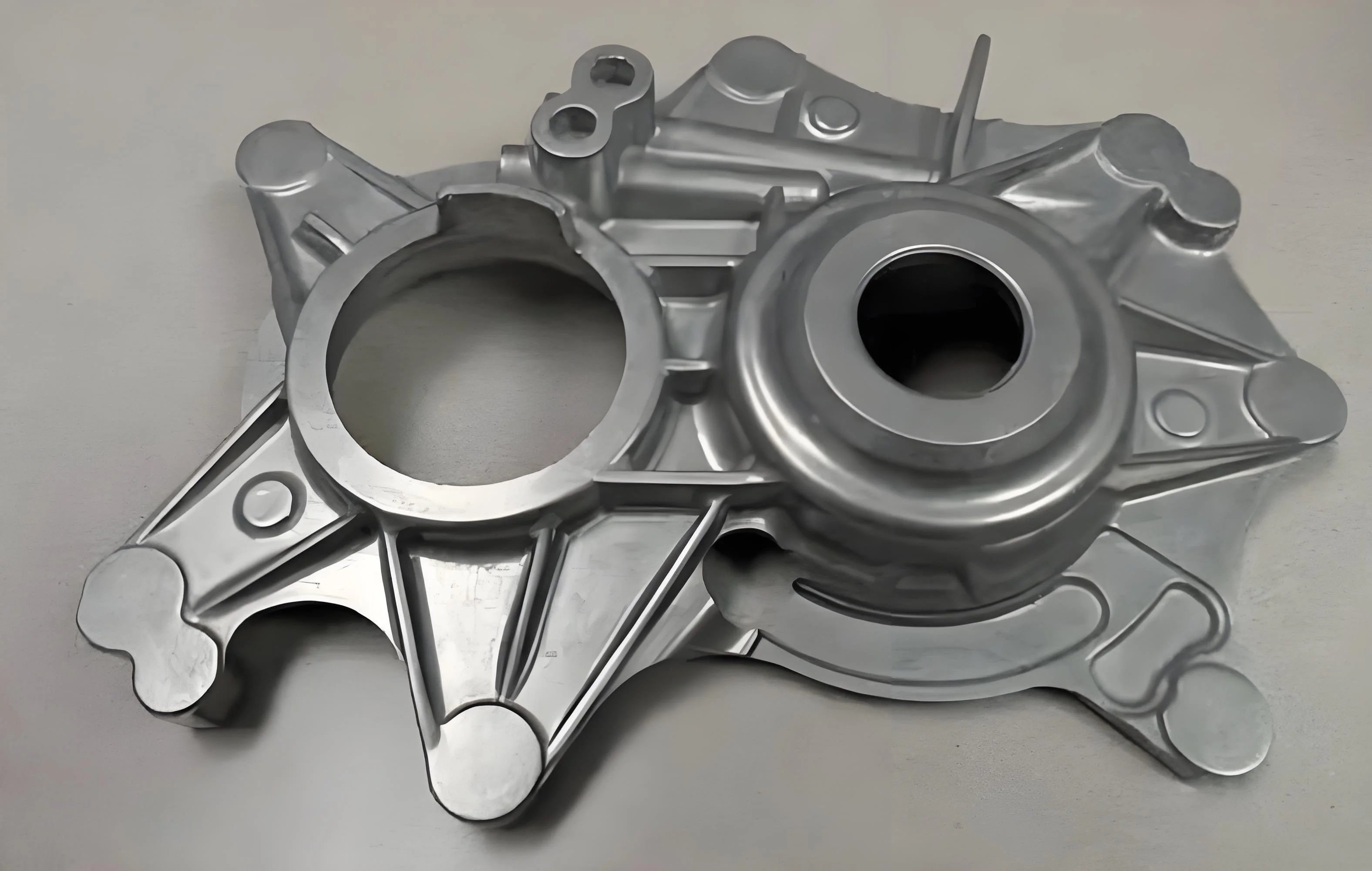
Custom Precision Aluminum Die Casting for Motor Housing Parts with Drawing-Based Wall Thickness and Surface Treatment
Let’s define your requirement
Send a product link, drawing or short brief. We’ll work through the details with you.
- Confirm the specificationGrade or model, size and intended use.
- Define your orderQuantity, finish or configuration, and samples.
- Agree the quotation scopeIncluded work, key checks and delivery needs.
-
Component FormHousing / Enclosure
-
SizeCustomSurface TreatmentCustom
-
MaterialsAluminum
-
SpecificationCustomized according to drawingsWall thicknessCustomized according to drawings
-
InspectionRaw Material Control, Heat Treatment, Finished Product InspectionService TypeFull Process Service (Design to Delivery)
-
Production CapacityFlexible Scheduling, Fast Response
An aluminum motor housing is defined by the shape it must occupy and the dimensions that connect it to the motor assembly. This custom die-casting service uses the housing drawing to establish the component size, wall thickness and surface treatment, with support across the manufacturing process.
Develop the housing through its wall sections
Wall thickness follows the drawing rather than a fixed stock dimension. Review the housing geometry together with the dimensions needed by the surrounding assembly, then identify which wall sections belong to that design. Keeping those details in one component definition gives the aluminum casting inquiry a clear basis without implying that the same housing fits every motor.
Follow the aluminum through the process stages
The stated scope includes raw-material control, heat treatment and finished-product inspection. Agree the aluminum grade and the treatment requirements for the actual housing, including the accepted condition of the finished component. These stages can then be reviewed against the drawing requirements instead of treating a process name as a particular mechanical result.
Review one agreed motor-housing design
Custom surface treatment belongs alongside the housing geometry and wall definition. Identify the required surface condition and the dimensions used to judge the completed part, so the process discussion remains specific to this motor housing. A full-process service is most useful when the housing requirements stay consistent from design decisions through final inspection.
- Establish the aluminum requirement and the complete housing shape.
- Mark the wall sections and mating dimensions that control acceptance.
- Describe the required surface treatment and the finished-part inspection points.
Flexible scheduling and responsive project handling can be discussed around that defined scope. The accepted housing design should remain the reference for evaluating the proposed manufacturing work.








