
PRODUCT-BASED REFERENCE
Casting Materials and Grades for Custom OEM Parts
Choose a casting material around the service requirement and manufacturing route. Relia's product references help compare stainless, steel, iron, aluminium, zinc and copper-alloy options while keeping the exact grade, supplied condition and approval requirements with your drawing.
RELIA · BUSINESS AND TECHNICAL SUPPORT
Select material against the service and route
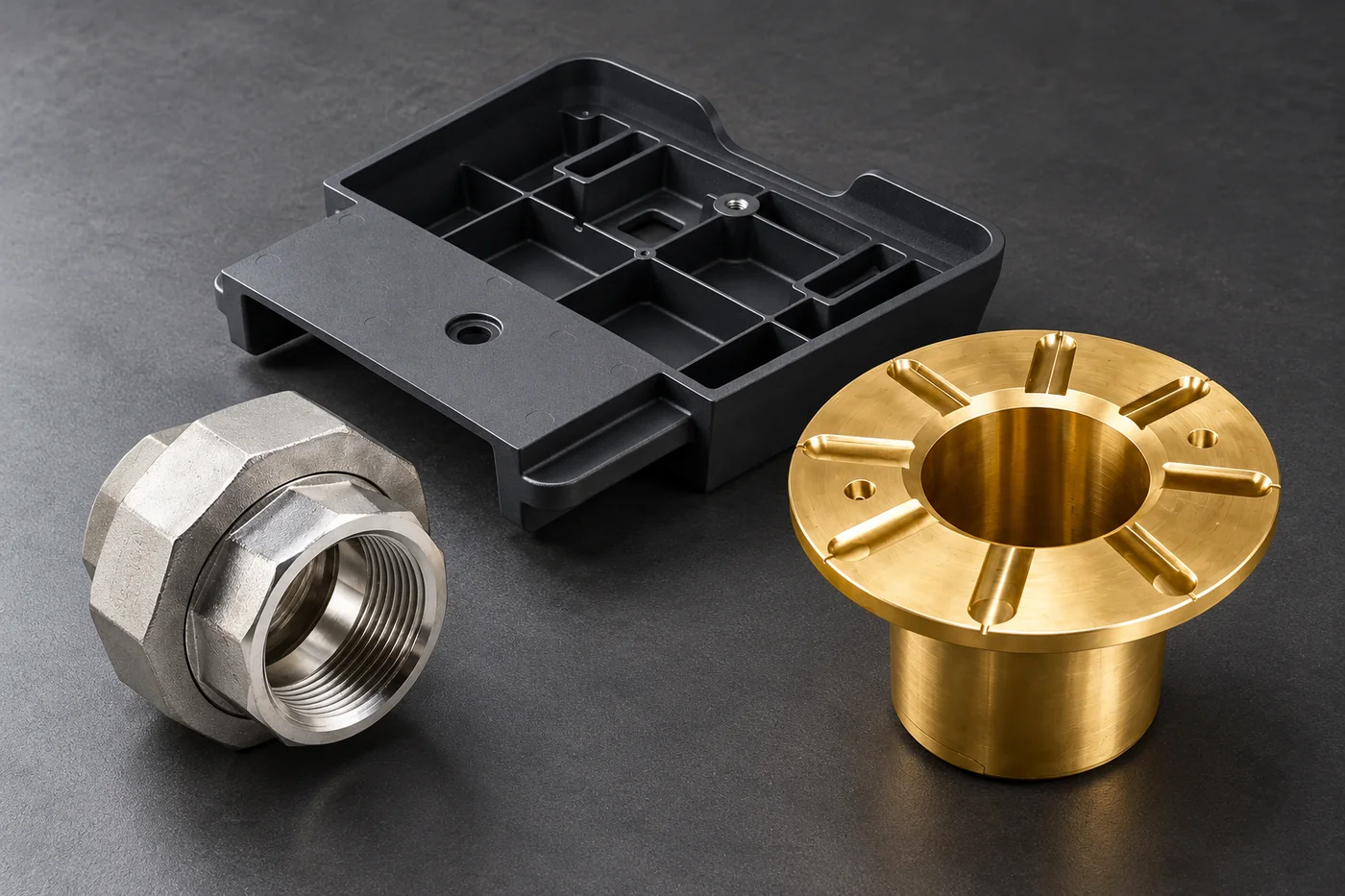
Relia’s product data provide several concrete starting points: CF8-series impellers, 304 stainless unions, ADC12/A380/A383 enclosures, Zamak options and an oil-lubricated ZCuSn6Zn6Pb3 sleeve. Relia connects the selected grade and condition to the component’s duty and manufacturing route. A material alternative is reviewed with its implications for treatment, machining, finish and required properties, rather than assumed equivalent because the part has a similar colour or shape.
| Selection point | Practical requirement |
|---|---|
| Fluid component | Grade, fluid, temperature and pressure-boundary requirements |
| Housing | Mass, stiffness, sealing, thermal contact and volume |
| Wear component | Load, speed, mating surface and lubrication |
| Visible hardware | Exposure, finish, contact requirements and appearance |
PRODUCT-BASED REFERENCE
Use casting-grade names for stainless components
- Casting specification
- Name the required casting grade and applicable standard.
- Meaningful comparison
- Keep alloy-family labels separate from the full requirement.
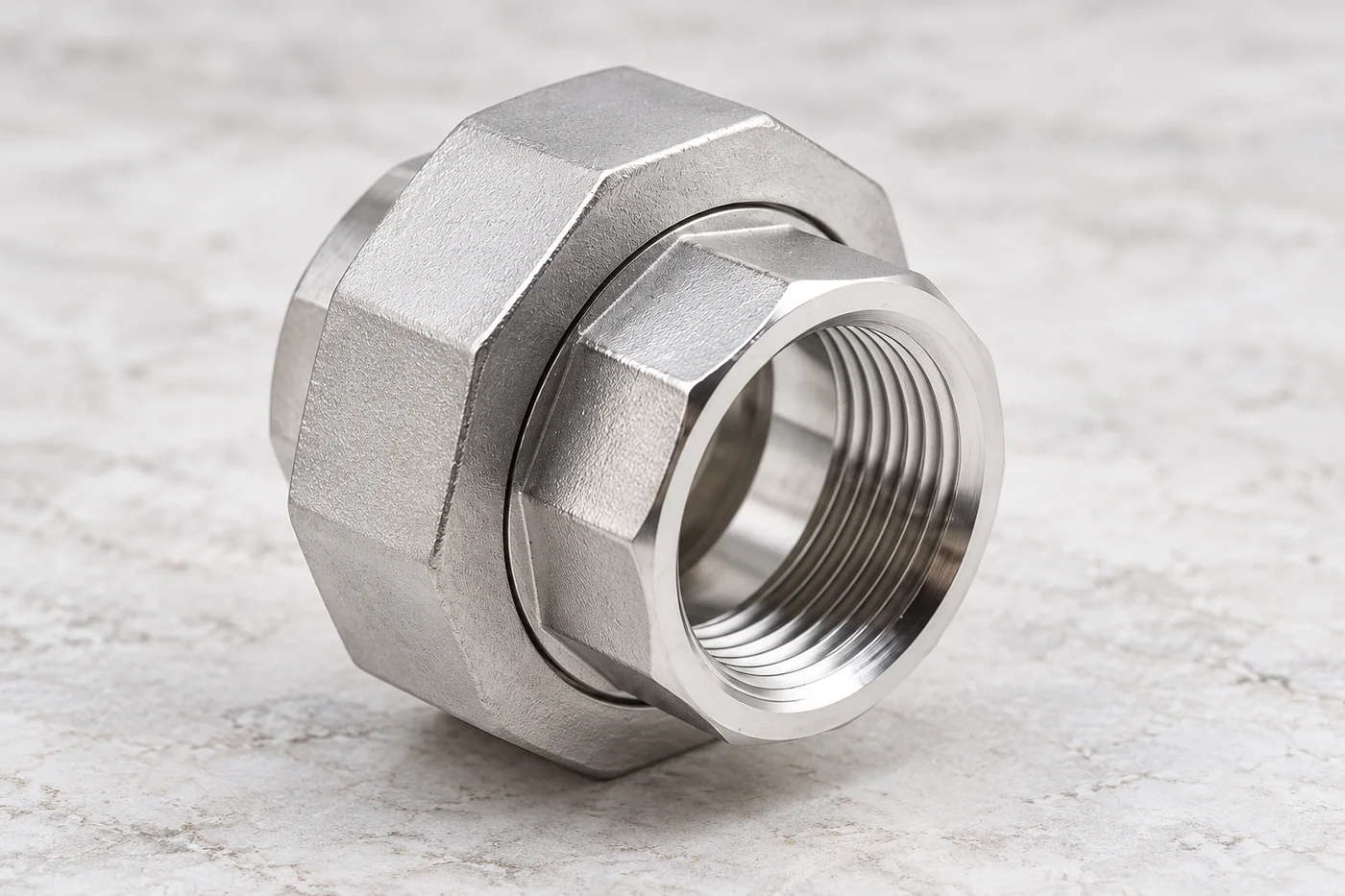
Our impeller and globe-valve references list CF8, CF8M, CF3 and CF3M. CF8M and CF3M are molybdenum-bearing grades, with CF3M the low-carbon variant. Wrought labels such as 304 or 316 can explain an alloy family, but they are not a complete substitute for the applicable casting-grade specification.
TECHNICAL BUYING GUIDE
Define steel and iron by grade and condition
Carbon steel, alloy steel, gray iron and ductile iron are different material choices. Our gearbox reference names ASTM A48 Class 30 gray iron, while other listings offer ductile-iron options. Specify the selected grade and treatment rather than allowing a broad iron field to authorize substitution.
Technical notes
The manufacturing condition is part of the material decision. Relia’s steel/iron references list options including annealing, normalizing, quenching and tempering on relevant items. The selected sequence must follow the specified grade and property requirement, with finish machining and acceptance placed where they can establish the required final features.
| Selection point | Practical requirement |
|---|---|
| Gray iron | ASTM A48 Class 30 reference on the gearbox item |
| Ductile iron | Separate specified grade and required properties |
| Carbon/alloy steel | Grade plus annealed, normalized or quenched/tempered condition as required |
| Property records | Required tests, locations, sampling and limits |
PRODUCT-BASED REFERENCE
Choose bronze for the actual wear interface
- Wear interface
- Describe load, speed, clearance and lubrication.
- Selected bronze
- Review the exact alloy against shaft and housing conditions.
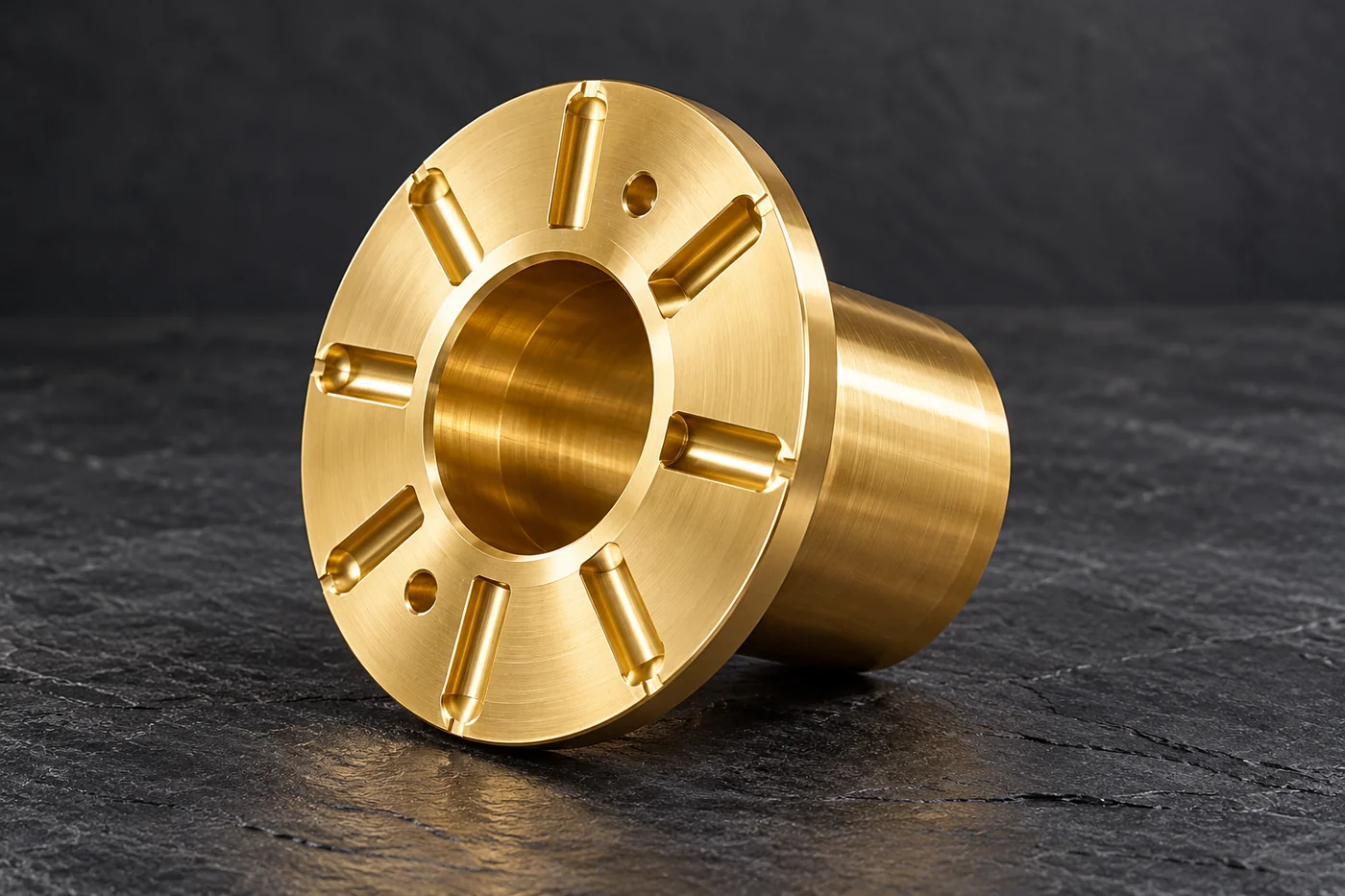
The flanged-sleeve reference specifies ZCuSn6Zn6Pb3, oil lubrication and centrifugal casting. It is a lead-containing copper alloy, not a lead-free option. Bearing-alloy selection depends on load, speed, clearance, shaft condition and lubrication; choosing a harder alloy alone does not ensure better service.
TECHNICAL BUYING GUIDE
Separate aluminium and zinc alloy decisions
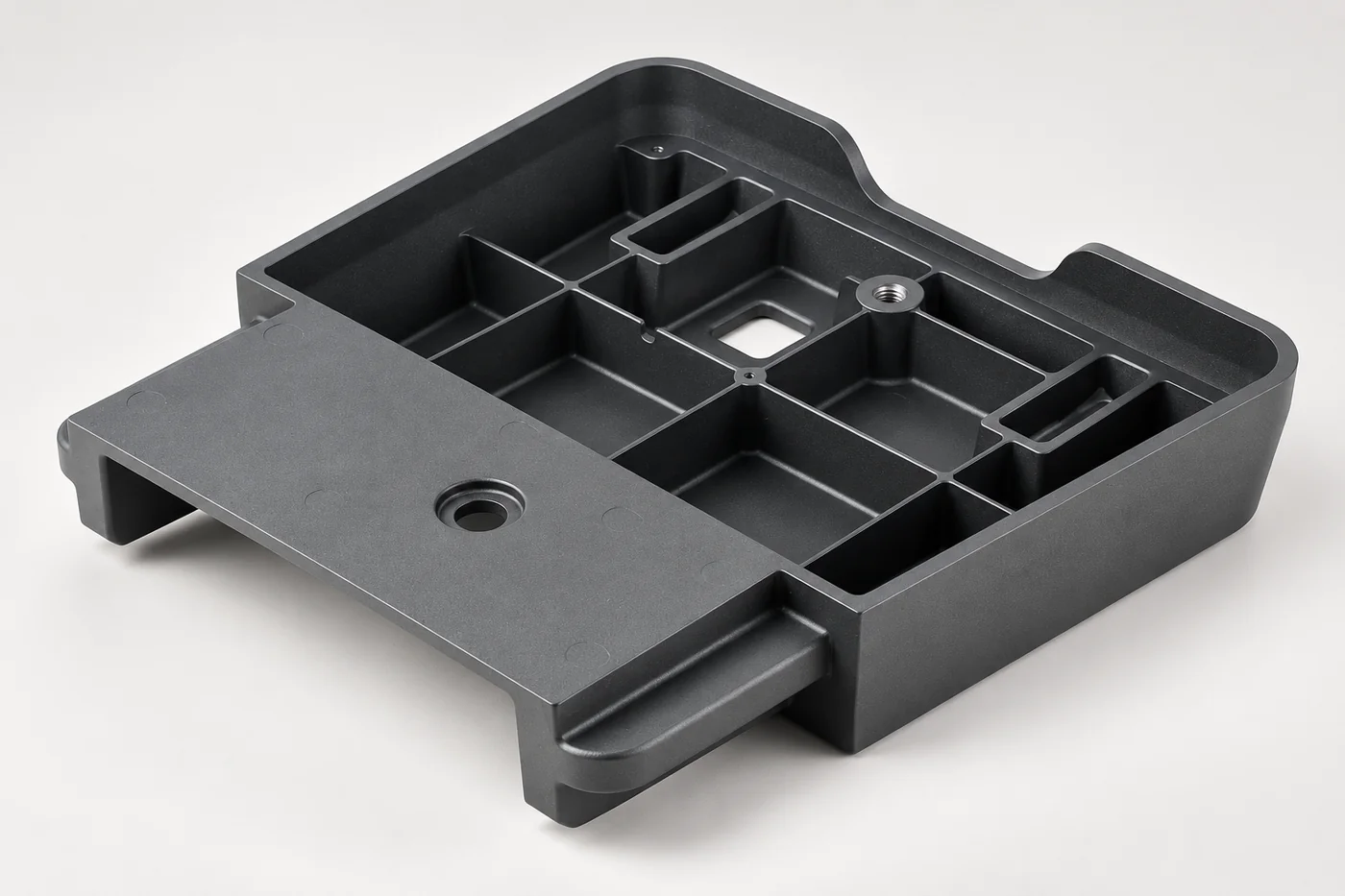
Our aluminium parts include ADC12/A380/A383 enclosure options and A380/A360/A413 gearbox references. Zamak 3/5 appear in the custom casting range. These labels identify distinct alloys and routes; they should not be collapsed into a generic light-metal specification.
Technical notes
A pressure die-cast aluminium or zinc body uses a different forming route from an investment-cast stainless component or a machined 6063 heat-sink proposal. Relia’s enquiry keeps the exact alloy and route together. This helps retain useful properties and a practical finishing plan instead of transferring one product’s tolerance or treatment to another alloy family.
| Selection point | Practical requirement |
|---|---|
| Aluminium enclosure | ADC12 / A380 / A383 references |
| Aluminium gearbox | A380 / A360 / A413 references |
| Heat-sink item | 6063 reference; manufacturing route reviewed separately |
| Zinc options | Zamak 3 or 5 selected for the actual component |
PRODUCT-BASED REFERENCE
Keep treatment and finish tied to the alloy
- Suitable treatment
- Choose the finish for the actual alloy and service.
- Retained function
- Define masking on threads, seals and contact areas.
Pickling, passivation, polishing, anodizing, painting and powder coating are not interchangeable treatments. Select them for the material and service, then define masking on threads, sealing lands and contact faces. A decorative finish should not erase the dimensional or electrical function of a machined interface.
TECHNICAL BUYING GUIDE
Resolve alternatives before sample approval
Cross-standard or alternative-grade proposals need a documented comparison, not a claimed universal equivalence. State the current grade, proposed grade, condition and relevant property differences. For nickel-alloy rotor work, for example, 625 and 718 require distinct processing decisions despite belonging to a familiar alloy family.
| Selection point | Practical requirement |
|---|---|
| Keep fixed | Specified standard, grade, condition and part function |
| Review changes | Composition, properties, treatment and manufacturing implications |
| Customer decision | Design approval of the proposed alternative |
| Record | Accepted material and revision in the quotation/sample package |
TECHNICAL BUYING GUIDE
Request records that answer the material question
Select material documentation appropriate to the part and purchase requirements. Chemistry, mechanical properties, hardness and heat-treatment records answer different questions. A general inspection statement does not identify which records accompany the delivered batch or the acceptance criteria they use.
| Selection point | Practical requirement |
|---|---|
| Identity | Grade and relevant batch/heat reference |
| Condition | Required treatment and supplied state |
| Properties | Specified test method, result and acceptance limit |
| Traceability | Connection between material record and ordered component |
RELIA · YOUR NEXT PROJECT
Send the material requirement with the drawing
Send the component drawing, material standard/grade, service conditions and quantities. Mark any permitted alternatives and the records needed for approval. Use the application guide for feature-specific requirements and the quality guide for the inspection plan.
Start with these project details
- Component drawing and grade
- Material standard and condition
- Service and permitted alternatives
- Quantities and approval records
Shuyuan Road, Qingdao, Shandong, China
