
CUSTOM MANUFACTURING · PROJECT REVIEW
Custom Brass Sliders and Mating Components for Mining Equipment
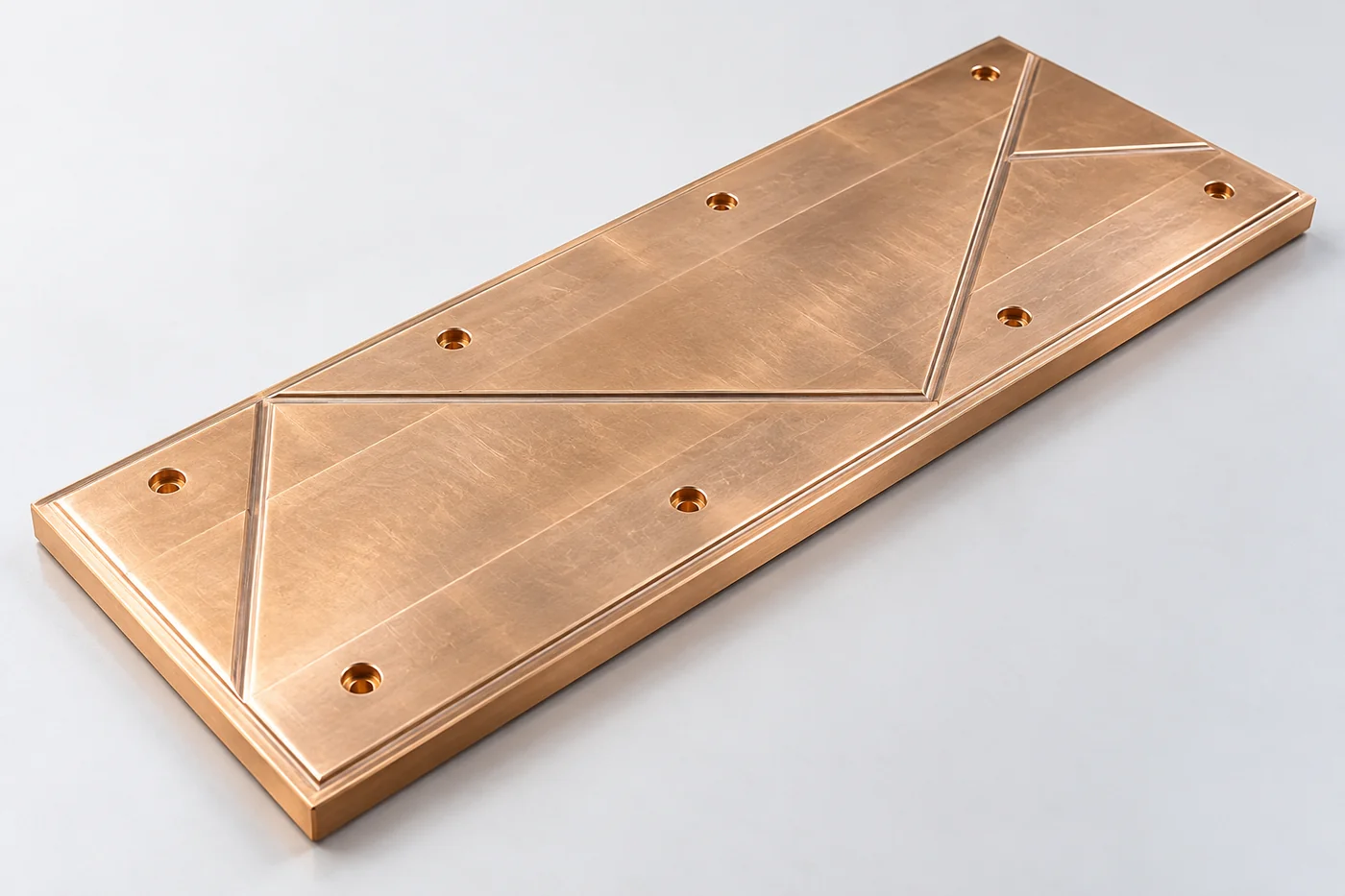
A mining slider needs controlled contact faces and clearance in its guide. Relia reviews the selected brass or copper alloy, casting and secondary machining, with the working movement and finished geometry defined before quotation.
RELIA · PRODUCT AND MANUFACTURING SUPPORT
Identify the sliding and mating surfaces
Relia's slider reference lists brass, customized dimensions and casting with optional machining and finish. Relia's scope uses the mating guide and motion direction to identify the working surfaces. A selected tolerance can then be assigned to width, thickness or a locating feature where it matters, instead of treating one catalogue precision field as a limit on the entire casting.
| Your requirement | Relia product and service scope |
|---|---|
| Material reference | Brass; exact grade to be specified |
| Route | Casting plus optional machining and finish |
| Critical relationship | Slider, guide, clearance and contact faces |
| Service inputs | Load, lubrication, contamination and motion direction |
02 · MATERIAL
Specify alloy and supplied condition
- Alloy specification
- State the exact grade and required supplied condition.
- Working application
- Review any alternative against the defined service.
Bring the exact brass or other approved copper-alloy requirement into the enquiry. We review any material condition and proposed alternative against the defined working application.
Technical notes
Specify the actual brass or copper-alloy grade. The catalogue's 0.01 mm tolerance field needs assignment to selected machined features, not every cast surface. Review lubricant paths, edge breaks and the surface relationship that maintains contact without creating local interference.
MANUFACTURING ROUTE · FEATURES AND CONTROL
Finish the Sliding Faces for the Actual Guide
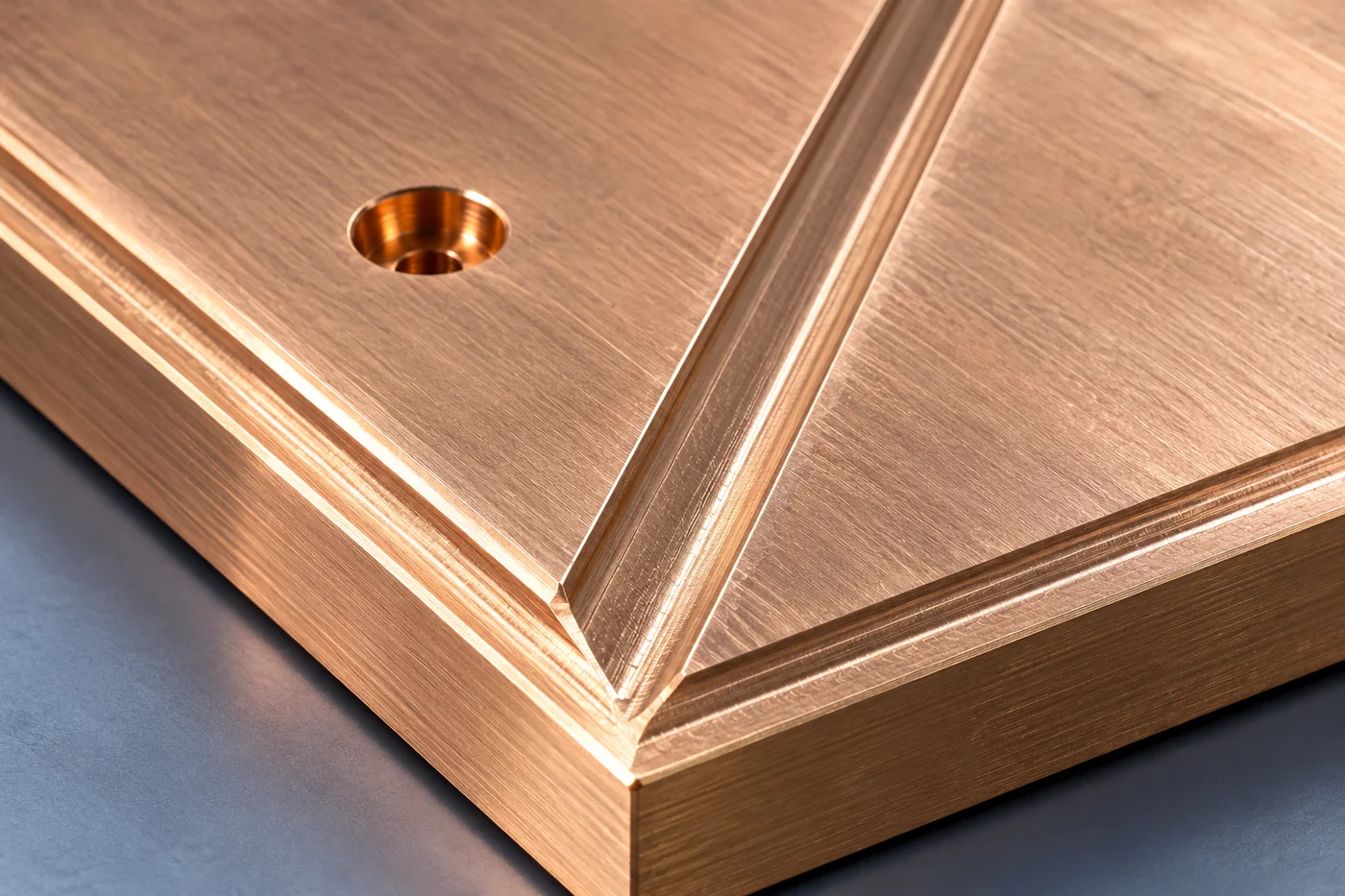
The chosen blank route creates enough material for the working faces and retention features. Relia's machining review relates those faces to the guide and identifies any lubrication grooves, holes or edge breaks in the drawing. Flatness and the relationship between opposite faces can affect contact and binding even when width is acceptable. The selected alloy and surface condition are considered with load, lubrication and abrasive exposure. Trial fit then checks the intended clearance and motion rather than appearance alone.
- Define the contact pairGuide geometry, travel and retention
- Select the blank and alloySpecified brass/copper alloy and machining stock
- Machine sliding featuresFaces, grooves and controlled clearances
- Review movementFit, contact and relevant service requirements
04 · ROUTE
Review casting and secondary machining together
- Starting shape
- Connect the casting blank to the working features.
- Finished movement
- Specify contact faces, grooves and their relationships.
The blank shape and machined working features need one consistent manufacturing definition. Identify the surfaces and grooves requiring finishing, with their relationships retained on the drawing.
05 · VALIDATION
Agree component and application checks
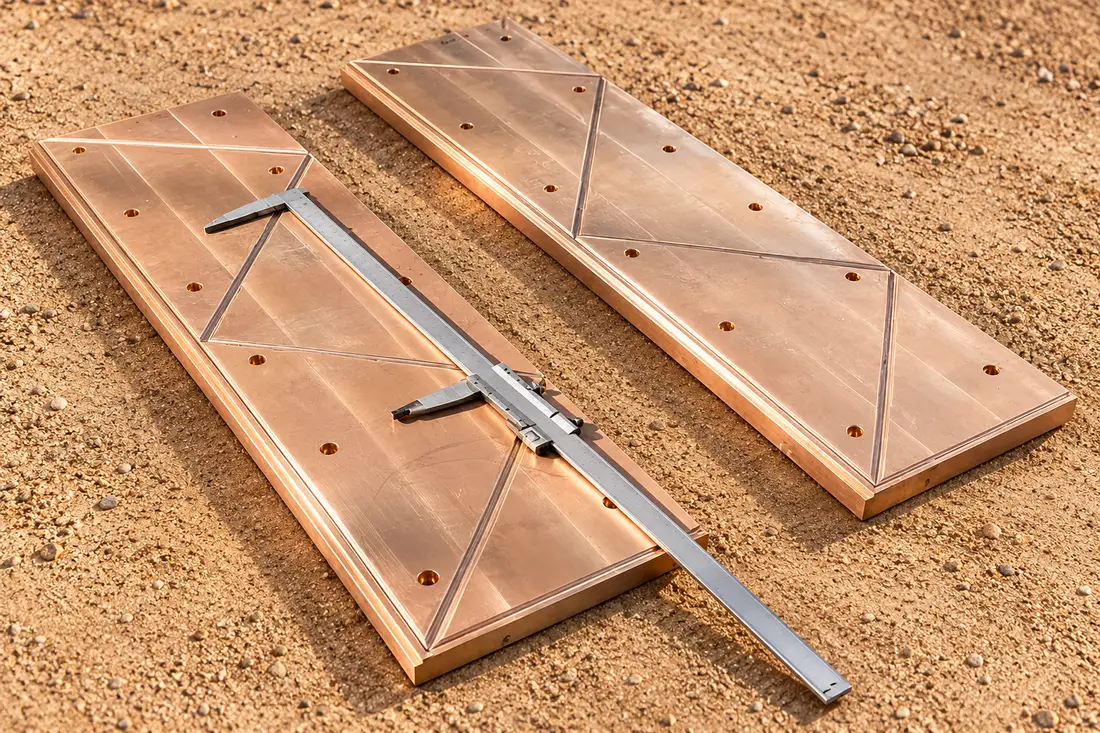
Inspect width, thickness, contact-face relationship and retention features from functional datums. Approve clearance in the intended mating assembly. Material and wear requirements should be agreed explicitly; a generic DIN field does not identify a complete alloy or sliding-performance specification.
06 · REPEAT SUPPLY
Keep replacement parts identifiable
- Variant control
- Distinguish handed parts and similar slider arrangements.
- Repeat identity
- Retain the approved alloy and drawing for each item.
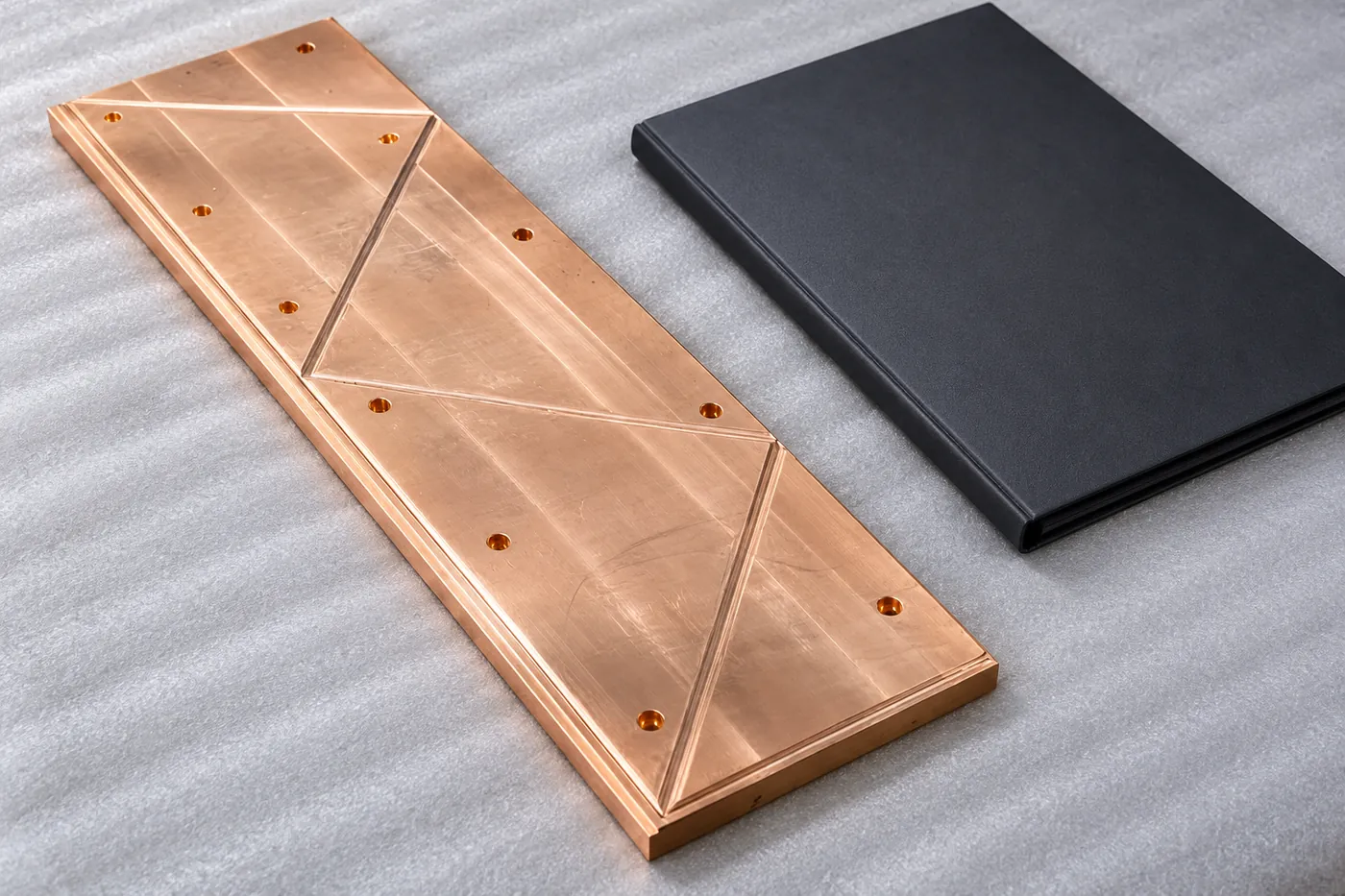
Retain the accepted drawing, alloy and relevant sample details. Mark any handed or similar variants separately so the next order refers to the correct working geometry.
07 · ORDER SCOPE
Quote a defined sliding component
Bring the material, finished faces, grooves and required records into the quotation. Make missing mating information visible before the manufacturing package is released.
Technical notes
Show the mating guide, contact length, sliding direction and retention arrangement. Describe the environment, including dust or abrasive contamination. A slider's outside dimensions alone do not define how it will carry load or avoid binding in service.
| Package | Agreement |
|---|---|
| Geometry | Controlled working and mounting features |
| Manufacture | Blank, machining and supplied condition |
| Approval | Required component and application review |
CONNECTED BUYING GUIDES
Continue with the next project decision
Follow the related component and purchasing guides, or open the catalogue reference to carry this requirement into a specific project enquiry.
RELIA · YOUR NEXT PROJECT
Send the working-face and mating requirements
Share the drawing, selected alloy, quantity and relevant mating information. Add the movement and acceptance requirements. We can review the slider manufacture and finished-condition scope with your team.
Start with these project details
- Slider and guide geometry
- Selected alloy and quantity
- Movement and lubrication conditions
- Clearance and acceptance requirements
Shuyuan Road, Qingdao, Shandong, China
