
CUSTOM MANUFACTURING · PROJECT REVIEW
Custom Gravity-Casting Moulds for Copper-Alloy Faucet Bodies
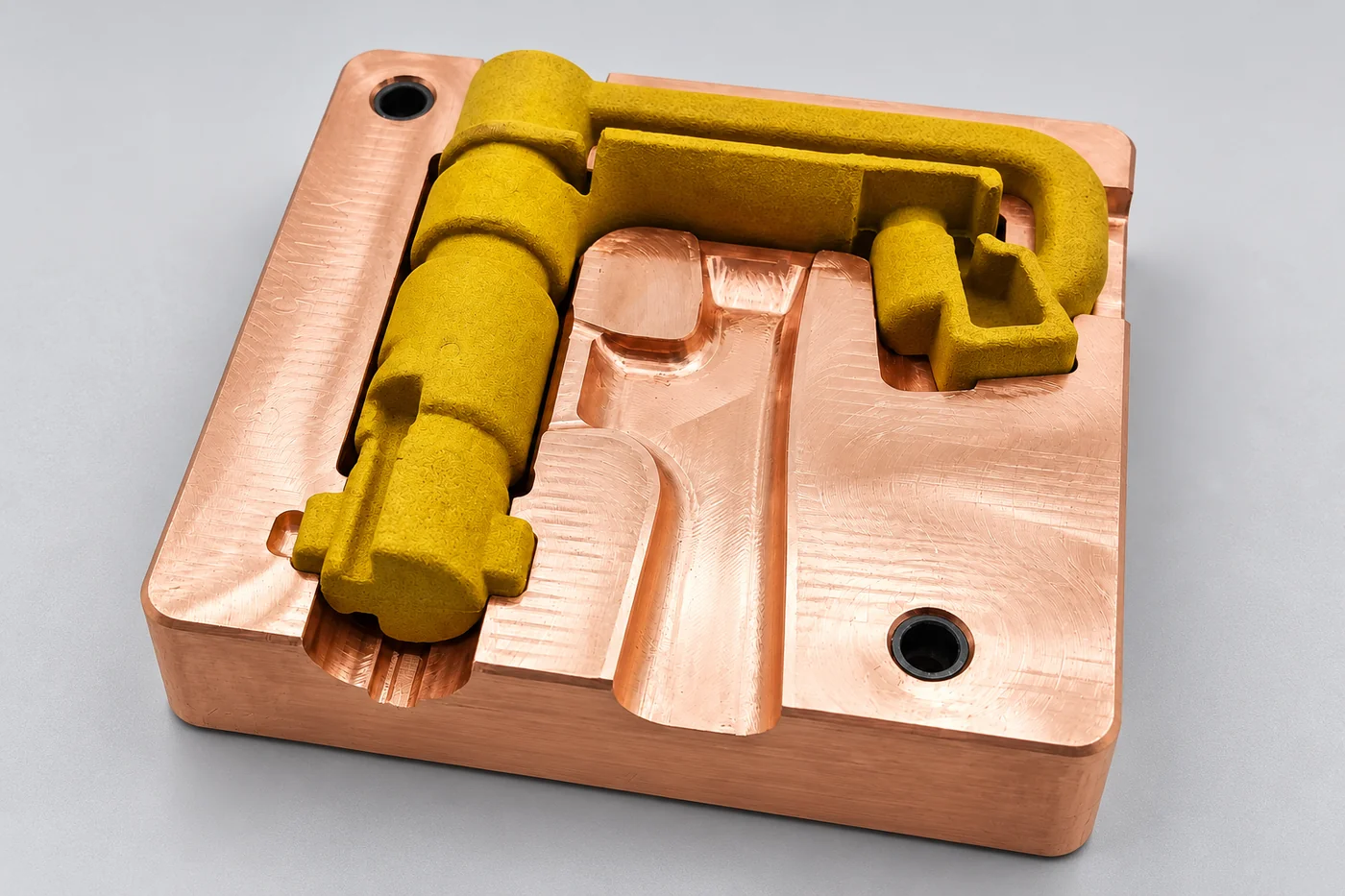
A faucet-body mould needs to reproduce the target copper-alloy casting and support its removal. Relia reviews the part geometry, cores, machine interface and trial requirements, with tooling ownership and supplied scope clearly agreed.
RELIA · PRODUCT AND MANUFACTURING SUPPORT
Separate mould supply from faucet-body supply
Relia's related mould reference identifies customized gravity-casting tooling for a copper-alloy body. Relia's technical review resolves the actual mould construction, inserts and machine interface from your faucet model. The purchase can then specify the tool, core arrangement and trial deliverables without assuming that a mould listing includes a complete casting cell.
| Your requirement | Relia product and service scope |
|---|---|
| Scope | Custom gravity-casting mould for copper-alloy body |
| Core inputs | Part geometry, alloy, cores and machine interface |
| Tool review | Parting, gating, venting, inserts and removal |
| Acceptance | Defined trial castings and finished-body requirements |
02 · PART REQUIREMENT
Define the target copper-alloy casting
- Target casting
- Provide the component model and selected copper alloy.
- Finished features
- Separate moulded geometry from later machining.
Provide the component model, selected alloy and finished features. Identify the geometry formed by the mould and any machining expected after casting.
Technical notes
Review parting, core location, gating, venting and removal with the proposed process. Agree the mould material and inserts for the actual thermal duty. The order should identify who supplies cores, fixtures and any replacement wear parts rather than assuming a complete casting cell is included.
MANUFACTURING ROUTE · FEATURES AND CONTROL
Design the Tool Around Filling, Cores and Removal
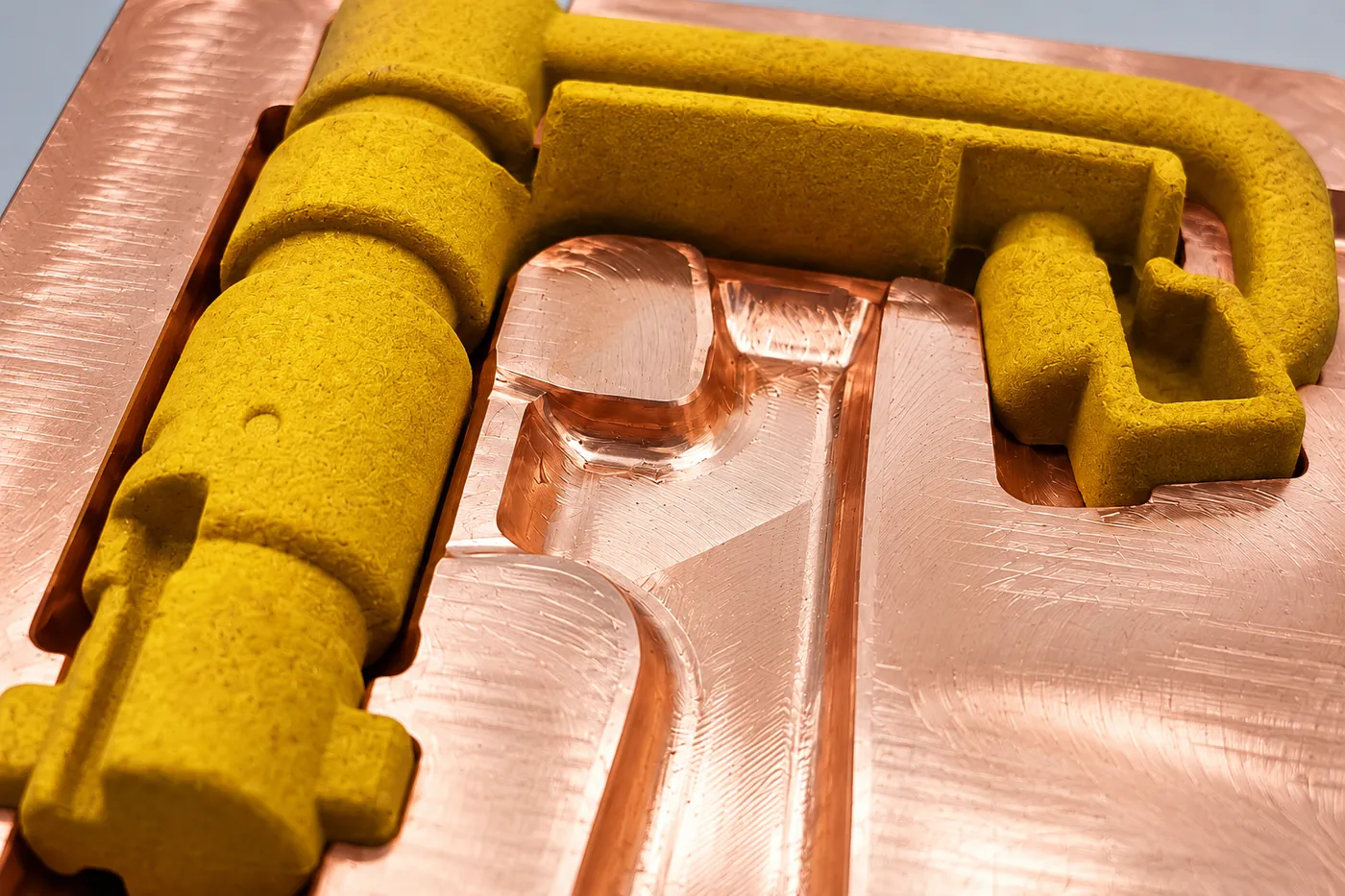
The mould design defines parting and core location so the faucet body's waterway and external form can be produced and removed. Gating and venting support filling, while inserts and the selected tool material follow the actual thermal duty. Relia's enquiry also identifies the casting-machine attachment and any core or fixture supply boundary. Trial castings are assessed for body geometry, internal passages and machining stock; a defined leakage check on the relevant finished body can be part of the agreed tool-approval evidence.
- Define the casting packageBody model, alloy, cores and machine interface
- Design the mouldParting, feeding, venting and inserts
- Run the agreed trialSpecified casting conditions and tool configuration
- Approve the body evidenceWaterway, dimensions, machining stock and required tests
04 · MOULD DESIGN
Review construction and core requirements
- Tool construction
- Review cavity, cores, parting and removal needs.
- Project agreement
- Define mould material and included construction scope.
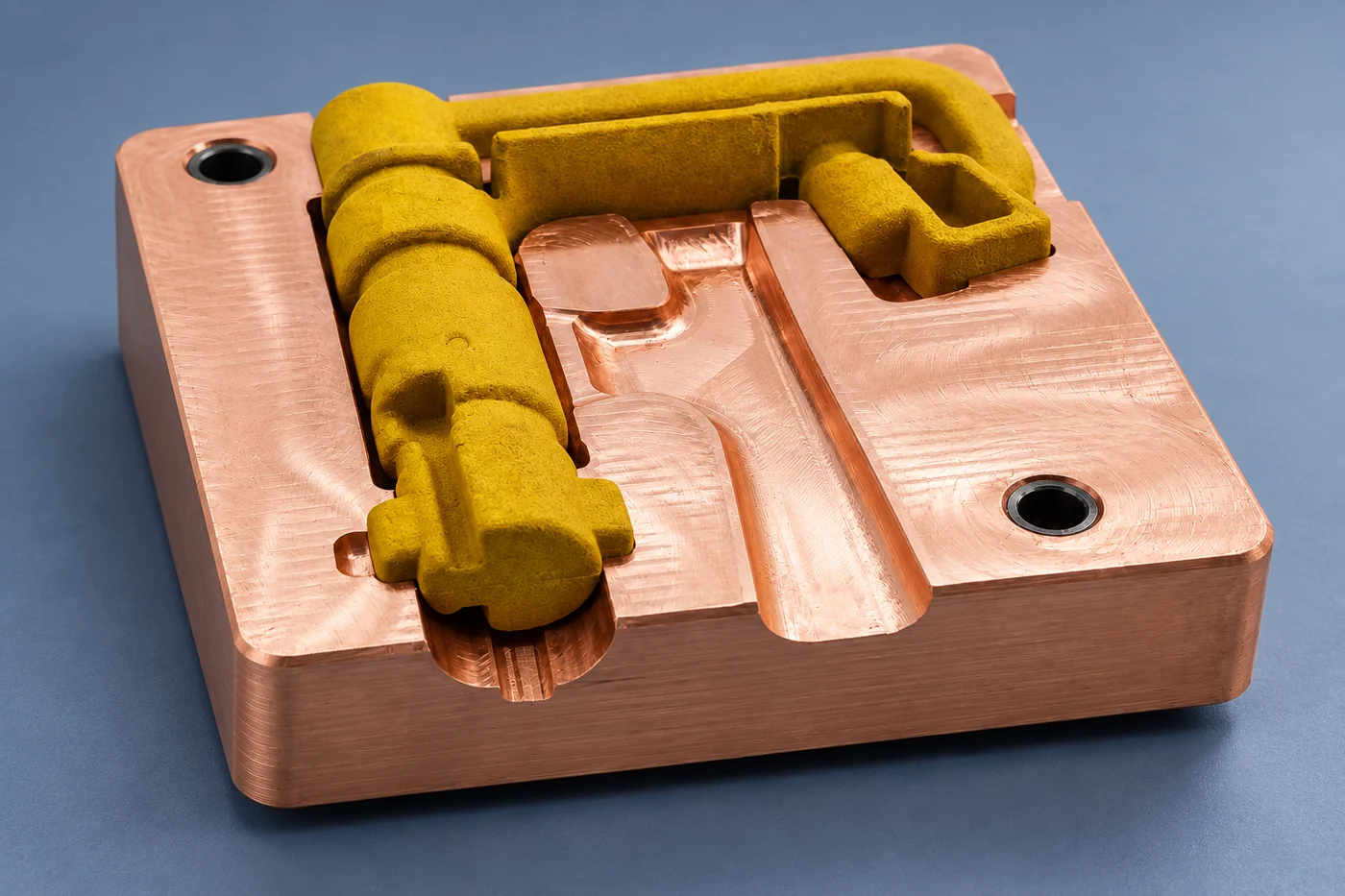
Identify the cavity, core and separation requirements your casting needs. The mould material and construction scope must be agreed for the project rather than inferred from a photograph or a mixed catalogue field.
05 · VALIDATION
Agree trials and acceptance outputs
Define trial-casting conditions and the features assessed on the sample body: wall geometry, waterways, machining stock and specified leakage. Mould approval and final faucet compliance are separate deliverables. Do not infer cavity count, tool life or potable-water compliance from the short listing.
06 · COMMERCIAL TERMS
Keep ownership and support scope explicit
- Tool ownership
- Clarify permitted design use and ownership terms.
- Support scope
- Agree maintenance responsibilities and any spare items.
Discuss ownership, permitted design use, maintenance responsibilities and any spare scope with the tooling enquiry. Tool life or support terms need their own agreed project basis.
07 · QUOTATION
Release one coordinated development package
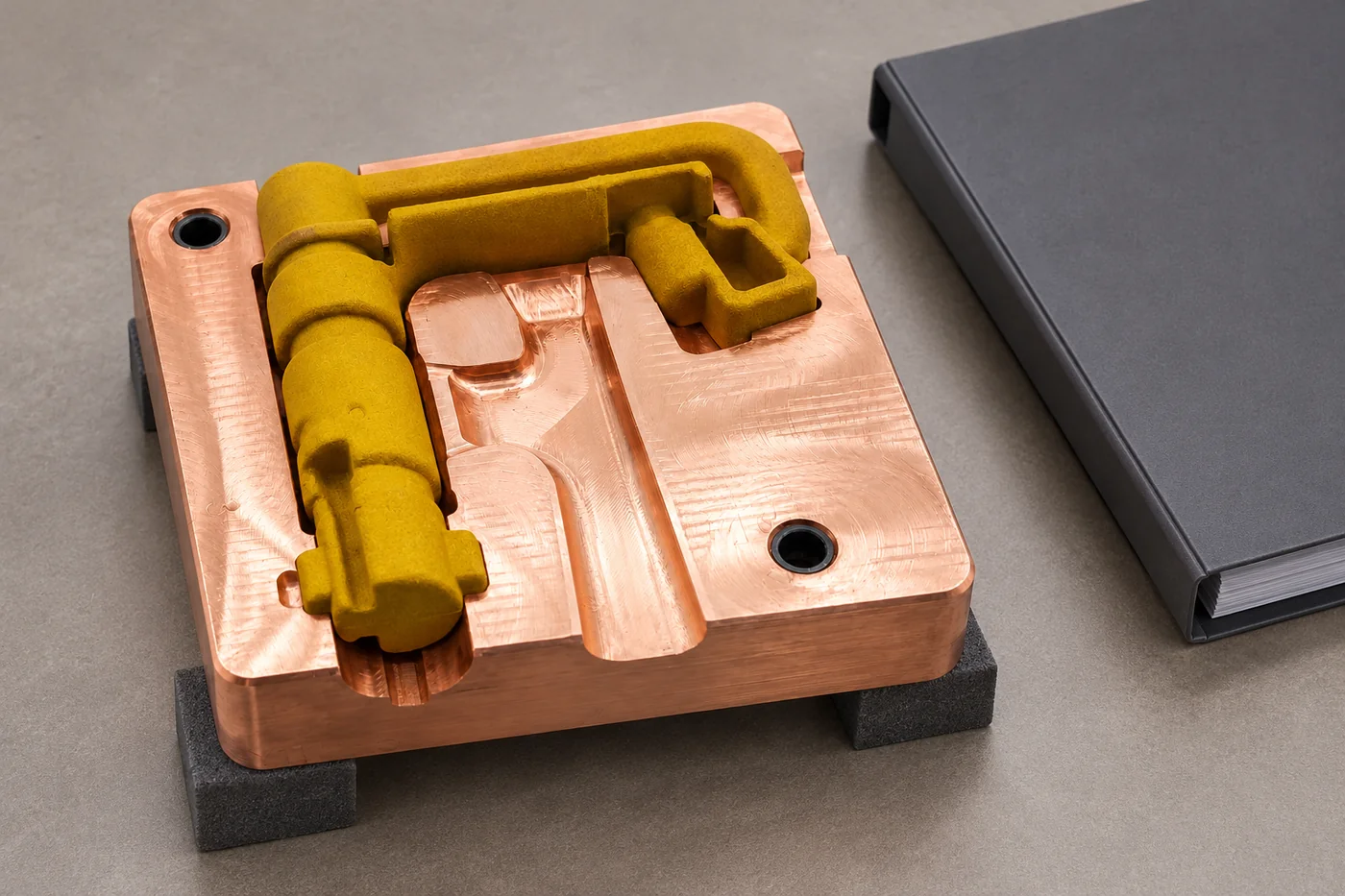
Bring the target casting, equipment interfaces, mould construction and acceptance plan together. Make open inputs visible before agreeing the development and trial quotation scope.
Technical notes
Provide the faucet-body model, alloy, core arrangement and the gravity-casting machine interface. Include desired cavity count and output expectations. A mould for a hollow waterway requires different considerations from a simple solid decorative part.
| Package | Retain |
|---|---|
| Casting | Current target model and alloy |
| Tooling | Construction and machine interfaces |
| Acceptance | Defined trials and required outputs |
RELIA · YOUR NEXT PROJECT
Send the faucet-body model and equipment interfaces
Share the target casting, selected copper alloy, equipment information and expected quantities. Add the required trials and tooling terms. We can review the mould-development and acceptance scope with your team.
Start with these project details
- Target casting and selected alloy
- Cores and machine interface
- Expected production quantities
- Trial acceptance and tooling terms
Shuyuan Road, Qingdao, Shandong, China
