Custom Copper-Alloy/Brass Sanitary-Ware Faucet Body Casting Mold for Concealed-Mixer Gravity-Casting Inquiries
Let’s define your requirement
Send a product link, drawing or short brief. We’ll work through the details with you.
- Confirm the specificationGrade or model, size and intended use.
- Define your orderQuantity, finish or configuration, and samples.
- Agree the quotation scopeIncluded work, key checks and delivery needs.
-
Shaping ModeDie Casting
-
Product MaterialCopperProductHousehold Product
-
Product NameGravity casting moldMould materialSteel Insole Mold
-
SizeCustomized SizeApplicationHousehold Product Mold
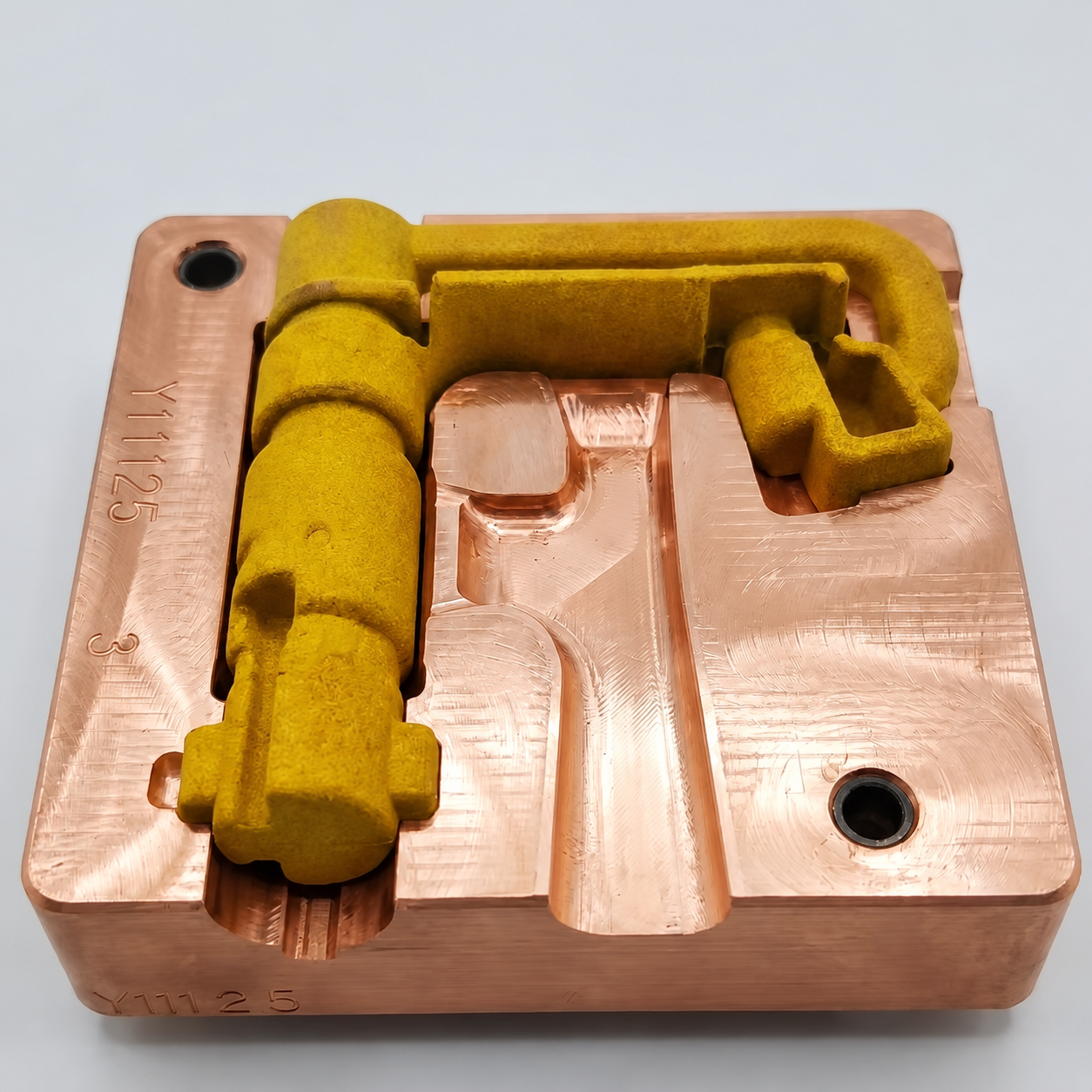
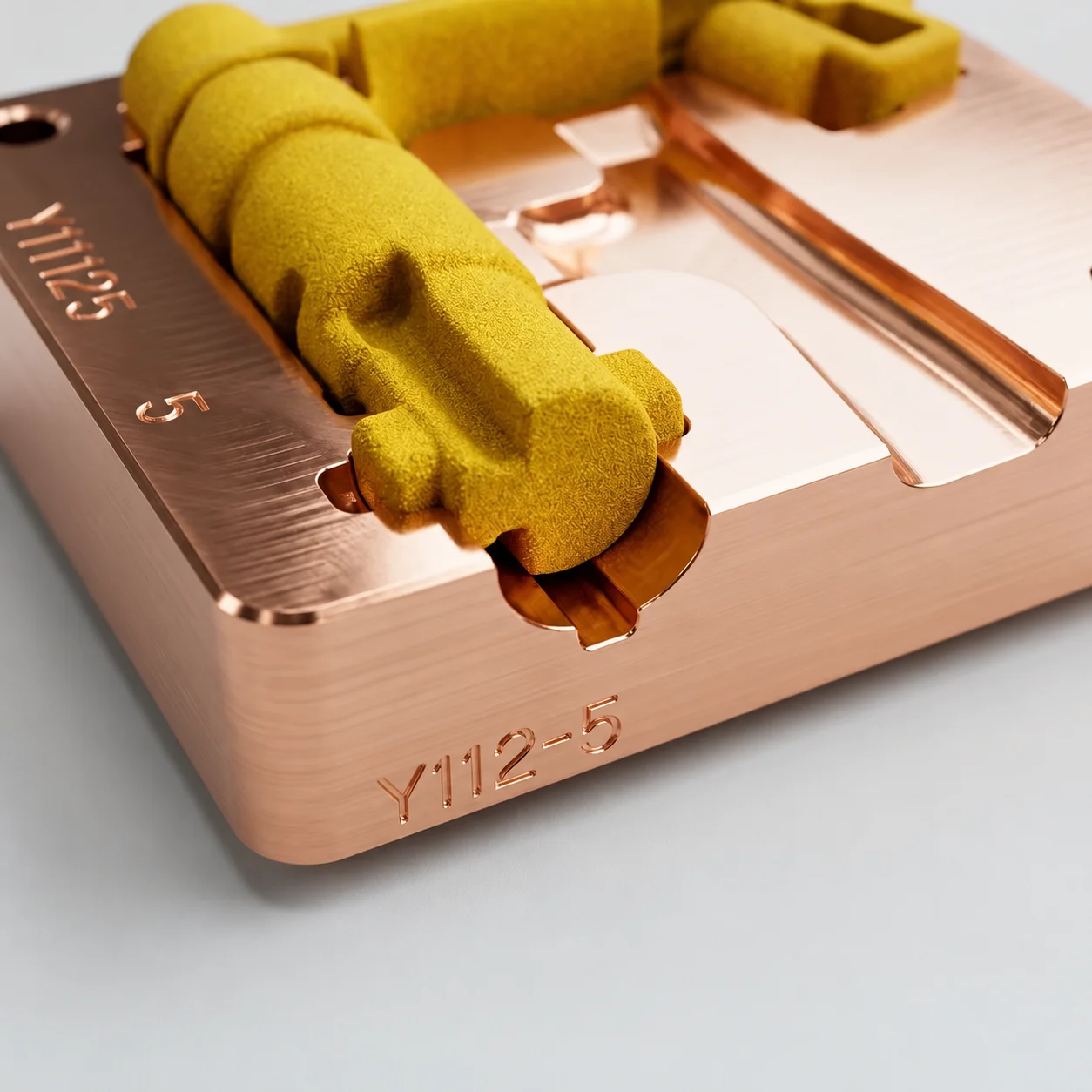
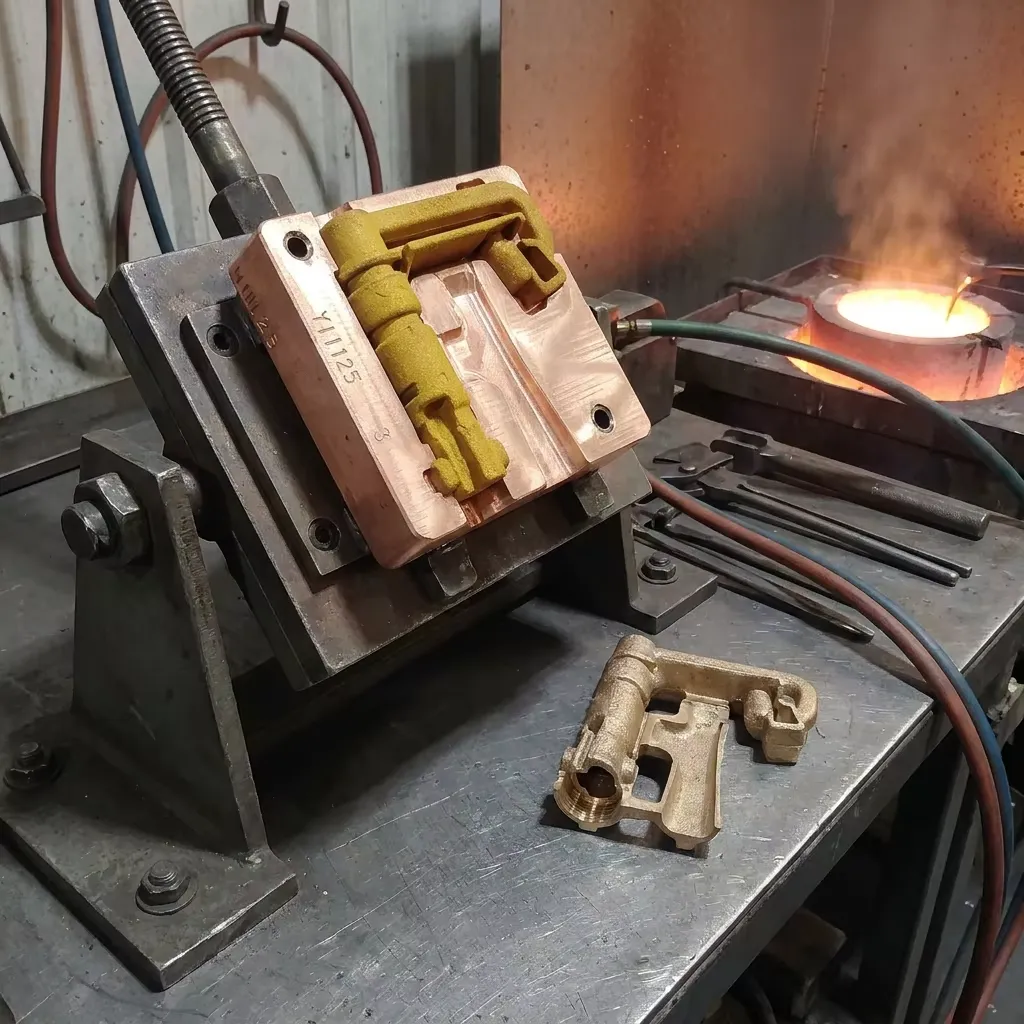
This custom casting-mold tooling offer concerns brass and copper-alloy sanitary-ware faucet bodies, with a concealed-mixer specification and customized size. The requested item is the mold for the cast household component. Its definition begins with the faucet-body geometry and the tooling requirements for the intended foundry process.
Faucet-body geometry drives the mold
Identify the exact faucet-body component the tooling is intended to form and define its required size. The component design gives the mold inquiry a specific target, so the external form and any design details can be reviewed together. A clear component reference also keeps the tooling discussion attached to the intended sanitary-ware part throughout the inquiry.
Concealed-mixer specification
The concealed-mixer specification provides an additional way to identify the requested project. Connect that specification to the actual component geometry and its dimensional requirements, including the details that distinguish it from another faucet-body design. This makes the custom-size request more useful than a general mold description, while leaving the precise tooling layout to be agreed for the intended component.
Tooling process and material agreement
For a gravity-casting inquiry, agree the intended casting route and the mold design explicitly before selecting the tool. The cast-product alloy and the tooling material are separate requirements, so identify both for the foundry project. Review the mold against the intended equipment and agree the dimensional acceptance that will be used for the tooling and component.
A focused sanitary-ware mold inquiry therefore connects the concealed-mixer or faucet-body design with the requested size, process and tooling material. Those decisions give the foundry discussion a coherent definition without assuming a mold material, equipment interface or precision value that has not been agreed.