
CUSTOM MANUFACTURING · PROJECT REVIEW
Horizontal CNC Lathes for Defined Metal Casting Workpieces
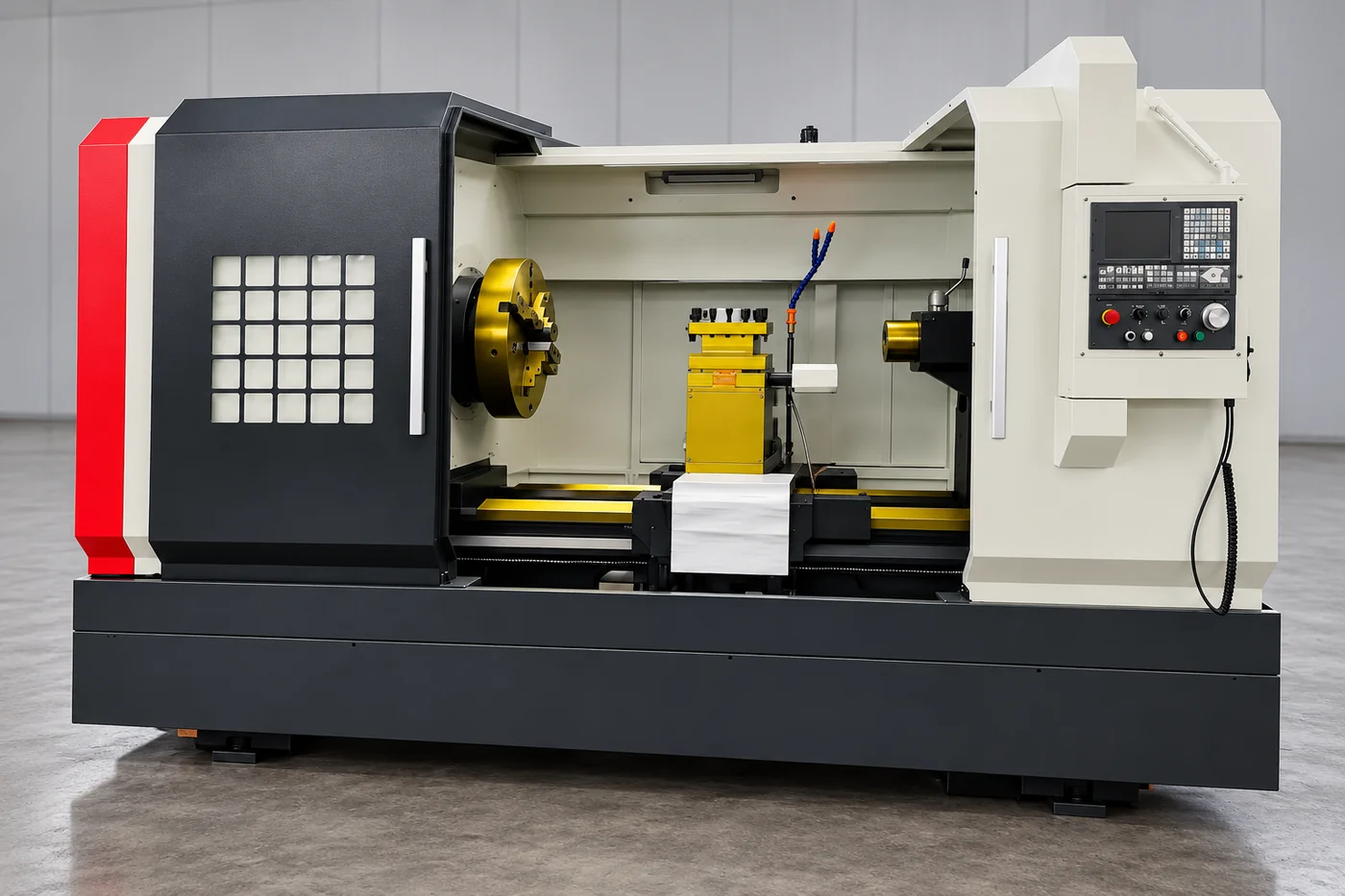
A CNC lathe enquiry starts with the casting that must be held and machined. Relia reviews workholding, cutting features, machine configuration and utilities, with acceptance based on a representative workpiece rather than isolated travel figures.
RELIA · PRODUCT AND MANUFACTURING SUPPORT
Define the casting and finished workpiece
Relia's CK61125 enquiry reference includes a 15 kW spindle, 50–2,400 rpm range and three-phase 380 V/50 Hz supply. Relia connects the selected configuration to workpiece diameter, length, mass and fixture arrangement. Swing, axis travel and usable cutting envelope are kept separate so your team can assess the actual casting rather than infer capacity from the model name.
| Your requirement | Relia product and service scope |
|---|---|
| Reference model | CK61125 horizontal flat-bed CNC lathe enquiry |
| Spindle reference | 15 kW; 50–2,400 rpm |
| Utilities | Three-phase 380 V/50 Hz reference |
| Acceptance basis | Confirmed configuration plus representative cutting trial |
02 · CHUCK AND SUPPORT
Review the actual workholding arrangement
- Holding surfaces
- Identify gripping locations, weight and support needs.
- Selected workholding
- Confirm chuck, fixtures and tailstock for the casting.
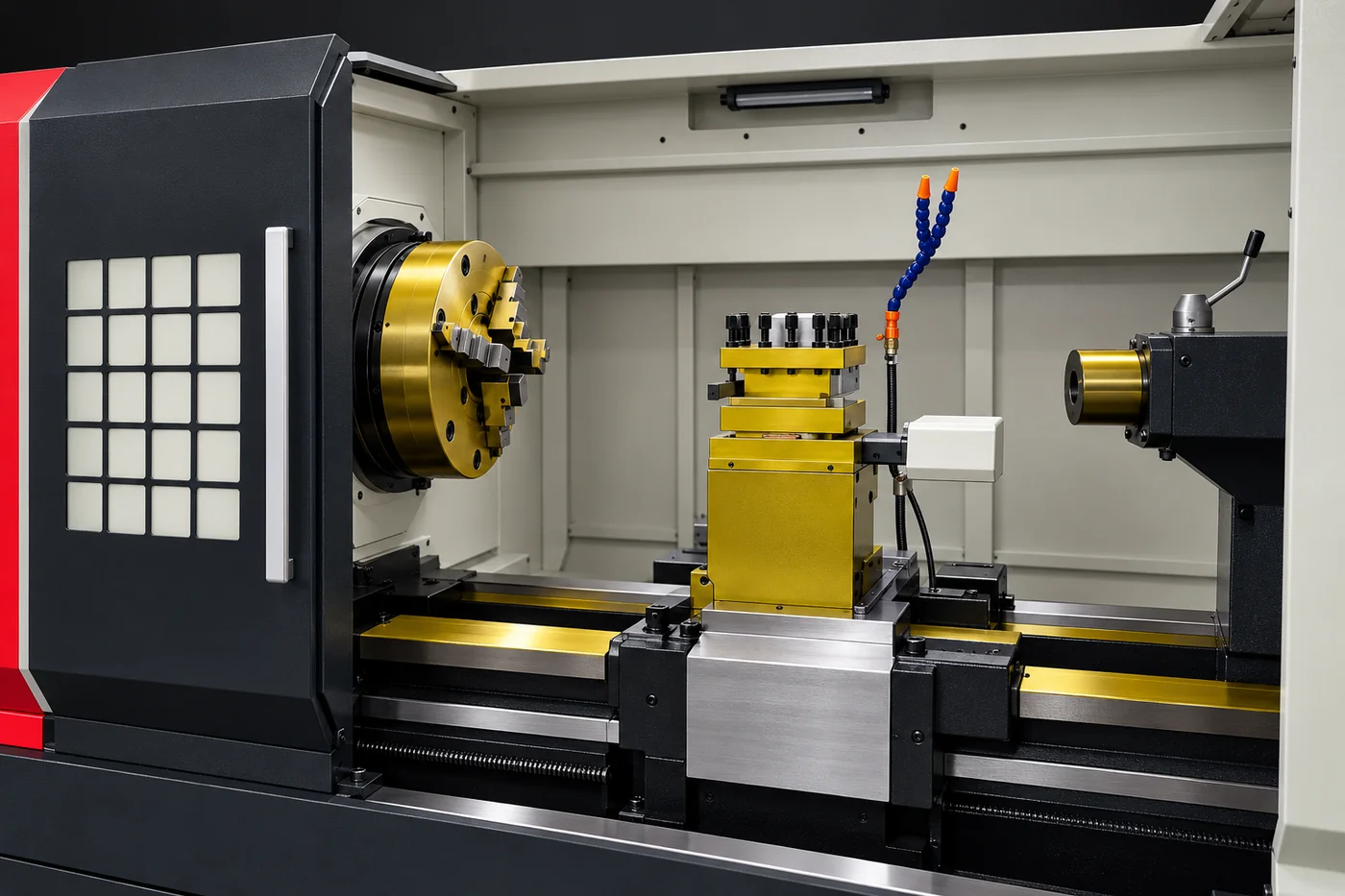
Provide the gripping surfaces, part weight and support needs. Confirm the selected chuck, fixtures and tailstock arrangement for the workpiece rather than assuming a machine family supplies every holding option.
Technical notes
Confirm spindle bore, chuck, centre distance, tool travel, tailstock and turret arrangement from the selected configuration. Positioning and repeatability figures describe different tests and are not the same as guaranteed finished-part tolerance. Cutting process and workholding also affect the result.
MANUFACTURING ROUTE · FEATURES AND CONTROL
Connect Workholding and Cutting to the Finished Casting
Casting machining starts with locating and clamping a variable near-net blank, then removing stock to establish the required faces, diameters or bores. Relia's equipment review considers the chuck/fixture, tool approach, interrupted cuts and stock condition together with spindle and axis configuration. Roughing and finishing may require different conditions and support. A representative cutting trial therefore checks the resulting features under the agreed setup. Positioning or repeatability figures describe machine tests and are not automatically the finished casting's dimensional tolerance.
- Define the casting setupEnvelope, mass, stock and fixture
- Confirm machine clearanceChuck, carriage, tool travel and support
- Plan the cutting taskRough/finish operations and tool access
- Accept using relevant workRepresentative part and agreed measurements
04 · SUPPLIED EQUIPMENT
Confirm the selected machine configuration
- Machine configuration
- Define axes, tool stations and control.
- Included items
- Separate options, tooling and support equipment.
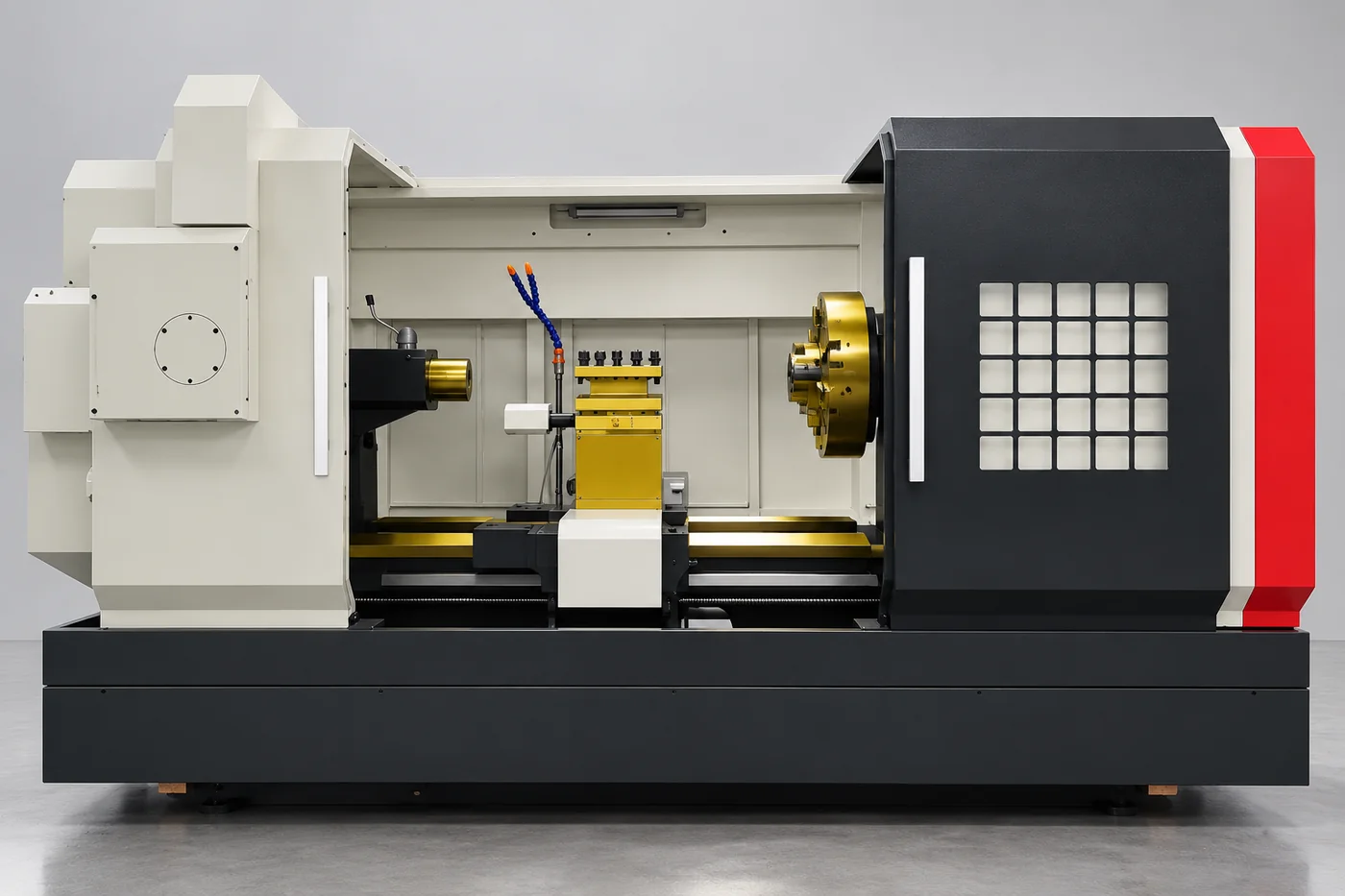
Identify the actual axis arrangement, tool stations, control and supporting items. Keep optional configurations and accessories separate so the quotation describes the machine you intend to receive.
05 · WORKSHOP
Prepare the installation and operator handover
Confirm electrical supply, placement and required services for the selected unit. Agree the installation documents, operating information and any training or commissioning work in the supply scope.
06 · ACCEPTANCE
Use a defined workpiece for acceptance
- Representative trial
- Agree the workpiece and measurement plan.
- Acceptance package
- Confirm electrical, installation and tooling requirements.
Use a representative workpiece and agreed measurement plan for acceptance. Confirm the electrical configuration, control, tooling and installation services. The catalogue's 500 mm workpiece-length field and 2,000 mm Z-travel field are not silently combined into a new machine specification.
07 · PURCHASING
Compare complete machining packages
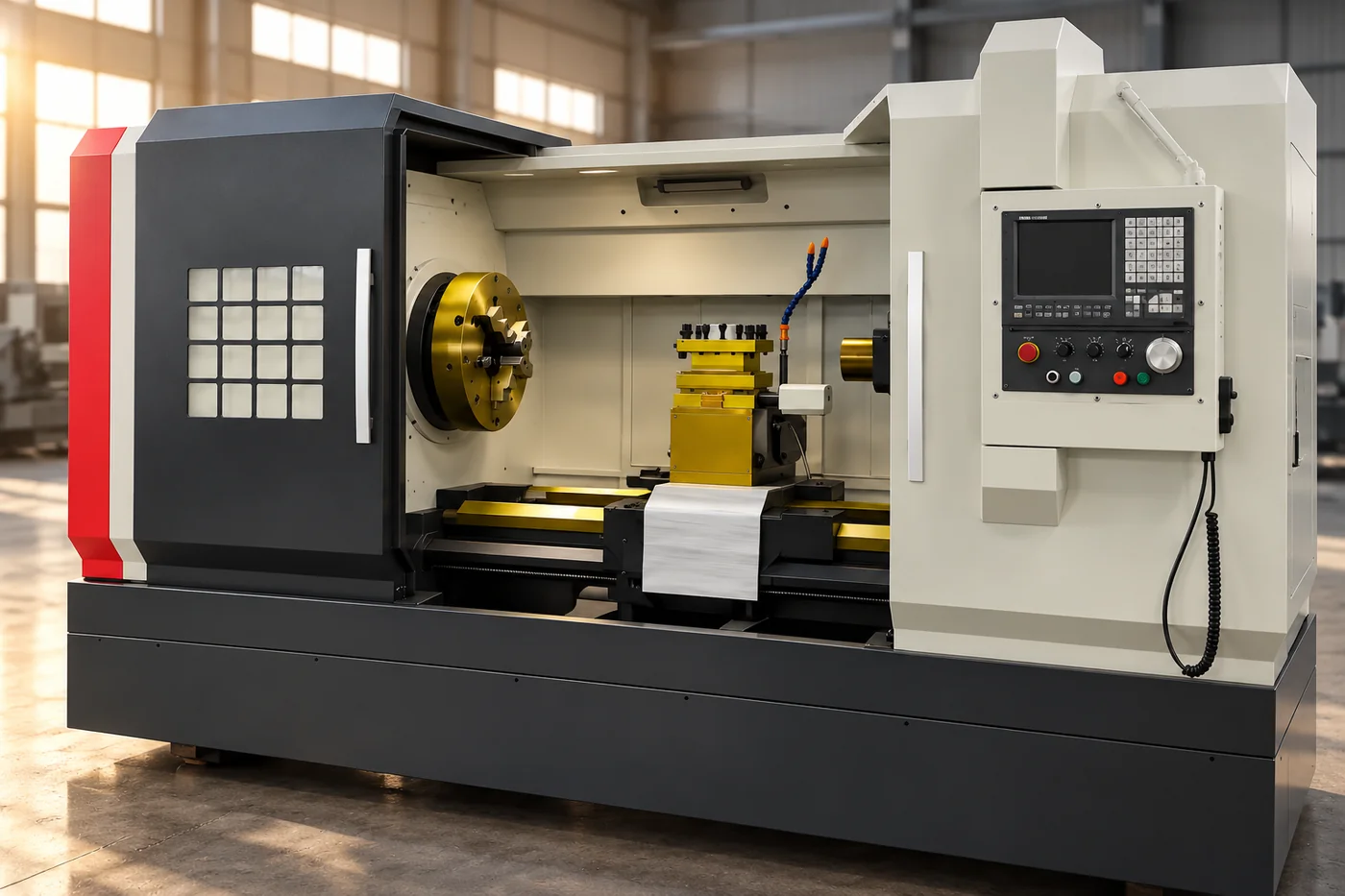
Keep the usable envelope, workholding, tooling and handover scope together. Clarify missing fixture or operation inputs before comparing equipment prices for different configurations.
Technical notes
Provide maximum casting diameter, length, mass and the proposed chuck or fixture. Include interrupted cuts, stock condition and the bores or faces to be finished. Swing over the bed does not establish swing over the carriage or usable machining clearance.
- Your partBlank and finished drawing
- ConfigurationWorkholding and required operations
- TrialAgreed setup and checks
- PackageMachine, accessories and handover
RELIA · YOUR NEXT PROJECT
Send the blank and finished-part requirements
Share the casting dimensions, material, weight and machining drawing. Add available utilities, required accessories and acceptance work. We can review a horizontal lathe configuration around the actual workpiece.
Start with these project details
- Casting size, weight and material
- Finished machining drawing
- Workholding and tooling needs
- Site supply and cutting acceptance
Shuyuan Road, Qingdao, Shandong, China
