
3D Metal Printing and Lost Wax Casting Rapid Prototyping Service | OEM ODM
Let’s define your requirement
Send a product link, drawing or short brief. We’ll work through the details with you.
- Confirm the specificationGrade or model, size and intended use.
- Define your orderQuantity, finish or configuration, and samples.
- Agree the quotation scopeIncluded work, key checks and delivery needs.
-
CNC Machining or NotNot CNC MachiningTypeRapid Prototyping
-
Material CapabilitiesAluminum, Stainless Steel, Steel AlloysMicro Machining or NotMicro Machining
-
PriceDepend on the 3D drawing and the post process requirement
-
Processing Typeslm SLA DLPMaterialRed Wax/High detail Resin
-
Surface treatmentDependsTolerance±0.2mm
-
OEM/ODMSupportQuality controlSupport
-
Product TypeCustomized serviceFile Format.stl
-
Keyword3D Rapid Prototyping
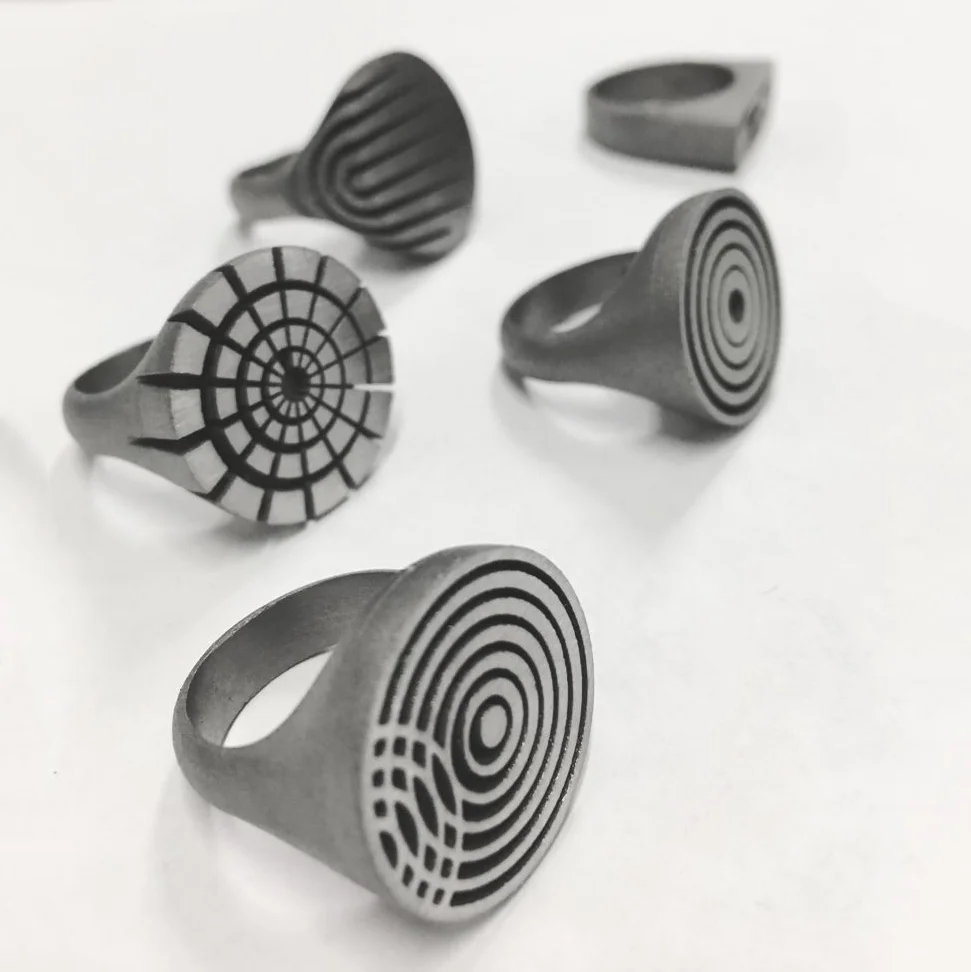
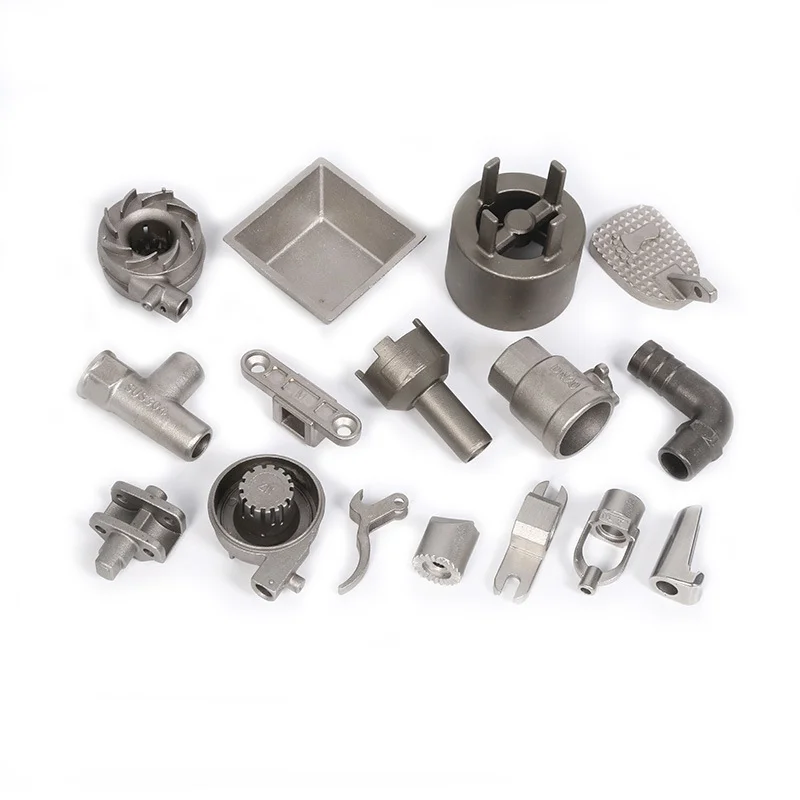
This customized service brings together 3D rapid prototyping enquiries, metal printing and lost wax casting requirements. STL is the supported file format, with OEM/ODM and quality-control support available. Begin by defining the item you need supplied: a prototype or pattern, a printed metal component, or a lost wax cast part.
Choose the deliverable before selecting the printing process
SLM, SLA and DLP are available processing choices. Red wax and high-detail resin are prototype material options, while the metal capability families include aluminum, stainless steel and steel alloys. Confirm the selected material and process for the intended deliverable, particularly where a pattern is one stage of a later casting project.
Use STL geometry to define the controlled details
A ±0.2 mm tolerance reference is available for the service. Identify the dimensions that need this control and agree whether acceptance concerns the supplied prototype, pattern or metal part. The STL geometry and requested post-processing should describe the required finished item clearly enough to assess those dimensional requirements together.
Agree the small-detail work and surface condition
Micro machining capability forms part of this non-CNC rapid prototyping service. Specify the actual small-detail operation and the surfaces affected when requesting it. Surface treatment depends on the post-processing requirements, so identify the desired condition for the chosen material and deliverable. Quality-control support can then be discussed against those agreed dimensions and surfaces, with the inspection needs tied to the supplied item.








