
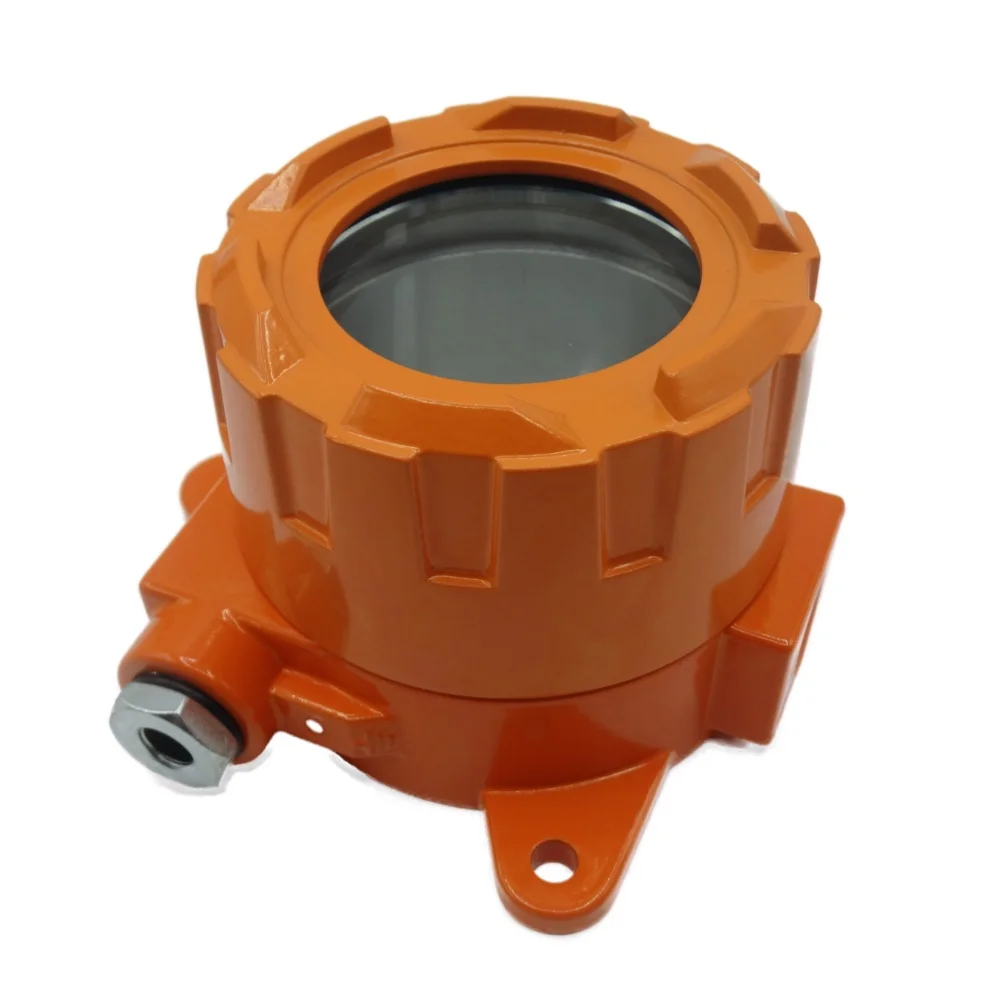
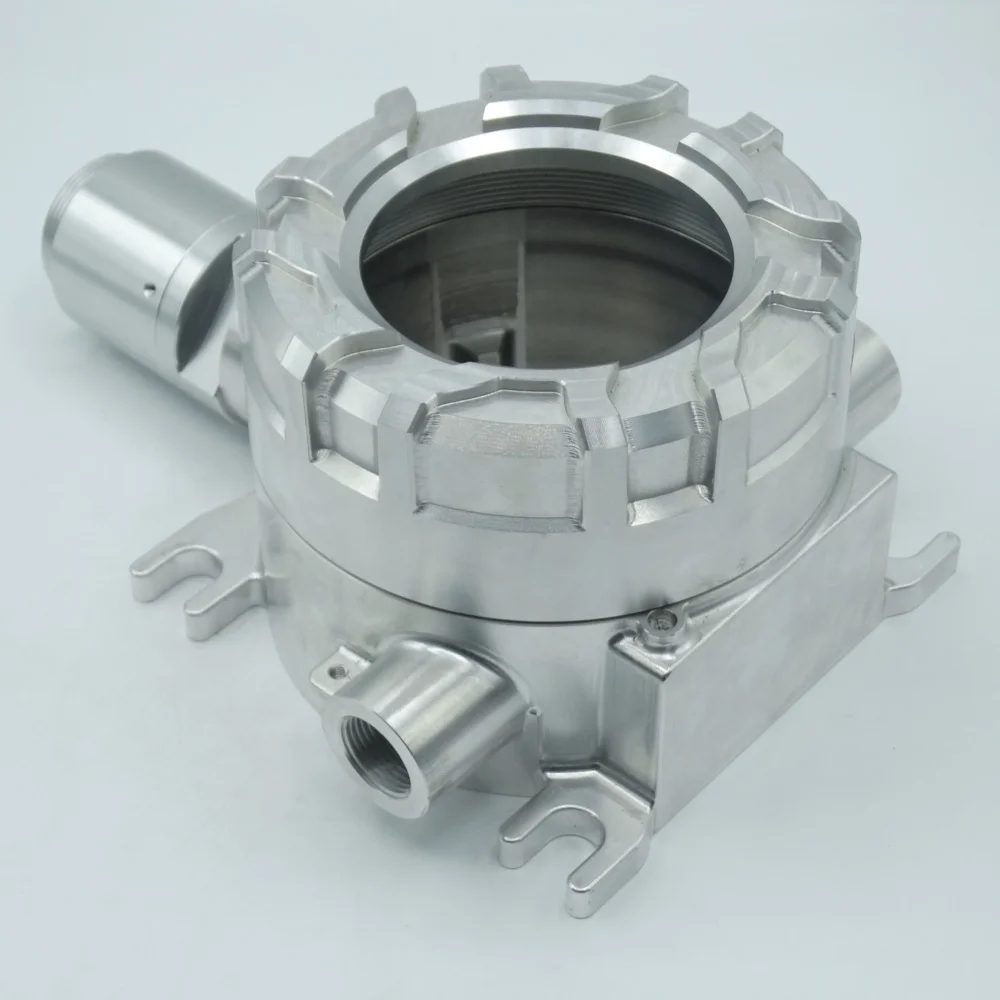
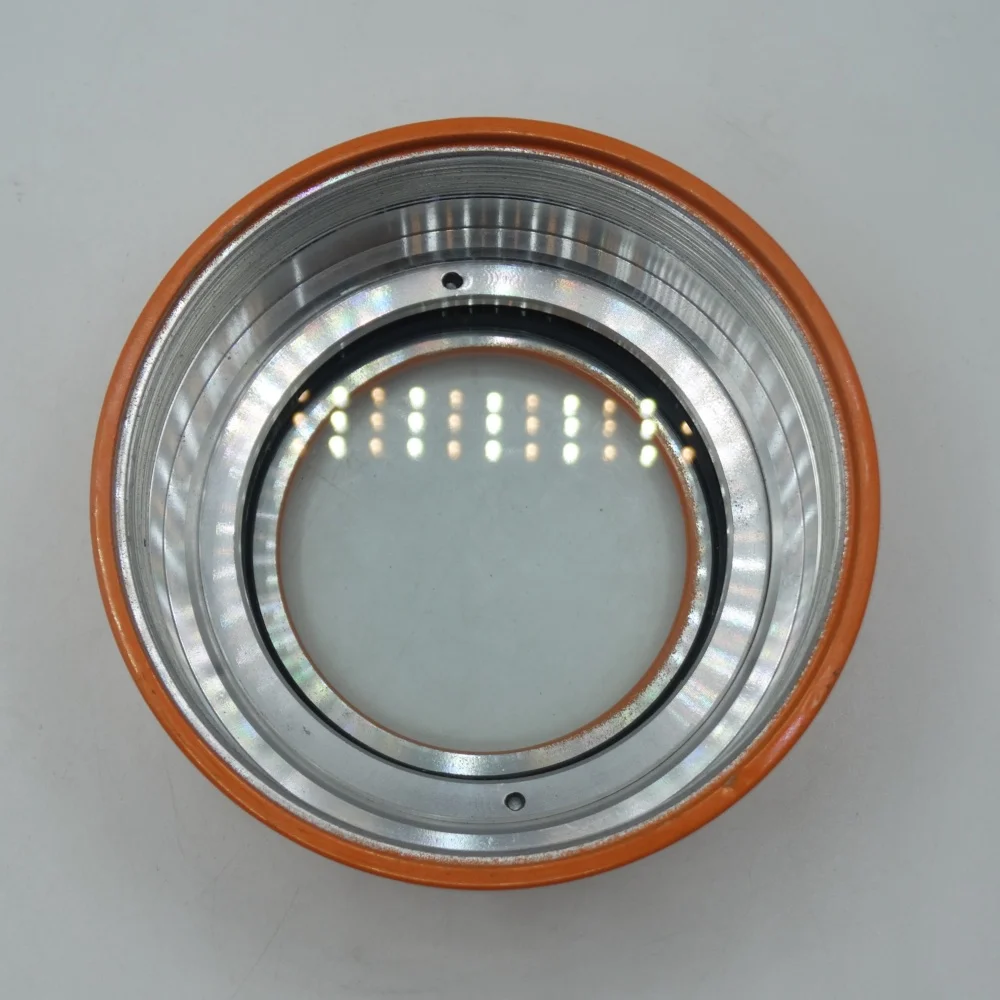
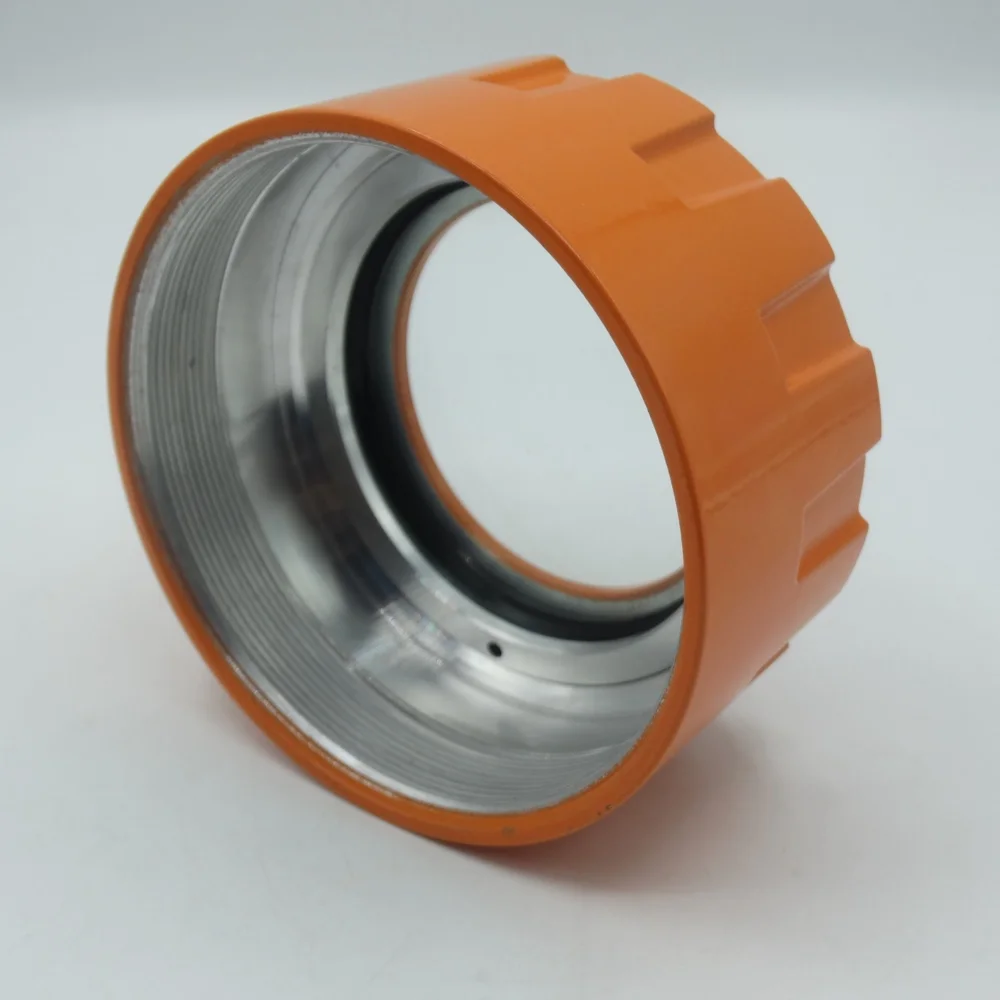
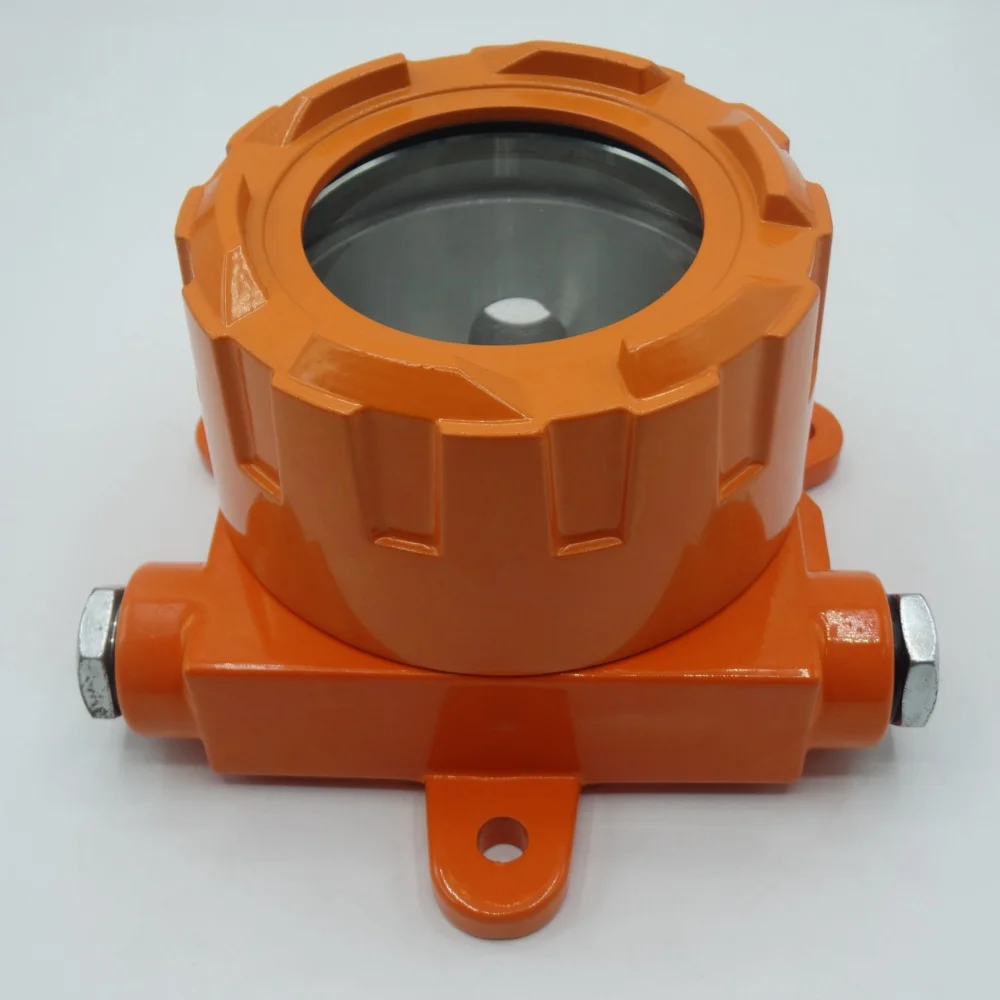
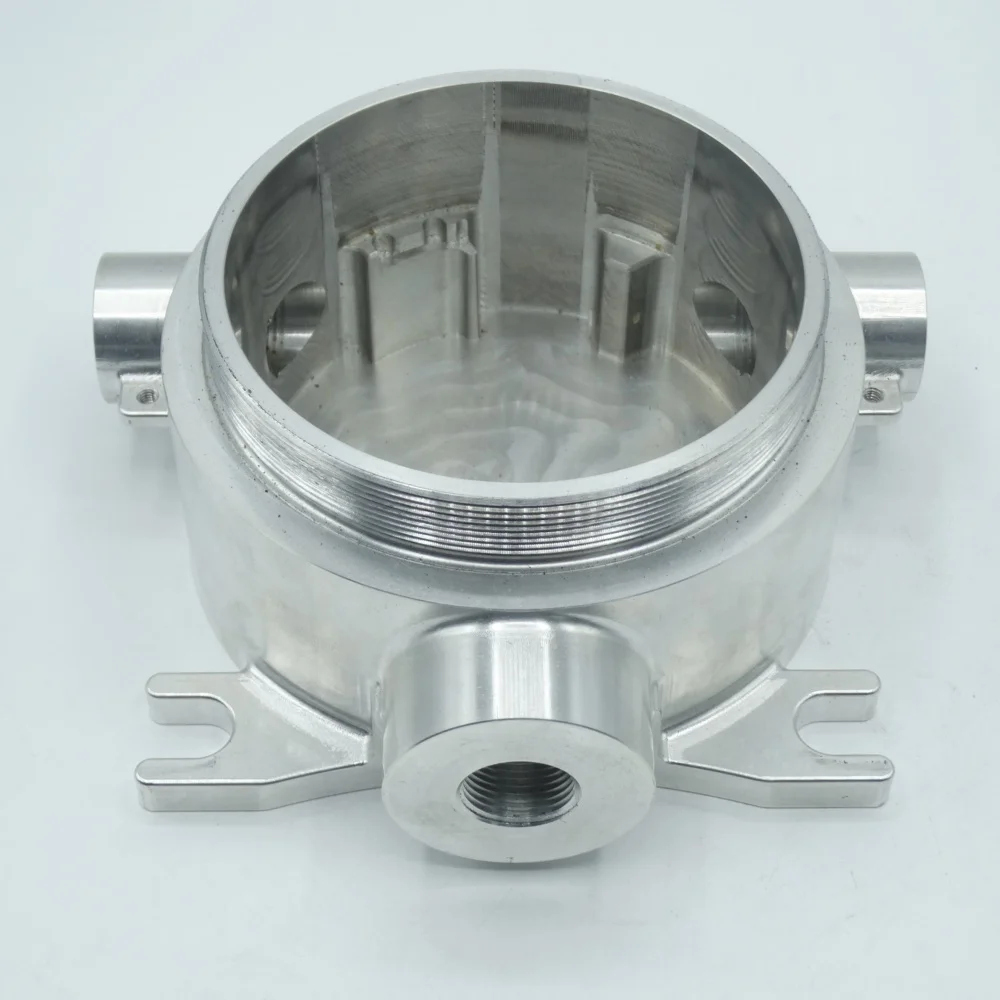
Custom CNC Machined Instrument Enclosures, Junction Boxes and Electrical Housings with Drawing-Based Sizes
Let’s define your requirement
Send a product link, drawing or short brief. We’ll work through the details with you.
- Confirm the specificationGrade or model, size and intended use.
- Define your orderQuantity, finish or configuration, and samples.
- Agree the quotation scopeIncluded work, key checks and delivery needs.
-
Component FormHousing / Enclosure
-
CNC Machining or NotCNC MachiningTypeBroaching, Drilling, Etching / Chemical Machining, Laser Machining, Milling, Other Machining Services, Turning, Wire EDM, Rapid Prototyping
-
Material CapabilitiesAluminum, Brass, Bronze, Copper, Hardened Metals, Precious Metals, Stainless Steel, Steel AlloysMicro Machining or NotMicro Machining
-
MOQ1 Piece
-
tolerance+/-0.01mm~+/-0.05mmSizeCustomized Sizes Acceptable
-
MaterialCustom machining of metals, plastics, compositesSurface treatmentCustomer's Request
-
ServiceCustomized OEMApplicationAny industry
-
Product nameProfessional Precision Cnc Machining PartsDrawing formatSTEP,STPIGS.CAD.PDF.DWG.DXF etc or samples
-
KeywordCnc Machining Parts Cnc Machining Service
A custom instrument enclosure or junction-box housing needs its material, geometry and electrical application requirements defined together. This OEM CNC-machining service supports custom sizes and component work, with a one-piece minimum and machining operations selected for the enclosure design.
Set the instrument and junction-box component scope
Aluminum, brass, bronze, copper, hardened metals, precious metals, stainless steel and steel alloys are within the material capability range. Broader metal, plastic and composite requests can also be assessed for the component. Select the actual material and define the housing geometry before comparing machining proposals for the instrument or electrical assembly.
Match operations to the enclosure geometry
The machining scope includes broaching, drilling, etching or chemical machining, laser machining, milling, turning, wire EDM and rapid prototyping. Micro-machining is also part of the work discussion. Identify the operations and surfaces relevant to the particular enclosure so those capabilities become a defined component scope rather than an assumed sequence of every available process.
Assign tolerance to the actual interfaces
The tolerance range is +/-0.01mm to +/-0.05mm, with custom sizes and surface treatment following customer requirements. Allocate the required tolerance to the dimensions that control the housing's relationship to the assembly. STEP, CAD, PDF, DWG or DXF drawings, or a sample, can provide the component reference; confirm any additional format needed for the project.
Establish the electrical application requirements
For work involving hazardous areas or explosion protection, the required classification and applicable enclosure/assembly approval documents belong in the selection criteria. Confirm the design and scope covered by those documents before choosing the component for that use. Keep electrical application acceptance alongside the material, dimensional and surface requirements for the custom housing.








