Rapid Prototyping with SLS SLA Printing, ABS, Urethane and Silicone Vacuum Casting
Let’s define your requirement
Send a product link, drawing or short brief. We’ll work through the details with you.
- Confirm the specificationGrade or model, size and intended use.
- Define your orderQuantity, finish or configuration, and samples.
- Agree the quotation scopeIncluded work, key checks and delivery needs.
-
Surface FinishPainted , Polished
-
Material CapabilitiesAluminum, Brass, Bronze, Copper, Hardened Metals, Precious Metals, Stainless Steel, Steel Alloys, ABS, POM, PP, PC, PE, PA(Nylon),etcLead time3-5days
-
Colorcan be customizedMaterials AvaliableABS, POM, PMMA, PP, PC, PE, PA, PPS, PVC, Aluminum, Brass, Copper, etc
-
MOQ1 pieceFiles formatcad igs stp stl x-t
-
Surface treatmentpolish, painting, silk-printing, UV coating, electroplating,etcBusiness typeOEM manufacturer
-
Tolerance±0.1mmApplicationCar, Household Appliances, Furniture, Commodity, Electronic,etc
-
Keywordvacuum castingCNC Machining or NotNot CNC Machining
-
TypeBroaching, Drilling, Etching / Chemical Machining, Laser Machining, Milling, Turning, Wire EDM, Rapid PrototypingMicro Machining or NotMicro Machining
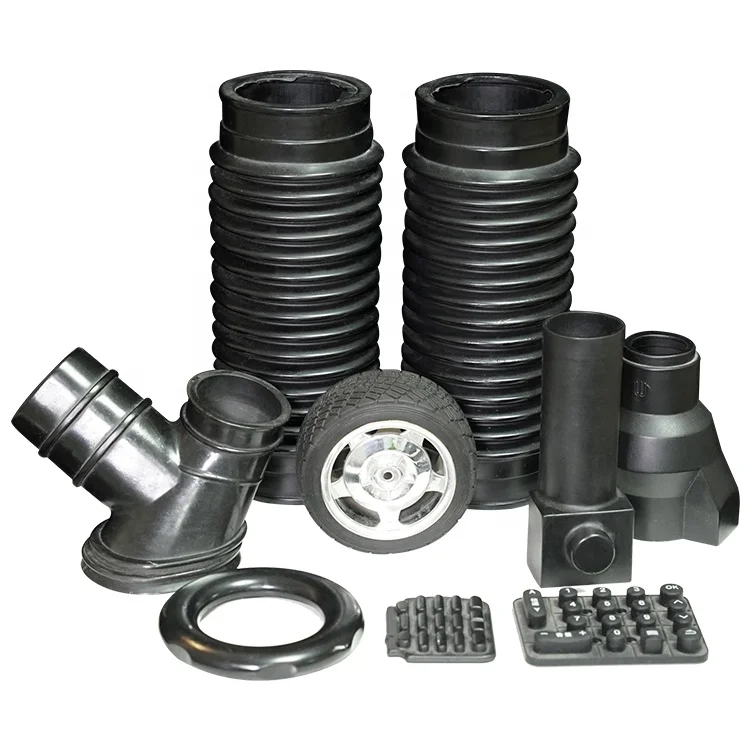
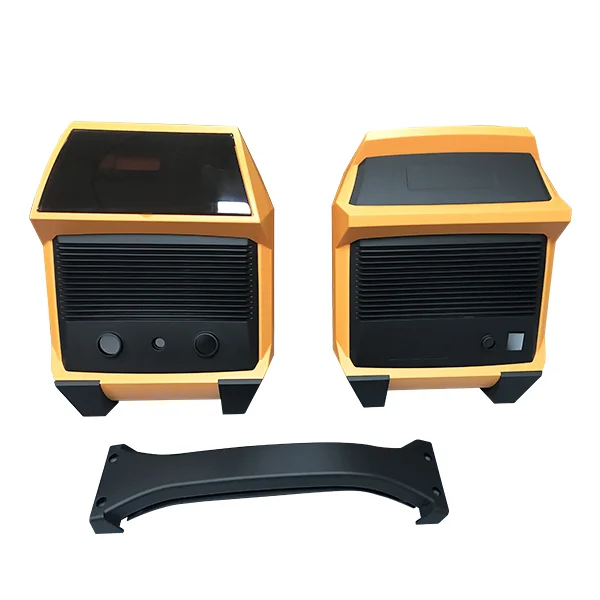
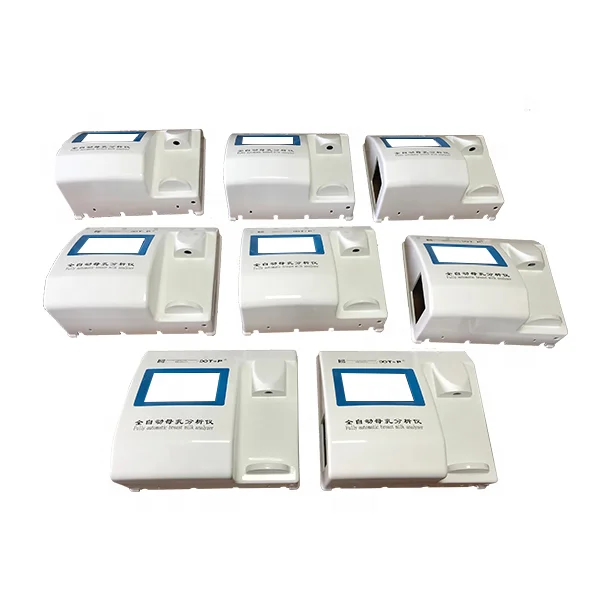
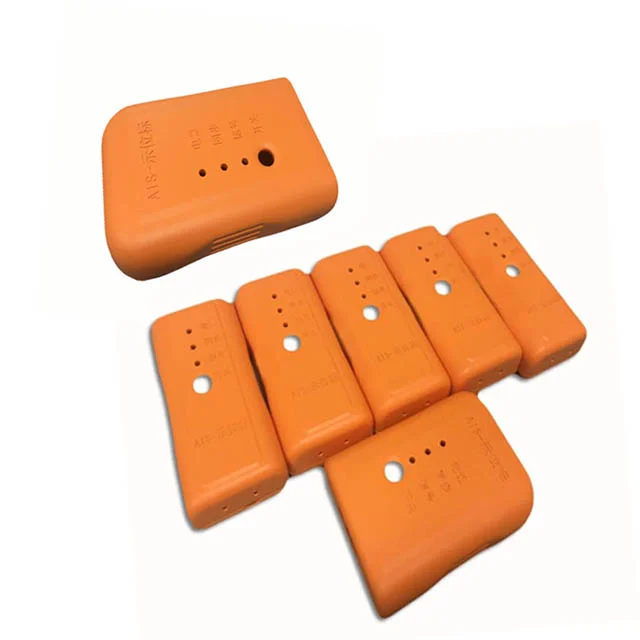
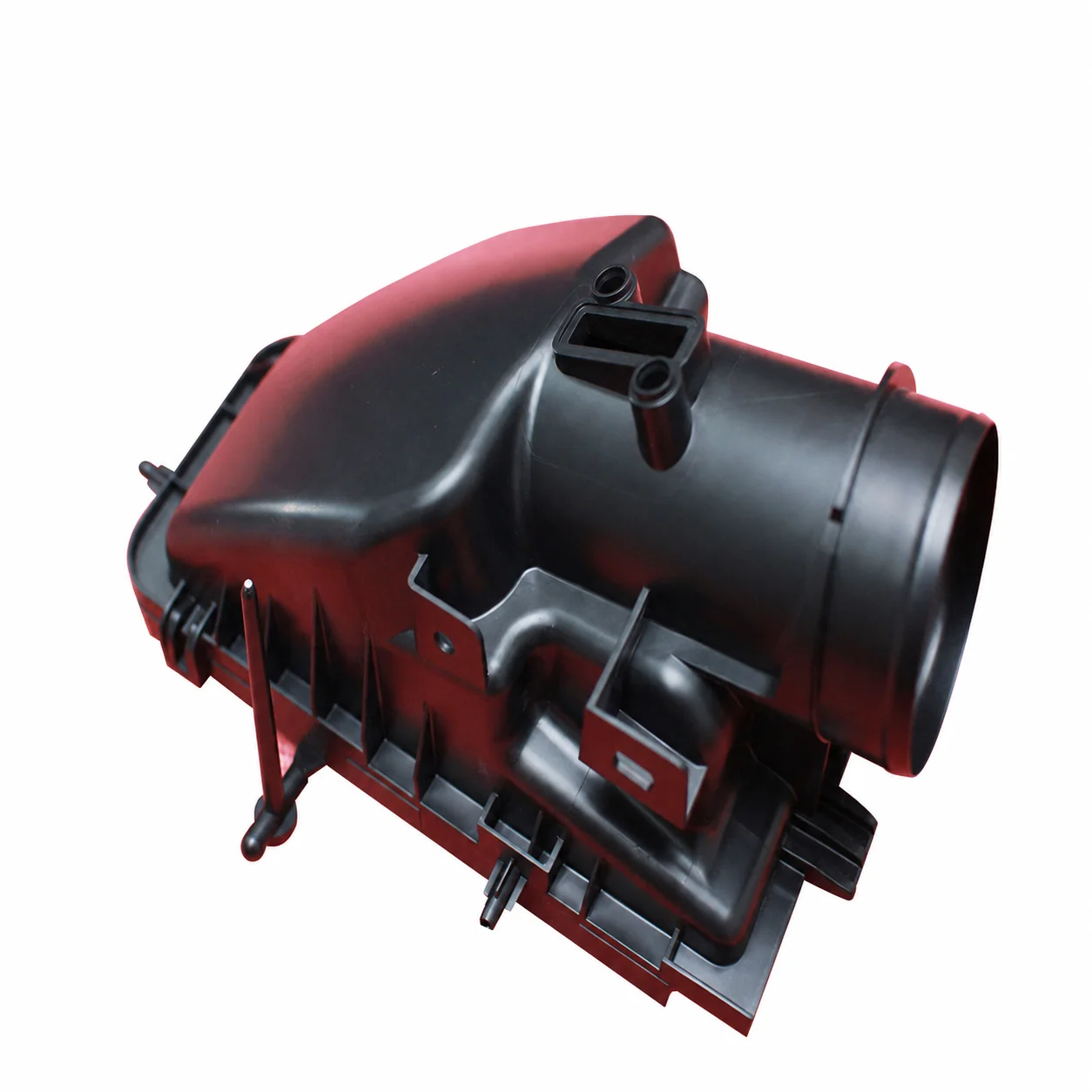
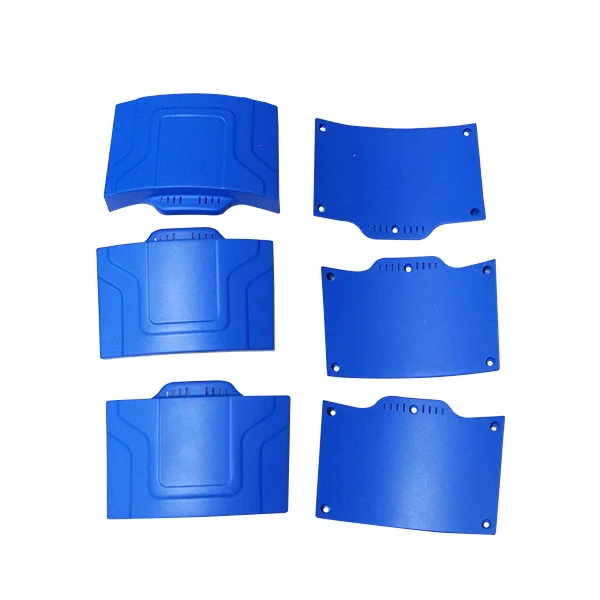
Rapid prototype requests span SLS/SLA 3D printing, ABS prototypes, urethane casting, soft rubber and silicone-molding/vacuum-casting directions. OEM requests can include customized color and selected surface treatments, with a minimum order of one piece.
Select a route for each requested prototype
Start with the part's intended purpose and choose the actual material and process for that geometry. Agree the allocation of printing, molding or vacuum casting, together with the scope of any CNC or other secondary work. This makes each prototype request specific even when several different methods are being considered within the project.
- Printed prototype direction
- Identify the chosen SLS or SLA route and the actual material for the part.
- Molded or cast prototype direction
- Define the selected material and silicone-molding or vacuum-casting scope.
Describe the details that determine acceptance
The dimensional tolerance direction is ±0.1 mm, with the relevant dimensions and acceptance method to be agreed. Locate any small features that need particular attention and identify their relationship to the rest of the model. Broaching, drilling, chemical or laser work, milling, turning, wire EDM and micro-feature work are further scope directions to clarify for the requested part.
Develop color and surface presentation
Polishing, painting, silk printing, UV coating and electroplating are finish choices to consider for the actual material. Specify the custom color and the surfaces covered by the treatment. Keep those appearance requirements with the dimensions and assembly relationships that the prototype is intended to demonstrate.
Prepare geometry for a defined project
CAD, IGS, STP, STL and X-T files can describe the prototype. Car, household appliance, furniture, commodity and electronic projects are application directions, while broader plastic and metal requests need their own suitable process allocation. Supply the model with its selected material, route and final acceptance requirements.