Precision Lost-Wax Investment-Casting Services | CNC and Vacuum-Casting Work, Plastic/Metal Prototypes, Injection Molding and Rapid Tooling
Let’s define your requirement
Send a product link, drawing or short brief. We’ll work through the details with you.
- Confirm the specificationGrade or model, size and intended use.
- Define your orderQuantity, finish or configuration, and samples.
- Agree the quotation scopeIncluded work, key checks and delivery needs.
-
Surface FinishPainted , Sandblasted
-
ColorUp to your decision
-
Metal MaterialAluminum, Brass, Bronze, Copper, Steel...ProcessCNC Macining, Vacuum Casting...
-
Surface treatmentPolishining,Painting,Andozing, Silkscreen, Sandblasting, TextureServiceCNC Plastic/Metal Prototype Machining, Injection Molding Process
-
ApplicationPrototype Development, Low-Volume Production & Rapid ToolingKeywordAutomotive, Medical, Digital Prototyping, Appliance Prototyping
-
EquipmentCMM, CNC Machines, CNC Mill & Turn & Lathe, Wire Cutter, RIM
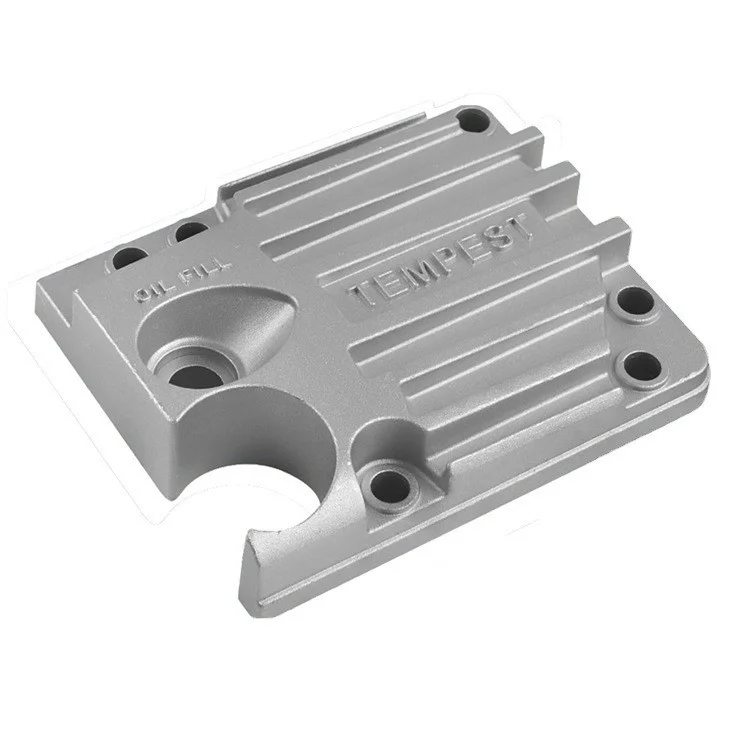
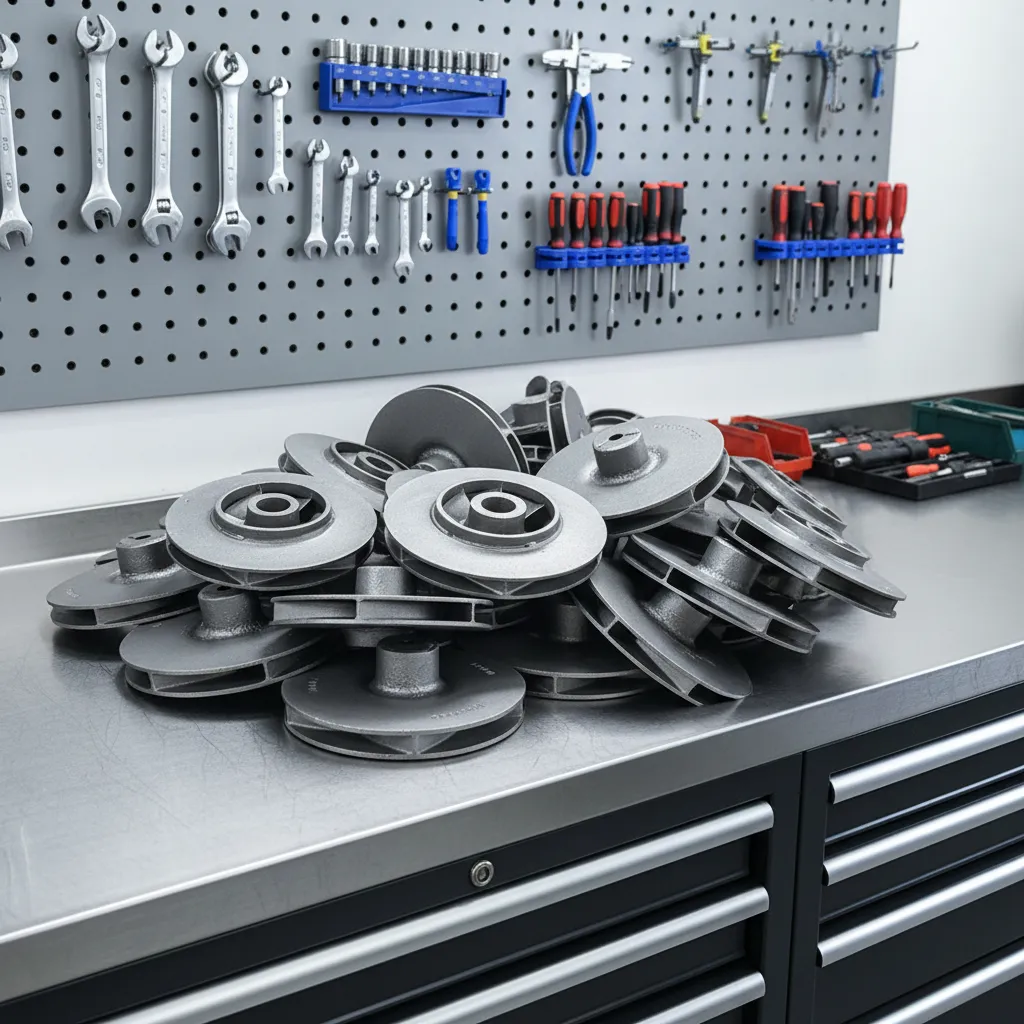
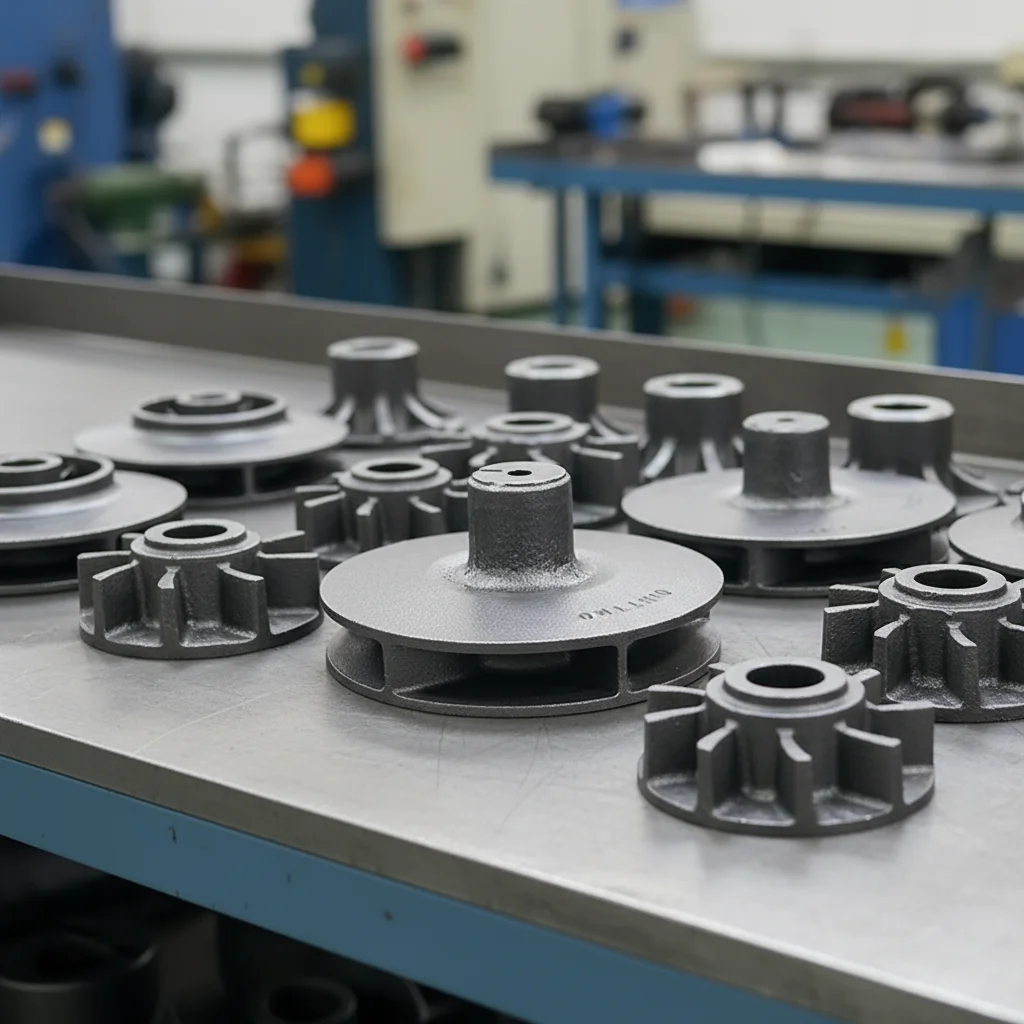
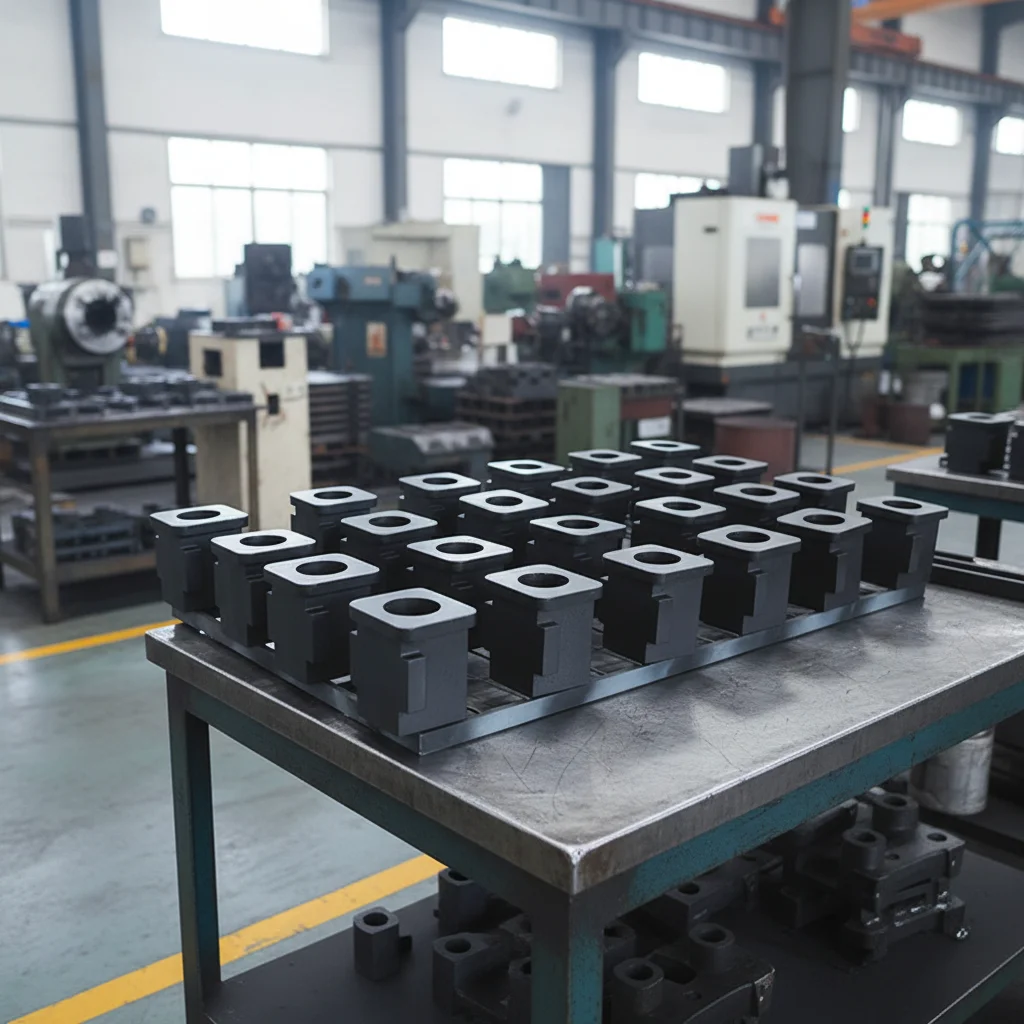
Precision lost-wax investment-casting inquiries sit alongside CNC machining, vacuum casting, plastic/metal prototype machining and injection-molding process directions. Metal choices include aluminum, brass, bronze, copper and steel, with customer-selected color. Define the actual prototype, tooling or cast-part deliverable and the material/route needed for it.
Actual material and prototype manufacturing route
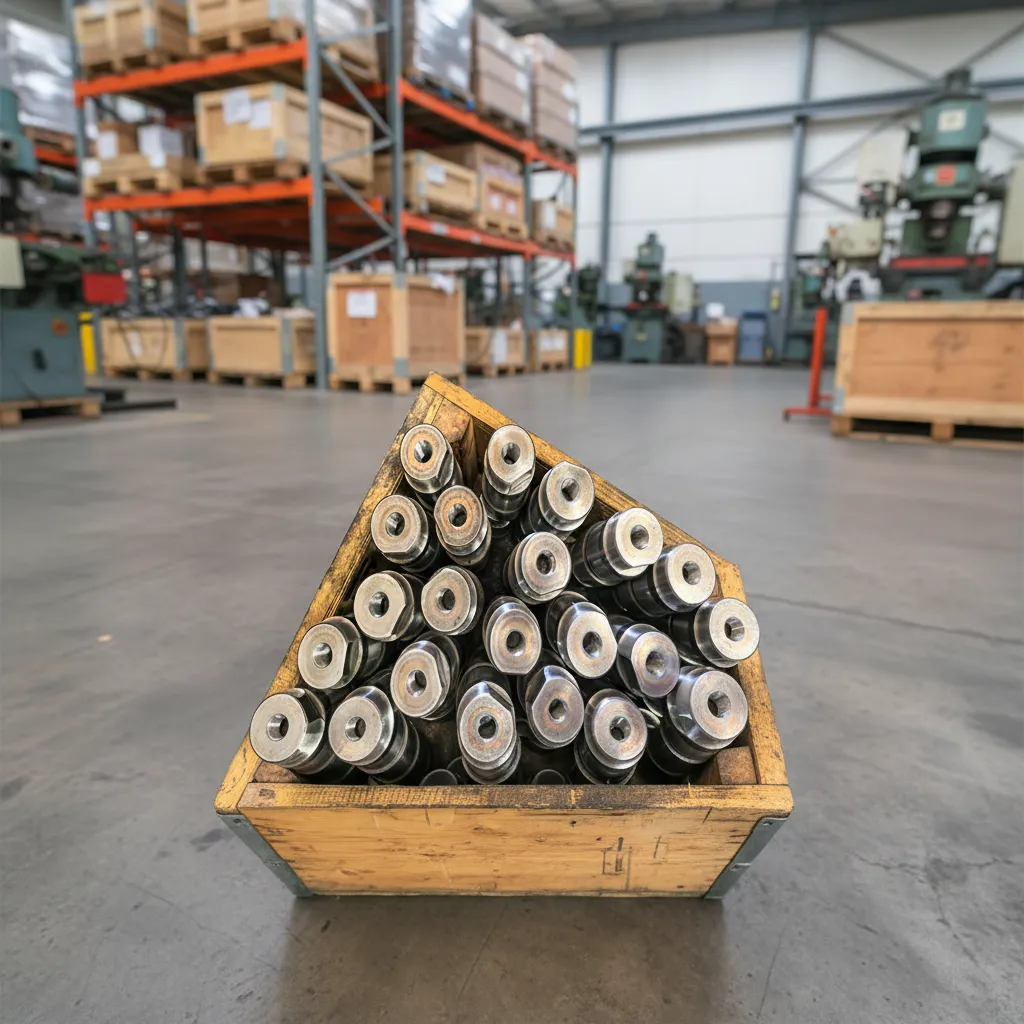
Select the metal or plastic requirement for the supplied component and define its geometry. Relate that choice to the casting, machining or molding route selected for the actual task. Identify the interfaces and finished condition needed for its function, keeping material and manufacturing requirements within one deliverable definition.
Development, low-volume work and rapid tooling
Work directions cover prototype development, low-volume production and rapid tooling. Application inquiries include automotive, medical, digital prototyping and appliance prototyping. Specify the actual part function, operating conditions and any qualification needed for the intended use. Connect those requirements to the selected deliverable, geometry and manufacturing scope.
Six surface directions and requested color
Surface choices include polishing, painting, anodizing, silkscreen, sandblasting and texture work. Select the treatment appropriate to the actual material and required appearance. Define the requested color and treated areas, then agree their visual and dimensional acceptance in relation to the component's important interfaces.
Equipment and finished-component inspection
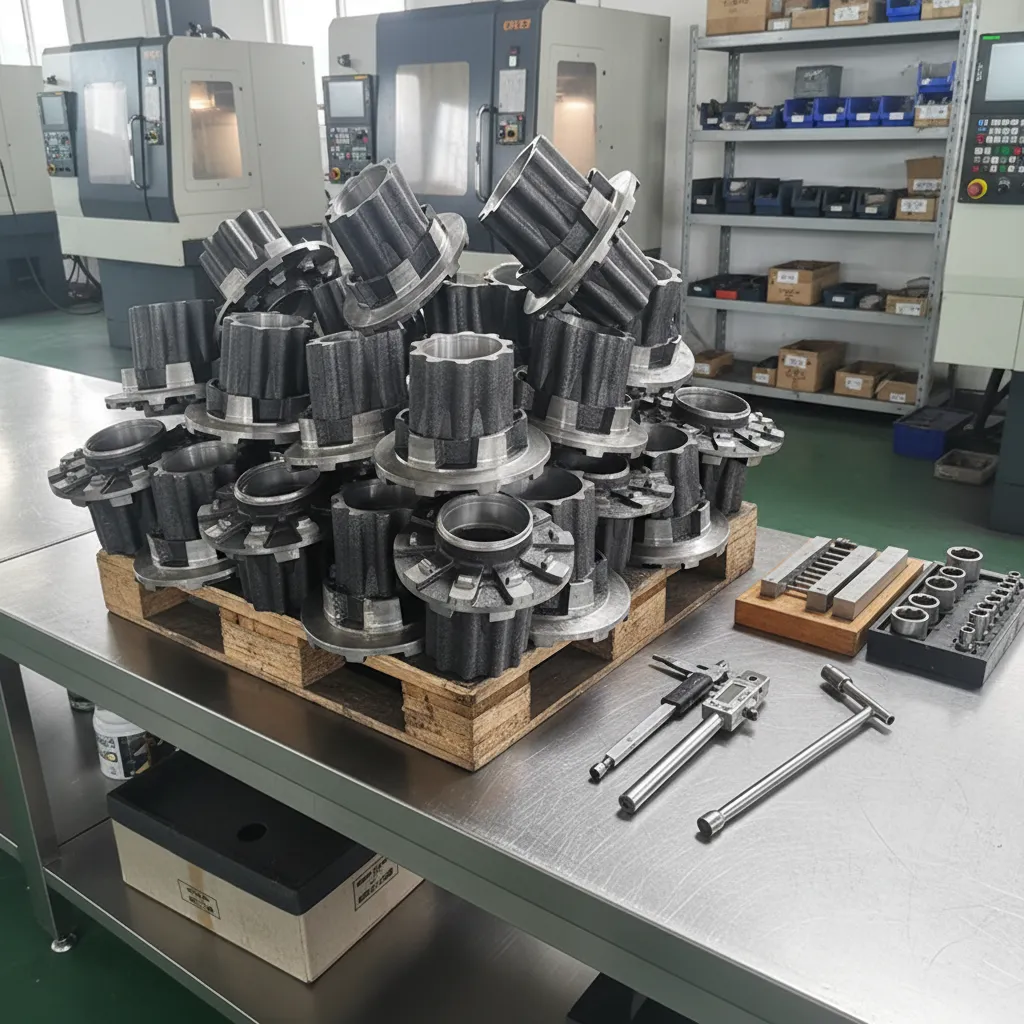
Equipment directions include CMM, CNC machines and CNC mill/turn/lathe, a wire cutter and RIM. Agree which equipment and operations apply to the selected route and geometry. Define the controlled dimensions, surface condition and inspection requirements needed for the actual part, connecting those checks to its intended function and the finished prototype or casting being requested.