
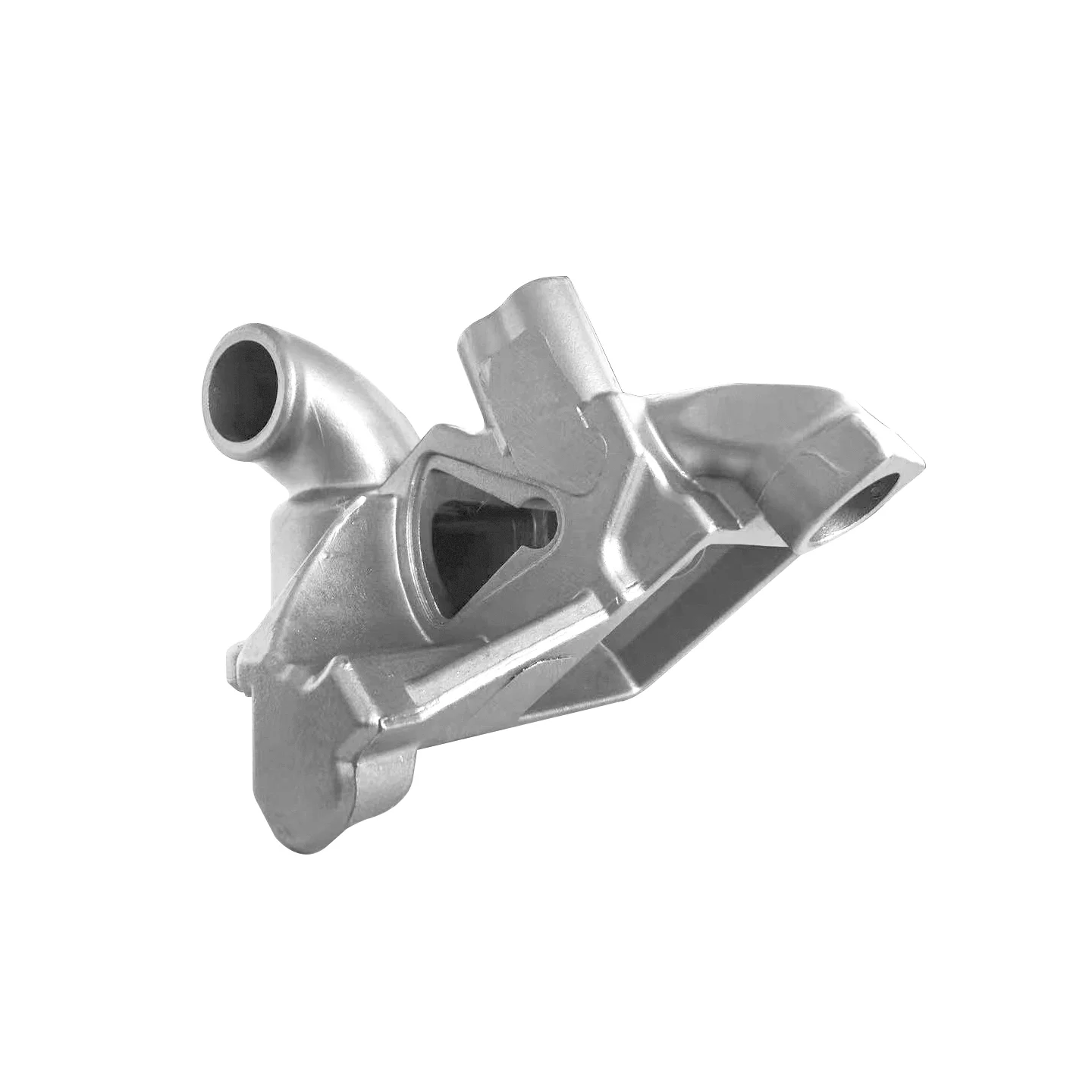
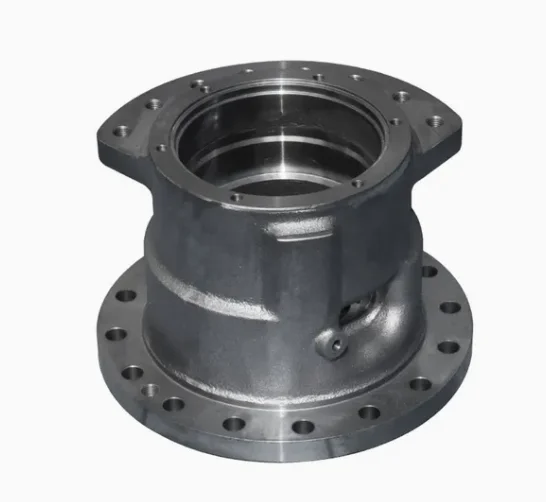
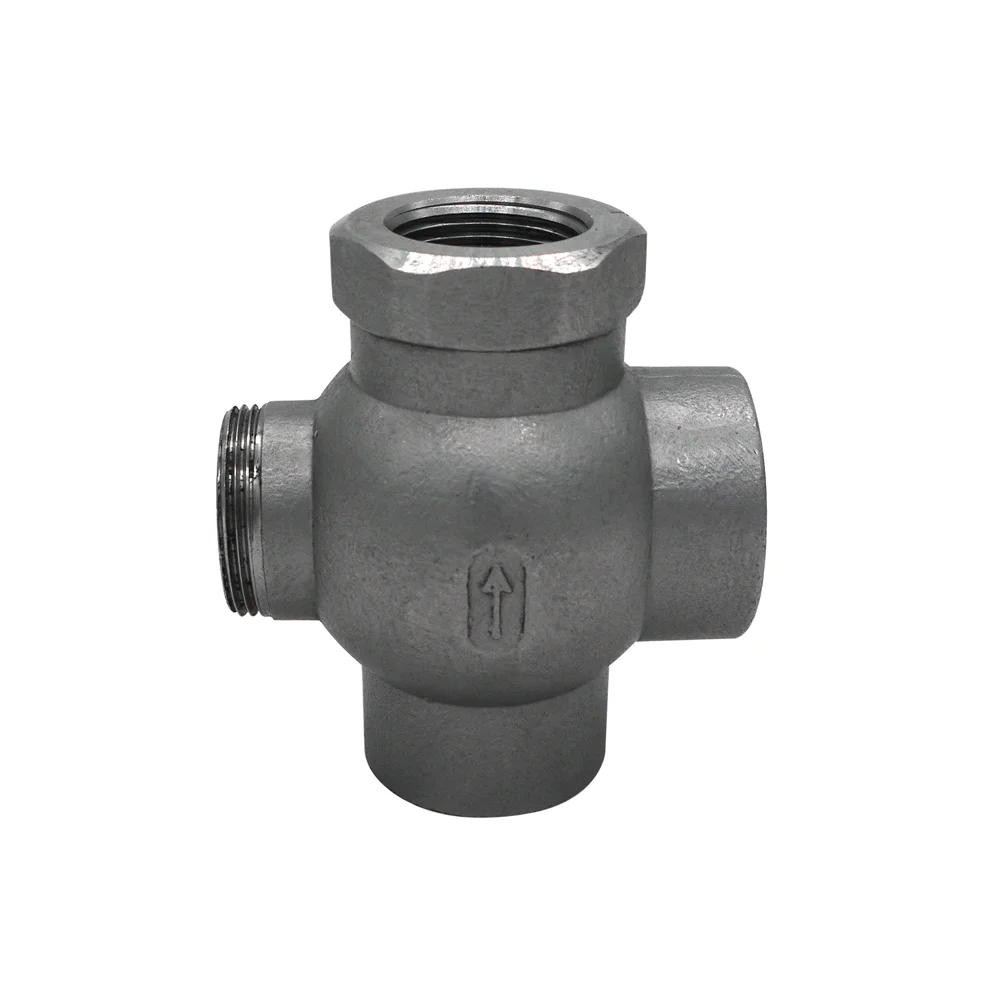
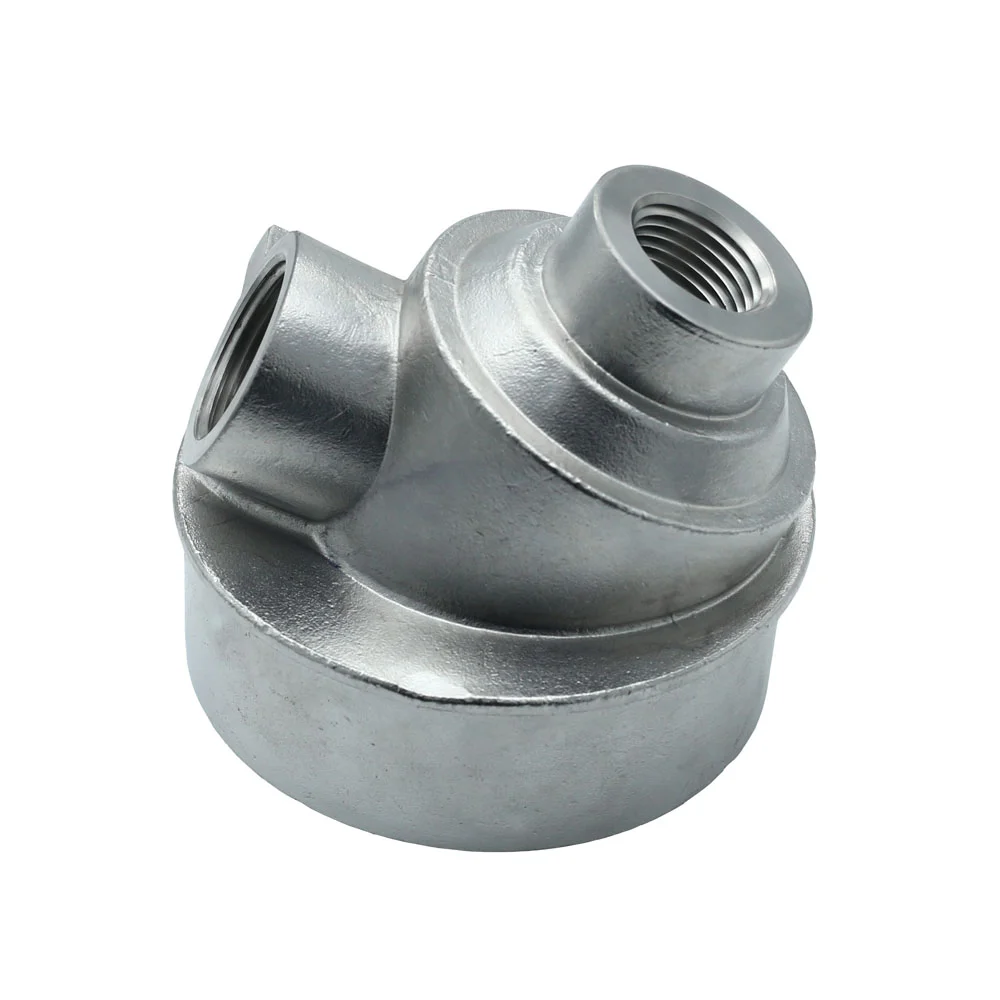
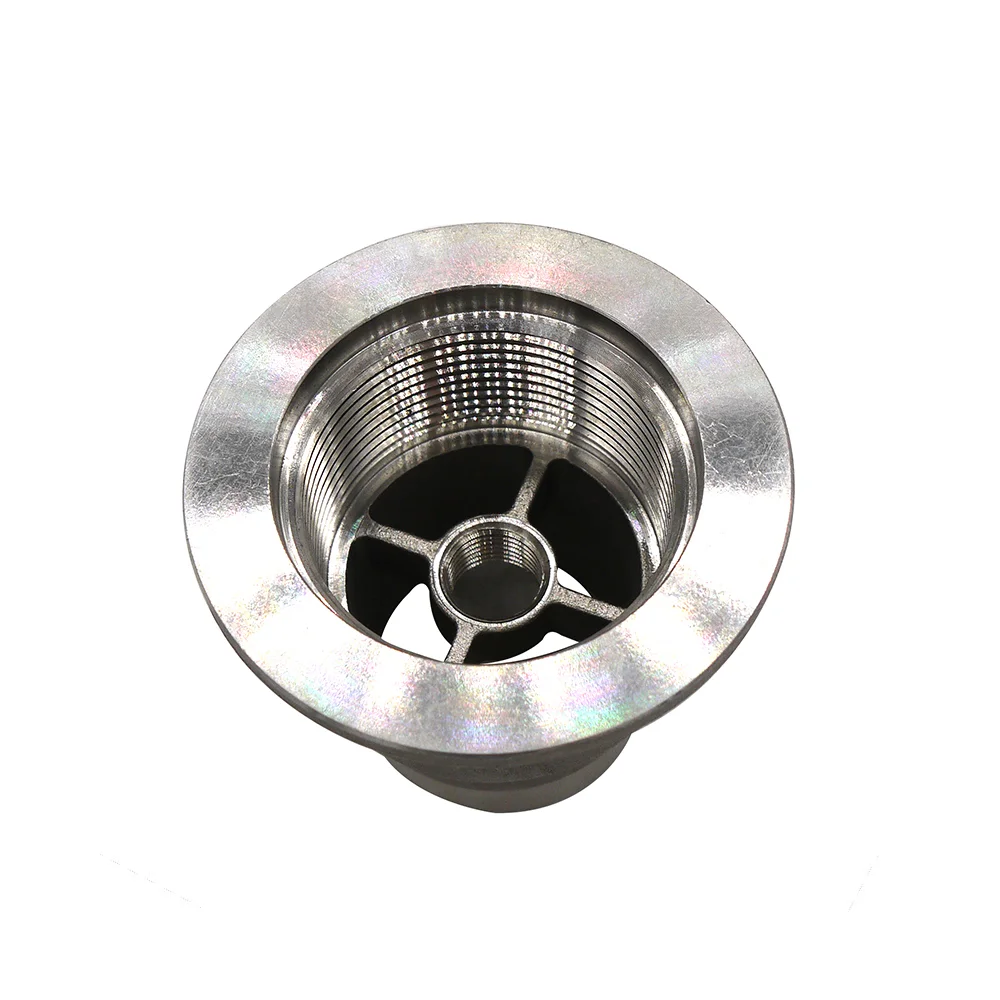
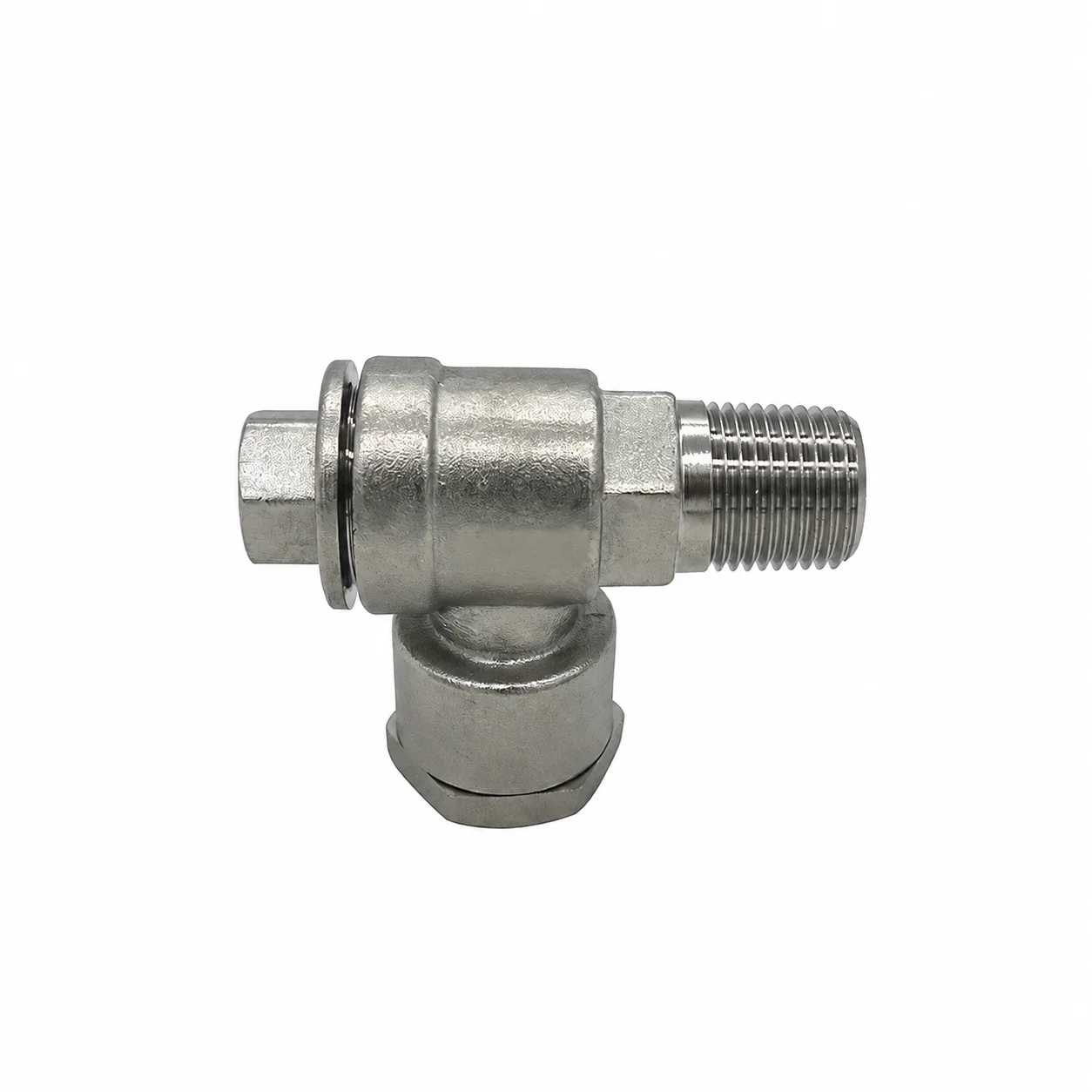
OEM/ODM 304/316/403 Stainless Steel Lost-Wax Machinery Castings with CNC and CT4–CT6
Let’s define your requirement
Send a product link, drawing or short brief. We’ll work through the details with you.
- Confirm the specificationGrade or model, size and intended use.
- Define your orderQuantity, finish or configuration, and samples.
- Agree the quotation scopeIncluded work, key checks and delivery needs.
-
MaterialAluminum, SS stainless steel, carbon steel, alloy steel
-
Quality Control100% Inspected /ISO9001 SystemCertificateISO9000
-
Processing ServiceCasting+CNC machining + Surface treatmentequipmentCNC Machining Centers
-
ServiceOEM\ODMStandard:GB
-
SurfaceCustomers't RequirementToleranceCT4-CT6
-
ColorCustomized Color
OEM/ODM machinery-component requests include 304, 316 and 403 stainless-steel directions through lost-wax investment casting. Casting, CNC machining centers and customer-defined surface treatment or color are combined with a 100% inspection offer for the actual work.
Select the grade for the machinery component
Choose the actual 304, 316 or 403 material direction and identify the component geometry and intended interfaces. Wider material inquiries include aluminum, stainless steel, carbon steel and alloy steel, with the relevant route agreed for each request. Keep the selected material with the machinery-part definition throughout the manufacturing discussion.
Connect CT4–CT6 with the cast and CNC dimensions
The casting-tolerance direction is CT4–CT6. Agree the applicable document and features, then identify which finished dimensions belong to CNC work. Specify the relevant GB document and edition for the order so the material and dimensional requirements address the same component.
Define the custom surface and color
Surface treatment follows customer requirements and color is customized. Identify the surfaces involved and the final appearance needed for the selected material. Include the finished condition of mating areas so the treatment request remains connected to the component's geometry and intended machinery interfaces.
Focus full inspection on agreed characteristics
Define the dimensional, material and surface criteria by which the actual casting will be accepted. Relate those criteria to the chosen grade, CT feature scope and cast/CNC allocation. This gives the 100% inspection offer a concrete component definition and a useful basis for the OEM/ODM request.








