
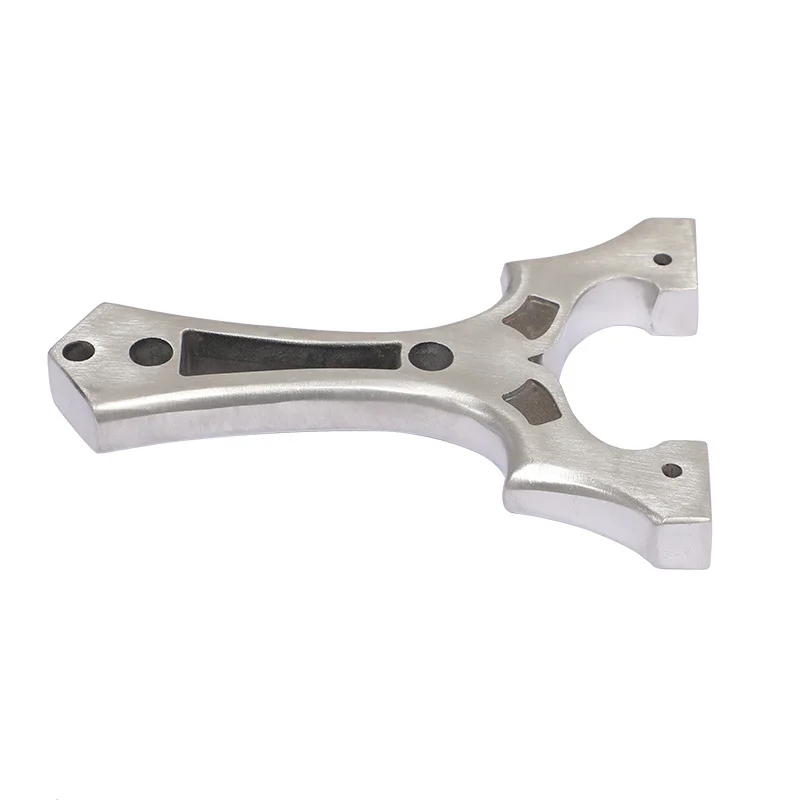
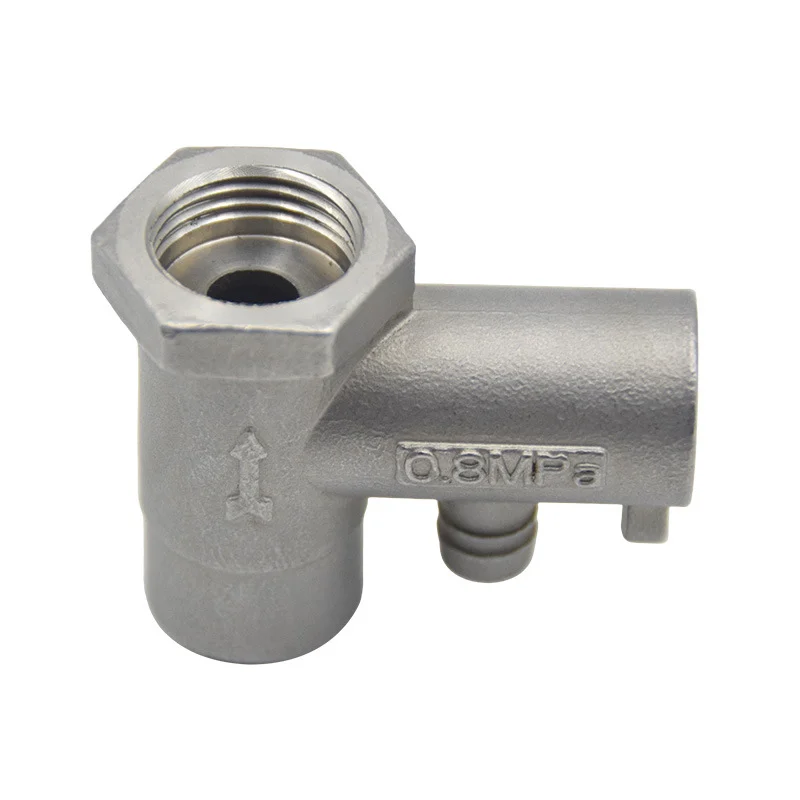
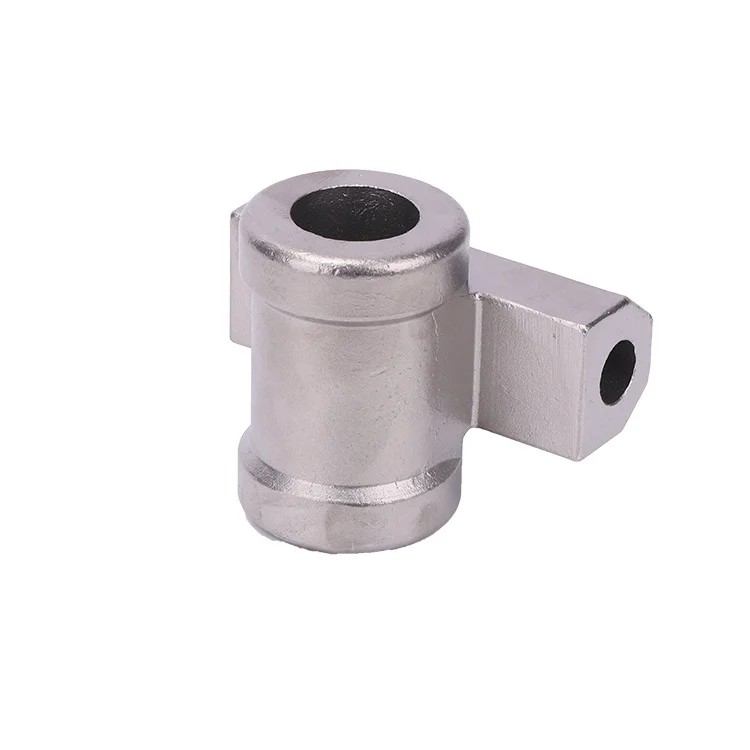
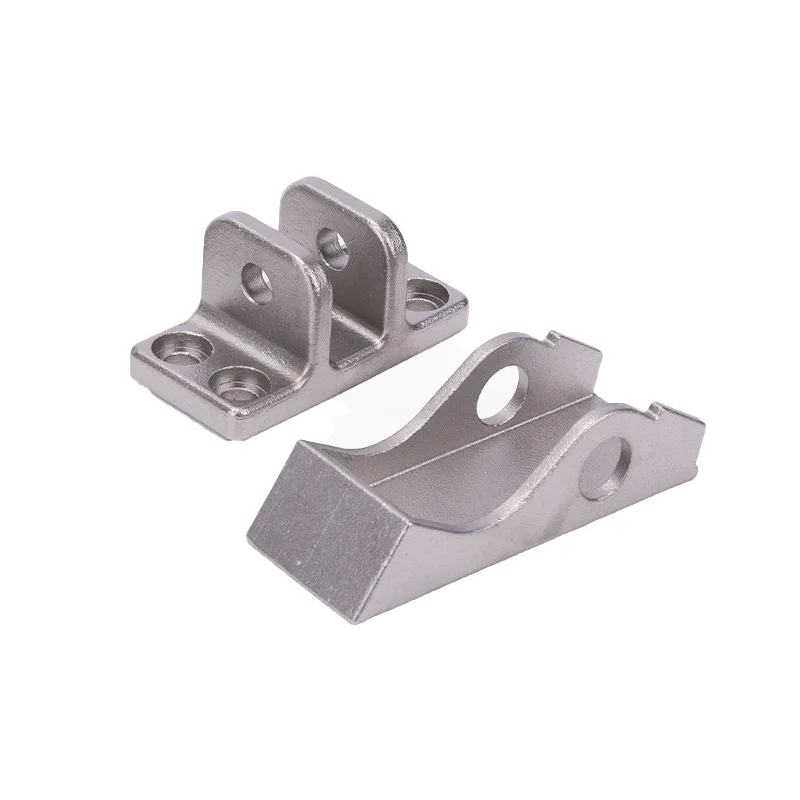
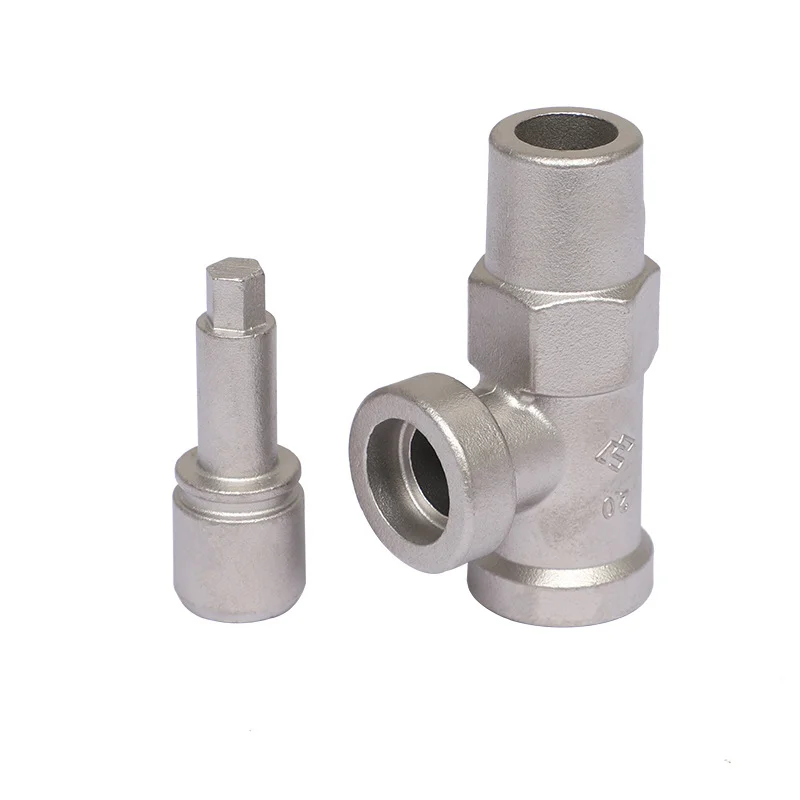
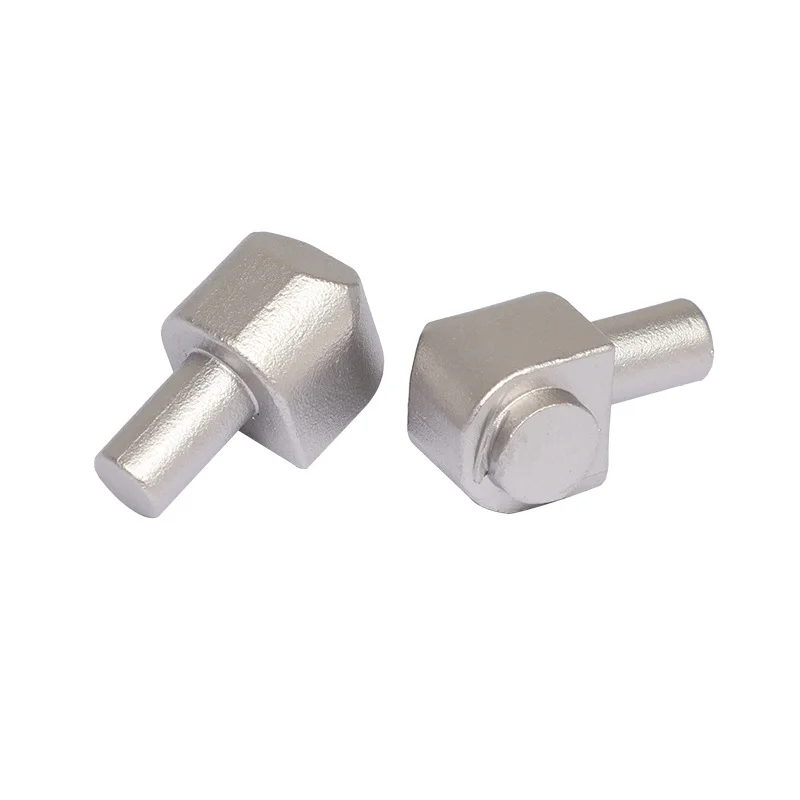
OEM Custom Stainless Steel Lost-Wax Investment Casting | 0.01mm Precision Inquiry
Let’s define your requirement
Send a product link, drawing or short brief. We’ll work through the details with you.
- Confirm the specificationGrade or model, size and intended use.
- Define your orderQuantity, finish or configuration, and samples.
- Agree the quotation scopeIncluded work, key checks and delivery needs.
-
Surface FinishShot Blasted , PolishedAlloy Grade316L , 304
-
Product namecustom casting service iron steel lost wax investment casting partTolerance±0.01mm / CT5-CT7
-
MaterialStainless Steel 304 / 316L / 17-4PH, Carbon Steel, Ductile IronPackageBubble + Carton + Wooden Case
-
Quality ControlStrictly 100% InspectionProcessCasting +Machining(if Need)+surface Treatment
-
Surface treatmentShot Blasting, Polishing, Passivation, Powder Coating, AnodizingServiceOEM\ODM
-
Lead Time15-35 DaysMax Part SizeCustomizable per drawing
OEM/ODM lost-wax investment-casting inquiries cover stainless steel 304, 316L and 17-4PH, carbon steel and ductile iron. Components are customized to the drawing, with machining if needed, surface-treatment directions and 100% inspection for the casting work.
Select the material before assigning the work
Choose the actual grade from the stainless, carbon-steel or ductile-iron direction required by the component. The drawing defines its size and geometry, including the interfaces and dimensions important to the finished part. Agree the casting and optional-machining scope for that material instead of treating the broad material range as one interchangeable selection.
Relate ±0.01 mm and CT5–CT7 to dimensions
Tolerance capability references include ±0.01 mm and CT5–CT7. Establish which dimensions, cast or machined condition, and measurement scope each reference addresses for the selected component. The precision inquiry then has a defined acceptance basis without assigning the same numerical tolerance to every as-cast surface.
Five surface directions, selected by material
Shot blasting, polishing, passivation, powder coating and anodizing are surface-treatment directions for discussion. Confirm the applicable method for the actual material and specify the areas and finished condition required. This retains the range of surface work while making the treatment scope specific to the selected grade and component.
Inspection linked to the OEM component
The custom casting work includes a 100% inspection direction for the selected part. Agree the checks against its dimensional and surface requirements, including any machined interfaces. Explain the component's intended function and operating conditions so the drawing, material, precision and inspection acceptance form one clear OEM/ODM inquiry. The resulting scope should describe the actual finished component rather than a generic casting capability.








