
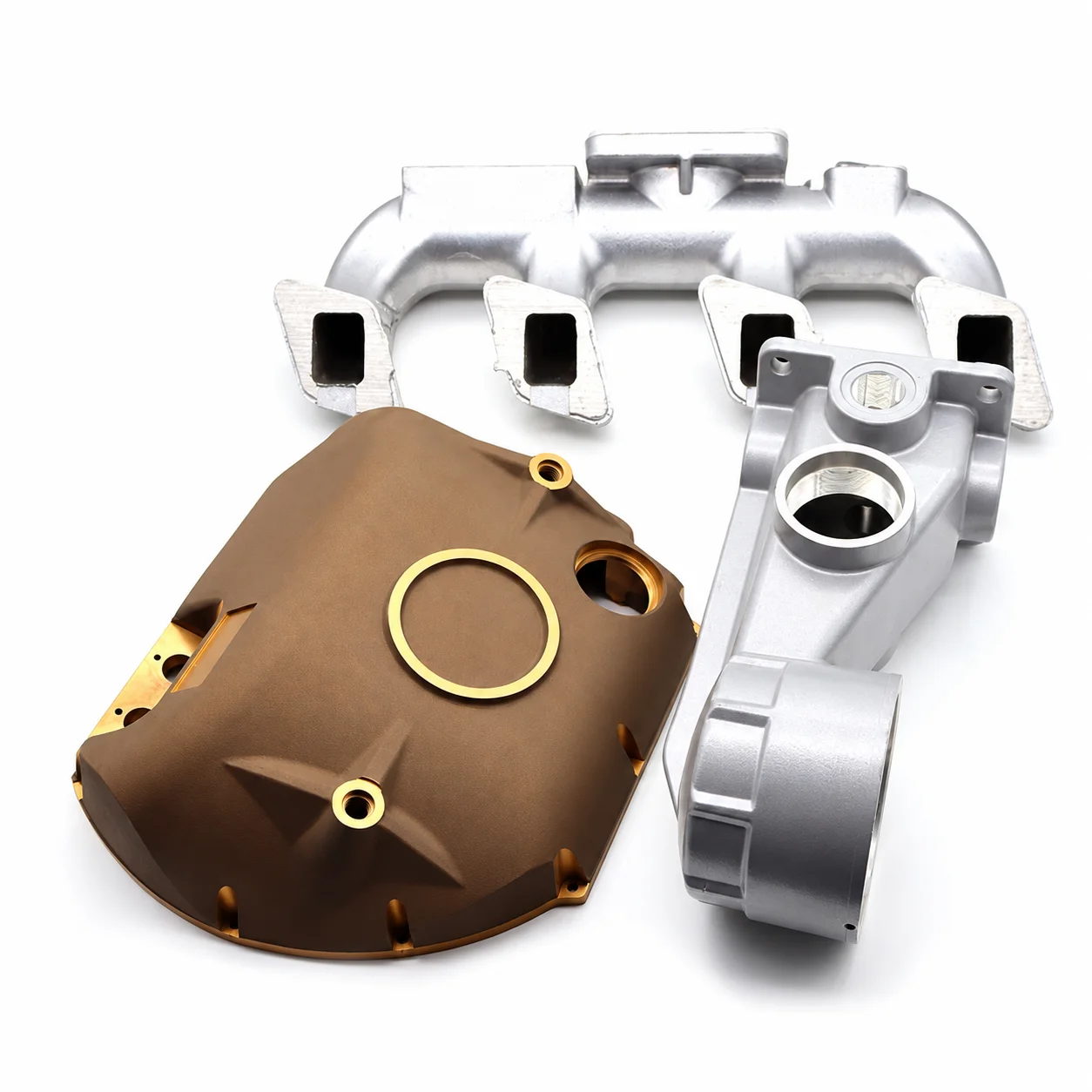
Custom Sand Casting for Grey Iron, Aluminum, Steel and Stainless Steel Parts with A356 Inquiries
Let’s define your requirement
Send a product link, drawing or short brief. We’ll work through the details with you.
- Confirm the specificationGrade or model, size and intended use.
- Define your orderQuantity, finish or configuration, and samples.
- Agree the quotation scopeIncluded work, key checks and delivery needs.
-
Product nameSand Casting
-
ProcessCasting. Deburring .Drilling .threadingCertificationISO9001
-
ServiceCustomized OEMSizeCustomer's 3D Drawing
-
Surface treatmentCustomers' DemandToleranceCustomer's Drawing Request
-
StandardClient SpecificationColorCustomized Color
-
Quality ControlStrictly 100% Inspection
Custom OEM sand casting is offered for steel, grey iron, aluminum and stainless steel part inquiries. Casting is combined with deburring, drilling and threading, while size follows the customer's 3D drawing. For an A356 request, identify the required alloy specification explicitly so the material discussion remains attached to the intended component.
3D geometry sets the casting size
The component's size is defined by the customer drawing, and tolerance follows the drawing request. The applicable standard is the client specification. Bring those requirements into the same revision of the part definition so the casting geometry, dimensional acceptance and selected metal can be reviewed as one manufacturing inquiry.
Holes and threads within the process scope
Deburring, drilling and threading are specific operations to include when defining the finished casting. Identify the relevant holes, thread requirements and areas needing attention on the drawing. This makes the process discussion more useful than a general request for a sand-cast part, because the requested operations can be connected to the actual component details.
Color, finish and inspection
Surface treatment follows customer demand, and color is customizable. Specify the required surface condition and color for the selected material, then connect them to the acceptance criteria for the part. Quality control includes 100% inspection, with the inspection requirements to be agreed around the drawing and client specification.
- Choose the metal and identify the full alloy specification for an A356 inquiry.
- Use the current 3D drawing to define size, tolerances and hole or thread details.
- Describe the requested surface treatment and color.
- Agree the dimensional and inspection acceptance for the finished casting.
This approach gives the OEM sand-casting request a defined material, geometry and delivered condition. It keeps custom choices practical while leaving their exact requirements in the component specification.








